


Understanding the Specifications of Ductwork Machines
Introduction
Ductwork is a crucial component of HVAC (heating, ventilation, and air conditioning) systems, responsible for distributing conditioned air throughout a building. Understanding the specifications of ductwork machines is essential for engineers, contractors, and homeowners to ensure optimal system performance and indoor air quality. This article delves into the intricacies of ductwork machine specifications, exploring various aspects to provide a comprehensive understanding.
Types of Ductwork Machines
Different types of ductwork machines are designed for specific fabrication tasks.
Notchers: Create notches or slots in duct flanges for connecting to other duct sections.
Pittsburgh Lock Formers: Form Pittsburgh lock seams on duct panels, creating an airtight and rigid joint.
Slip Roll Formers: Roll duct panels into cylindrical shapes for round ducts or rectangular ducts with curved edges.
Plasma Cutters: Use ionized gas to cut duct panels with precision and speed.
Tube Benders: Bend duct sections into various angles and shapes to navigate obstacles or create customized configurations.
Machine Capacities and Materials
The capacity of a ductwork machine refers to the thickness and width of the duct material it can handle. Capacities are typically measured in gauge (thickness) and inches (width). It is crucial to select a machine that can accommodate the specified duct material.
Regarding materials, ductwork machines are designed to work with different types of metal, including galvanized steel, stainless steel, and aluminum. Each material has unique properties affecting fabrication requirements.
Production Rate and Precision
The production rate of a ductwork machine determines its efficiency and productivity. It is typically expressed in linear feet per minute (lf/min). Higher production rates are desirable for large-scale projects or when time constraints are a concern.
Precision refers to the accuracy and consistency of the machine’s fabrication process. High-precision machines produce ducts with minimal variations in shape, size, and seam quality. This ensures proper airflow and system integrity.
Safety Features and Controls
Safety is paramount in operating ductwork machines. Essential safety features include:
Guarding: To prevent contact with moving parts.
Lockout/Tagout Systems: To isolate machines during maintenance or repairs.
Emergency Stop Buttons: For immediate shutdown in case of emergencies.
Controls enable operators to adjust machine settings, including material feed rate, bending angles, and cut depths. User-friendly controls enhance ease of operation and reduce setup times.
Maintenance and Maintenance Schedules
Regular maintenance is critical to ensuring the longevity and optimal performance of ductwork machines. Maintenance schedules should be established based on manufacturer recommendations and usage frequency.
Proper maintenance includes:
Cleaning and lubrication of moving parts.
Calibration of sensors and controls.
Replacement of worn or damaged components.
Conclusion
Understanding the specifications of ductwork machines is essential for selecting the appropriate equipment for fabrication tasks, ensuring optimal production, precision, safety, and longevity. By considering the factors discussed in this article, engineers, contractors, and homeowners can make informed decisions that contribute to the efficient and effective performance of HVAC systems.
-
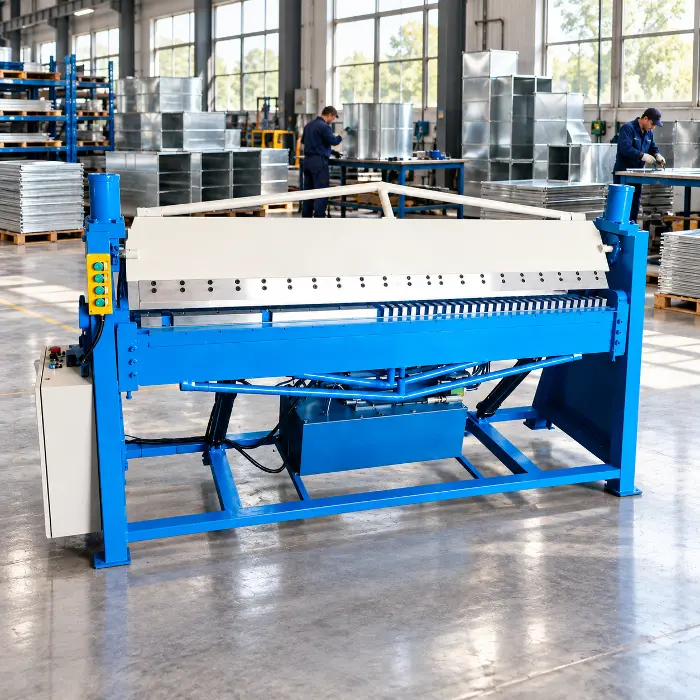
Choosing HVAC Duct Folding Machines for Flange-Safe Bending
2026/10/13 -
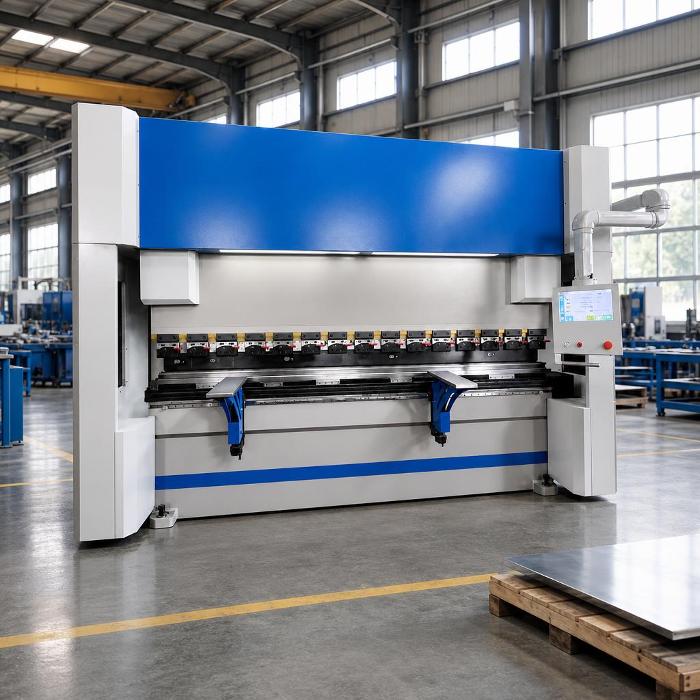
Precision Metal Forming Machines: What Separates Accurate Bends From Scrapped Sheet
2026/10/12 -
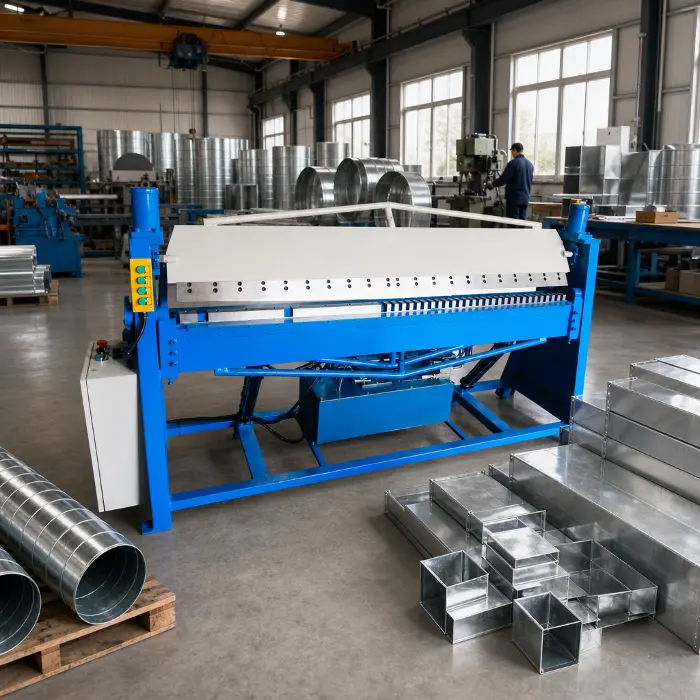
What to Look for in an HVAC Folding Machine Manufacturer
2026/10/11 -
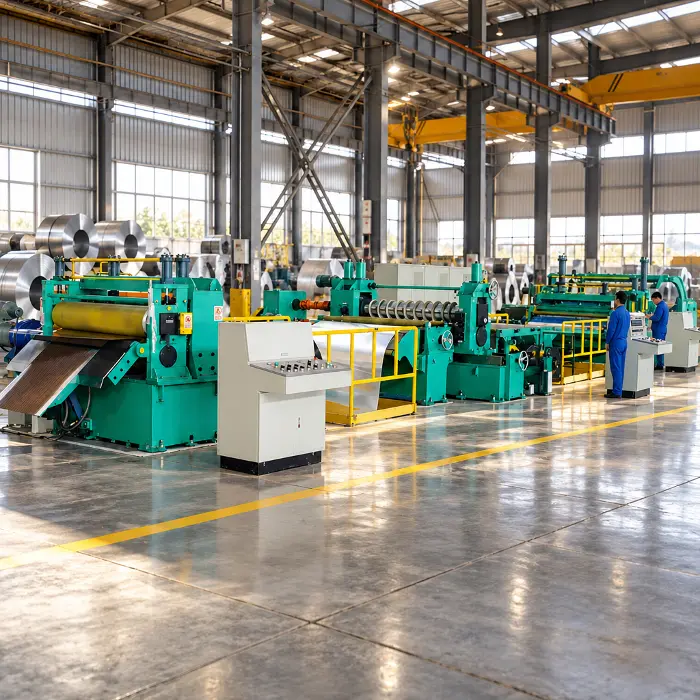
Steel Strip Cutting Machine: Engineering Precision in Modern Metal Processing
2026/10/10
-
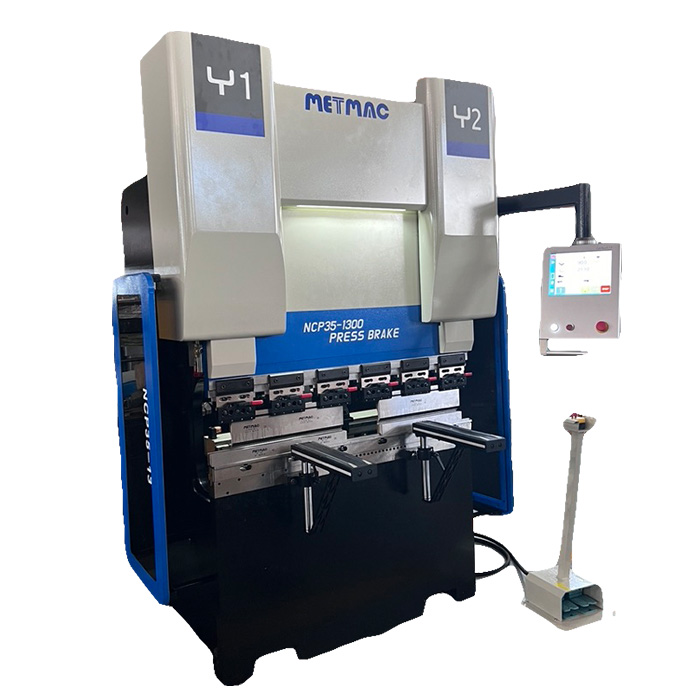
Sheet Metal Press Brake: Ultimate Guide to Precision Bending Technology in 2024
2026/03/13 -
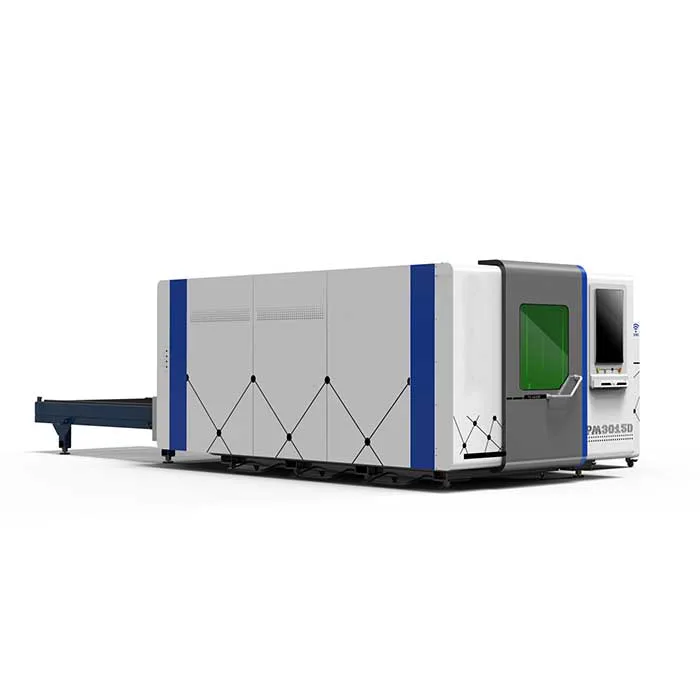
Metal Punching Machine: Ultimate Guide to Precision Manufacturing in 2024
2026/03/11 -
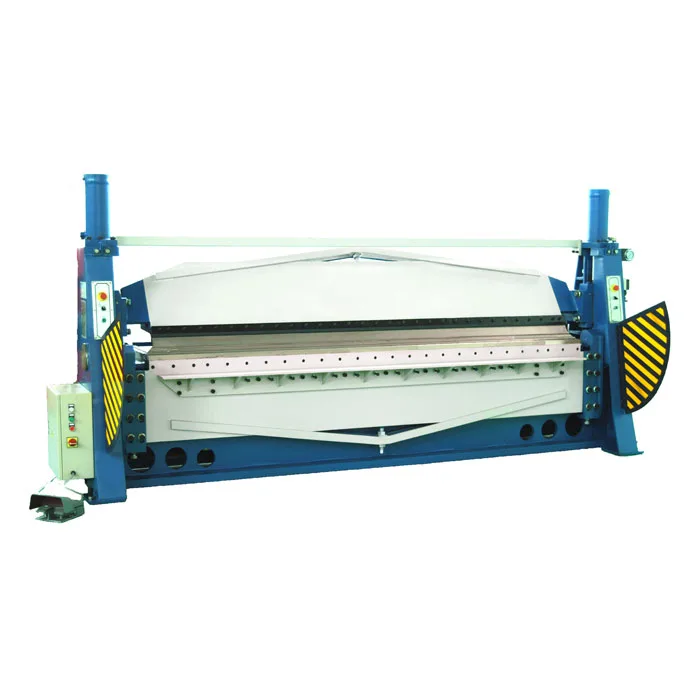
Metal Folding Machine: Comprehensive Guide to Precision Bending in 2024
2026/03/09 -
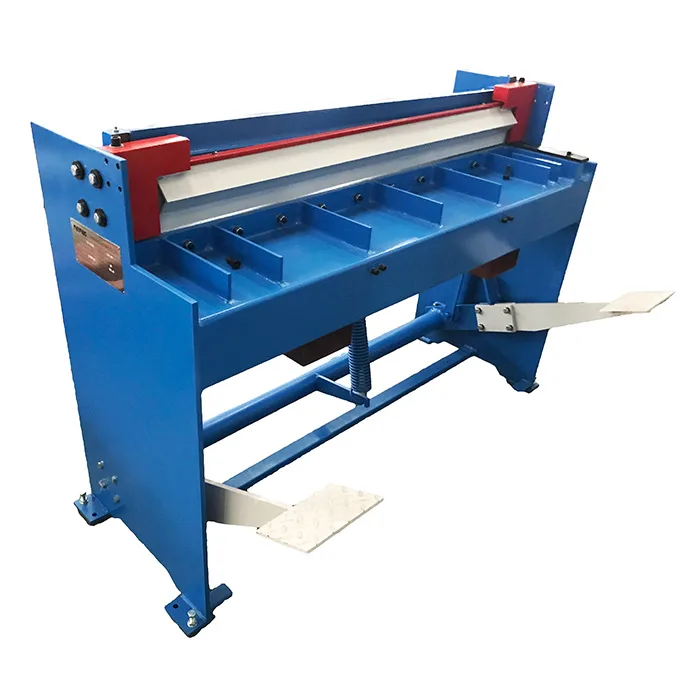
Sheet Metal Equipment: Ultimate Guide to Industrial Fabrication Solutions in 2026
2026/03/06
-
A Guide to the Latest Innovations in Sheet Metal Folding Machines
2024/11/29 -
Key Features to Consider When Investing in a Sheet Metal Folding Machine
2024/11/28 -
Enhancing Precision with Advanced Sheet Metal Folding Machines
2024/11/27 -
How to Choose the Right Sheet Metal Folding Machine for Your Workshop
2024/11/26
