

Sheet Metal Equipment: Ultimate Guide to Industrial Fabrication Solutions in 2026
Introduction to Sheet Metal Equipment Technology
What is Sheet Metal Equipment?
Sheet metal equipment refers to a range of industrial machines designed to process, shape, and fabricate metal sheets into functional components. This category includes cutting, bending, punching, and forming machines, each tailored to specific manufacturing needs. Modern sheet metal equipment integrates advanced technologies like CNC (Computer Numerical Control) and IoT (Internet of Things) to deliver precision, efficiency, and scalability for industries such as automotive, aerospace, and construction.
Key Components of Sheet Metal Equipment
The core components of sheet metal equipment vary by type but typically include: 1) Cutting System: Laser, plasma, or waterjet for precise material removal; 2) Bending Mechanism: Press brakes or folding machines for angle formation; 3) Punching Unit: Turret punches or hydraulic presses for hole creation; 4) Material Handling System: Automated loaders/unloaders for high-volume production; 5) Control Panel: CNC interface for programming and monitoring. These components work in tandem to ensure accuracy within ±0.05mm and repeatability across thousands of parts.
Types of Sheet Metal Equipment for Industrial Applications
Cutting Equipment
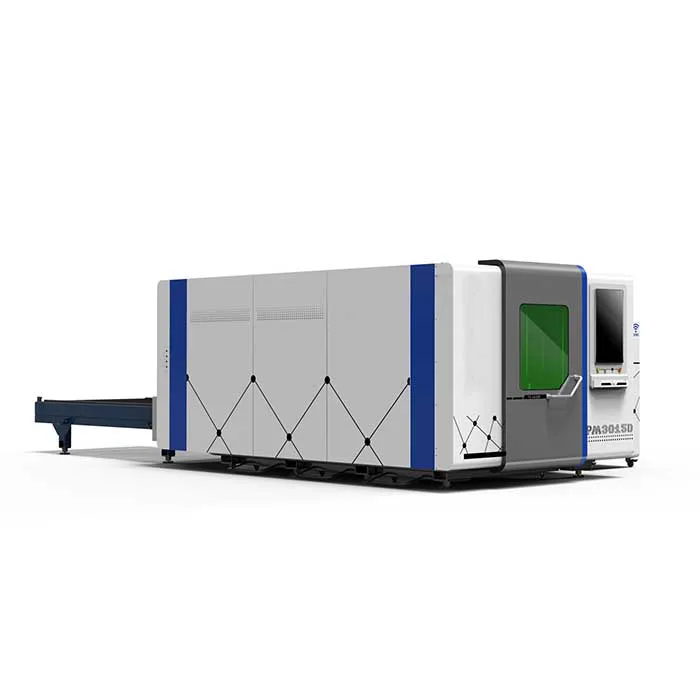
Cutting equipment is essential for shaping raw metal sheets into desired sizes. Common types include: 1) Laser Cutters: Use high-powered lasers to cut complex shapes with minimal heat distortion; 2) Plasma Cutters: Ideal for thick metal sheets (up to 50mm) and fast cutting speeds; 3) Waterjet Cutters: Use high-pressure water mixed with abrasives to cut sensitive materials like aluminum and titanium without thermal damage. The Amada LC-2415AJ laser cutter, for example, offers a cutting speed of 30m/min and positioning accuracy of ±0.01mm.
Bending and Forming Equipment
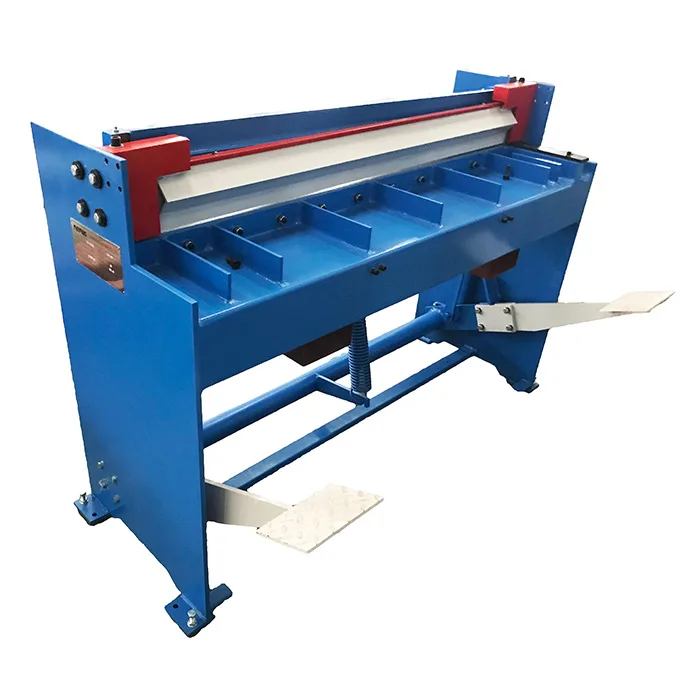
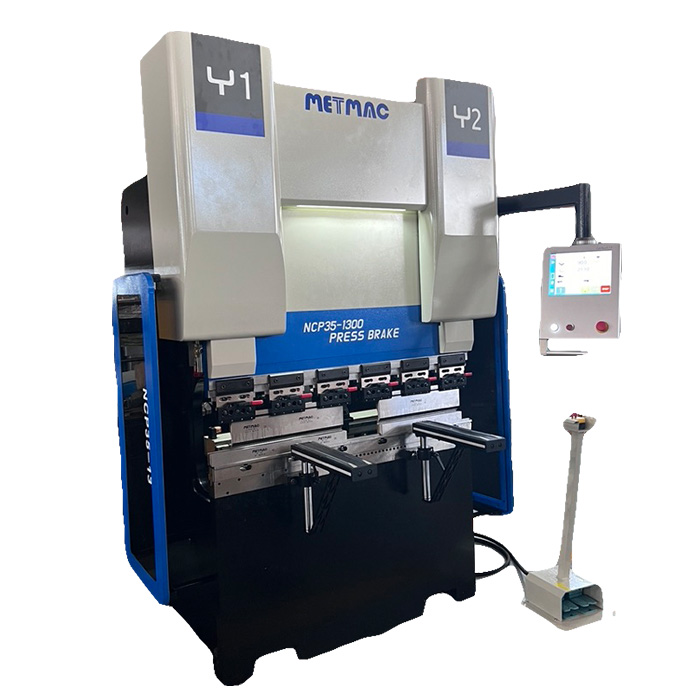
Bending and forming equipment transforms flat sheets into 3D components. Key machines include: 1) Press Brakes: Use a punch and die to bend sheets into angles (up to 180°); 2) Folding Machines: Clamp and rotate sheets around a fixed beam for minimal distortion; 3) Roll Forming Machines: Create continuous profiles like channels or pipes from coiled metal. The Trumpf TruBend 5130 press brake features a 130-ton capacity and can bend sheets up to 4m long with CNC-controlled backgauges.
Advantages of Using Advanced Sheet Metal Equipment
Precision and Consistency
Advanced sheet metal equipment delivers repeatable accuracy of ±0.05mm, which is critical for industries requiring tight tolerances (e.g., aerospace, medical devices). The use of hardened tooling and precision linear guides ensures that every part is identical, reducing rework and waste. For example, a CNC laser cutter can produce 100 identical brackets with the same hole placement, whereas manual cutting may vary by 1-2mm.
Efficiency and Productivity
Modern sheet metal equipment can process up to 1,200 parts per hour, significantly faster than manual methods. Automated material handling systems and CNC programming allow for unattended operation, maximizing uptime. For instance, a fully automated laser cutting cell can run 24/7, producing 28,800 parts per day—far exceeding manual production rates.
Applications of Sheet Metal Equipment in Various Industries
Automotive Manufacturing
Sheet metal equipment is the backbone of automotive production, used to create body panels, frame components, and exhaust systems. The ability to process high-strength steel and aluminum with precision ensures that parts meet strict safety and performance standards. A typical car body uses over 200 sheet metal components, all produced by advanced equipment like laser cutters and press brakes.
Aerospace Industry
In the aerospace sector, sheet metal equipment fabricates critical components like wing panels, fuselage sections, and engine parts. The need for lightweight materials (e.g., titanium, carbon fiber) and tight tolerances (±0.01mm) requires specialized machines like waterjet cutters and CNC press brakes. For example, a Boeing 787 Dreamliner uses over 10,000 sheet metal parts, all produced with advanced equipment to ensure structural integrity.
How to Choose the Right Sheet Metal Equipment
Key Factors to Consider
When selecting sheet metal equipment, consider: 1) Material Type and Thickness: Choose machines compatible with your materials (e.g., laser cutters for thin sheets, plasma cutters for thick steel); 2) Production Volume: Opt for automated systems for high-volume production, manual machines for small batches; 3) Precision Requirements: Select CNC machines for tight tolerances (±0.05mm or better); 4) Software Capabilities: Look for user-friendly CAD/CAM software for complex part design; 5) After-Sales Support: Choose manufacturers with local service centers and training programs. These factors will ensure the equipment meets your production needs and provides a good return on investment.
Top Manufacturers and Models
Leading sheet metal equipment manufacturers include Amada, Trumpf, and Bystronic. The Amada LC-2415AJ laser cutter offers a 3kW fiber laser, 2400x1500mm cutting area, and 30m/min cutting speed. The Trumpf TruPunch 3000 turret punch press features 20-station tooling and 1,000 hits per minute. For heavy-duty bending, the Bystronic Xpert 80 press brake offers an 80-ton capacity and 3.2m bending length, ideal for structural steel fabrication.
Maintenance and Safety Tips for Sheet Metal Equipment
Regular Maintenance Practices
Proper maintenance extends the life of sheet metal equipment by up to 50%. Key practices include: 1) Daily cleaning of cutting surfaces and tooling; 2) Weekly inspection of hydraulic systems and lubrication points; 3) Monthly calibration of CNC controls and sensors; 4) Quarterly replacement of filters and hydraulic fluid; 5) Annual professional servicing. Following these steps reduces downtime and ensures consistent performance. For example, replacing laser nozzles every 500 hours prevents quality issues and extends laser life.
Safety Protocols
Sheet metal equipment operates at high speeds and forces, so strict safety measures are essential. Operators should: 1) Wear personal protective equipment (safety glasses, gloves, steel-toe boots); 2) Never reach into the machine during operation; 3) Use interlock systems to prevent accidental startup; 4) Follow lockout/tagout procedures during maintenance; 5) Receive regular safety training. These protocols reduce the risk of accidents and ensure compliance with OSHA standards.
Future Trends in Sheet Metal Equipment Technology
Integration with Industry 4.0
The future of sheet metal equipment lies in Industry 4.0 integration. Smart machines will feature IoT sensors to monitor performance, predict maintenance needs, and optimize production. For example, a laser cutter could detect worn nozzles and automatically order replacements, reducing downtime. Integration with MES (Manufacturing Execution Systems) will enable real-time production tracking and data analysis, improving overall efficiency.
Advancements in Material Processing
New technologies are expanding the capabilities of sheet metal equipment. For example, fiber lasers are replacing CO2 lasers for faster cutting speeds and lower energy consumption. Additive manufacturing (3D printing) is also being integrated with traditional sheet metal processes to create hybrid components with complex geometries. These advancements will enable the processing of new materials like high-strength aluminum and composite metals, expanding applications in aerospace and renewable energy.
Why Choose Metmac for Your Sheet Metal Equipment Needs
Customized Solutions
Metmac offers tailored sheet metal equipment solutions to meet specific industry requirements. Our team of engineers works closely with clients to design custom tooling and programming for unique part geometries. Whether you need a small laser cutter for electronics components or a large automated production line for automotive parts, we provide equipment that aligns with your production goals.
Exceptional Support and Service
At Metmac, we prioritize customer satisfaction with comprehensive support services. Our technicians provide on-site installation, training, and maintenance to ensure your equipment operates at peak performance. We also offer 24/7 technical support and a global network of service centers. Choosing Metmac means investing in a partner that will support your business growth for years to come.
sheet metal equipment technology continues to evolve, driving innovation in manufacturing. By understanding the types, applications, and maintenance requirements of these machines, businesses can make informed decisions to improve productivity and competitiveness. Whether you’re in automotive, aerospace, or construction, sheet metal equipment is a valuable asset that delivers precision, speed, and cost savings.
-
Press Metal Machine: The Definitive Guide to Precision Metal Forming
2026/03/12 -
Metal Punching Machine: The Ultimate Guide to Precision Hole Punching
2026/03/10 -
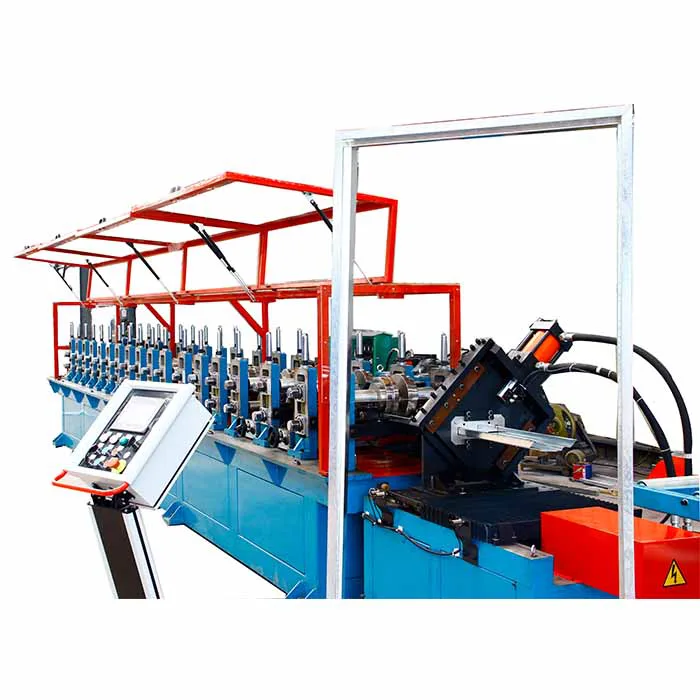
Sheet Metal Machinery: The Ultimate Guide to Industrial Fabrication Excellence
2026/03/04 -
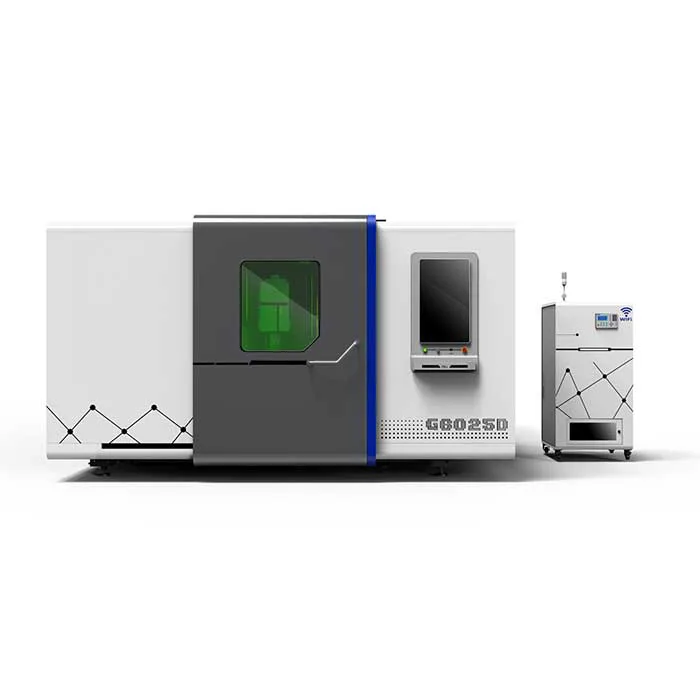
Iron Sheet Laser Cutting Machine: Unmatched Precision for Demanding Fabrication with METMAC
2026/01/06
-
Sheet Metal Press Brake: Ultimate Guide to Precision Bending Technology in 2024
2026/03/13 -
Metal Punching Machine: Ultimate Guide to Precision Manufacturing in 2024
2026/03/11 -
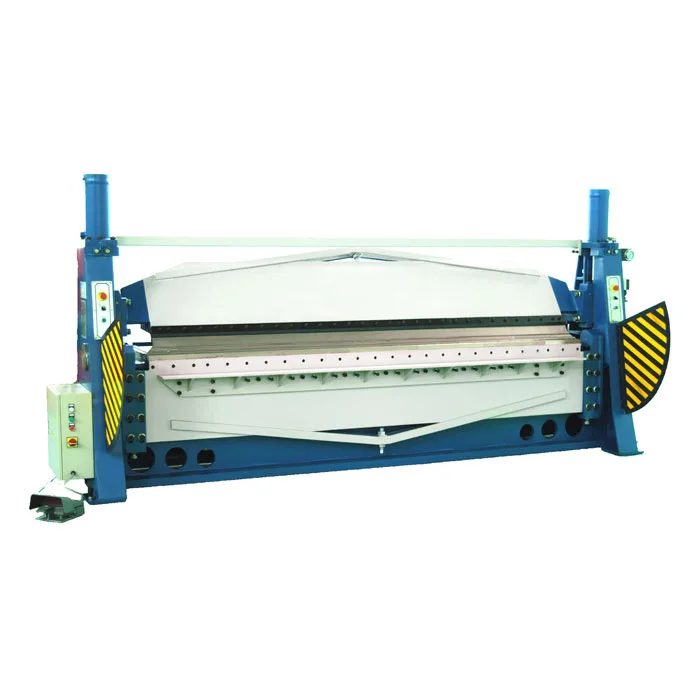
Metal Folding Machine: Comprehensive Guide to Precision Bending in 2024
2026/03/09 -
Sheet Metal Equipment: Ultimate Guide to Industrial Fabrication Solutions in 2026
2026/03/06
-
A Guide to the Latest Innovations in Sheet Metal Folding Machines
2024/11/29 -
Key Features to Consider When Investing in a Sheet Metal Folding Machine
2024/11/28 -
Enhancing Precision with Advanced Sheet Metal Folding Machines
2024/11/27 -
How to Choose the Right Sheet Metal Folding Machine for Your Workshop
2024/11/26
