

Metal Punching Machine: Ultimate Guide to Precision Manufacturing in 2024
Introduction to Metal Punching Machine Technology
What is a Metal Punching Machine?
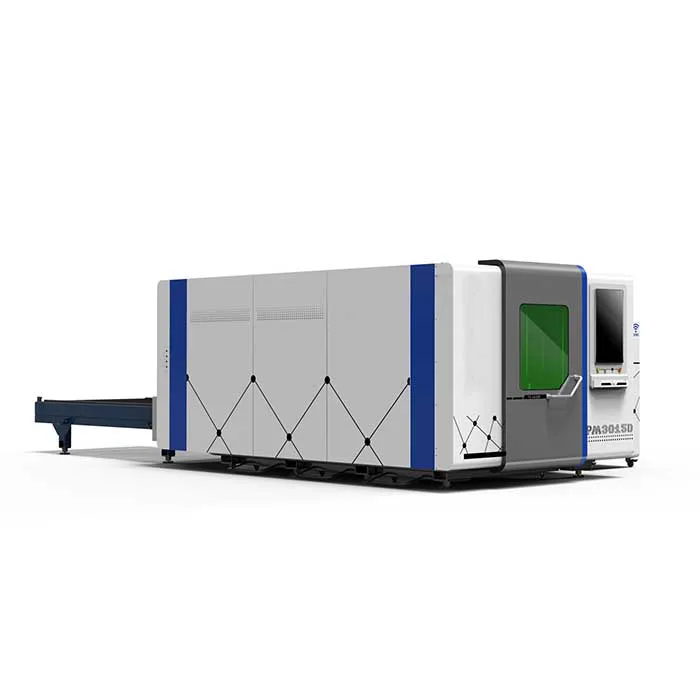
A metal punching machine is a specialized industrial equipment designed to create precise, clean holes or shapes in metal sheets or plates. Unlike traditional drilling, which removes material, punching uses a die and punch set to shear through metal, resulting in faster production rates and uniform results. Modern machines integrate CNC (Computer Numerical Control) technology for automated operation, allowing for complex patterns and high-volume manufacturing.
Key Components of a Metal Punching Machine
The core components of a metal punching machine include: 1) Frame: Provides structural stability for high-force operations; 2) Punch and Die Set: Customizable tooling for different hole sizes/shapes; 3) Hydraulic/Pneumatic System: Generates punching force (ranging from 5 to 500 tons); 4) CNC Control Panel: Programs punching sequences and coordinates; 5) Material Handling System: Feeds metal sheets and removes finished parts. These components work in tandem to ensure accuracy within ±0.1mm tolerance.
Types of Metal Punching Machines for Industrial Applications
CNC Turret Punch Presses
CNC turret punch presses are the most common type in modern manufacturing. They feature a rotating turret with multiple punch/die combinations, enabling quick tool changes without manual intervention. This design is ideal for batch production of parts with varied hole patterns, such as electrical enclosures, automotive components, and HVAC ductwork. Advanced models include automatic sheet loaders and unloaders for 24/7 operation.
Hydraulic Punching Machines
Hydraulic punching machines deliver extreme force for thick metal sheets (up to 25mm thickness). They use hydraulic cylinders to generate punching pressure, making them suitable for heavy-duty applications like structural steel fabrication and shipbuilding. The slow, controlled punching action reduces material deformation and extends tool life. Some models offer multi-axis movement for 3D punching operations.
Advantages of Using a Metal Punching Machine
Precision and Consistency
Metal punching machines achieve repeatable accuracy of ±0.05mm, which is critical for industries requiring tight tolerances (e.g., aerospace, medical devices). The use of hardened tool steel dies ensures that every hole or shape is identical, eliminating human error in manual operations. This consistency reduces waste and rework, lowering production costs by up to 30% compared to alternative methods.
Speed and Efficiency
Modern CNC punching machines can process up to 1,200 hits per minute, significantly faster than drilling or laser cutting for simple hole patterns. The ability to program complex sequences allows for unattended operation, maximizing productivity. For example, a single machine can produce 500 electrical panel brackets in an hour, compared to 100 with manual methods. This efficiency makes metal punching ideal for high-volume production runs.
Applications of Metal Punching Machines in Various Industries
Automotive Manufacturing
Metal punching machines are essential in automotive production for creating chassis components, engine brackets, and body panels. The ability to punch multiple holes in a single operation reduces assembly time and improves structural integrity. For instance, a typical car door requires 15-20 precision holes for hinges, locks, and window mechanisms—all produced by a CNC punch press in under 2 minutes.
Electrical and Electronics Industry
In the electrical sector, metal punching machines fabricate enclosures, control panels, and heat sinks. The precise hole placement ensures proper component fit and heat dissipation. For example, a server rack enclosure may require 500+ ventilation holes, all punched in a single sheet with consistent spacing. This level of accuracy is impossible with manual methods and ensures compliance with industry safety standards.
How to Choose the Right Metal Punching Machine
Key Factors to Consider
When selecting a metal punching machine, consider: 1) Material Thickness: Choose a machine with sufficient tonnage (e.g., 50 tons for 10mm steel); 2) Punching Speed: Higher speed for high-volume production; 3) Tooling Compatibility: Ensure the machine supports your required die sizes; 4) Software Capabilities: Look for user-friendly CNC software with CAD import functionality; 5) After-Sales Support: Opt for manufacturers with local service centers. These factors will ensure the machine meets your production needs and provides a good return on investment.
Top Manufacturers and Models
Leading metal punching machine manufacturers include Amada, Trumpf, and Bystronic. The Amada Vipros 358 King features a 35-ton turret press with 20-station tooling and a maximum sheet size of 1500x3000mm. The Trumpf TruPunch 3000 offers automatic tool change and a 1,000 hits-per-minute punching speed. For heavy-duty applications, the Bystronic ByStar Fiber 3015 combines punching and laser cutting capabilities in a single machine, providing versatility for complex parts.
Maintenance and Safety Tips for Metal Punching Machines
Regular Maintenance Practices
Proper maintenance extends the life of a metal punching machine by up to 50%. Key practices include: 1) Daily lubrication of moving parts; 2) Weekly inspection of punch/die wear; 3) Monthly calibration of CNC controls; 4) Quarterly replacement of hydraulic fluid; 5) Annual professional servicing. Following these steps reduces downtime and ensures consistent performance. For example, replacing worn dies every 100,000 hits prevents burrs and maintains hole quality.
Safety Protocols
Metal punching machines operate at high forces, so strict safety measures are essential. Operators should: 1) Wear personal protective equipment (safety glasses, gloves, steel-toe boots); 2) Never reach into the machine during operation; 3) Use interlock systems to prevent accidental startup; 4) Follow lockout/tagout procedures during maintenance; 5) Receive regular safety training. These protocols reduce the risk of accidents and ensure compliance with OSHA standards.
Future Trends in Metal Punching Machine Technology
Integration with Industry 4.0
The future of metal punching machines lies in Industry 4.0 integration. Smart machines will feature IoT sensors to monitor performance, predict maintenance needs, and optimize production. For example, a machine could detect die wear and automatically adjust punching force to maintain quality. Integration with MES (Manufacturing Execution Systems) will enable real-time production tracking and data analysis, improving overall efficiency.
Advancements in Tooling Technology
New tooling materials, such as coated carbide and diamond-like carbon (DLC), are increasing tool life and reducing friction. 3D-printed dies are also emerging, allowing for complex shapes that were previously impossible. These advancements will enable metal punching machines to process harder materials (e.g., titanium, Inconel) and produce more intricate parts, expanding their applications in aerospace and medical industries.
Why Choose Metmac for Your Metal Punching Machine Needs
Customized Solutions
Metmac offers tailored metal punching machine solutions to meet specific industry requirements. Our team of engineers works closely with clients to design custom tooling and programming for unique part geometries. Whether you need a small CNC turret press for electronics components or a large hydraulic machine for structural steel, we provide equipment that aligns with your production goals.
Exceptional Support and Service
At Metmac, we prioritize customer satisfaction with comprehensive support services. Our technicians provide on-site installation, training, and maintenance to ensure your machine operates at peak performance. We also offer 24/7 technical support and a global network of service centers. Choosing Metmac means investing in a partner that will support your business growth for years to come.
metal punching machine technology continues to evolve, driving innovation in manufacturing. By understanding the types, applications, and maintenance requirements of these machines, businesses can make informed decisions to improve productivity and competitiveness. Whether you’re in automotive, electronics, or aerospace, a metal punching machine is a valuable asset that delivers precision, speed, and cost savings.
-
Choosing HVAC Duct Folding Machines for Flange-Safe Bending
2026/10/13 -
Precision Metal Forming Machines: What Separates Accurate Bends From Scrapped Sheet
2026/10/12 -
What to Look for in an HVAC Folding Machine Manufacturer
2026/10/11 -
Steel Strip Cutting Machine: Engineering Precision in Modern Metal Processing
2026/10/10
-
Sheet Metal Press Brake: Ultimate Guide to Precision Bending Technology in 2024
2026/03/13 -
Metal Punching Machine: Ultimate Guide to Precision Manufacturing in 2024
2026/03/11 -
Metal Folding Machine: Comprehensive Guide to Precision Bending in 2024
2026/03/09 -
Sheet Metal Equipment: Ultimate Guide to Industrial Fabrication Solutions in 2026
2026/03/06
-
A Guide to the Latest Innovations in Sheet Metal Folding Machines
2024/11/29 -
Key Features to Consider When Investing in a Sheet Metal Folding Machine
2024/11/28 -
Enhancing Precision with Advanced Sheet Metal Folding Machines
2024/11/27 -
How to Choose the Right Sheet Metal Folding Machine for Your Workshop
2024/11/26
