


Understanding the Mechanics of Sheet Forming Machines
In the realm of metalworking, the manipulation of sheet metal takes center stage, with sheet forming machines standing as the maestros of this transformative art. These machines, endowed with precision and power, bend, shape, and mold sheets of metal with an astounding level of accuracy, paving the way for countless applications.
At their core, sheet forming machines employ a combination of mechanical principles to achieve their impressive feats. Let’s delve into the three primary methods:
Bending:
This process involves applying a force to a sheet of metal, causing it to bend along a defined line. The amount of bending is controlled by the machine’s pressure and the material’s properties.
Stamping:
Here, a pre-designed metal die is used to press a sheet of metal into a specific shape. The die exerts immense pressure, forcing the material to conform to its contours.
Rolling:
This method employs hardened rollers to apply pressure to a sheet of metal, gradually bending it into a cylindrical or conical shape. The rollers rotate in opposite directions, controlling the curvature and the metal’s thickness.
The mechanics of these processes vary depending on the machine’s design. Some machines utilize hydraulics to generate force, while others rely on mechanical gears or electric motors. The choice of technology depends on factors such as the material being worked, the desired accuracy, and the production volume.
Understanding the mechanics of sheet forming machines is crucial for manufacturers seeking to optimize their processes and achieve superior results. By comprehending the interplay between force, material properties, and machine design, operators can fine-tune their operations to produce high-quality sheet metal components with increased efficiency and precision.
As technology continues to advance, sheet forming machines are evolving rapidly, incorporating cutting-edge innovations such as computer-controlled automation and sensors that monitor and adjust the process in real-time. These advancements are transforming the industry, enabling manufacturers to create intricate and precise sheet metal parts for a wide range of applications, from automotive components to medical devices.
-
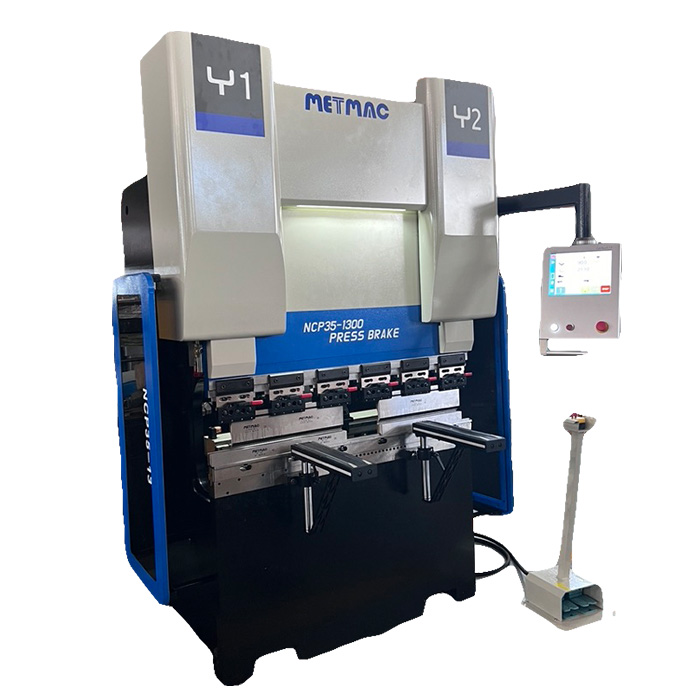
Press Metal Machine: The Definitive Guide to Precision Metal Forming
2026/03/12 -
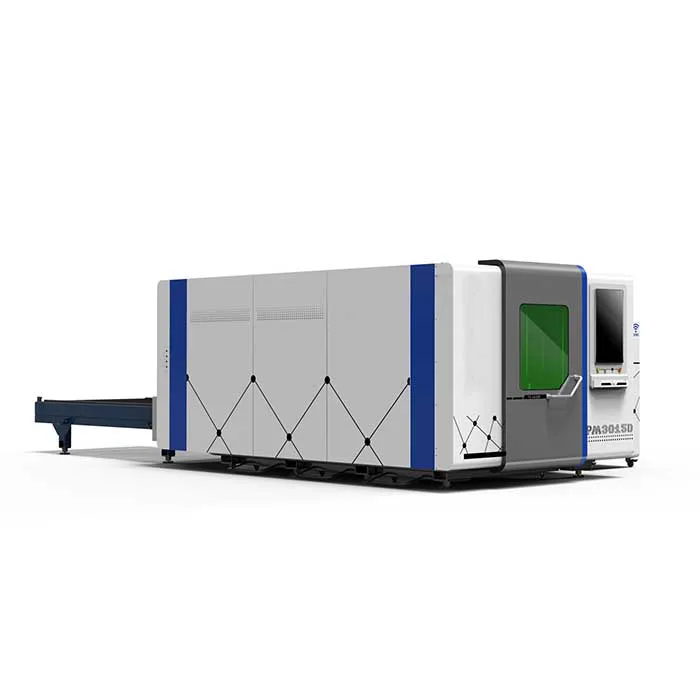
Metal Punching Machine: The Ultimate Guide to Precision Hole Punching
2026/03/10 -
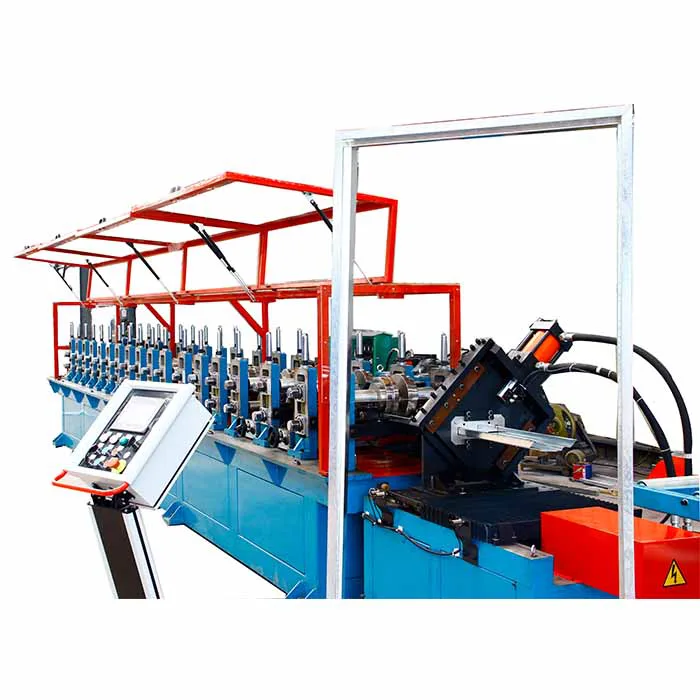
Sheet Metal Machinery: The Ultimate Guide to Industrial Fabrication Excellence
2026/03/04 -
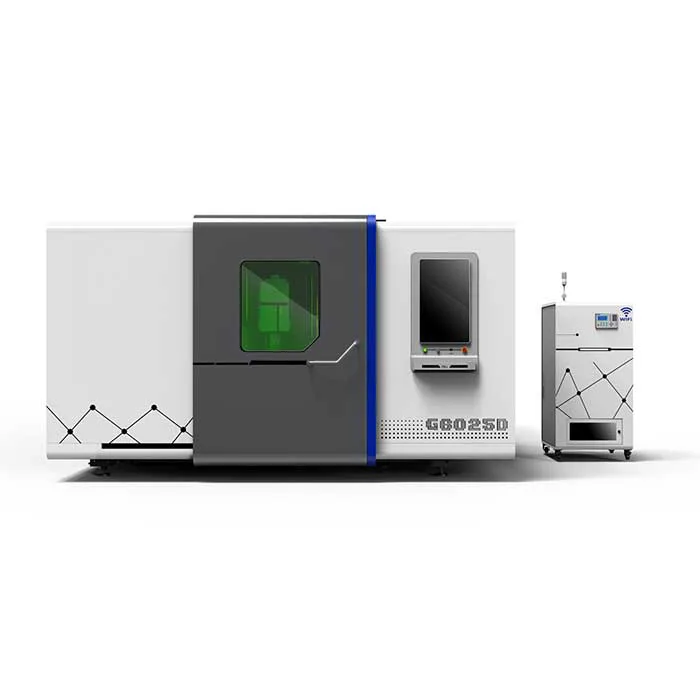
Iron Sheet Laser Cutting Machine: Unmatched Precision for Demanding Fabrication with METMAC
2026/01/06
-
Sheet Metal Press Brake: Ultimate Guide to Precision Bending Technology in 2024
2026/03/13 -
Metal Punching Machine: Ultimate Guide to Precision Manufacturing in 2024
2026/03/11 -
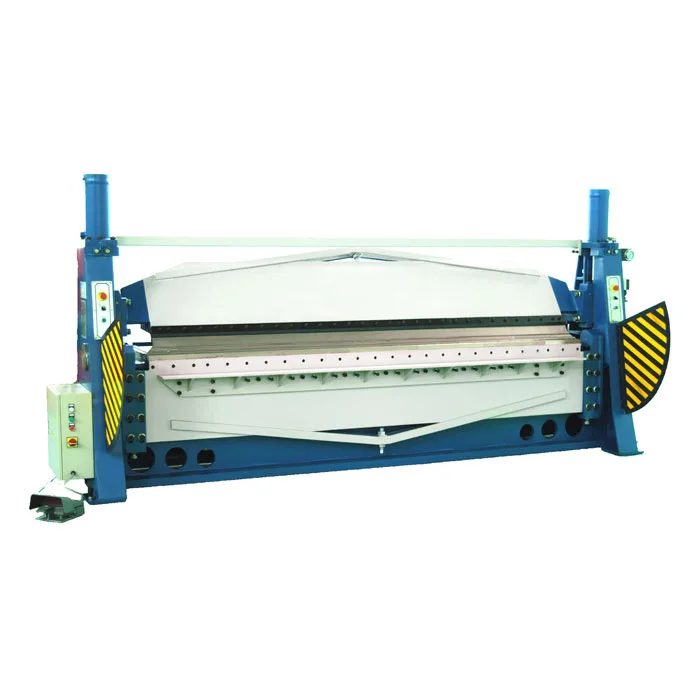
Metal Folding Machine: Comprehensive Guide to Precision Bending in 2024
2026/03/09 -
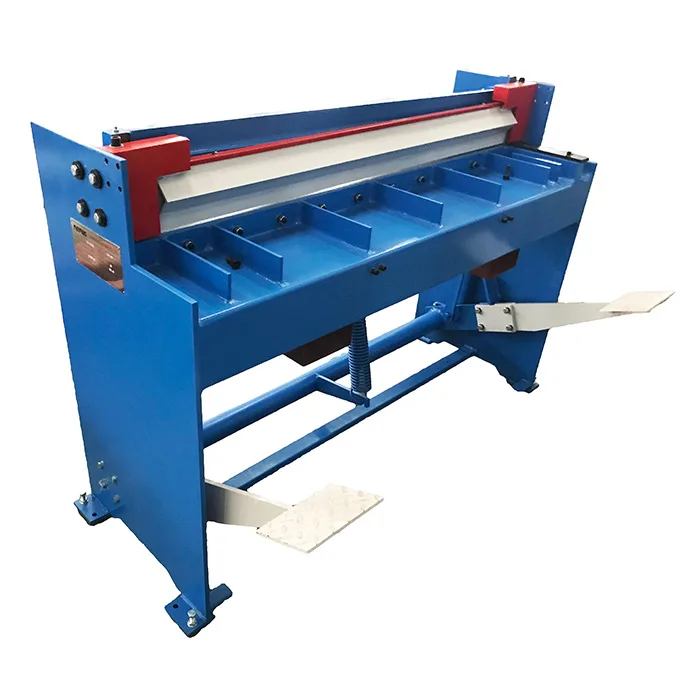
Sheet Metal Equipment: Ultimate Guide to Industrial Fabrication Solutions in 2026
2026/03/06
-
A Guide to the Latest Innovations in Sheet Metal Folding Machines
2024/11/29 -
Key Features to Consider When Investing in a Sheet Metal Folding Machine
2024/11/28 -
Enhancing Precision with Advanced Sheet Metal Folding Machines
2024/11/27 -
How to Choose the Right Sheet Metal Folding Machine for Your Workshop
2024/11/26
