


Understanding the Different Types of Tooling for Press Brakes
Understanding the Different Types of Tooling for Press Brakes: A Comprehensive Guide
Introduction
Press brakes are essential equipment in the metal fabrication industry, commonly used for bending, forming, and punching metal sheets. The tooling used in press brakes plays a crucial role in achieving precise and efficient bending operations. This article provides a comprehensive understanding of the different types of tooling for press brakes, enabling engineers and operators to select the appropriate tools for their specific applications.
Upper Punching Tooling
The upper punching tooling, also known as the ram or punch, is responsible for applying direct pressure on the metal sheet to create the desired bend. There are two primary types of upper punching tooling:
– V-type Punches: Used for sharp, acute bends, V-type punches have a V-shaped groove that fits snugly against the die.
– U-type Punches: Ideal for creating round bends, U-type punches have a U-shaped groove that allows the metal sheet to flow smoothly without tearing.
Lower Die Tooling
The lower die tooling supports the metal sheet and provides resistance to the punching force. It comes in various shapes to accommodate different bend profiles:
– Standard Dies: Available in various heights, standard dies are used for general-purpose bending operations.
– Gooseneck Dies: Feature a curved shape that allows for deeper bends, minimizing the risk of bottoming out.
– Air Bending Dies: Incorporate air pressure to support the sheet during bending, preventing it from deforming or buckling.
Bend Radius Tooling
Bend radius tooling determines the radius of the bend created in the metal sheet. There are two main types:
– Radius Punches: Consist of a rounded punch tip that creates a specific radius bend.
– Radius Dies: Match the radius of the punch tip, supporting the sheet during bending.
Custom Tooling
Custom tooling is designed to meet specific application requirements that cannot be fulfilled by standard tooling. It can include:
– Special Punches: Punches with unique shapes or geometries for complex bends.
– Segment Dies: Dies divided into sections to allow for complex bending patterns.
– Full-Length Punches: Punches that extend the full length of the press brake bed for longer bends.
Selection Considerations
When selecting press brake tooling, several factors need to be considered:
– Material Type and Thickness: The type and thickness of the metal sheet will influence the choice of punch and die materials.
– Bend Radius and Angle: The desired bend radius and angle determine the required tooling dimensions.
– Application Requirements: The specific bending operation, such as air bending or bottoming, will impact the tooling selection.
Conclusion
Understanding the different types of tooling for press brakes is essential for selecting the appropriate tools for specific bending applications. By considering the material type, bend radius, and application requirements, engineers and operators can ensure optimal performance, precision, and efficiency in their press brake operations.
-
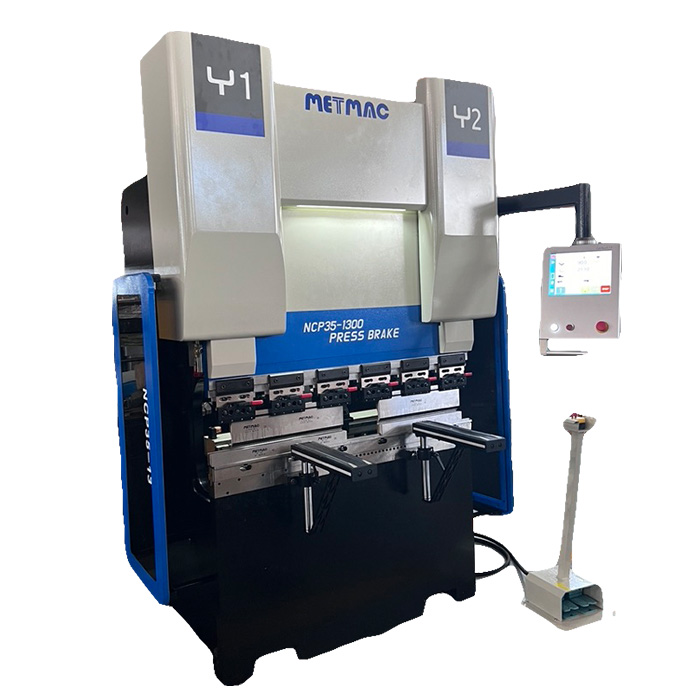
Press Metal Machine: The Definitive Guide to Precision Metal Forming
2026/03/12 -
Metal Punching Machine: The Ultimate Guide to Precision Hole Punching
2026/03/10 -
Sheet Metal Machinery: The Ultimate Guide to Industrial Fabrication Excellence
2026/03/04 -
Iron Sheet Laser Cutting Machine: Unmatched Precision for Demanding Fabrication with METMAC
2026/01/06
-
Sheet Metal Press Brake: Ultimate Guide to Precision Bending Technology in 2024
2026/03/13 -
Metal Punching Machine: Ultimate Guide to Precision Manufacturing in 2024
2026/03/11 -
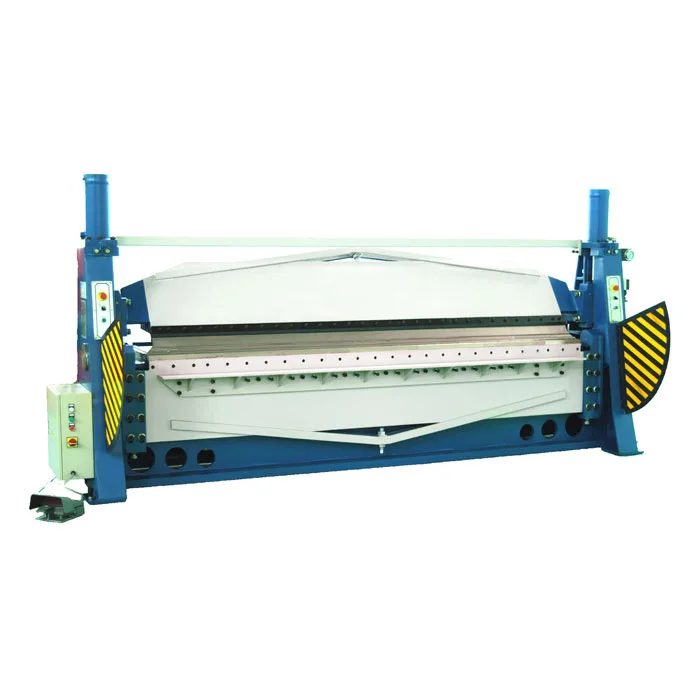
Metal Folding Machine: Comprehensive Guide to Precision Bending in 2024
2026/03/09 -
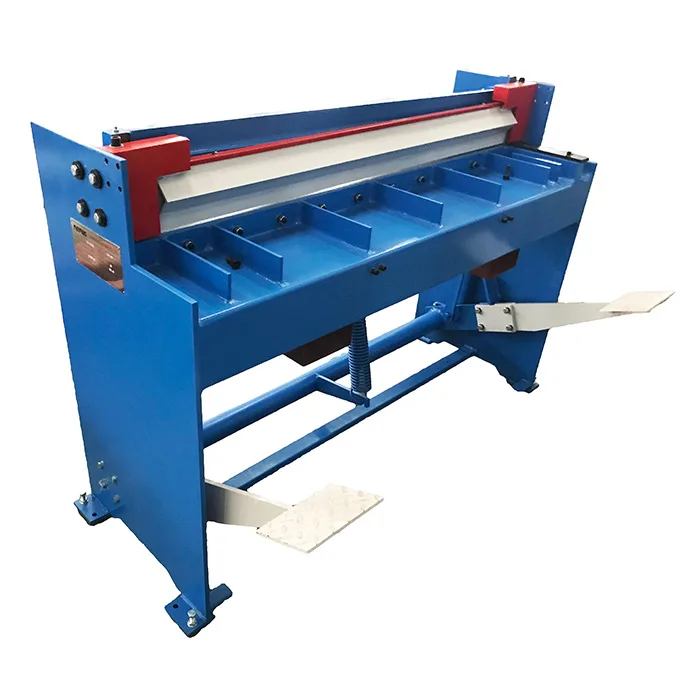
Sheet Metal Equipment: Ultimate Guide to Industrial Fabrication Solutions in 2026
2026/03/06
-
A Guide to the Latest Innovations in Sheet Metal Folding Machines
2024/11/29 -
Key Features to Consider When Investing in a Sheet Metal Folding Machine
2024/11/28 -
Enhancing Precision with Advanced Sheet Metal Folding Machines
2024/11/27 -
How to Choose the Right Sheet Metal Folding Machine for Your Workshop
2024/11/26
