

Understanding the Different Functions of Metal Sheet Machinery
Metal sheet machinery is a type of industrial equipment used to form, shape, and cut metal sheets. These machines are essential for various industries, including automotive, construction, and manufacturing. Understanding the different functions of metal sheet machinery is crucial for efficient and safe operation.
Cutting
Metal sheet machinery can perform various cutting operations, including:
– Shearing: This process involves using a sharp blade to cut a straight line along a metal sheet. Shearing machines can be manual or automated and are commonly used for precision cutting of flat sheets.
– Punching: This process involves using a punching die to create holes or shapes in a metal sheet. Punching machines are often used for mass production of parts with specific hole patterns.
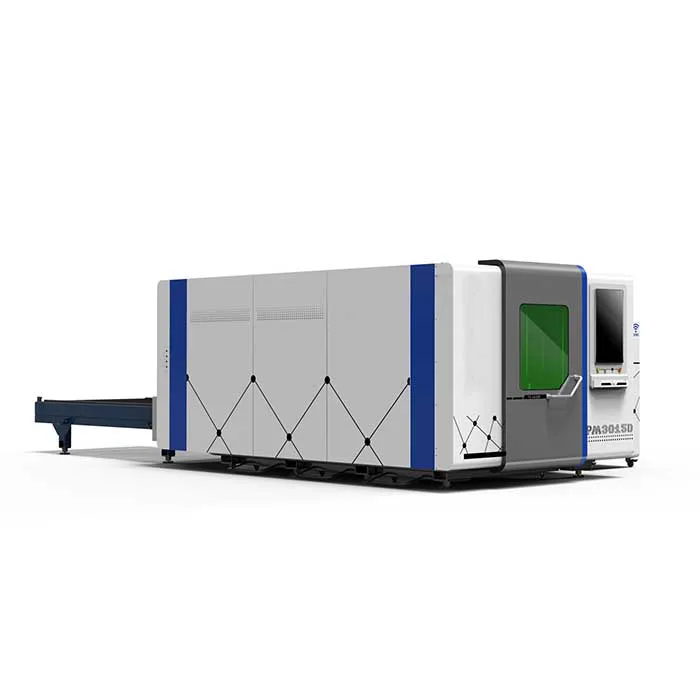
– Laser cutting: This advanced technology uses a high-powered laser beam to cut complex shapes and intricate designs into metal sheets. Laser cutting provides high precision and minimal heat distortion.
Forming
Metal sheet machinery can also be used to form and shape metal sheets into desired geometries:
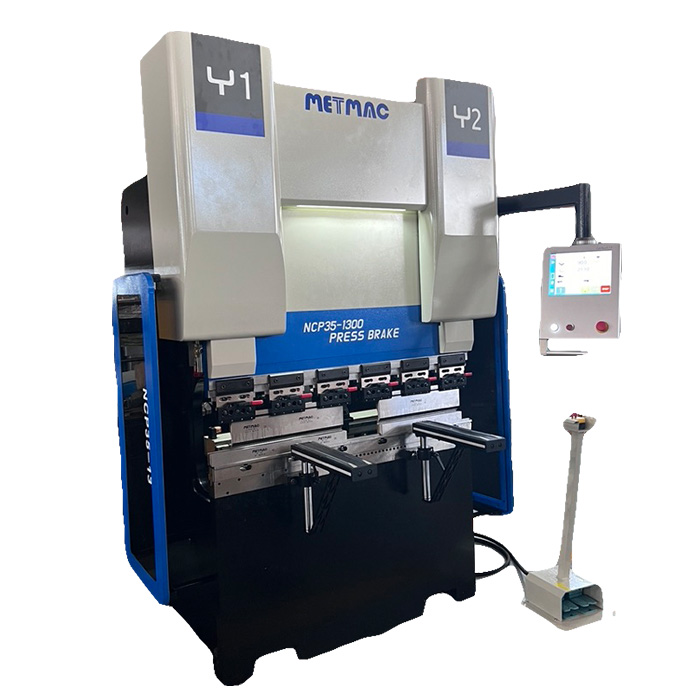
– Bending: This process involves using a brake press to bend metal sheets into specific angles. Brake presses come in various sizes and capacities, allowing for forming of large or small parts.
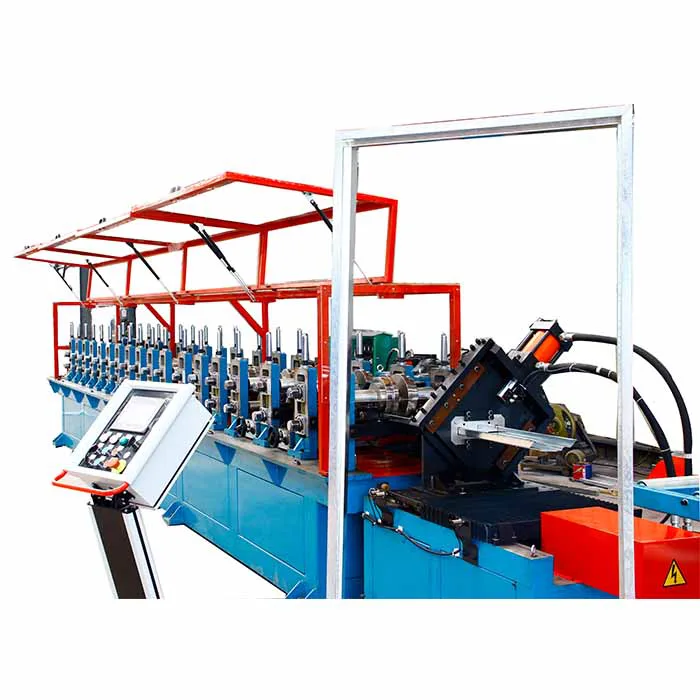
– Rolling: This process uses rollers to form metal sheets into cylindrical or conical shapes. Rolling mills are commonly used in the automotive industry for producing fenders, hoods, and other curved components.
– Stamping: This process involves using a die to press a specific shape into a metal sheet. Stamping machines are often used for mass production of complex parts with intricate features.
Joining
Metal sheet machinery can also be used to join metal sheets together:
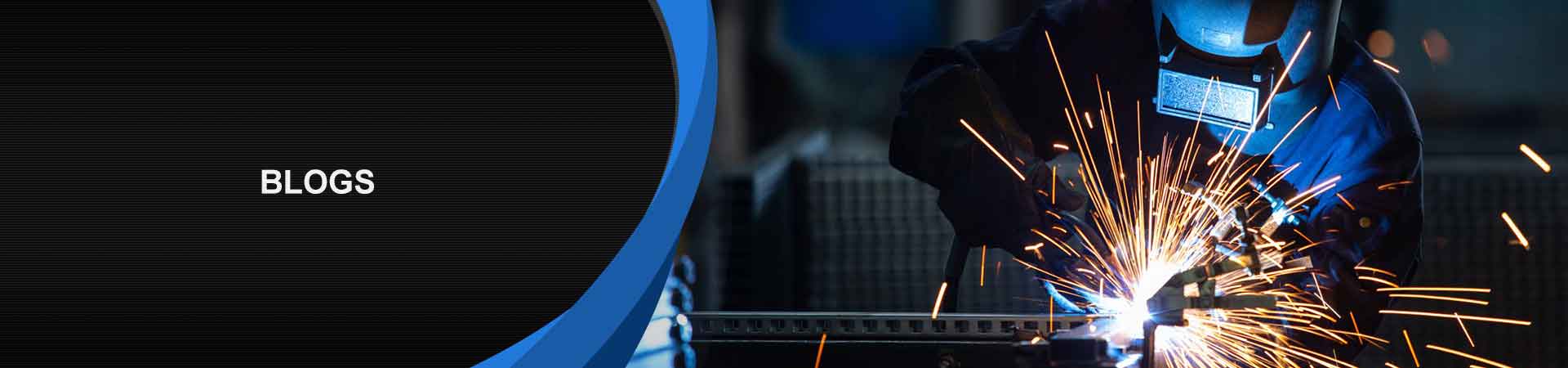
– Welding: This process involves fusing two or more metal sheets together using heat or pressure. Welding machines can be used for various welding techniques, including MIG, TIG, and spot welding.
– Riveting: This process involves using rivets to hold two or more metal sheets together. Riveting machines can be manual or automated and are commonly used for joining thin metal sheets.
Additional Functions
In addition to the core functions mentioned above, metal sheet machinery can also perform other operations:
– Finishing: Some machines can polish, brush, or grind metal sheets to achieve a desired surface finish.
– Cleaning: Other machines can be used to remove dirt, grease, or other contaminants from metal sheets before further processing.
– Automation: Many modern metal sheet machines are equipped with advanced automation features, such as CNC control, to improve efficiency and reduce labor costs.
Understanding the different functions of metal sheet machinery is essential for selecting the right equipment for specific applications. By choosing the appropriate machine based on its capabilities and limitations, businesses can optimize their metalworking processes, enhance productivity, and ensure safety in the workplace.
-
Press Metal Machine: The Definitive Guide to Precision Metal Forming
2026/03/12 -
Metal Punching Machine: The Ultimate Guide to Precision Hole Punching
2026/03/10 -
Sheet Metal Machinery: The Ultimate Guide to Industrial Fabrication Excellence
2026/03/04 -
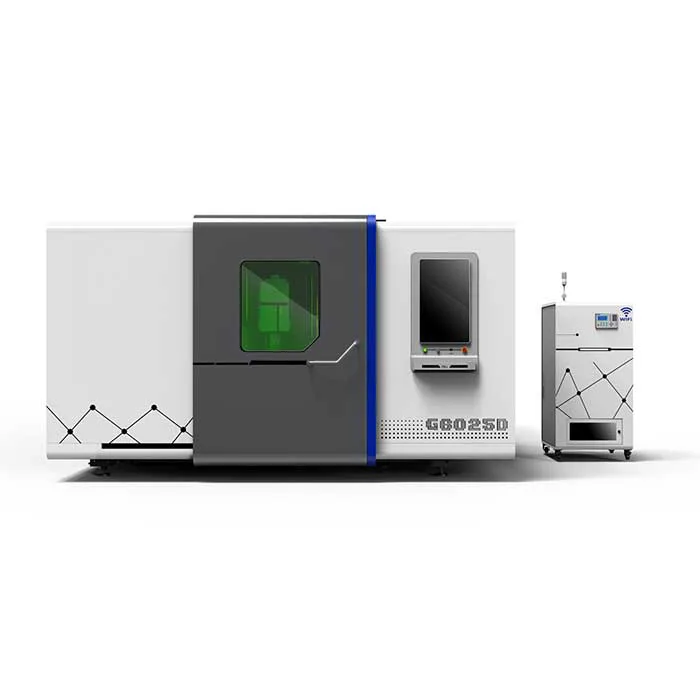
Iron Sheet Laser Cutting Machine: Unmatched Precision for Demanding Fabrication with METMAC
2026/01/06
-
Sheet Metal Press Brake: Ultimate Guide to Precision Bending Technology in 2024
2026/03/13 -
Metal Punching Machine: Ultimate Guide to Precision Manufacturing in 2024
2026/03/11 -
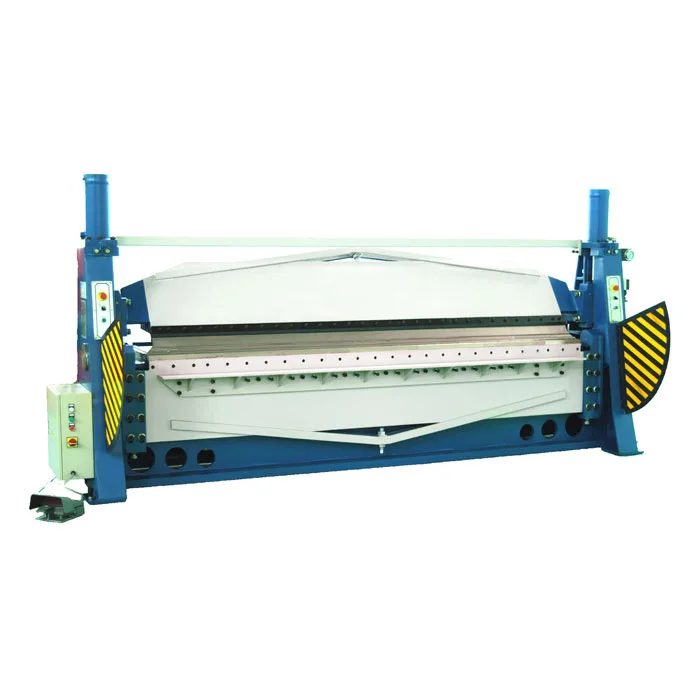
Metal Folding Machine: Comprehensive Guide to Precision Bending in 2024
2026/03/09 -
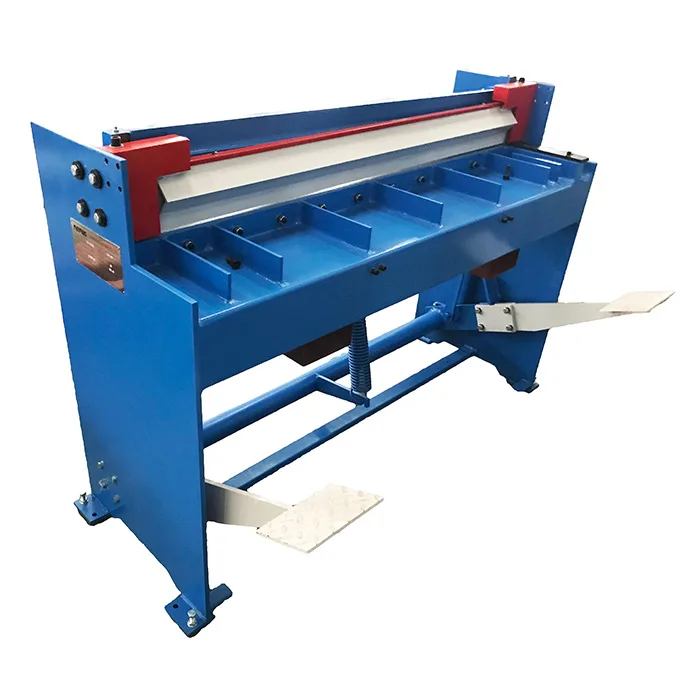
Sheet Metal Equipment: Ultimate Guide to Industrial Fabrication Solutions in 2026
2026/03/06
-
A Guide to the Latest Innovations in Sheet Metal Folding Machines
2024/11/29 -
Key Features to Consider When Investing in a Sheet Metal Folding Machine
2024/11/28 -
Enhancing Precision with Advanced Sheet Metal Folding Machines
2024/11/27 -
How to Choose the Right Sheet Metal Folding Machine for Your Workshop
2024/11/26
