


Troubleshooting Common Issues with Sheet Metal Shearing Machines
Sheet metal shearing machines are essential tools in metalworking industries. They are used to cut sheet metal into various shapes and sizes. However, like any machinery, sheet metal shearing machines can encounter issues that may affect their performance and productivity. This article delves into the common problems associated with sheet metal shearing machines and provides troubleshooting steps to resolve them.
Incorrect Cutting Angle
One of the most common issues with sheet metal shearing machines is incorrect cutting angles. This can result in uneven or distorted cuts. The reason for this problem could be:
Improper blade alignment:
The blades may not be aligned properly, causing them to cut at an angle.
Worn or damaged blades:
Dull or chipped blades can cause the metal to tear rather than cut, resulting in incorrect angles.
Excessive clearance between blades:
Too much clearance between the blades can allow the metal to shift during cutting, leading to angled cuts.
Burrs or Rough Edges
Burrs or rough edges on the cut sheet metal can indicate issues with the shearing process. The causes of this problem include:
Improper blade sharpness:
Dull or worn blades will struggle to cut cleanly, leaving burrs or splinters on the edges.
Incorrect shear speed:
Cutting at an inappropriate speed can cause the metal to tear or break, resulting in rough edges.
Inaccurate clearance:
Insufficient clearance between the blades can cause the metal to be deformed during cutting, leading to burrs or rough edges.
Machine Vibration
Excessive vibration in the sheet metal shearing machine can be a sign of underlying problems. Possible causes include:
Unbalanced blades:
Misaligned or unbalanced blades can introduce vibrations into the system.
Loose components:
Loose bolts, nuts, or other components can contribute to vibration.
Mechanical wear and tear:
As the machine ages, components may become worn or damaged, causing vibration.
Poor Cut Quality
If the cut quality is poor, with uneven cuts or misalignment, the following factors may be the problem:
Inadequate lubrication:
Insufficient lubrication can lead to friction and premature wear of the blades, resulting in poor cut quality.
Incorrect blade geometry:
The blade’s bevel angle, rake angle, and relief angle should be optimized for the material being cut.
Contamination:
Dirt, grease, or other contaminants on the blades or workpiece can affect cut quality.
-
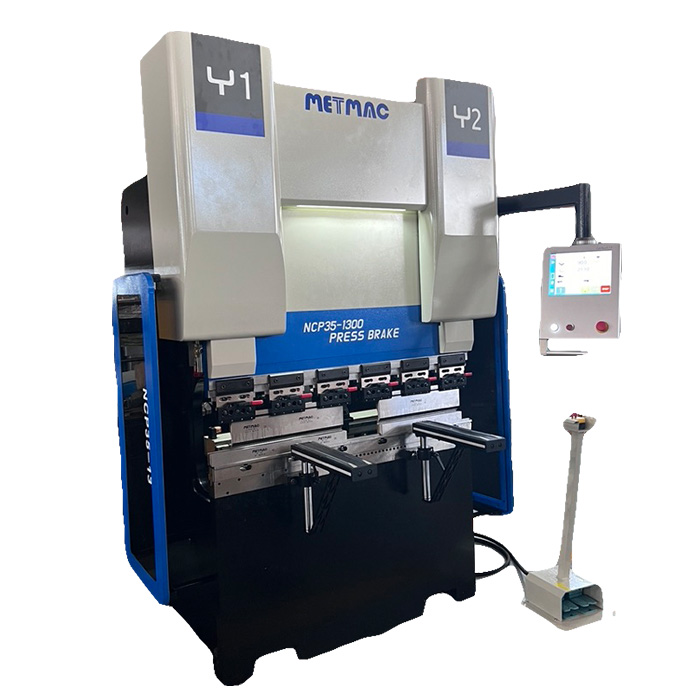
Press Metal Machine: The Definitive Guide to Precision Metal Forming
2026/03/12 -
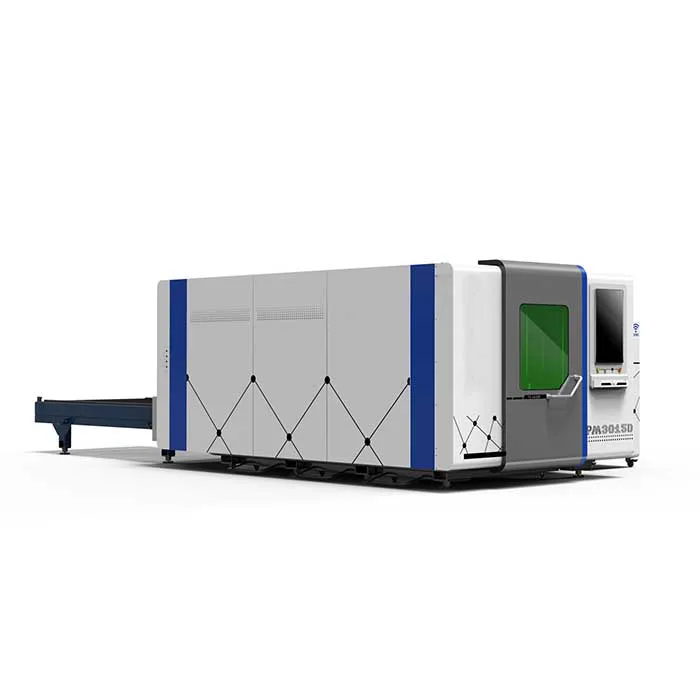
Metal Punching Machine: The Ultimate Guide to Precision Hole Punching
2026/03/10 -
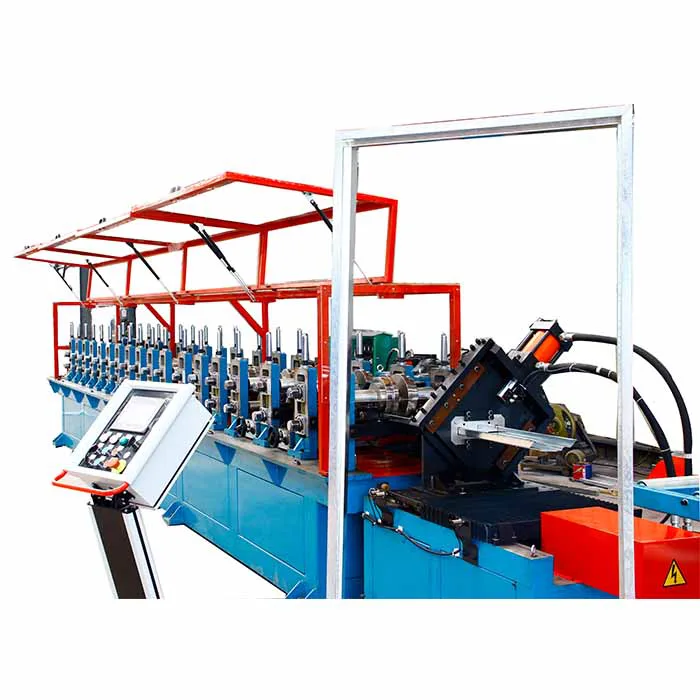
Sheet Metal Machinery: The Ultimate Guide to Industrial Fabrication Excellence
2026/03/04 -
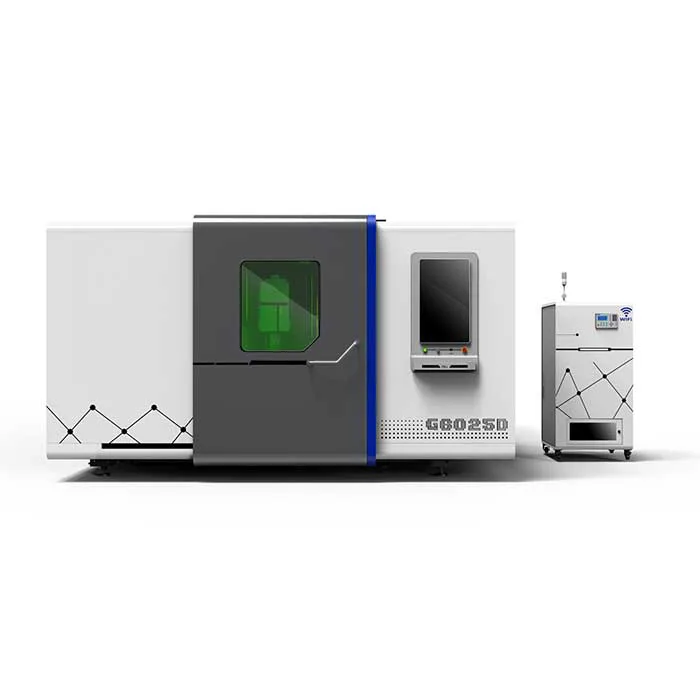
Iron Sheet Laser Cutting Machine: Unmatched Precision for Demanding Fabrication with METMAC
2026/01/06
-
Sheet Metal Press Brake: Ultimate Guide to Precision Bending Technology in 2024
2026/03/13 -
Metal Punching Machine: Ultimate Guide to Precision Manufacturing in 2024
2026/03/11 -
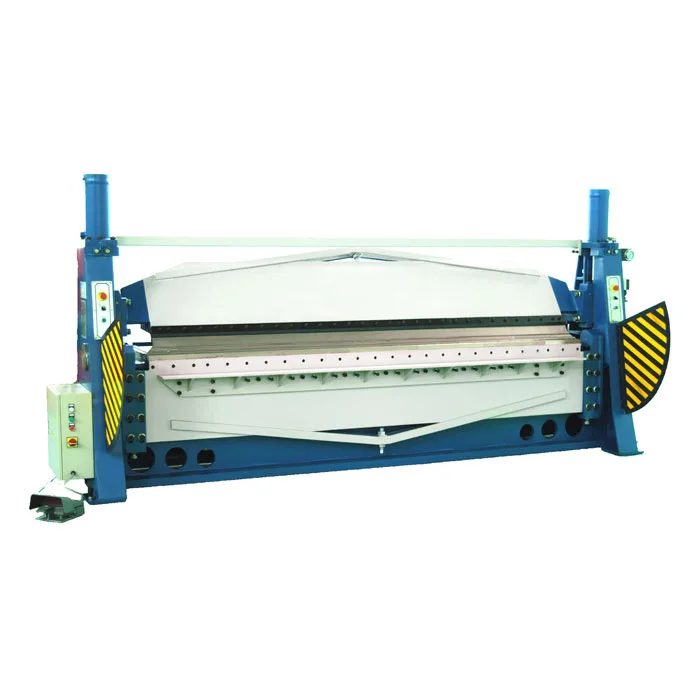
Metal Folding Machine: Comprehensive Guide to Precision Bending in 2024
2026/03/09 -
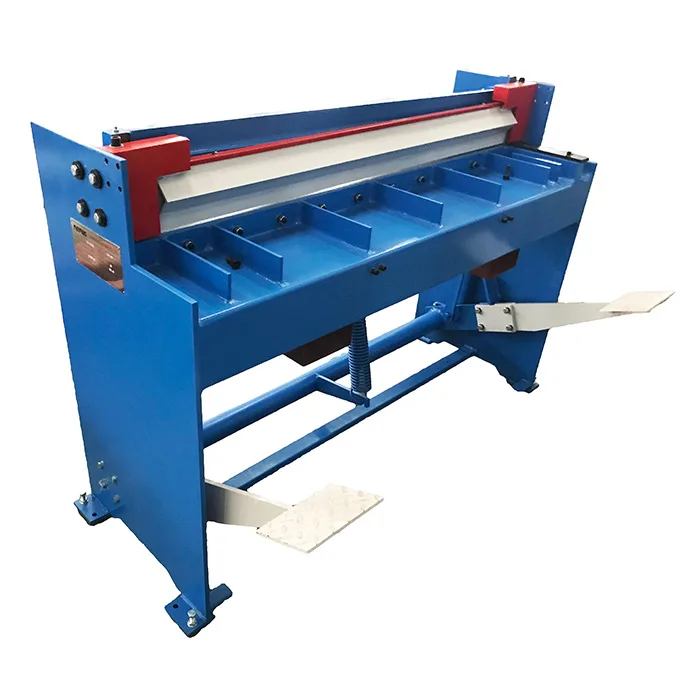
Sheet Metal Equipment: Ultimate Guide to Industrial Fabrication Solutions in 2026
2026/03/06
-
A Guide to the Latest Innovations in Sheet Metal Folding Machines
2024/11/29 -
Key Features to Consider When Investing in a Sheet Metal Folding Machine
2024/11/28 -
Enhancing Precision with Advanced Sheet Metal Folding Machines
2024/11/27 -
How to Choose the Right Sheet Metal Folding Machine for Your Workshop
2024/11/26
