


Troubleshooting Common Issues with Sheet Metal Bending Machines
In the realm of sheet metal fabrication, precision and efficiency reign supreme. Bending machines play a pivotal role in shaping metal into intricate forms, but like any mechanical marvel, they can encounter hiccups along the way. From gaping imperfections to unsightly cracks, troubleshooting these common issues is crucial for maintaining optimal machine performance and ensuring the integrity of your finished products.
1. Inconsistent Bending Angles
Variations in bending angles can stem from a multitude of factors. Check the machine’s calibration, as even slight misalignments can lead to uneven bending. Inspect the tooling for wear or damage, as worn dies can result in imprecise angle formation. Additionally, fluctuations in material thickness or inconsistent material hardness can contribute to angle discrepancies.
2. Surface Scratches or Marks
Witness marks on bent surfaces can be caused by surface contamination or improper tooling selection. Clean the material thoroughly before bending to remove any debris. Ensure that the tooling matches the material thickness and type to prevent excessive pressure or slipping, which can leave unsightly scratches.
3. Material Cracking
Cracks in bent sheet metal are a serious concern that can compromise the strength and aesthetics of your products. This can occur due to excessive bending stress or improper bend radius. Experiment with different bend angles and radiuses to find the optimal settings for the material being used. Additionally, pre-annealing the material can increase its ductility and reduce the risk of cracking.
4. Tooling Misalignment
Proper alignment of the tooling is essential for accurate bending. Realign the dies and make sure they are parallel to each other to ensure even distribution of force and prevent bending irregularities. This can be done by adjusting the machine’s settings or using alignment fixtures.
5. Machine Malfunctions
Occasionally, bending machines may encounter more severe malfunctions. These can range from hydraulic leaks to electrical failures. In such cases, it is crucial to consult the manufacturer’s instructions or contact a qualified technician for prompt troubleshooting and repair.
By addressing these common issues, you can restore your sheet metal bending machine to optimal performance, ensuring the precision and quality of your finished products. These troubleshooting tips will empower you to maximize your machine’s capabilities and minimize downtime, ensuring a seamless and efficient workflow.
-
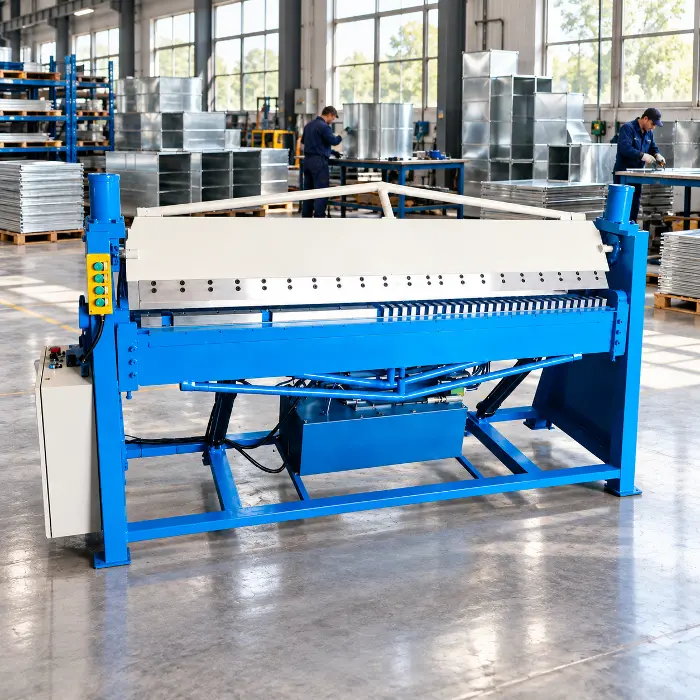
Choosing HVAC Duct Folding Machines for Flange-Safe Bending
2026/10/13 -
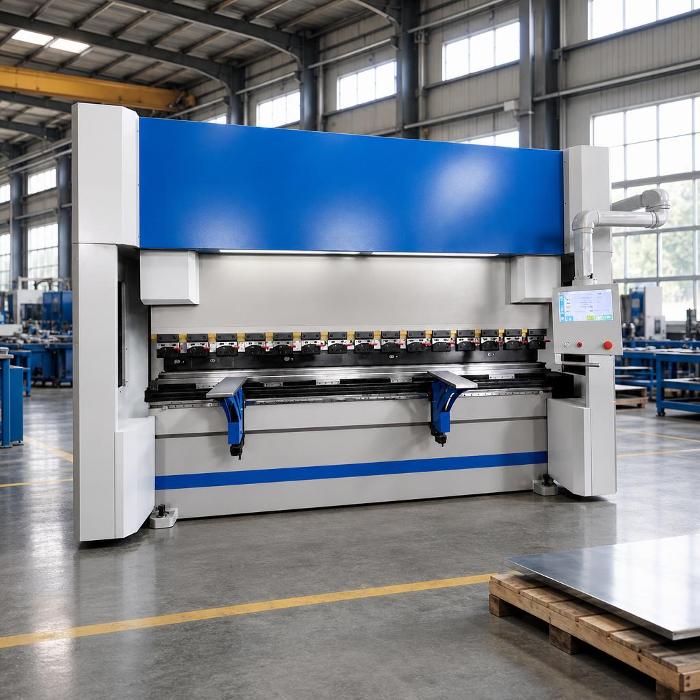
Precision Metal Forming Machines: What Separates Accurate Bends From Scrapped Sheet
2026/10/12 -
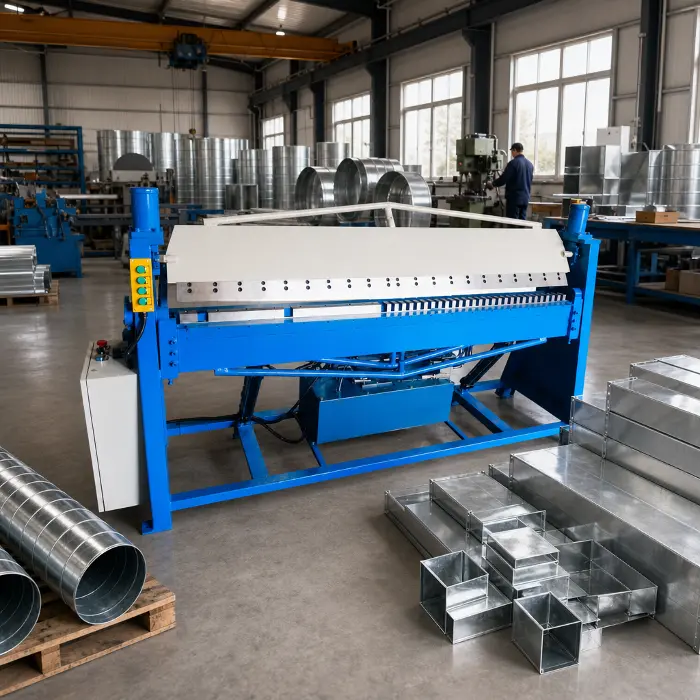
What to Look for in an HVAC Folding Machine Manufacturer
2026/10/11 -
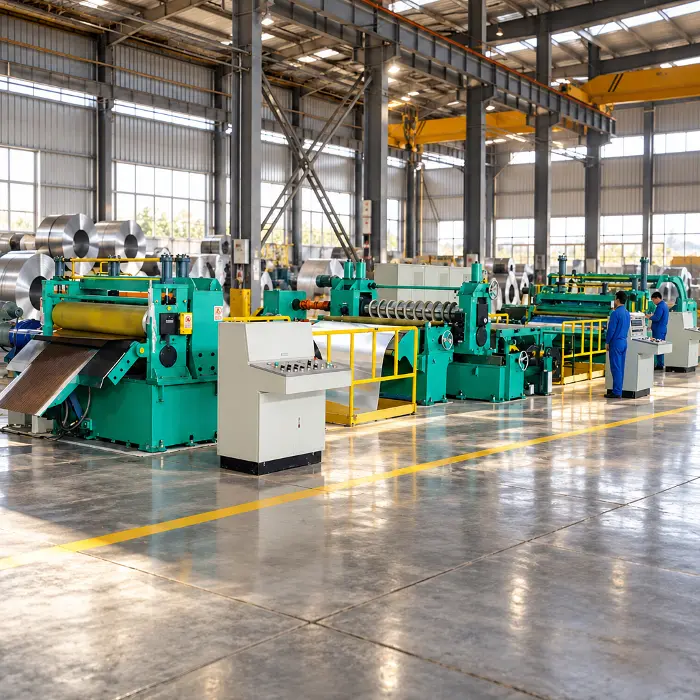
Steel Strip Cutting Machine: Engineering Precision in Modern Metal Processing
2026/10/10
-
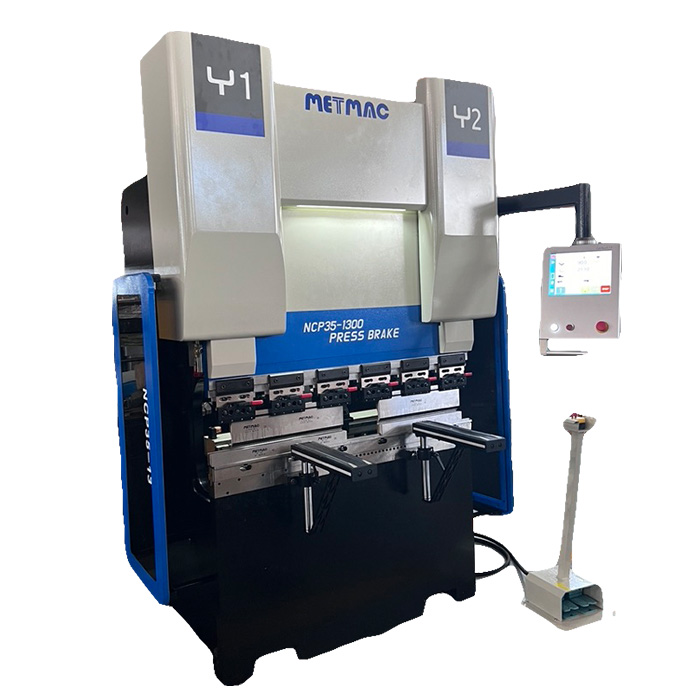
Sheet Metal Press Brake: Ultimate Guide to Precision Bending Technology in 2024
2026/03/13 -
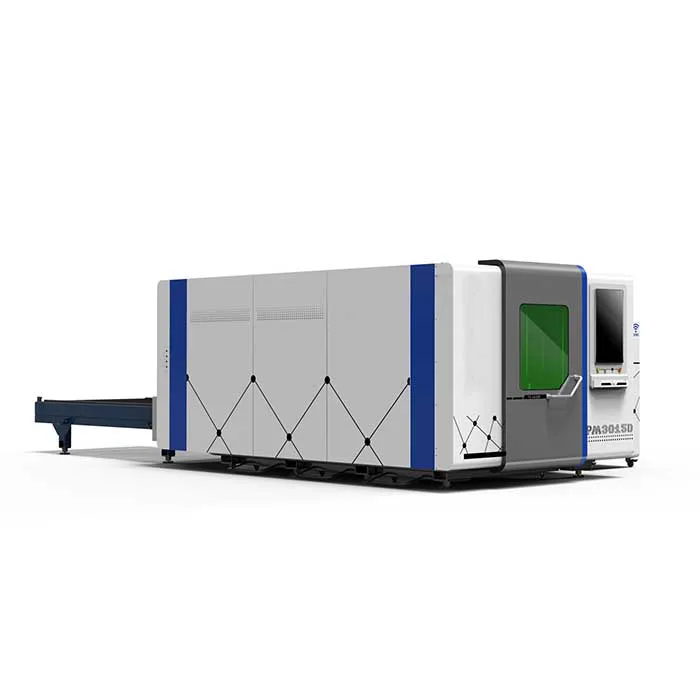
Metal Punching Machine: Ultimate Guide to Precision Manufacturing in 2024
2026/03/11 -
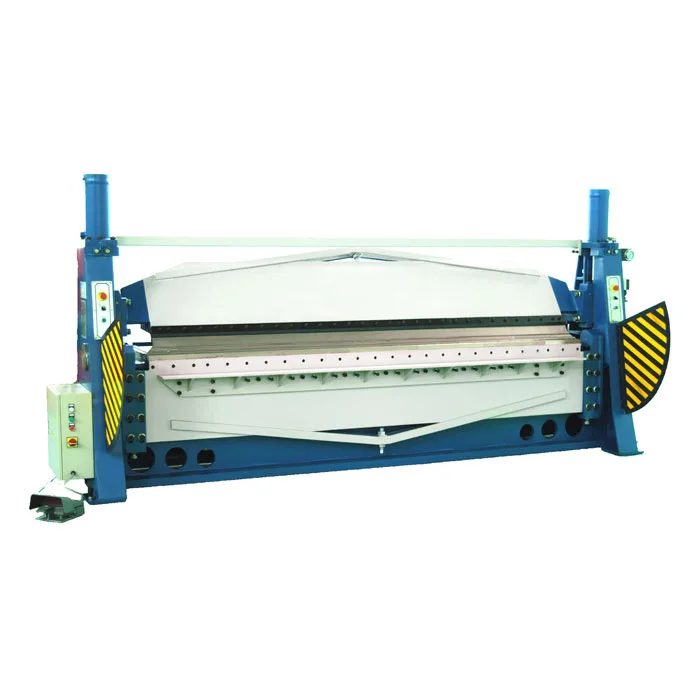
Metal Folding Machine: Comprehensive Guide to Precision Bending in 2024
2026/03/09 -
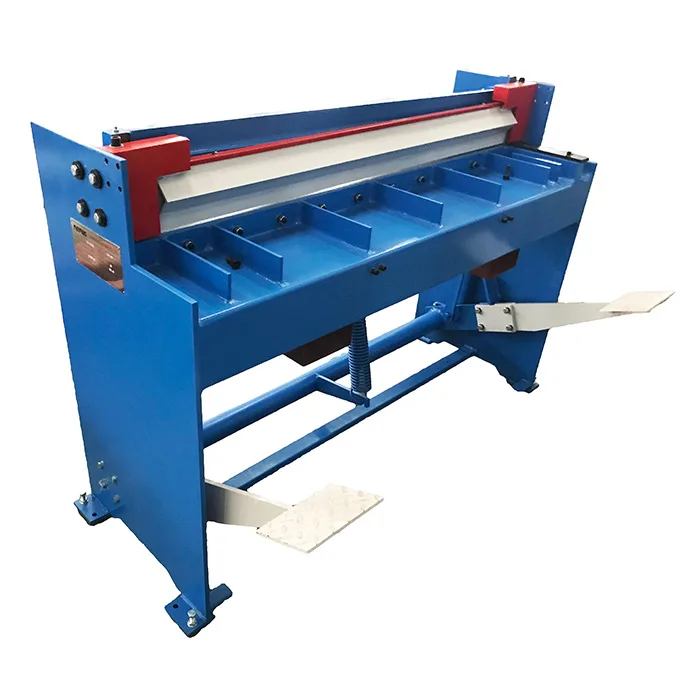
Sheet Metal Equipment: Ultimate Guide to Industrial Fabrication Solutions in 2026
2026/03/06
-
A Guide to the Latest Innovations in Sheet Metal Folding Machines
2024/11/29 -
Key Features to Consider When Investing in a Sheet Metal Folding Machine
2024/11/28 -
Enhancing Precision with Advanced Sheet Metal Folding Machines
2024/11/27 -
How to Choose the Right Sheet Metal Folding Machine for Your Workshop
2024/11/26
