


Troubleshooting Common Issues with Metal Sheet Press Brakes
Troubleshooting Common Issues with Metal Sheet Press Brakes: Resolving the Puzzle of Sheet Metal Bending
In the realm of metalworking, press brakes reign supreme as the masters of precision sheet metal bending. However, even these formidable machines are not immune to the occasional hiccup. Troubleshooting press brake issues can be akin to solving a complex puzzle, where identifying the root cause and implementing effective solutions is paramount.
Common Pitfalls and Their Antidotes
1. Inconsistent Bend Angle: Variations in bend angles can be caused by factors such as uneven clamping, misaligned tooling, or worn-out components. Resolving this issue requires a meticulous check of the machine’s settings, proper lubrication of moving parts, and regular replacement of worn tooling.
2. Scratches or Marks on Sheet Metal: Imperfections on the sheet metal’s surface can be attributed to dirt or debris accumulation, improper tool selection, or excessive pressure. To prevent these unsightly flaws, ensure the machine is clean, use the appropriate tools for the material and thickness being bent, and adjust the pressure accordingly.
3. Springback After Bending: When sheet metal bounces back after being bent, it indicates a mismatch between the material’s yield strength and the bending force. To mitigate springback, consider using higher-strength materials, increasing the bending angle, or applying a counter-bend to offset the elastic deformation.
4. Die Scratching: Deep grooves or scratches on the material’s surface during bending are usually caused by improper alignment of the dies. Adjust the die position or replace damaged ones to eliminate this problem.
5. Material Tearing: Excessive force or improper tool selection can lead to tears in the sheet metal. Determine the optimal force setting and verify that the tooling is designed for the material’s thickness and strength.
Preventive Measures for Uninterrupted Performance
To minimize press brake issues and ensure optimal performance, implement a proactive maintenance regimen. This includes regular cleaning and lubrication, component inspections, and calibration of the machine. Additionally, educating operators on proper machine usage and providing them with appropriate tooling can significantly reduce the likelihood of costly breakdowns.
Conclusion
Addressing common issues with metal sheet press brakes requires a methodical approach, where identifying the underlying cause and applying targeted solutions is essential. By implementing troubleshooting techniques and adhering to preventive measures, manufacturers can minimize downtime, improve product quality, and ensure the seamless operation of their press brake machinery.
-
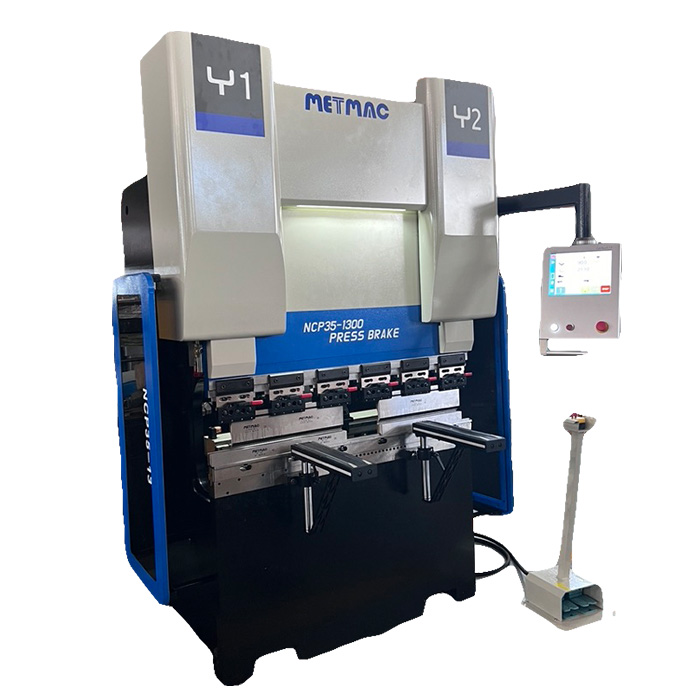
Press Metal Machine: The Definitive Guide to Precision Metal Forming
2026/03/12 -
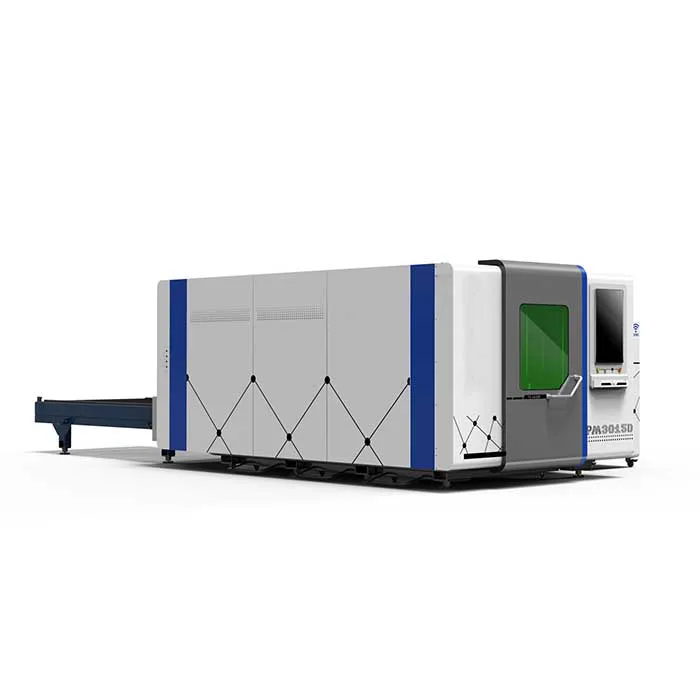
Metal Punching Machine: The Ultimate Guide to Precision Hole Punching
2026/03/10 -
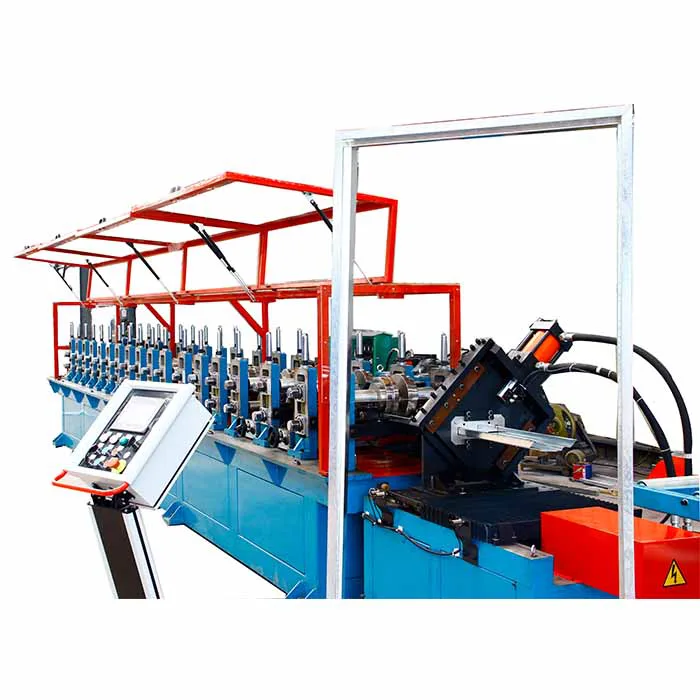
Sheet Metal Machinery: The Ultimate Guide to Industrial Fabrication Excellence
2026/03/04 -

Iron Sheet Laser Cutting Machine: Unmatched Precision for Demanding Fabrication with METMAC
2026/01/06
-
Sheet Metal Press Brake: Ultimate Guide to Precision Bending Technology in 2024
2026/03/13 -
Metal Punching Machine: Ultimate Guide to Precision Manufacturing in 2024
2026/03/11 -
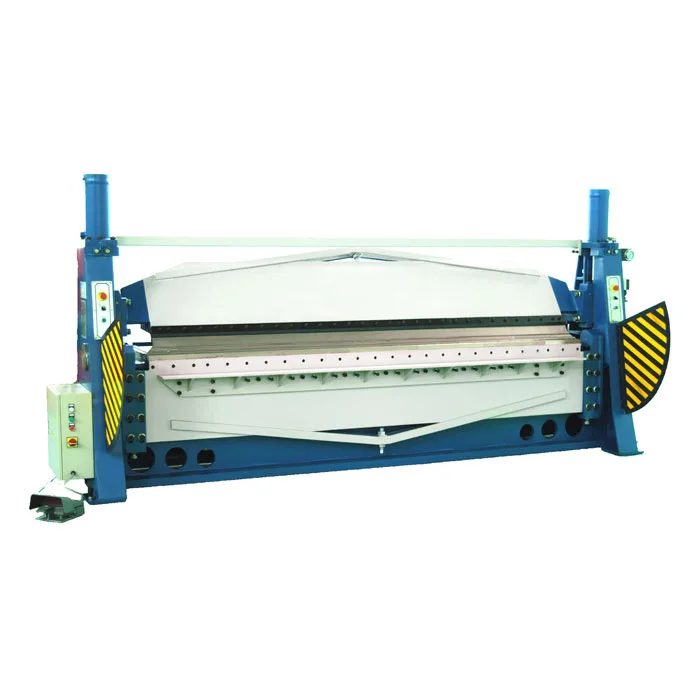
Metal Folding Machine: Comprehensive Guide to Precision Bending in 2024
2026/03/09 -
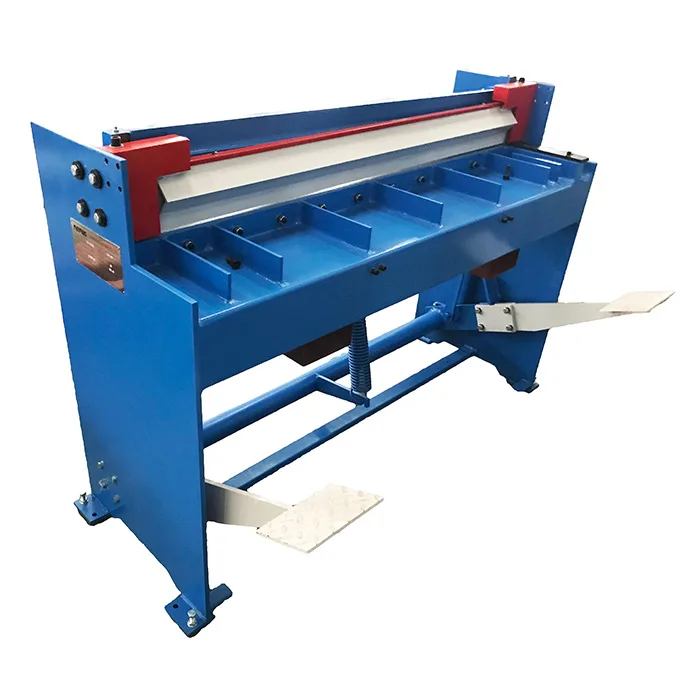
Sheet Metal Equipment: Ultimate Guide to Industrial Fabrication Solutions in 2026
2026/03/06
-
A Guide to the Latest Innovations in Sheet Metal Folding Machines
2024/11/29 -
Key Features to Consider When Investing in a Sheet Metal Folding Machine
2024/11/28 -
Enhancing Precision with Advanced Sheet Metal Folding Machines
2024/11/27 -
How to Choose the Right Sheet Metal Folding Machine for Your Workshop
2024/11/26
