

Troubleshooting Common Issues with Metal Plate Rolling Machines
Troubleshooting Common Issues with Metal Plate Rolling Machines: A Comprehensive Guide
Metal plate rolling machines are versatile and powerful tools used in various industrial applications. However, like any equipment, they can encounter occasional issues that hinder productivity and efficiency. This article delves into the labyrinth of common problems associated with metal plate rolling machines and offers pragmatic solutions to restore their seamless operation.
1. Excessive Vibration During Rolling:
This unnerving symptom can indicate worn or loose bearings. Promptly inspect and replace these critical components to minimize vibration and prevent further damage to the machine.
2. Uneven Rolling or Bowing:
Uneven rolling or bowing arises when the rollers are not aligned correctly or exhibit varying diameters. Meticulously calibrate the rollers to ensure their parallelism and equal size.
3. Insufficient Bending Force:
A shortfall in bending force is often attributed to hydraulic pressure issues. Check the hydraulic system thoroughly, including the pump, valves, and lines, to identify and rectify any leaks or blockages.
4. Material Tearing or Slipping:
Tearing or slipping occurs when the material being rolled exceeds the machine’s capacity or slips due to inadequate grip. Ensure that the material is within the machine’s specified capacity and employ anti-skid measures to enhance traction.
5. Roller Markings on the Material:
Roller marks are unsightly indentations caused by excessive pressure or worn rollers. Adjust the rolling pressure appropriately and replace worn rollers to eliminate these imperfections.
6. Premature Roller Wear:
Premature roller wear can stem from various factors, including improper lubrication, misalignment, or using the wrong roller material for the specific application. Adhere to the manufacturer’s lubrication recommendations, verify alignment, and ensure the rollers are suited to the material being rolled.
7. Hydraulic Oil Leakage:
Hydraulic oil leakage poses safety and environmental concerns. Thoroughly inspect all hydraulic connections, hoses, and seals for damage or looseness. Tighten loose connections and replace faulty components promptly.
8. Electrical Faults:
Electrical faults can manifest in various forms, such as power outages, erratic behavior, or component failures. Consult the machine’s electrical schematics to identify and resolve any electrical issues.
By understanding and addressing these common problems, you can optimize the performance and longevity of your metal plate rolling machine. Remember to prioritize regular maintenance, proper lubrication, and adhering to the manufacturer’s guidelines to ensure seamless operation and minimize downtime.
-
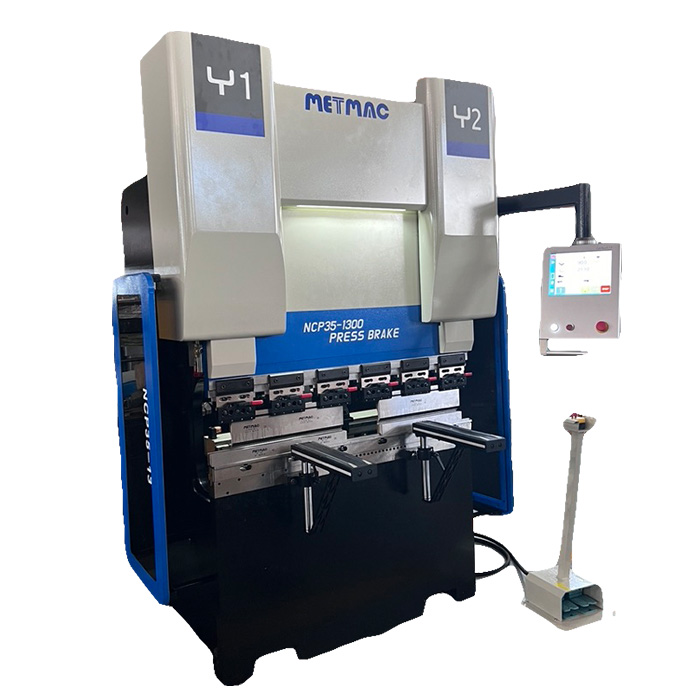
Press Metal Machine: The Definitive Guide to Precision Metal Forming
2026/03/12 -
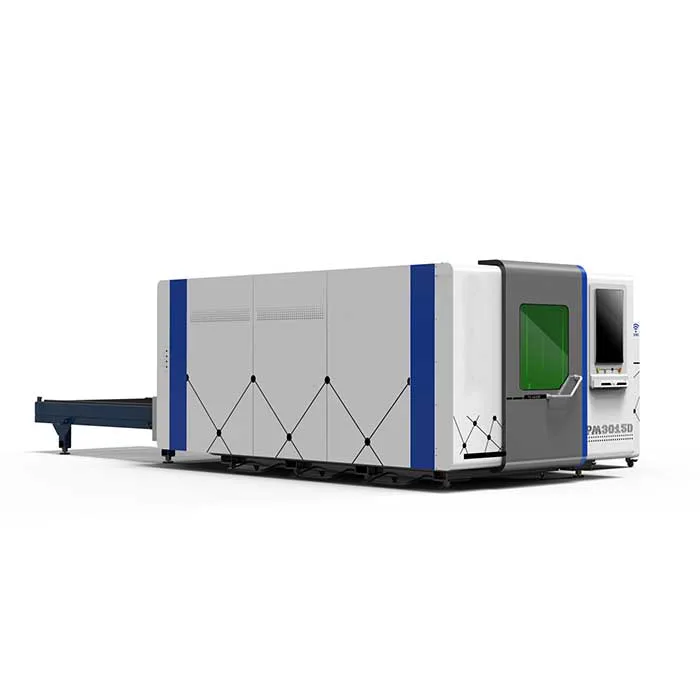
Metal Punching Machine: The Ultimate Guide to Precision Hole Punching
2026/03/10 -
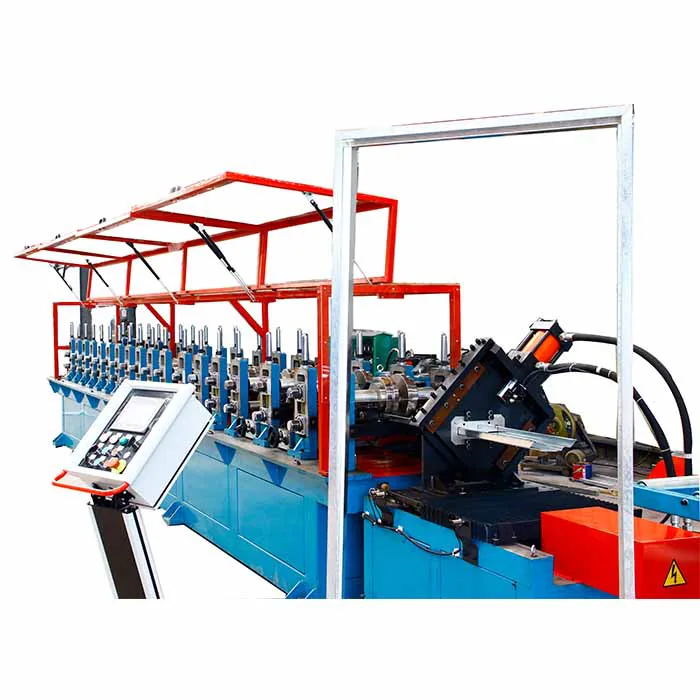
Sheet Metal Machinery: The Ultimate Guide to Industrial Fabrication Excellence
2026/03/04 -
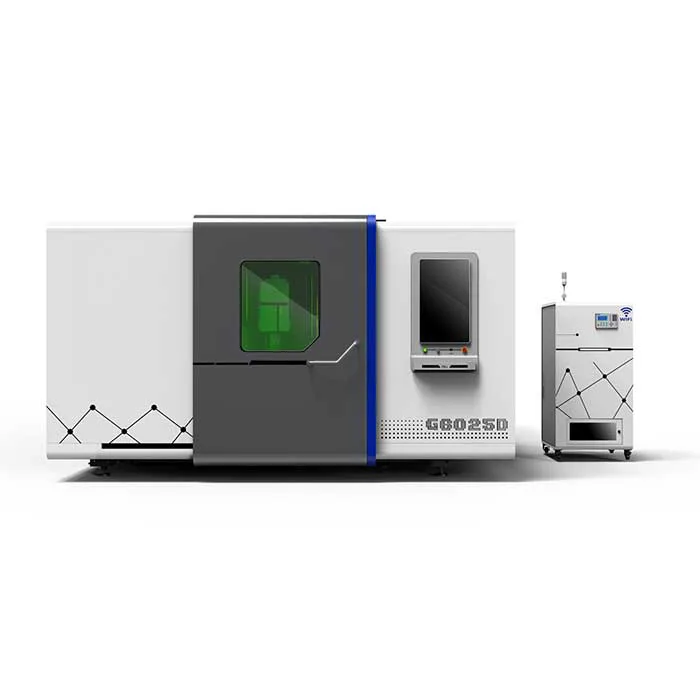
Iron Sheet Laser Cutting Machine: Unmatched Precision for Demanding Fabrication with METMAC
2026/01/06
-
Sheet Metal Press Brake: Ultimate Guide to Precision Bending Technology in 2024
2026/03/13 -
Metal Punching Machine: Ultimate Guide to Precision Manufacturing in 2024
2026/03/11 -
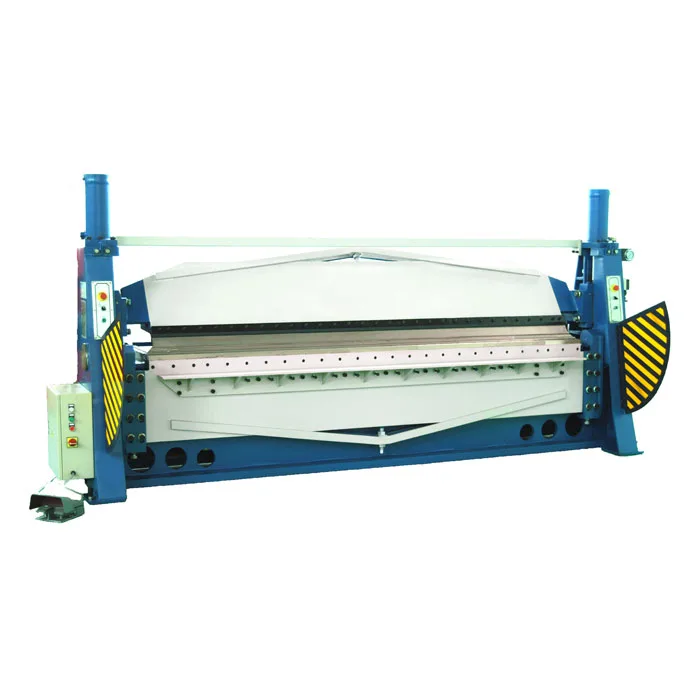
Metal Folding Machine: Comprehensive Guide to Precision Bending in 2024
2026/03/09 -
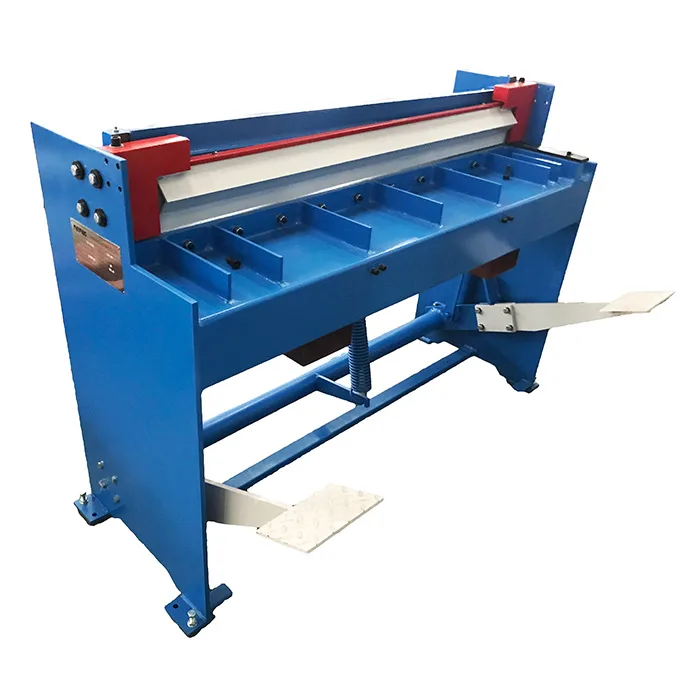
Sheet Metal Equipment: Ultimate Guide to Industrial Fabrication Solutions in 2026
2026/03/06
-
A Guide to the Latest Innovations in Sheet Metal Folding Machines
2024/11/29 -
Key Features to Consider When Investing in a Sheet Metal Folding Machine
2024/11/28 -
Enhancing Precision with Advanced Sheet Metal Folding Machines
2024/11/27 -
How to Choose the Right Sheet Metal Folding Machine for Your Workshop
2024/11/26
