


Troubleshooting Common Issues- Diagnose and Fix Plate Bending Problems
Plate bending is a critical process in various industries, including shipbuilding, automotive, and aerospace. However, it can sometimes encounter issues that hinder its precision and efficiency. This article delves into common plate bending problems and provides comprehensive troubleshooting steps to diagnose and resolve them.
Common Plate Bending Problems
Plate bending problems can manifest in several ways, such as:
Springback: Incomplete bending resulting in the plate springing back to its original shape after release from the bending machine.
Plastic deformation: Excessive bending force causing permanent deformation or cracks in the plate.
Residual stresses: Internal stresses within the plate due to uneven heating or cooling, leading to potential warping or cracking.
Surface defects: Scratches, dents, or other surface imperfections caused by improper handling or tooling.
Troubleshooting Steps
To effectively diagnose and fix plate bending problems, follow these steps:
Inspection and Analysis
Visually inspect the plate for any surface defects, such as scratches or cracks.
Measure the plate’s thickness and compare it to the desired specifications.
Check the bending machine’s settings, including the bending angle, force, and temperature.
Equipment Calibration
Calibrate the bending machine regularly to ensure accurate bending angles and force measurements.
Use a micrometer or profilometer to verify the plate’s thickness and bending radii.
Check the temperature sensors and adjust the heating or cooling system accordingly.
Material Considerations
Verify that the plate material is suitable for bending and meets the required specifications.
Consider the material’s thickness, yield strength, and elongation properties.
Consult with the material supplier for specific bending recommendations.
Bending Process Optimization
Adjust the bending speed and pressure to minimize springback and plastic deformation.
Introduce pre-bending or over-bending techniques to reduce residual stresses.
Consider using tooling that matches the plate’s shape and thickness.
Maintenance and Troubleshooting
Inspect the bending machine regularly for wear and tear. Replace damaged or worn components promptly.
Lubricate the bending rolls and surfaces properly to reduce friction.
Maintain the hydraulic system and ensure proper pressure and flow.
Conclusion
Troubleshooting plate bending problems requires a systematic approach involving inspection, equipment calibration, material consideration, bending process optimization, and ongoing maintenance. By following the steps outlined in this article, manufacturers can diagnose and fix common issues effectively, ensuring precise and efficient plate bending operations.
-
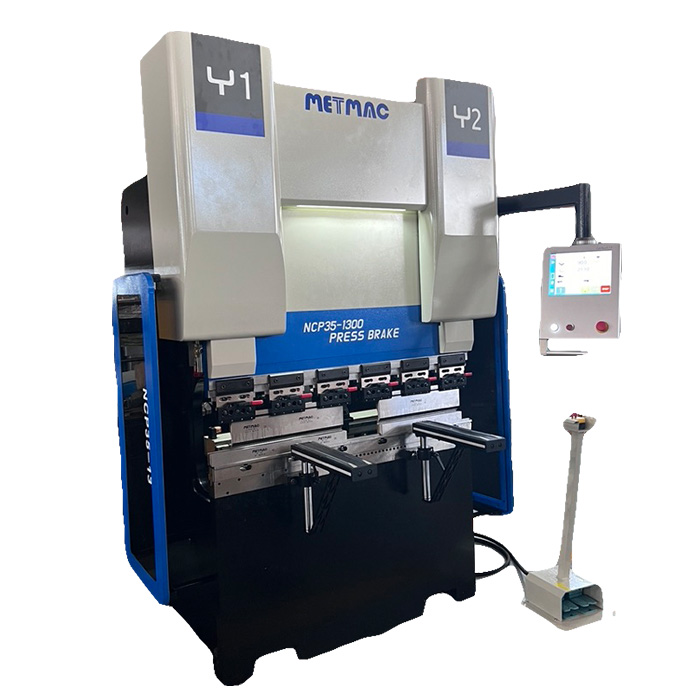
Press Metal Machine: The Definitive Guide to Precision Metal Forming
2026/03/12 -
Metal Punching Machine: The Ultimate Guide to Precision Hole Punching
2026/03/10 -
Sheet Metal Machinery: The Ultimate Guide to Industrial Fabrication Excellence
2026/03/04 -
Iron Sheet Laser Cutting Machine: Unmatched Precision for Demanding Fabrication with METMAC
2026/01/06
-
Sheet Metal Press Brake: Ultimate Guide to Precision Bending Technology in 2024
2026/03/13 -
Metal Punching Machine: Ultimate Guide to Precision Manufacturing in 2024
2026/03/11 -
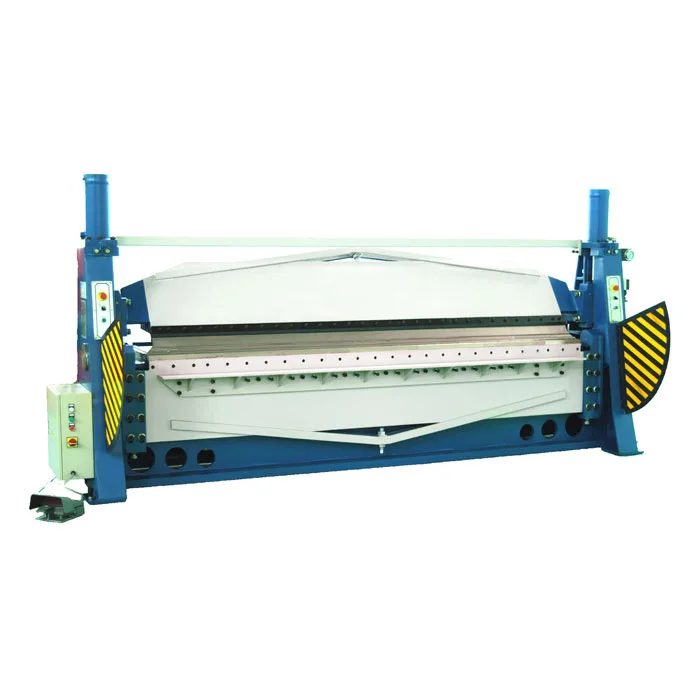
Metal Folding Machine: Comprehensive Guide to Precision Bending in 2024
2026/03/09 -
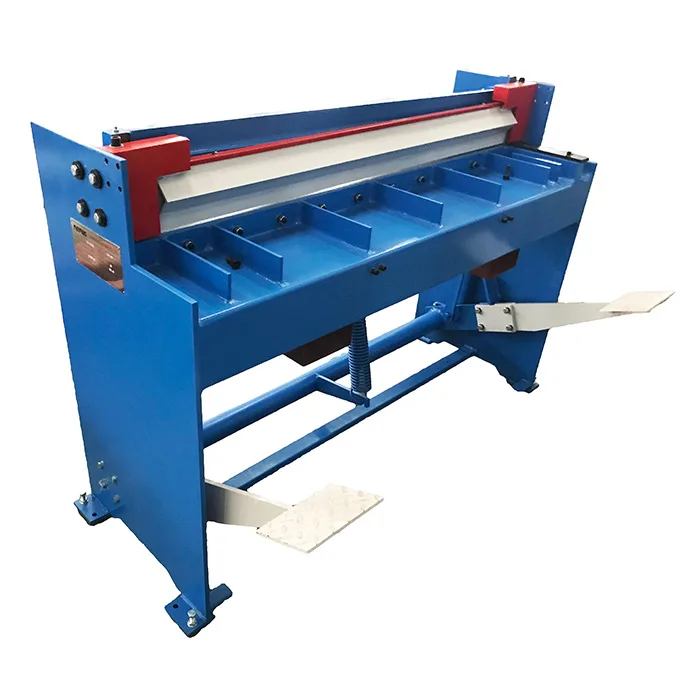
Sheet Metal Equipment: Ultimate Guide to Industrial Fabrication Solutions in 2026
2026/03/06
-
Understanding the Role and Function of Steel Strip Slitting Machines
2024/05/11 -
Maintenance Tips for Longevity of HVAC Duct Machines
2024/05/11 -
Innovations in Steel Strip Slitting Machine Design and Technology
2024/05/11 -
Improving Accuracy in Metal Fabrication with Laser Metal Shear Machines
2024/05/11
-
A Guide to the Latest Innovations in Sheet Metal Folding Machines
2024/11/29 -
Key Features to Consider When Investing in a Sheet Metal Folding Machine
2024/11/28 -
Enhancing Precision with Advanced Sheet Metal Folding Machines
2024/11/27 -
How to Choose the Right Sheet Metal Folding Machine for Your Workshop
2024/11/26
