


Tips for Maintaining Precision with Metal Plate Rolling Machines
Metal plate rolling machines play a crucial role in shaping and forming metal plates for various industrial applications. Achieving precision in metal plate rolling is essential to ensure the accuracy and quality of the finished product. By following meticulous maintenance practices, manufacturers can safeguard the precision of their metal plate rolling machines and maximize their productivity. This article provides comprehensive tips to guide you in maintaining the precision of your metal plate rolling machines.
Inspect and Lubricate Regularly
Regular inspection and lubrication are fundamental to maintaining machine precision. Conduct thorough visual inspections of the machine, checking for any wear, damage, or misalignment of components. Pay particular attention to the rollers, bearings, and drive systems. Proper lubrication prevents friction and premature wear, ensuring smooth operation and precise rolling. Follow the manufacturer’s recommended lubrication schedule and use high-quality lubricants specifically designed for metal plate rolling machines.
Calibrate and Adjust
Calibration ensures that the machine is properly aligned and produces accurate measurements. Calibrate the machine according to the manufacturer’s instructions, using precise measuring tools. Regularly check and adjust the machine’s settings, such as pressure, speed, and feed rate, to maintain optimal performance and precision. Utilize precision instruments like electronic calipers or laser micrometers to monitor and fine-tune the accuracy of your rolled plates.
Use High-Quality Materials
The quality of the metal plates used significantly impacts the precision of the rolling process. Choose plates with the appropriate thickness, hardness, and surface finish to match the machine’s capabilities. Use materials that are free of imperfections or defects, as they can hinder precise forming and lead to inaccuracies. Consider the material’s grain orientation and annealing treatments to optimize its formability and achieve desired results.
Monitor Rollers and Dies
Rollers and dies are essential components that directly influence the precision of the rolling process. Inspect rollers for wear or damage, and ensure that they are properly aligned. Replace or resurface rollers when necessary to maintain their shape and integrity. Dies should be inspected for cracks or burrs, and replaced if damaged. Precision ground rollers and dies with tight tolerances minimize slippage and ensure consistent plate thickness across the entire length of the rolled workpiece.
Control Temperature
Temperature fluctuations can affect the performance of the machine and the precision of the rolling process. Maintain a stable temperature environment in the production area to avoid thermal expansion or contraction of machine components. Monitor the temperature of the metal plates before and during rolling, as excessive heat can lead to distortion or inaccuracies. Utilize temperature-controlled environments or cooling systems to regulate the temperature of the machine and materials, ensuring consistent and precise rolling results.
Minimize Vibration
Vibration can introduce inaccuracies in the rolling process. Securely mount the machine on a stable foundation and ensure that it is properly leveled. Use vibration-dampening mounts or shock absorbers to isolate the machine from external vibrations. Regularly inspect and tighten loose bolts or connections to minimize vibration and maintain precision.
Conduct Preventative Maintenance
A comprehensive preventative maintenance program is crucial to extending the life of the machine and preserving its precision. Follow the manufacturer’s recommended maintenance schedule, which includes regular cleaning, lubrication, and part replacement. Conduct scheduled inspections and address any potential issues promptly to prevent minor problems from escalating into costly repairs or breakdowns. By implementing a proactive maintenance plan, you can minimize downtime and maintain the precision of your metal plate rolling machine.
-
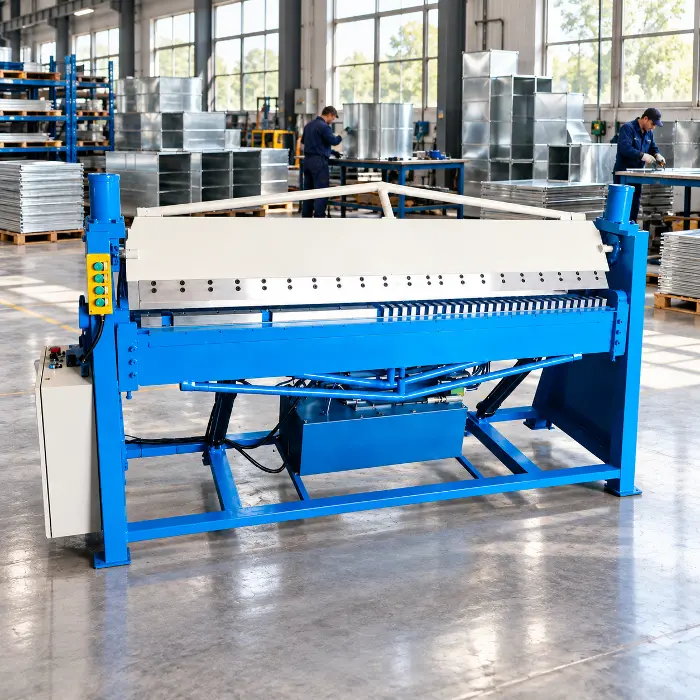
Choosing HVAC Duct Folding Machines for Flange-Safe Bending
2026/10/13 -
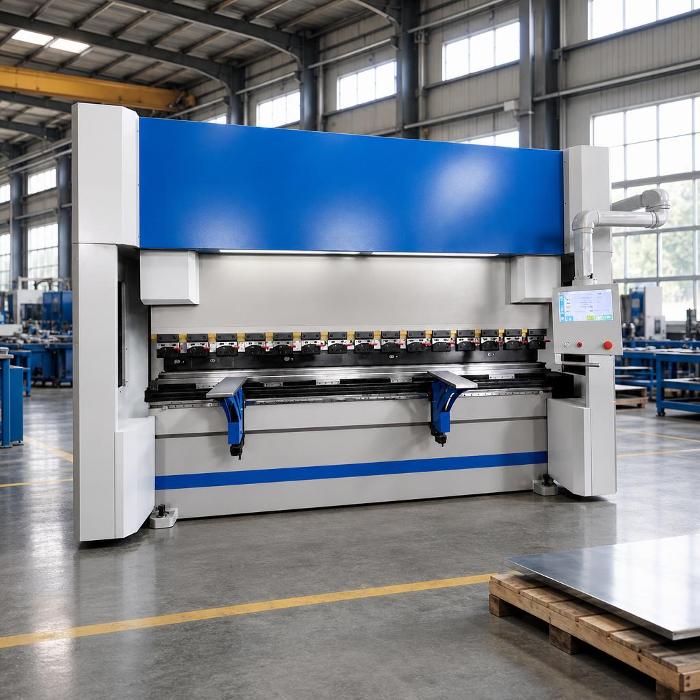
Precision Metal Forming Machines: What Separates Accurate Bends From Scrapped Sheet
2026/10/12 -
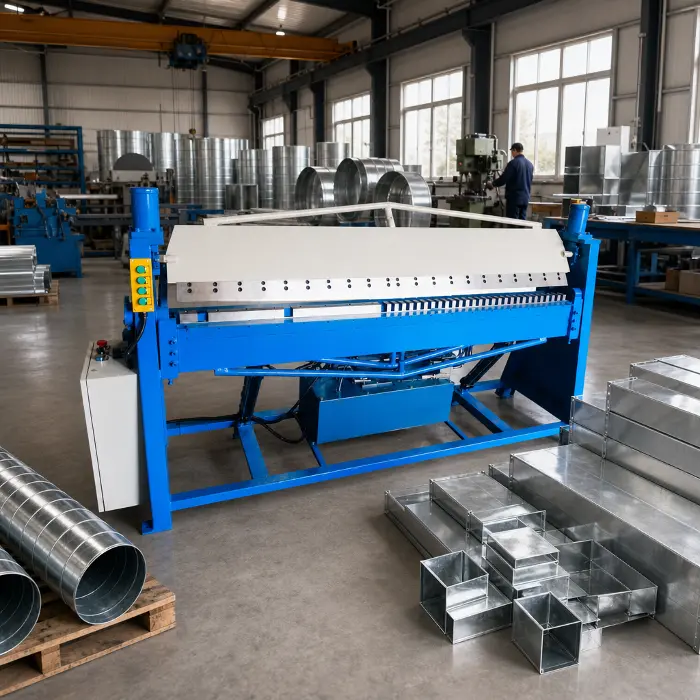
What to Look for in an HVAC Folding Machine Manufacturer
2026/10/11 -
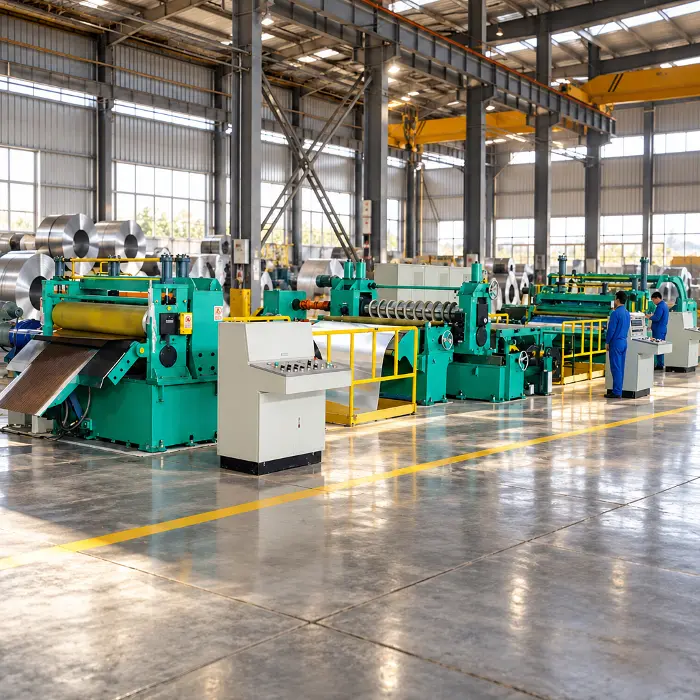
Steel Strip Cutting Machine: Engineering Precision in Modern Metal Processing
2026/10/10
-
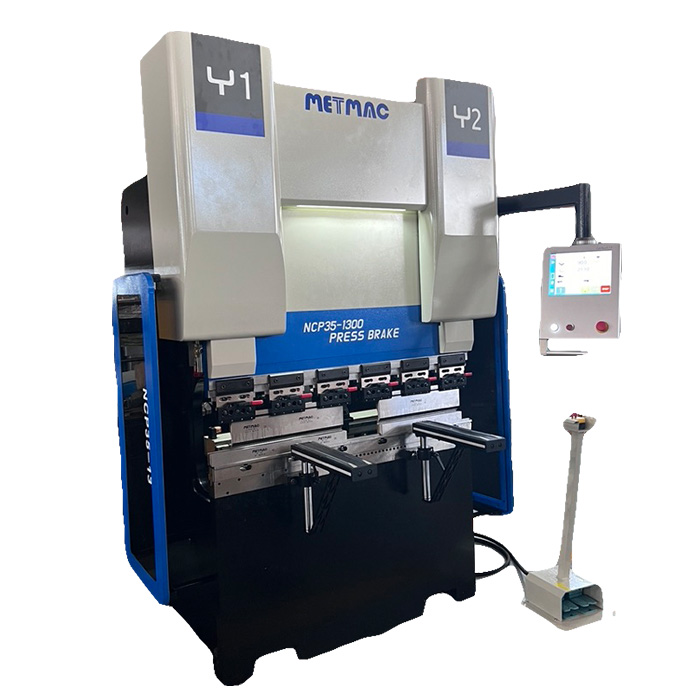
Sheet Metal Press Brake: Ultimate Guide to Precision Bending Technology in 2024
2026/03/13 -
Metal Punching Machine: Ultimate Guide to Precision Manufacturing in 2024
2026/03/11 -
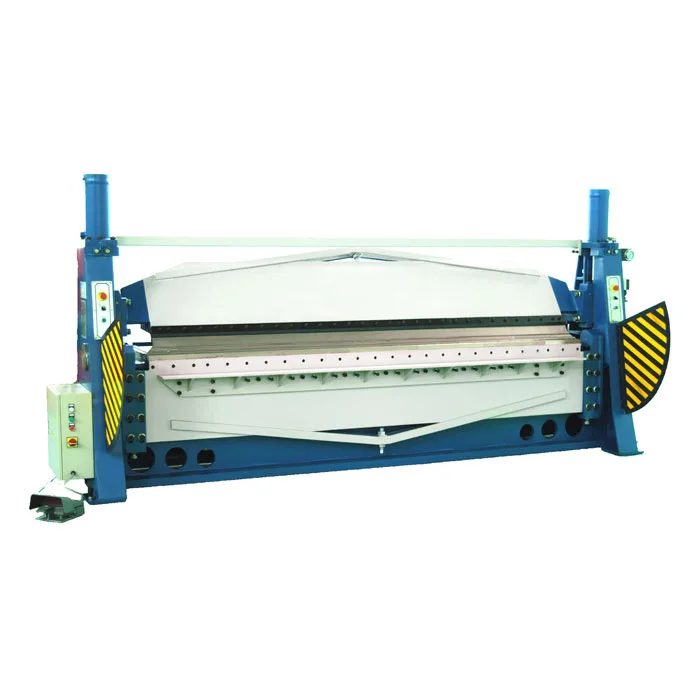
Metal Folding Machine: Comprehensive Guide to Precision Bending in 2024
2026/03/09 -
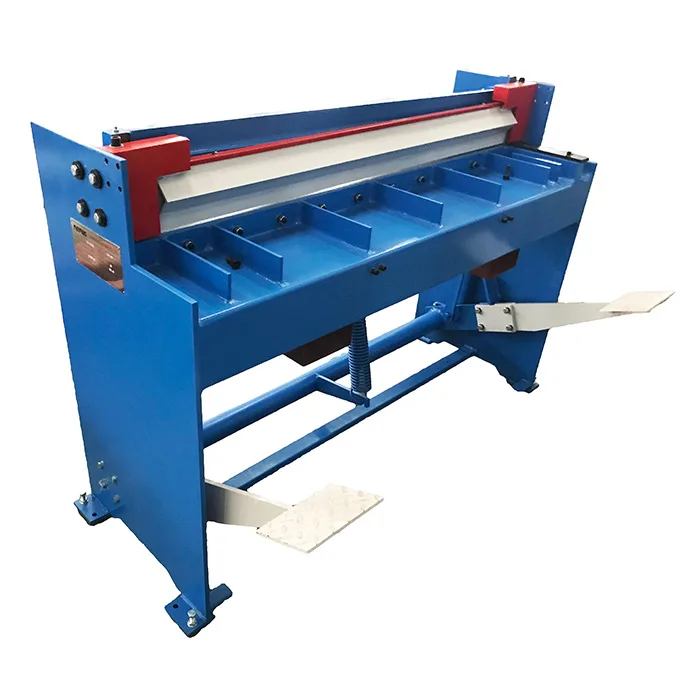
Sheet Metal Equipment: Ultimate Guide to Industrial Fabrication Solutions in 2026
2026/03/06
-
Latest Technological Advancements in Rectangular Duct Machines
2024/05/11 -
Integrating Automation with Rectangular Duct Machines for Enhanced Productivity
2024/05/11 -
Metal Shear Machines- Essential Tools for Precision Metal Cutting
2024/05/11 -
Understanding the Role and Function of Steel Strip Slitting Machines
2024/05/11
-
A Guide to the Latest Innovations in Sheet Metal Folding Machines
2024/11/29 -
Key Features to Consider When Investing in a Sheet Metal Folding Machine
2024/11/28 -
Enhancing Precision with Advanced Sheet Metal Folding Machines
2024/11/27 -
How to Choose the Right Sheet Metal Folding Machine for Your Workshop
2024/11/26
