


Tips for Integrating Ventilation Duct Machines into Existing HVAC Systems
To optimize indoor air quality and improve building performance, integrating ventilation duct machines into existing HVAC systems is a strategic solution. This article provides comprehensive guidelines to facilitate a seamless integration, ensuring optimal air distribution and indoor environmental comfort.
Assess System Compatibility
Before integrating ventilation duct machines, it is critical to evaluate their compatibility with the existing HVAC system. Consider factors such as airflow rates, pressure requirements, and ductwork size. Ensure that the ventilation machine can effectively distribute air throughout the space while maintaining proper airflow dynamics.
Choose Suitable Machine Placement
The placement of ventilation duct machines is crucial for effective air distribution. Identify areas with high air demand or poor air circulation. Select a location that allows for unobstructed airflow and convenient access for servicing and maintenance. Consider the machine’s noise level and the potential impact on occupants nearby.
Modify Ductwork
Integration may require modifications to the existing ductwork to accommodate the ventilation machine. Add branching ducts to connect the machine to the main duct system. Ensure proper sealing at all connections to prevent air leaks and maintain optimal airflow. Adjust dampers and airflow sensors to balance air distribution and regulate air pressure.
Consider Noise Control
Ventilation duct machines can generate noise during operation. Implement noise control measures to minimize the impact on occupants. Use sound-absorbing materials to line the ducts near the machine and install acoustical baffles to absorb sound waves. Consider installing enclosed fan housings or selecting quieter models to reduce noise levels.
Provide Electrical Connections
Proper electrical connections are essential for powering ventilation duct machines. Install a dedicated electrical circuit from the electrical panel to the machine. Provide adequate amperage and voltage to meet the machine’s operational requirements. Install overcurrent protection devices to prevent electrical hazards.
Commission and Test
After integration, commissioning and testing are critical to ensure proper system operation. Conduct airflow measurements to verify that the ventilation machine is delivering the specified airflow rates. Adjust airflow settings and dampers as needed to optimize air distribution. Monitor the machine’s performance over time and make any necessary adjustments to maintain optimal airflow and indoor air quality.
Conclusion
By following these tips, integrating ventilation duct machines into existing HVAC systems can be a successful venture. Compatibility assessment, suitable machine placement, ductwork modifications, noise control, electrical connections, and comprehensive commissioning ensure optimal air distribution, improved indoor air quality, and enhanced occupant comfort. With proper planning and execution, ventilation duct machines can seamlessly complement existing HVAC systems, creating a healthier and more comfortable indoor environment.
-
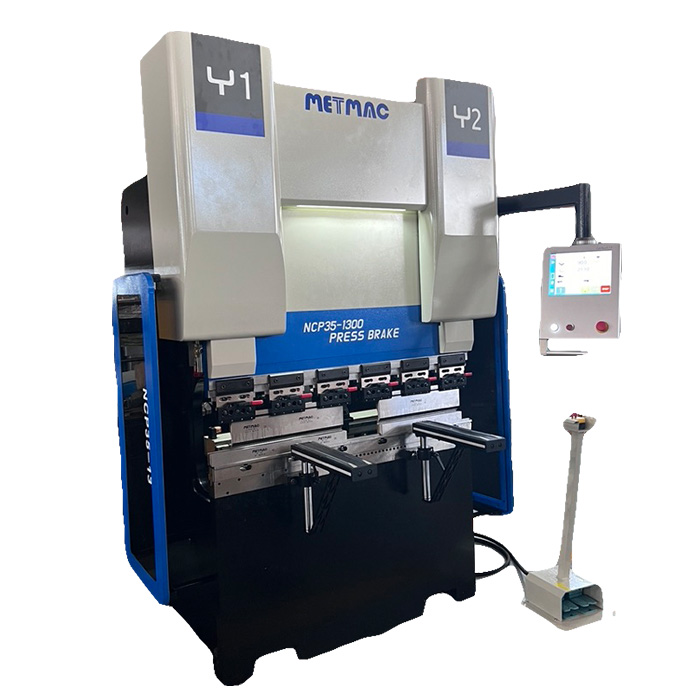
Press Metal Machine: The Definitive Guide to Precision Metal Forming
2026/03/12 -
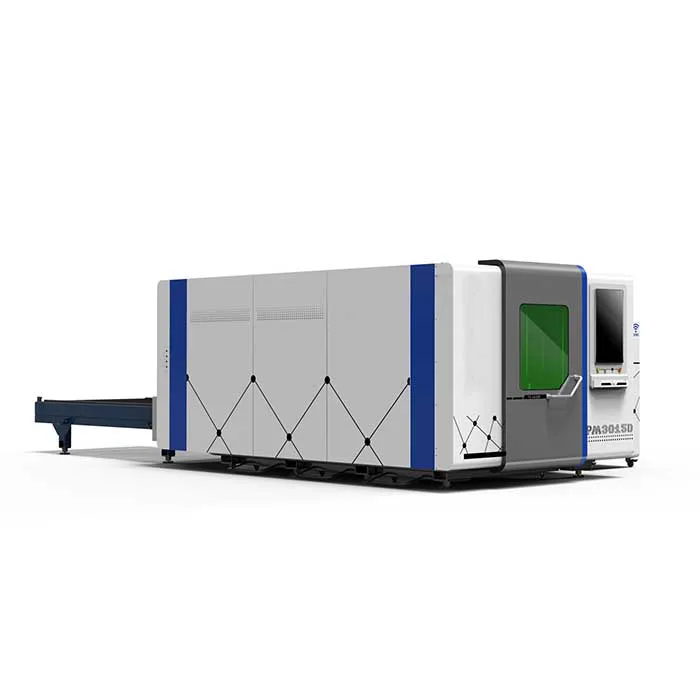
Metal Punching Machine: The Ultimate Guide to Precision Hole Punching
2026/03/10 -
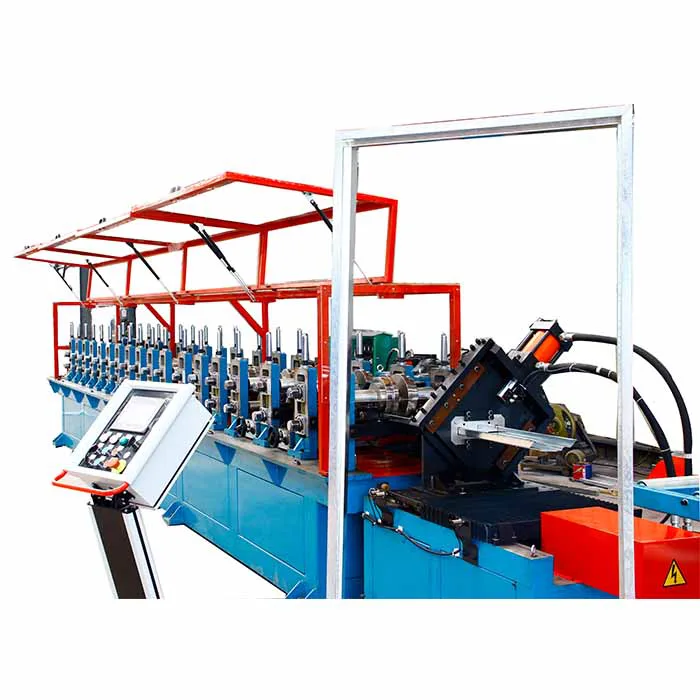
Sheet Metal Machinery: The Ultimate Guide to Industrial Fabrication Excellence
2026/03/04 -
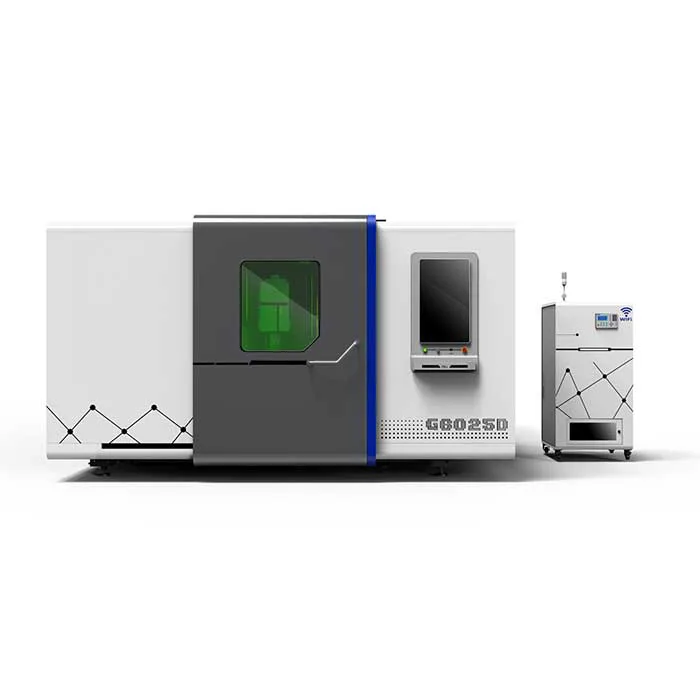
Iron Sheet Laser Cutting Machine: Unmatched Precision for Demanding Fabrication with METMAC
2026/01/06
-
Sheet Metal Press Brake: Ultimate Guide to Precision Bending Technology in 2024
2026/03/13 -
Metal Punching Machine: Ultimate Guide to Precision Manufacturing in 2024
2026/03/11 -
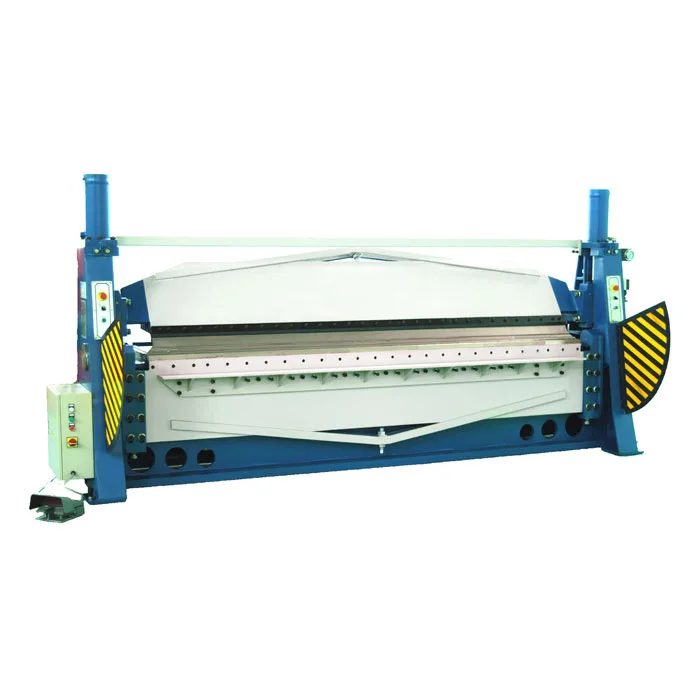
Metal Folding Machine: Comprehensive Guide to Precision Bending in 2024
2026/03/09 -
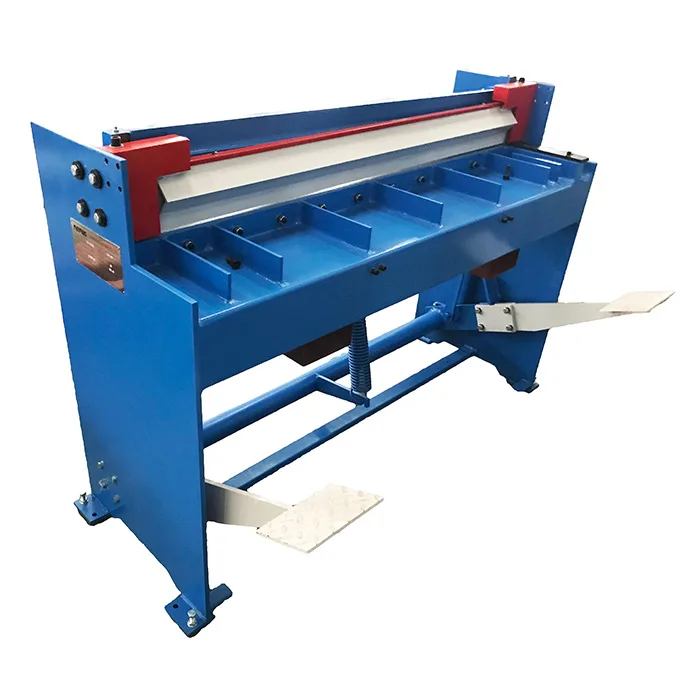
Sheet Metal Equipment: Ultimate Guide to Industrial Fabrication Solutions in 2026
2026/03/06
-
A Guide to the Latest Innovations in Sheet Metal Folding Machines
2024/11/29 -
Key Features to Consider When Investing in a Sheet Metal Folding Machine
2024/11/28 -
Enhancing Precision with Advanced Sheet Metal Folding Machines
2024/11/27 -
How to Choose the Right Sheet Metal Folding Machine for Your Workshop
2024/11/26
