


The Science Behind Air Duct Sealing Machine Efficiency
Air duct sealing machines play a crucial role in ensuring the efficient operation of heating, ventilation, and air conditioning (HVAC) systems. By preventing air leakage from ducts, these machines enhance indoor air quality, reduce energy consumption, and prolong the lifespan of HVAC equipment. Understanding the science behind air duct sealing machine efficiency is essential for choosing the right machine and maximizing its performance.
Factors Influencing Air Duct Sealing Machine Efficiency
1. Sealing Technology: Air duct sealing machines employ various technologies, including mastic, tape, and aerosol sealants. Mastic provides a durable, airtight seal, while tape is quick and easy to apply. Aerosol sealants are particularly effective for sealing irregular surfaces and hard-to-reach areas.
2. Machine Design: The design of the sealing machine impacts its efficiency. High-quality machines have powerful motors that deliver consistent pressure, ensuring thorough sealant application. Ergonomic handles and maneuverable nozzles enhance user comfort and precision.
3. Sealant Quality: The quality of the sealant used has a significant influence on the effectiveness of the seal. High-performance sealants adhere well to duct surfaces, resist aging, and remain flexible under varying temperatures.
How Air Duct Sealing Machines Improve HVAC System Performance
1. Reduced Air Leakage: Sealing air ducts eliminates leaks that allow conditioned air to escape, reducing energy consumption and maintaining consistent indoor temperatures.
2. Improved Indoor Air Quality: Air leaks can introduce dust, pollen, and other contaminants into the HVAC system, which can compromise indoor air quality and cause respiratory problems. Sealing ducts prevents these contaminants from entering the airstream.
3. Extended HVAC Equipment Lifespan: Air leakage puts stress on HVAC components, such as blowers and coils. By eliminating leaks, sealing machines reduce wear and tear on equipment, extending its lifespan.
4. Noise Reduction: Air leaks can generate excessive noise, especially in areas where ducts pass through walls or ceilings. Sealing ducts effectively dampens these noises, creating a more peaceful indoor environment.
Measurement and Verification of Sealing Machine Efficiency
1. Leakage Testing: After sealing air ducts, it is important to conduct leakage testing to verify the effectiveness of the process. This involves measuring airflow rates and identifying any remaining leaks.
2. Energy Audits: Energy audits can quantify the impact of air duct sealing on energy consumption. By comparing energy usage before and after sealing, the energy savings can be accurately determined.
3. Indoor Air Quality Monitoring: Improved indoor air quality is a testament to the efficiency of air duct sealing machines. Monitoring indoor air quality parameters, such as particulate matter and carbon dioxide levels, provides evidence of the improved air environment.
Conclusion
Understanding the science behind air duct sealing machine efficiency empowers building owners and HVAC professionals to make informed decisions about sealing their systems. By considering factors such as sealing technology, machine design, and sealant quality, the most efficient machines can be selected, resulting in reduced energy consumption, improved indoor air quality, and extended HVAC equipment lifespan. Regular measurement and verification ensure ongoing efficiency and maximize the benefits of air duct sealing.
-
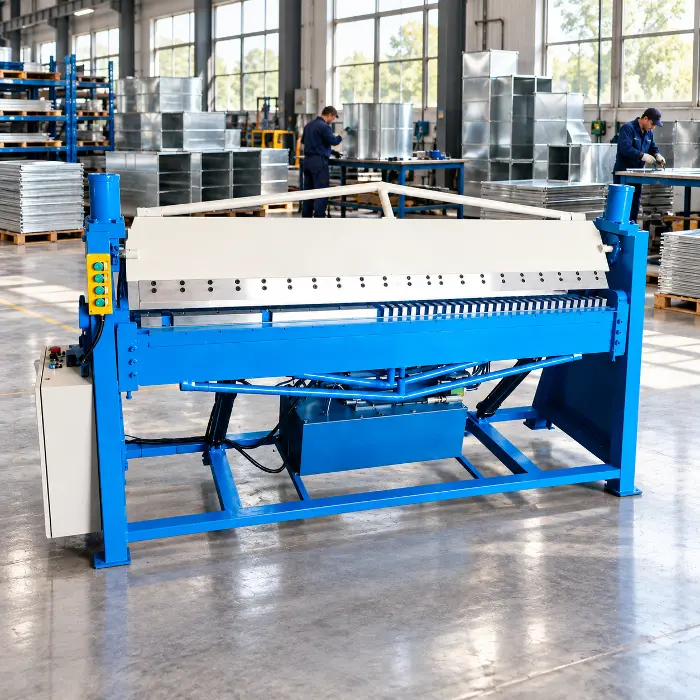
Choosing HVAC Duct Folding Machines for Flange-Safe Bending
2026/10/13 -
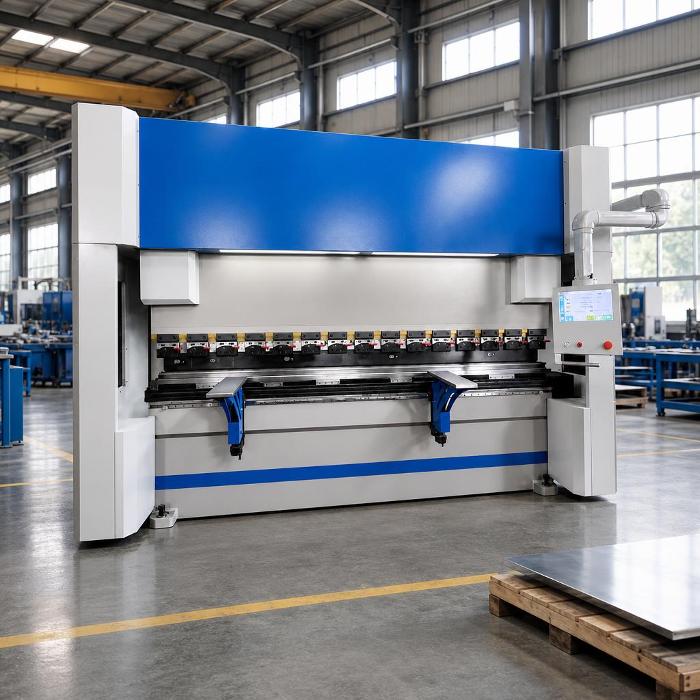
Precision Metal Forming Machines: What Separates Accurate Bends From Scrapped Sheet
2026/10/12 -
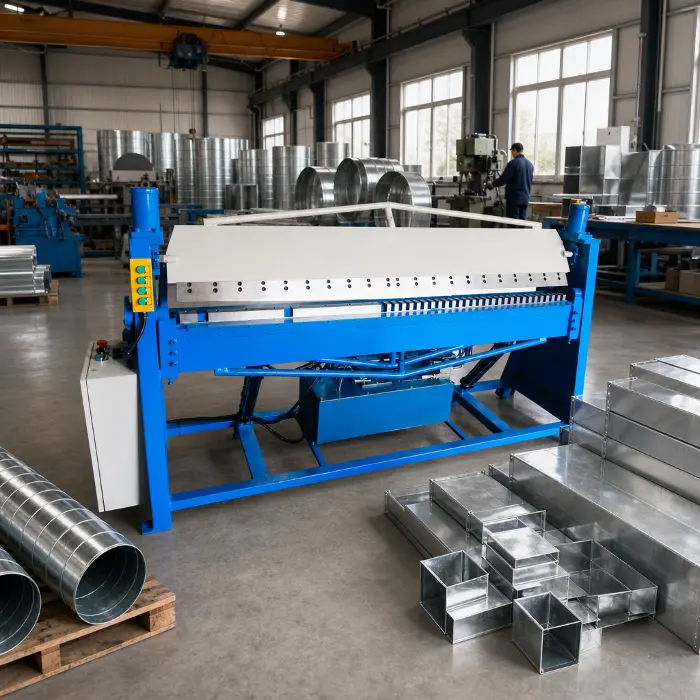
What to Look for in an HVAC Folding Machine Manufacturer
2026/10/11 -
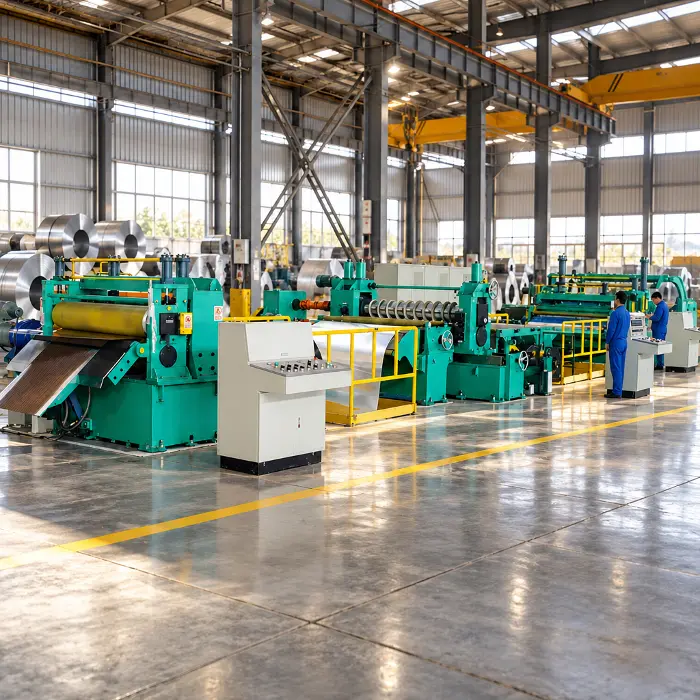
Steel Strip Cutting Machine: Engineering Precision in Modern Metal Processing
2026/10/10
-
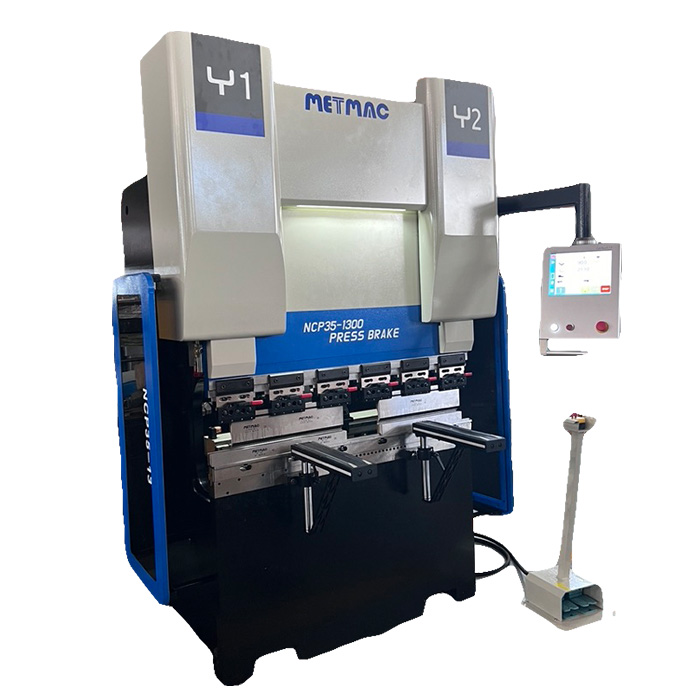
Sheet Metal Press Brake: Ultimate Guide to Precision Bending Technology in 2024
2026/03/13 -
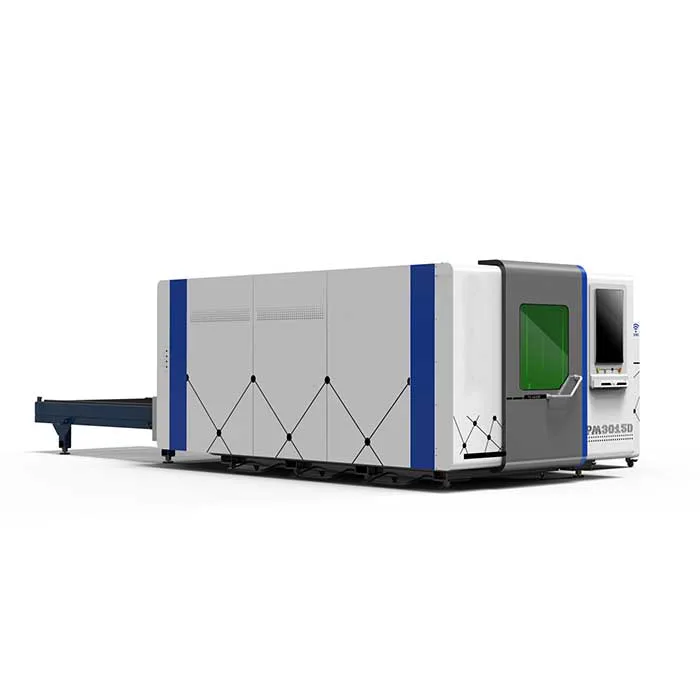
Metal Punching Machine: Ultimate Guide to Precision Manufacturing in 2024
2026/03/11 -
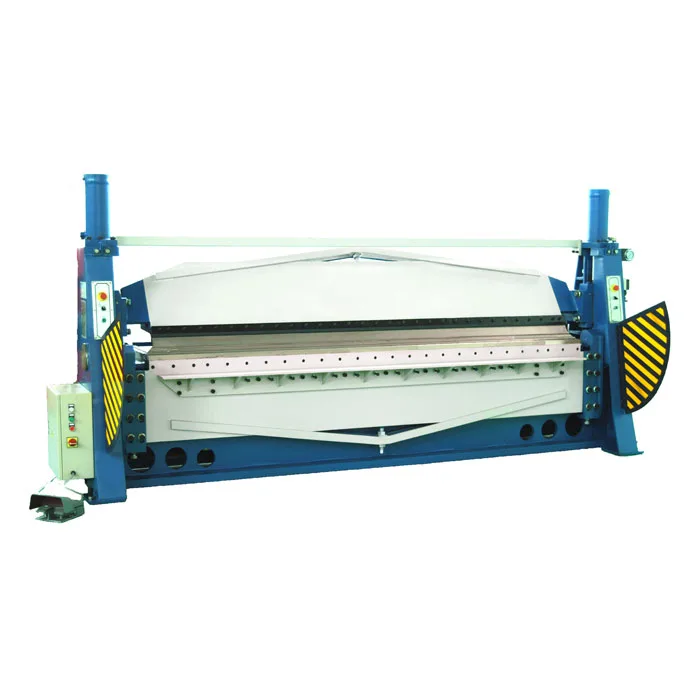
Metal Folding Machine: Comprehensive Guide to Precision Bending in 2024
2026/03/09 -
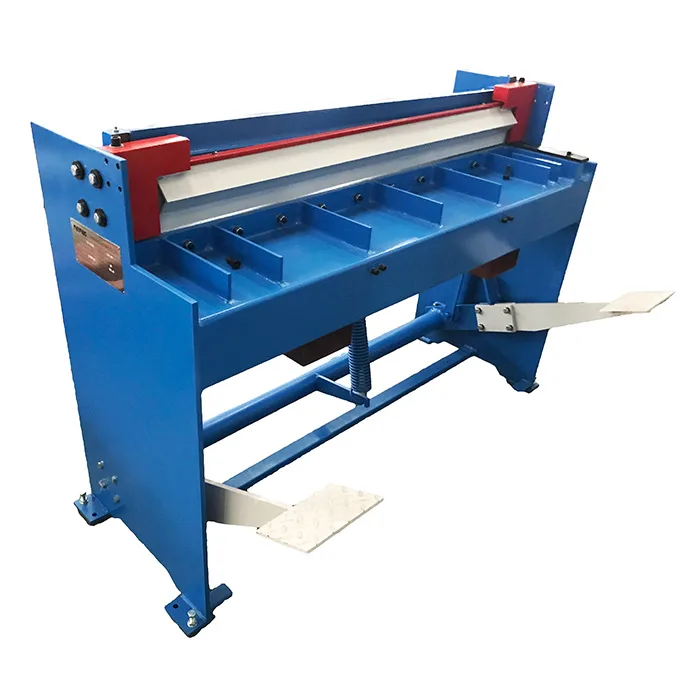
Sheet Metal Equipment: Ultimate Guide to Industrial Fabrication Solutions in 2026
2026/03/06
-
A Guide to the Latest Innovations in Sheet Metal Folding Machines
2024/11/29 -
Key Features to Consider When Investing in a Sheet Metal Folding Machine
2024/11/28 -
Enhancing Precision with Advanced Sheet Metal Folding Machines
2024/11/27 -
How to Choose the Right Sheet Metal Folding Machine for Your Workshop
2024/11/26
