


The Role of Automation in Sheet Metal Rolling Processes
Sheet metal rolling is a fundamental process in the manufacturing industry, used to shape and form metal sheets into various components and products. In recent years, automation has played an increasingly significant role in sheet metal rolling processes, transforming the industry and enhancing its efficiency, productivity, and accuracy.
Increased Productivity
Automation eliminates the need for manual labor in sheet metal rolling processes, allowing for continuous and uninterrupted production. Automated systems can operate 24/7, significantly increasing output and reducing lead times. By eliminating human intervention, the risk of errors and downtime is minimized, further boosting productivity.
Enhanced Accuracy and Precision
Automated sheet metal rolling systems are equipped with advanced sensors and control systems that ensure precise control over the rolling process. These systems monitor and adjust process parameters in real-time, resulting in highly accurate and consistent results. The elimination of human error and the use of sophisticated control algorithms minimize variations in thickness, shape, and surface finish.
Improved Safety
Automation reduces the risk of accidents and injuries in sheet metal rolling processes. The use of robots and automated machinery eliminates the need for workers to be physically present in hazardous areas, such as near rolling mills or moving parts. Automated systems also incorporate safety features such as interlocks and sensors to prevent accidents.
Reduced Labor Costs
Automation significantly reduces labor costs by replacing manual labor with automated systems. Automated sheet metal rolling machines can handle repetitive and labor-intensive tasks, freeing up skilled workers for more complex and value-added activities. This cost reduction can lead to increased profitability and competitiveness for manufacturing companies.
Enhanced Quality Control
Automated sheet metal rolling systems enable real-time monitoring and control of various process parameters. This allows for early detection and corrective action in case of any deviations from the desired specifications. The use of closed-loop control systems ensures that the final product meets stringent quality standards.
Customization and Flexibility
Automated sheet metal rolling systems provide greater flexibility and customization options. They can be easily reprogrammed to accommodate changes in product design or production requirements. By automating the process, manufacturers can quickly adapt to market demands and produce a wide range of custom components.
Conclusion
Automation plays a pivotal role in sheet metal rolling processes, driving increased productivity, enhanced accuracy, improved safety, reduced labor costs, enhanced quality control, and customization flexibility. As technology continues to advance, automation will continue to shape the future of sheet metal manufacturing, opening up new possibilities for innovation and efficiency.
-
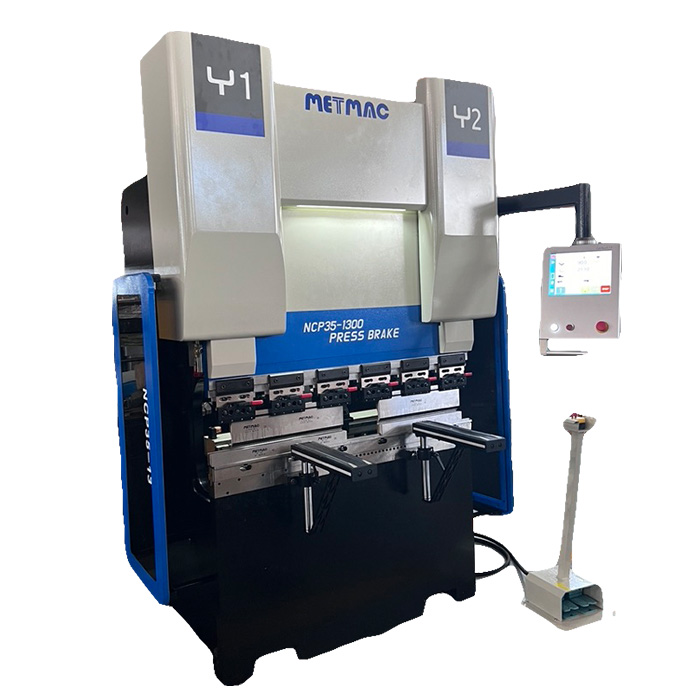
Press Metal Machine: The Definitive Guide to Precision Metal Forming
2026/03/12 -
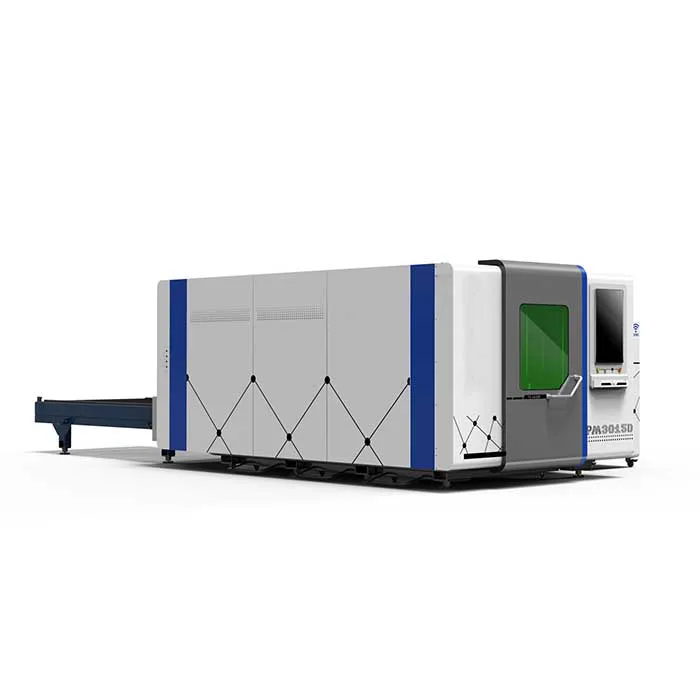
Metal Punching Machine: The Ultimate Guide to Precision Hole Punching
2026/03/10 -
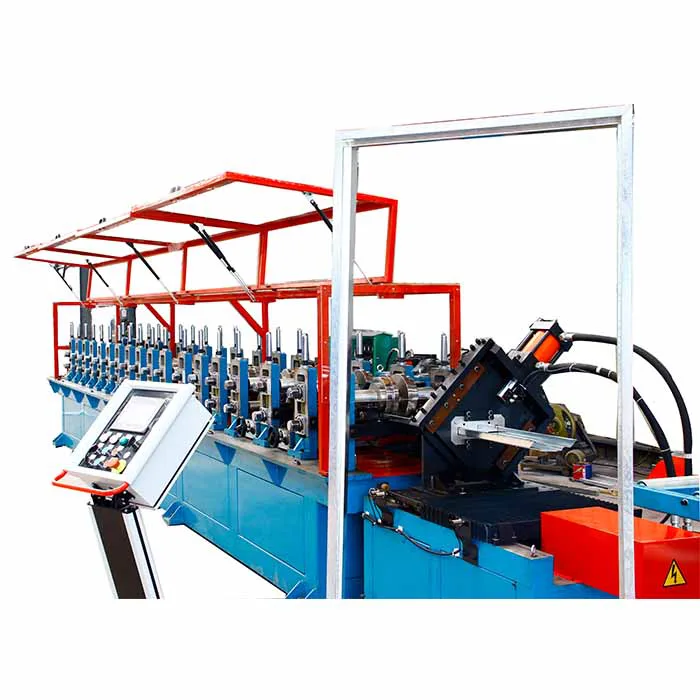
Sheet Metal Machinery: The Ultimate Guide to Industrial Fabrication Excellence
2026/03/04 -
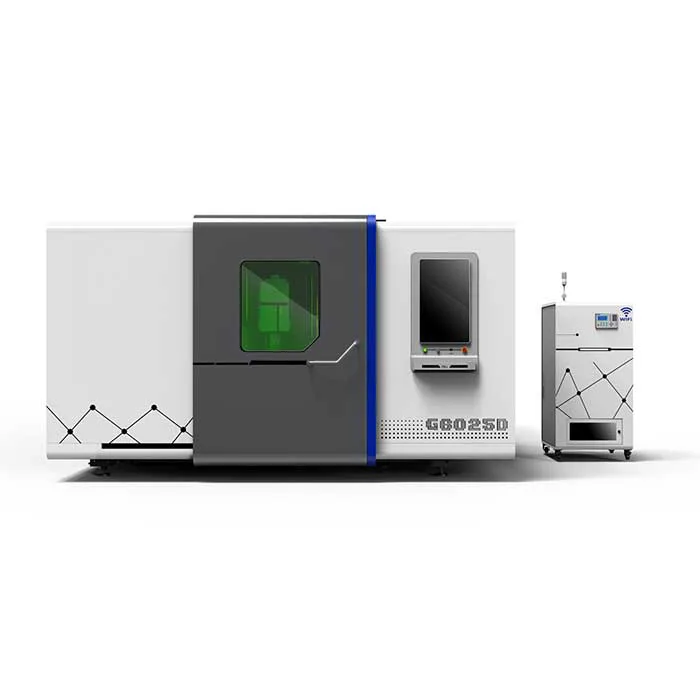
Iron Sheet Laser Cutting Machine: Unmatched Precision for Demanding Fabrication with METMAC
2026/01/06
-
Sheet Metal Press Brake: Ultimate Guide to Precision Bending Technology in 2024
2026/03/13 -
Metal Punching Machine: Ultimate Guide to Precision Manufacturing in 2024
2026/03/11 -
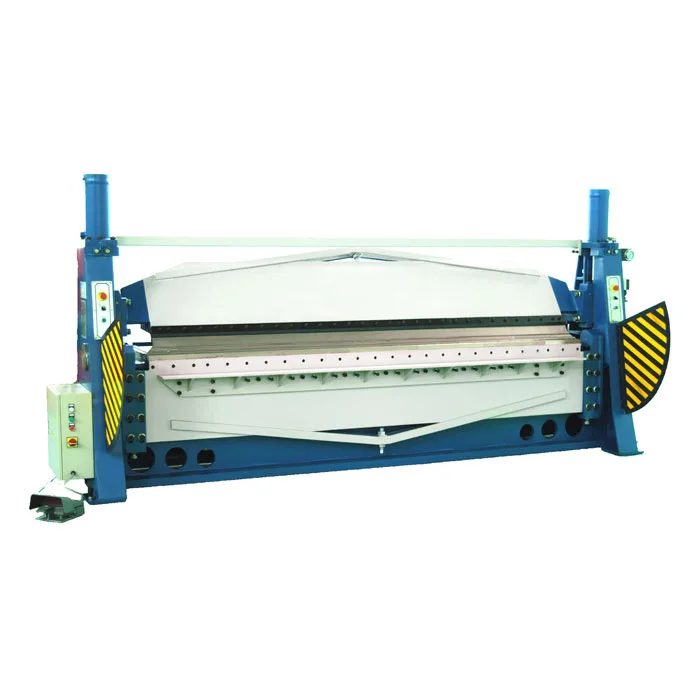
Metal Folding Machine: Comprehensive Guide to Precision Bending in 2024
2026/03/09 -
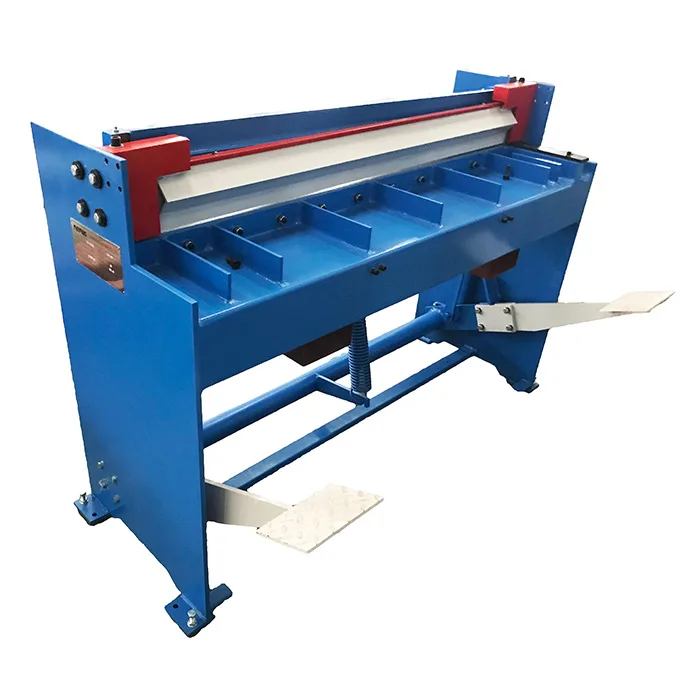
Sheet Metal Equipment: Ultimate Guide to Industrial Fabrication Solutions in 2026
2026/03/06
-
A Guide to the Latest Innovations in Sheet Metal Folding Machines
2024/11/29 -
Key Features to Consider When Investing in a Sheet Metal Folding Machine
2024/11/28 -
Enhancing Precision with Advanced Sheet Metal Folding Machines
2024/11/27 -
How to Choose the Right Sheet Metal Folding Machine for Your Workshop
2024/11/26
