

The Pros and Cons of Different Sheet Metal Rolling Machine Types
In the realm of metalworking, precision and efficiency reign supreme. When it comes to shaping sheet metal, rolling machines stand as indispensable tools, offering unparalleled control over curvature and form. However, with a myriad of types available, navigating the options can be a daunting task. Here, we delve into the pros and cons of each major sheet metal rolling machine type to empower you with informed decision-making.
1. Manual Rolling Machines
Pros:
– Simplicity: Easy to operate with minimal training required.
– Affordability: Typically the most budget-friendly option.
Cons:
– Limited capacity: Suitable for small projects with thinner materials.
– Manual labor: Requires significant physical effort for larger projects.
2. Electric Rolling Machines
Pros:
– Motorized operation: Eliminates manual labor, making it less fatiguing for operators.
– Increased capacity: Capable of handling thicker materials and larger projects compared to manual machines.
Cons:
– Higher cost: More expensive than manual rolling machines.
– Safety concerns: Requires proper guards and training to prevent accidents.
3. Hydraulic Rolling Machines
Pros:
– Exceptional precision: Delivers consistently accurate curvatures due to hydraulic pressure.
– High-capacity: Can handle thick materials and demanding projects with ease.
Cons:
– Substantial investment: The most expensive type of rolling machine.
– Maintenance requirements: Regular maintenance and fluid changes are necessary for optimal performance.
4. CNC Rolling Machines
Pros:
– Advanced automation: Programmed with computer numerical control (CNC) for precise and repeatable operation.
– Mass production efficiency: Ideal for high-volume production lines.
Cons:
– Technical expertise: Requires skilled operators with CNC training.
– High learning curve: Can take time to master the programming and setup process.
5. Conical Rolling Machines
Pros:
– Specialized geometry: Designed for forming conical shapes, such as cones and cylinders.
– Versatile: Capable of producing various sizes and tapers.
Cons:
– Limited applications: Not suitable for general-purpose rolling tasks.
– Precision challenges: Achieving precise conical shapes can be more challenging than with other machine types.
Ultimately, the choice of sheet metal rolling machine depends on the specific requirements of your project, including material thickness, shape complexity, and production volume. By carefully considering the pros and cons of each type, you can invest in the machine that best suits your needs, enabling you to achieve the desired metalworking results efficiently and effectively.
-
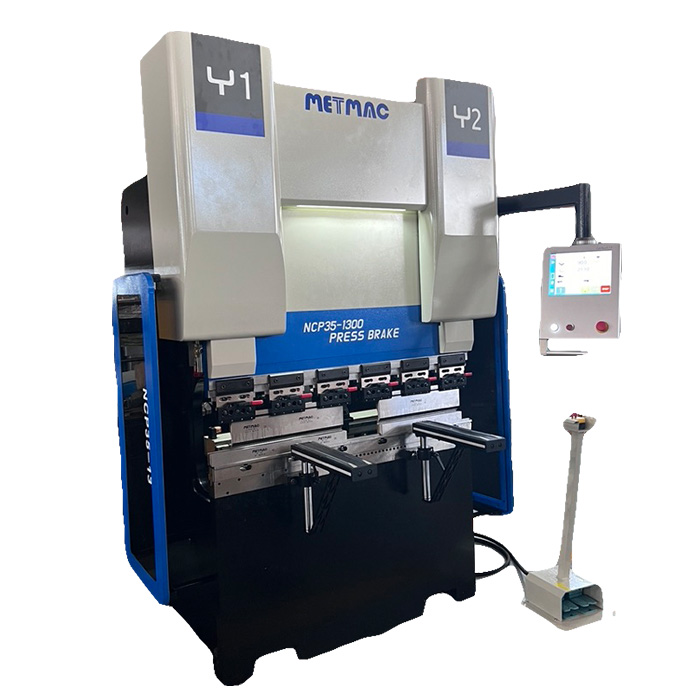
Press Metal Machine: The Definitive Guide to Precision Metal Forming
2026/03/12 -
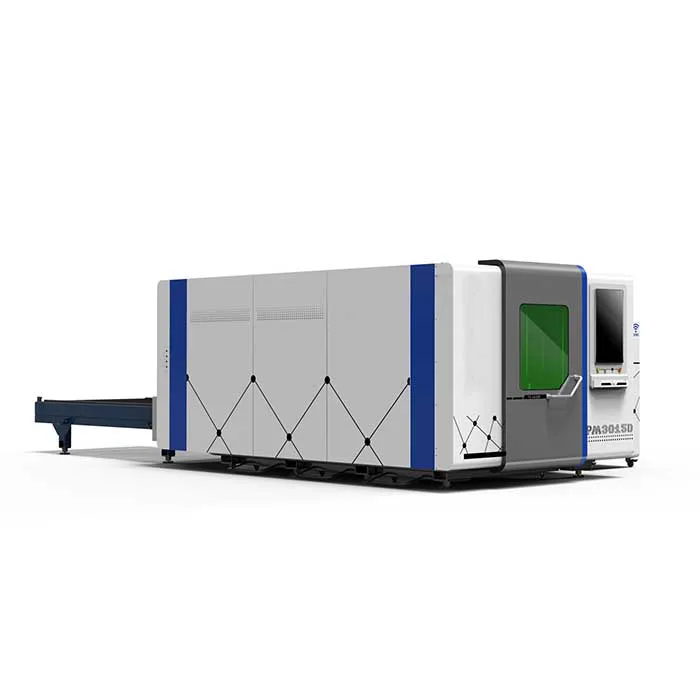
Metal Punching Machine: The Ultimate Guide to Precision Hole Punching
2026/03/10 -
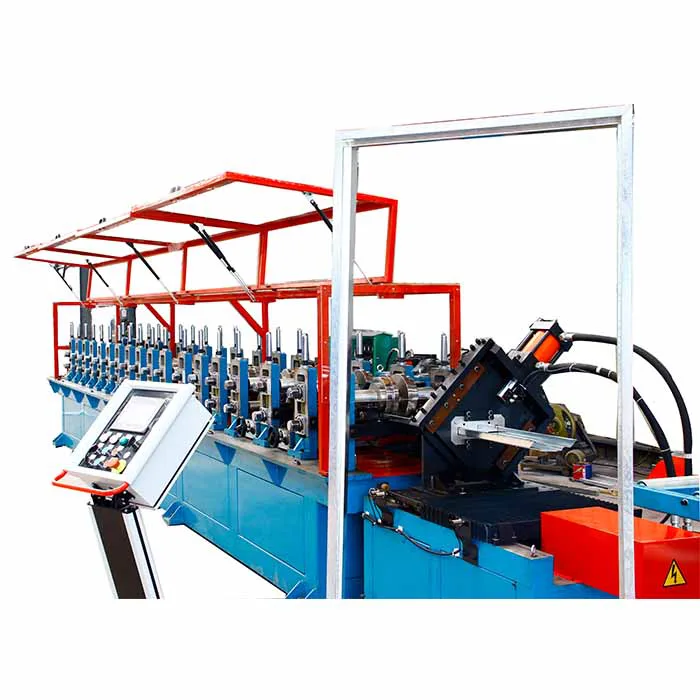
Sheet Metal Machinery: The Ultimate Guide to Industrial Fabrication Excellence
2026/03/04 -
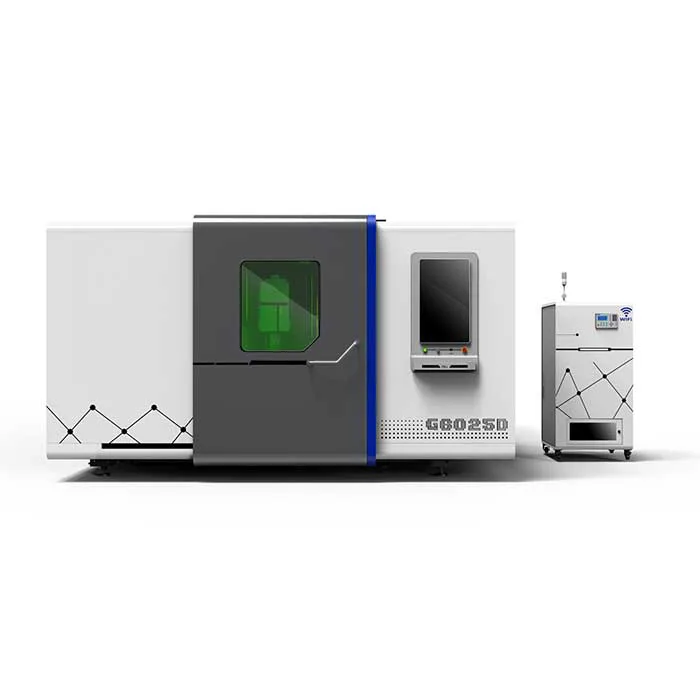
Iron Sheet Laser Cutting Machine: Unmatched Precision for Demanding Fabrication with METMAC
2026/01/06
-
Sheet Metal Press Brake: Ultimate Guide to Precision Bending Technology in 2024
2026/03/13 -
Metal Punching Machine: Ultimate Guide to Precision Manufacturing in 2024
2026/03/11 -
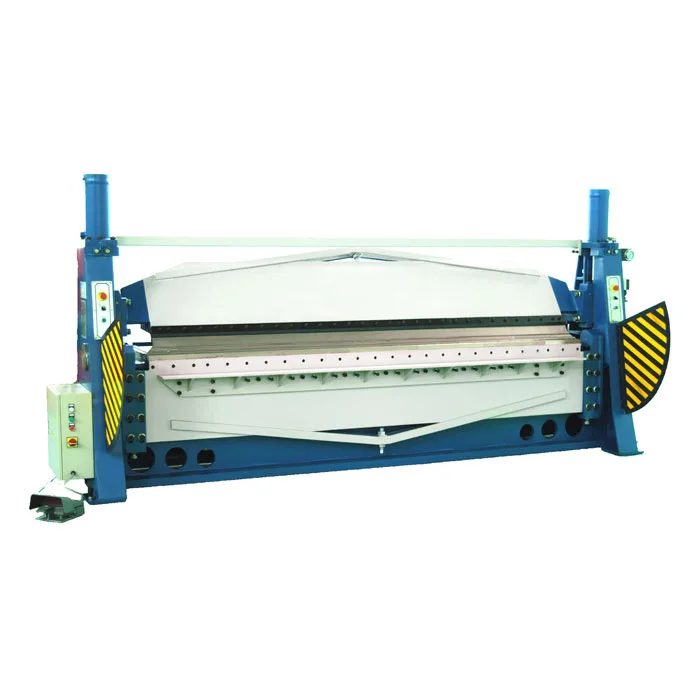
Metal Folding Machine: Comprehensive Guide to Precision Bending in 2024
2026/03/09 -
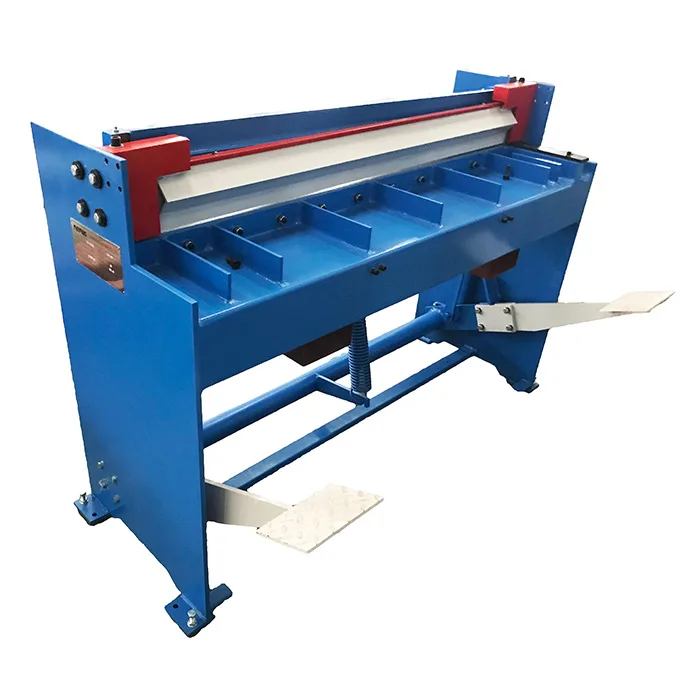
Sheet Metal Equipment: Ultimate Guide to Industrial Fabrication Solutions in 2026
2026/03/06
-
Latest Technological Advancements in Rectangular Duct Machines
2024/05/11 -
Integrating Automation with Rectangular Duct Machines for Enhanced Productivity
2024/05/11 -
Metal Shear Machines- Essential Tools for Precision Metal Cutting
2024/05/11 -
Understanding the Role and Function of Steel Strip Slitting Machines
2024/05/11
-
A Guide to the Latest Innovations in Sheet Metal Folding Machines
2024/11/29 -
Key Features to Consider When Investing in a Sheet Metal Folding Machine
2024/11/28 -
Enhancing Precision with Advanced Sheet Metal Folding Machines
2024/11/27 -
How to Choose the Right Sheet Metal Folding Machine for Your Workshop
2024/11/26
