


The Mechanics of Bending- Understanding How Sheet Metal Rolling Machines Work
Introduction
The art of bending sheet metal is essential in various industries, from automotive manufacturing to construction and beyond. Understanding the mechanics behind sheet metal rolling machines is crucial for achieving precise, efficient, and safe bending operations. This article delves into the principles and mechanisms that govern the bending process, providing a comprehensive guide to how sheet metal rolling machines work.
The Bending Process
The bending process involves applying a force to a sheet of metal, causing it to deform and take on a new shape. In sheet metal rolling machines, this force is applied through a series of rollers that progressively bend the metal to the desired angle. The bending process can be divided into two main stages:
Elastic Bending
In the initial stage, the metal deforms elastically, meaning it returns to its original shape once the force is removed. This stage involves the stretching of the material on the outside of the bend and the compression of the material on the inside.
Plastic Bending
As the force increases, the metal reaches its yield point, beyond which it begins to deform plastically. This irreversible deformation allows the metal to retain its new shape permanently. The bending angle is determined by the amount of plastic deformation that occurs.
The Sheet Metal Rolling Machine
Sheet metal rolling machines consist of a series of rollers mounted on a frame. The upper roller is typically adjustable, allowing for variations in the bending radius. The lower rollers provide support and guide the metal through the bending process.
Types of Rollers
Rolling machines can use different types of rollers, each with its own advantages:
– Pinch Rollers: These rollers are used for small bending radii and tight control over the bending process.
– Curvature Rollers: These rollers are ideal for larger bending radii and provide a more gradual bend.
– Profile Rollers: These rollers have a specific profile, allowing for the creation of complex shapes.
Material Considerations
The type of sheet metal being bent also plays a crucial role. Different metals have varying strengths, ductilities, and workability, which affect the bending process:
– Mild Steel: Mild steel is a commonly used material for bending, known for its strength and formability.
– Stainless Steel: Stainless steel is stronger and more corrosion-resistant than mild steel but requires more force to bend.
– Aluminum: Aluminum is lightweight and ductile, making it suitable for bending complex shapes.
Conclusion
Understanding the mechanics of bending is essential for effectively operating sheet metal rolling machines. By understanding the principles of elastic and plastic bending, the various types of rollers, and the material considerations, manufacturers can achieve precise, efficient, and safe bending operations. The ability to bend sheet metal accurately and consistently is a key skill in various industries, enhancing the functionality and aesthetics of countless products.
-
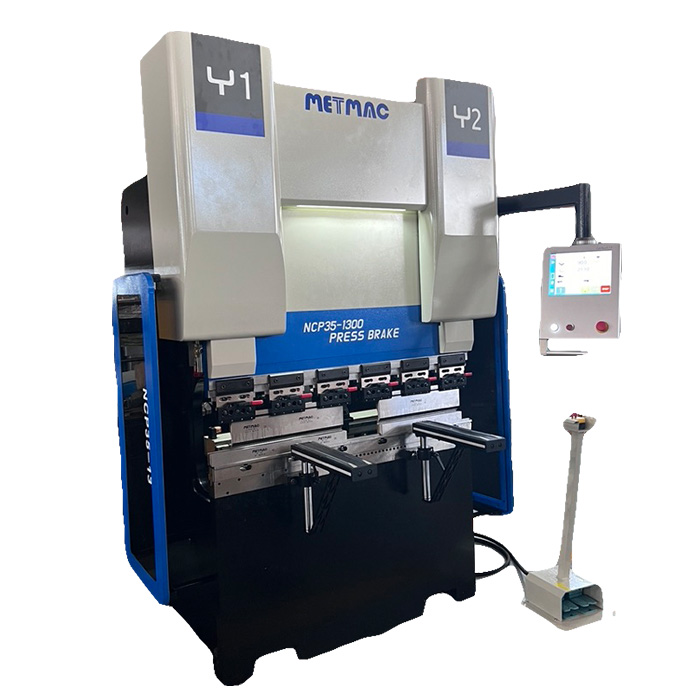
Press Metal Machine: The Definitive Guide to Precision Metal Forming
2026/03/12 -
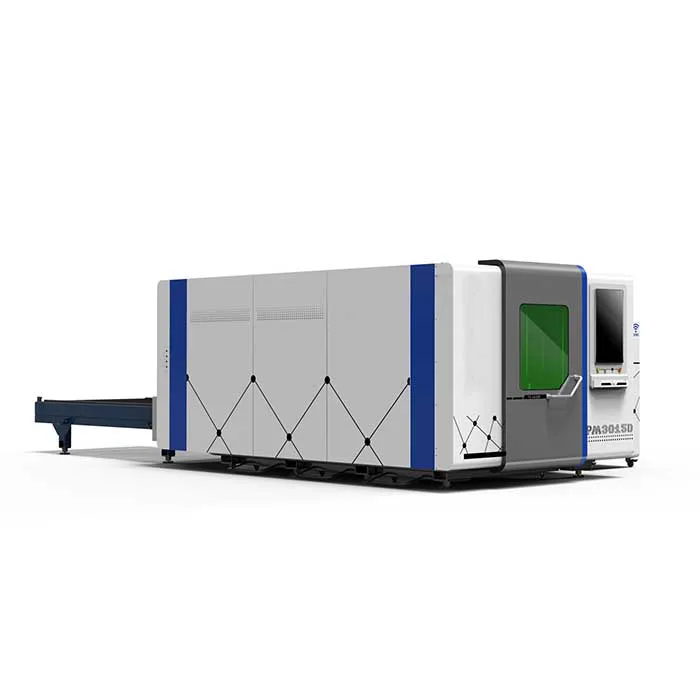
Metal Punching Machine: The Ultimate Guide to Precision Hole Punching
2026/03/10 -
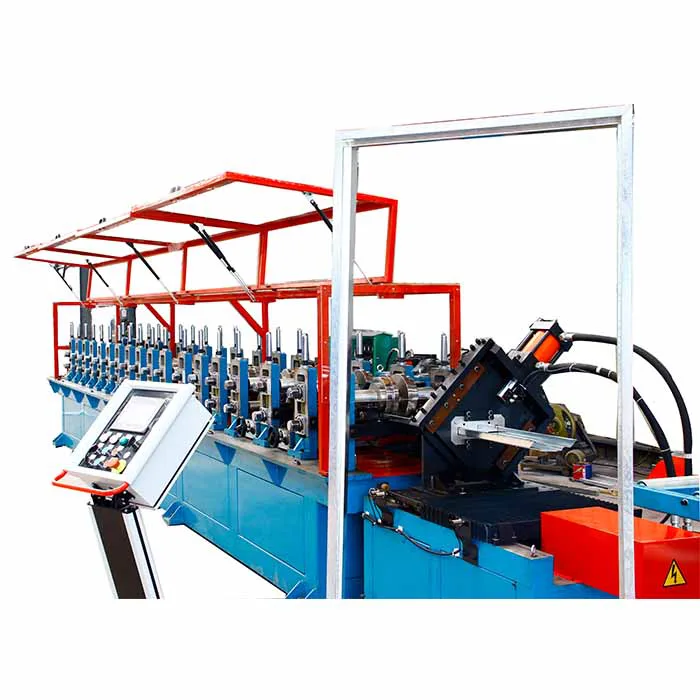
Sheet Metal Machinery: The Ultimate Guide to Industrial Fabrication Excellence
2026/03/04 -
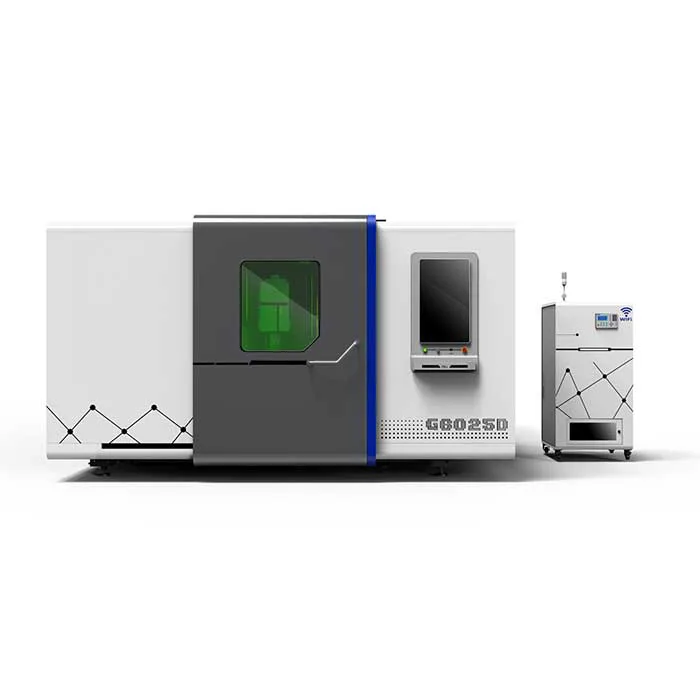
Iron Sheet Laser Cutting Machine: Unmatched Precision for Demanding Fabrication with METMAC
2026/01/06
-
Sheet Metal Press Brake: Ultimate Guide to Precision Bending Technology in 2024
2026/03/13 -
Metal Punching Machine: Ultimate Guide to Precision Manufacturing in 2024
2026/03/11 -
Metal Folding Machine: Comprehensive Guide to Precision Bending in 2024
2026/03/09 -
Sheet Metal Equipment: Ultimate Guide to Industrial Fabrication Solutions in 2026
2026/03/06
-
A Guide to the Latest Innovations in Sheet Metal Folding Machines
2024/11/29 -
Key Features to Consider When Investing in a Sheet Metal Folding Machine
2024/11/28 -
Enhancing Precision with Advanced Sheet Metal Folding Machines
2024/11/27 -
How to Choose the Right Sheet Metal Folding Machine for Your Workshop
2024/11/26
