


The Impact of Automation on Metal Sheet Machinery Operations
Automation is revolutionizing metal sheet machinery operations, transforming the industry with increased efficiency, productivity, and cost-effectiveness. This article explores the multifaceted impact of automation on this sector, shedding light on its benefits and implications.
Improved Efficiency and Productivity
Automation streamlines operations by automating repetitive and time-consuming tasks. Numerical control (NC) machines, for example, are programmed to perform precise operations on sheet metal, eliminating manual intervention and reducing production times. Automated systems also enable continuous operation, maximizing machine utilization and minimizing downtime. By eliminating human error and inefficiencies, automation significantly improves overall productivity and efficiency, allowing manufacturers to produce more parts in less time.
Precision and Quality Enhancement
Automated metal sheet machinery operates with exceptional precision and accuracy. Laser cutting and plasma cutting systems, for instance, utilize sophisticated algorithms to cut complex shapes with precision and minimal waste. Automated welding systems ensure consistent and precise welds, eliminating the variability associated with manual welding. This level of precision not only improves product quality but also reduces the need for post-processing and rework, leading to higher-quality end products.
Cost Reduction and Increased Profitability
Automation reduces production costs by minimizing labor requirements and optimizing resource utilization. Automated systems eliminate the need for highly skilled manual labor, reducing labor expenses. Additionally, automation enables manufacturers to reduce material waste by optimizing cutting patterns and minimizing scrap. By streamlining operations and maximizing efficiency, automation ultimately leads to increased profitability for manufacturers.
Safety and Ergonomic Considerations
Automation eliminates the need for operators to perform hazardous tasks, such as handling heavy machinery or working with sharp tools. Automated systems take over these tasks, reducing the risk of accidents and injuries. Furthermore, automation improves ergonomics by eliminating repetitive and physically demanding operations, allowing operators to focus on higher-level tasks. By improving safety and ergonomics, automation creates a more comfortable and productive work environment.
Challenges and Mitigation Strategies
While automation offers numerous benefits, it also presents challenges that manufacturers must address to fully harness its potential. One challenge is the initial investment cost. However, the long-term benefits of automation typically outweigh the upfront costs. Another challenge is the need for skilled maintenance and operation personnel. By investing in training and upskilling initiatives, manufacturers can ensure their workforce remains proficient in operating and maintaining automated systems.
-
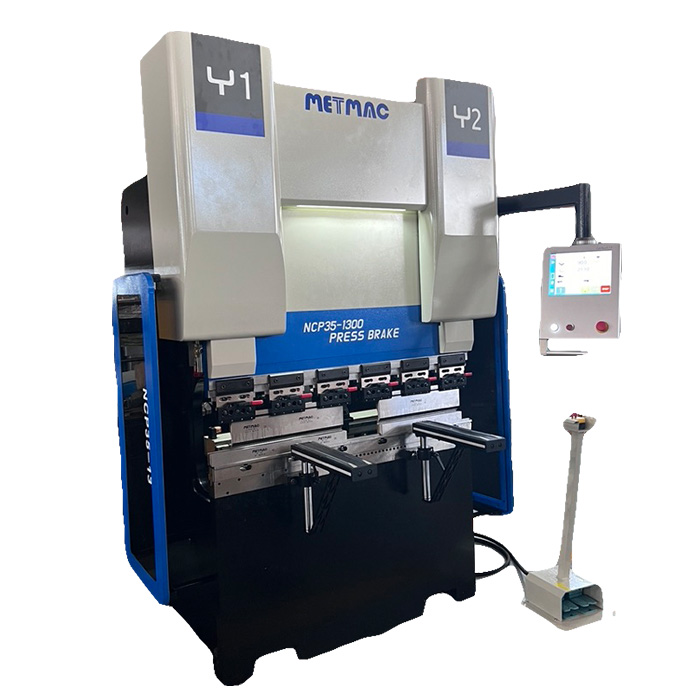
Press Metal Machine: The Definitive Guide to Precision Metal Forming
2026/03/12 -
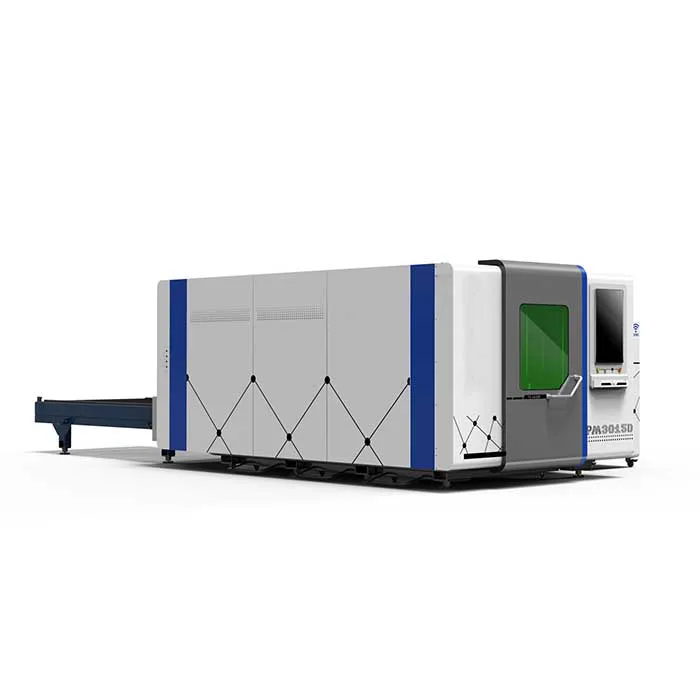
Metal Punching Machine: The Ultimate Guide to Precision Hole Punching
2026/03/10 -
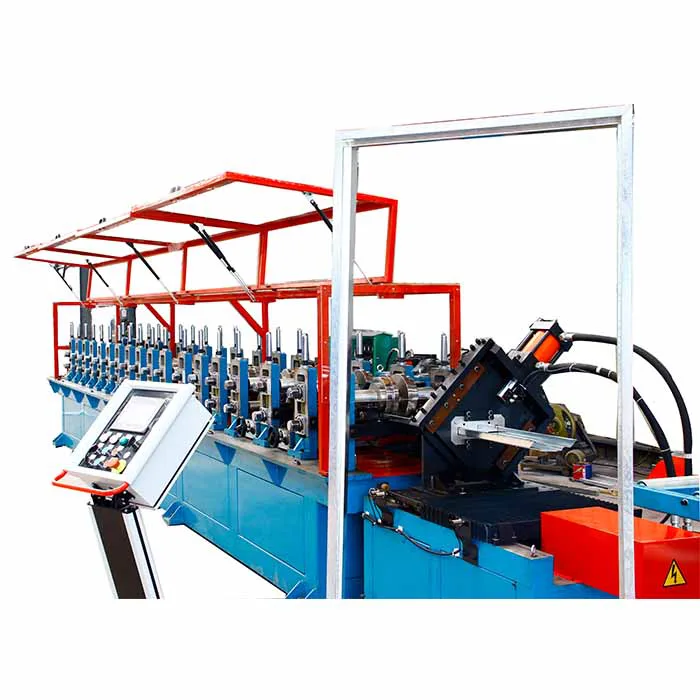
Sheet Metal Machinery: The Ultimate Guide to Industrial Fabrication Excellence
2026/03/04 -
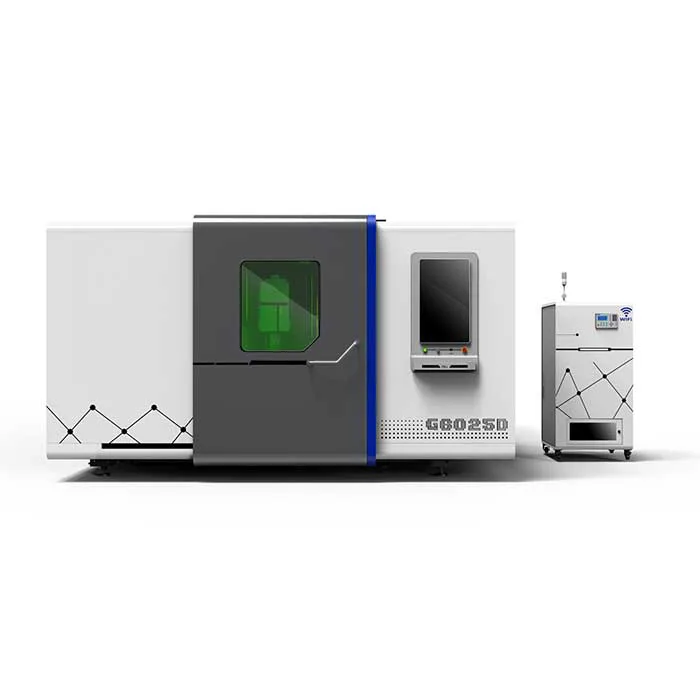
Iron Sheet Laser Cutting Machine: Unmatched Precision for Demanding Fabrication with METMAC
2026/01/06
-
Sheet Metal Press Brake: Ultimate Guide to Precision Bending Technology in 2024
2026/03/13 -
Metal Punching Machine: Ultimate Guide to Precision Manufacturing in 2024
2026/03/11 -
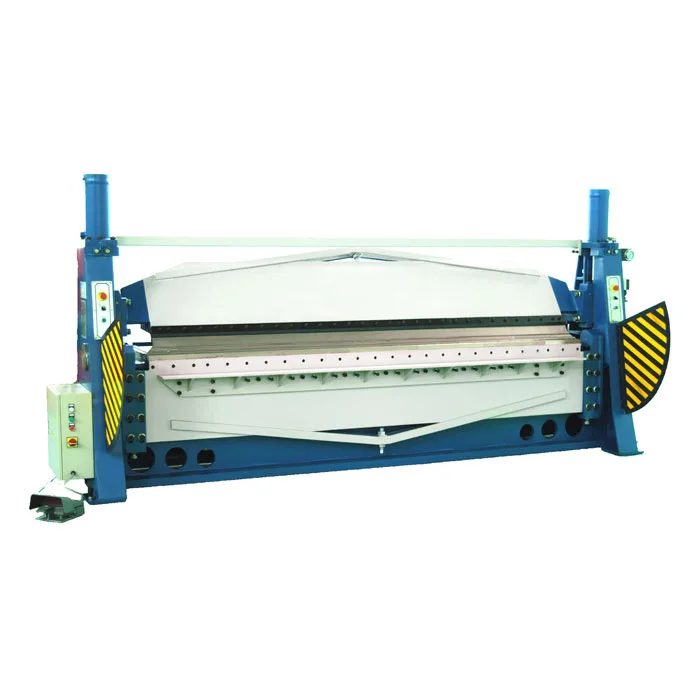
Metal Folding Machine: Comprehensive Guide to Precision Bending in 2024
2026/03/09 -
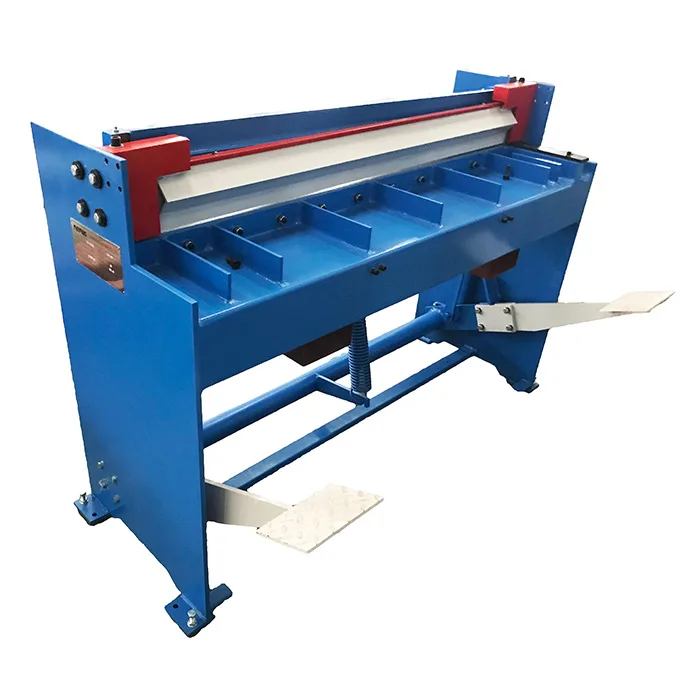
Sheet Metal Equipment: Ultimate Guide to Industrial Fabrication Solutions in 2026
2026/03/06
-
Understanding the Role and Function of Steel Strip Slitting Machines
2024/05/11 -
Maintenance Tips for Longevity of HVAC Duct Machines
2024/05/11 -
Innovations in Steel Strip Slitting Machine Design and Technology
2024/05/11 -
Improving Accuracy in Metal Fabrication with Laser Metal Shear Machines
2024/05/11
-
A Guide to the Latest Innovations in Sheet Metal Folding Machines
2024/11/29 -
Key Features to Consider When Investing in a Sheet Metal Folding Machine
2024/11/28 -
Enhancing Precision with Advanced Sheet Metal Folding Machines
2024/11/27 -
How to Choose the Right Sheet Metal Folding Machine for Your Workshop
2024/11/26
