


The Evolution of Metal Strip Cutting Machines in Manufacturing
Precision metal fabrication processes have undergone a significant transformation with the continuous development of technologically advanced machinery. Metal strip cutting machines, indispensable tools in industries such as automotive, construction, and electronics, have witnessed a remarkable evolution that has revolutionized metalworking operations. This article delves into the fascinating journey of these machines, highlighting the key technological advancements that have shaped their capabilities.
Early Beginnings: Manual and Semiautomatic Cutting
Initially, metal strips were cut using manual methods such as shears and hacksaws, which required significant human effort and precision. The introduction of semiautomatic cutting machines, such as guillotine shears, streamlined the process by incorporating automated blade movement and material feeding systems. These machines improved productivity and reduced operator fatigue while maintaining acceptable accuracy levels.
CNC Cutting Machines: Precision and Efficiency
The advent of computer numerical control (CNC) technology marked a groundbreaking advancement in metal strip cutting. CNC cutting machines allow precise control over blade movement, material feed, and cutting parameters through a computer program. This automation enables highly accurate and repeatable cutting operations, reducing production time, minimizing material waste, and ensuring consistent quality.
Laser Cutting: Non-Contact Precision
Laser cutting technology has revolutionized metalworking by introducing a non-contact cutting method. Precision lasers vaporize the metal, creating intricate cuts and complex shapes with minimal waste. Laser cutters offer high speed, precision, and flexibility, making them ideal for applications requiring precise geometries and intricate details.
Waterjet Cutting: Versatile and Environmentally Friendly
Waterjet cutting combines high-pressure water streams with abrasives to cut a wide range of materials, including metals. This process eliminates the need for heat generation, preserving the material’s structural integrity and allowing for intricate cuts in thick metals. Waterjet cutting is environmentally friendly, producing minimal smoke or fumes.
Plasma Cutting: High-Speed Cutting of Thick Metals
Plasma cutting utilizes a high-velocity plasma arc to melt and eject metal, resulting in fast, high-quality cuts in thick metal plates. Plasma cutters are commonly employed in applications requiring high productivity and precision, such as shipbuilding, automotive, and metal fabrication.
Conclusion
Metal strip cutting machines have undergone a transformative journey from manual methods to advanced CNC, laser, waterjet, and plasma cutting technologies. Each advancement has brought increased precision, efficiency, versatility, and cost-effectiveness to metalworking operations. These machines have become indispensable tools in a wide range of industries, enabling manufacturers to produce high-quality metal components with greater accuracy, reduced waste, and improved productivity. As technology continues to evolve, it is anticipated that metal strip cutting machines will continue to play a critical role in shaping the future of metal fabrication.
-
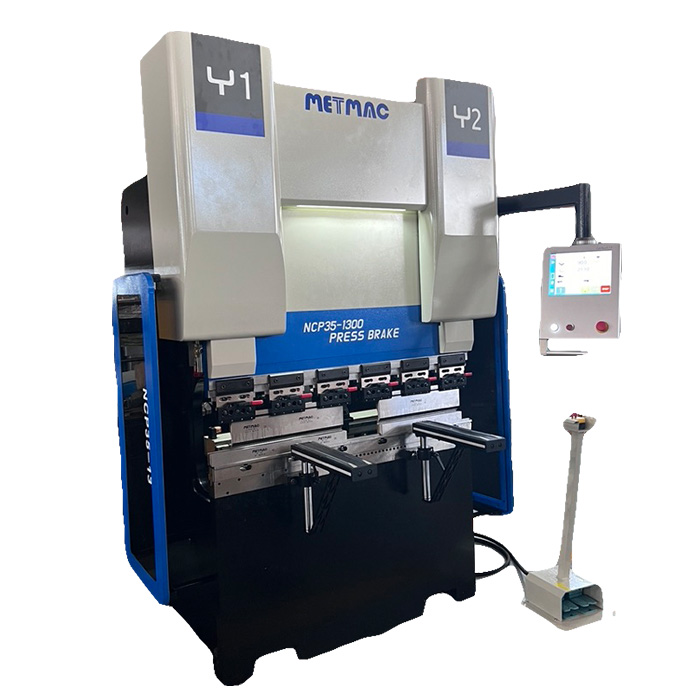
Press Metal Machine: The Definitive Guide to Precision Metal Forming
2026/03/12 -
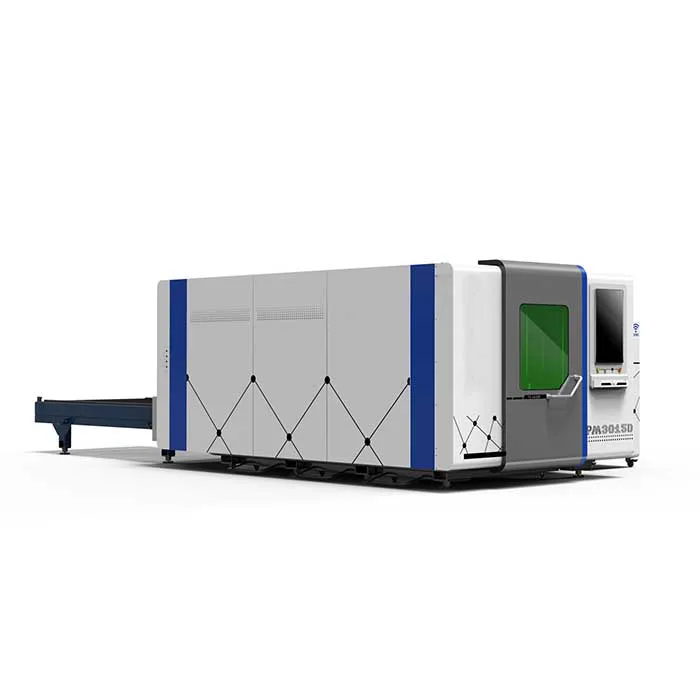
Metal Punching Machine: The Ultimate Guide to Precision Hole Punching
2026/03/10 -
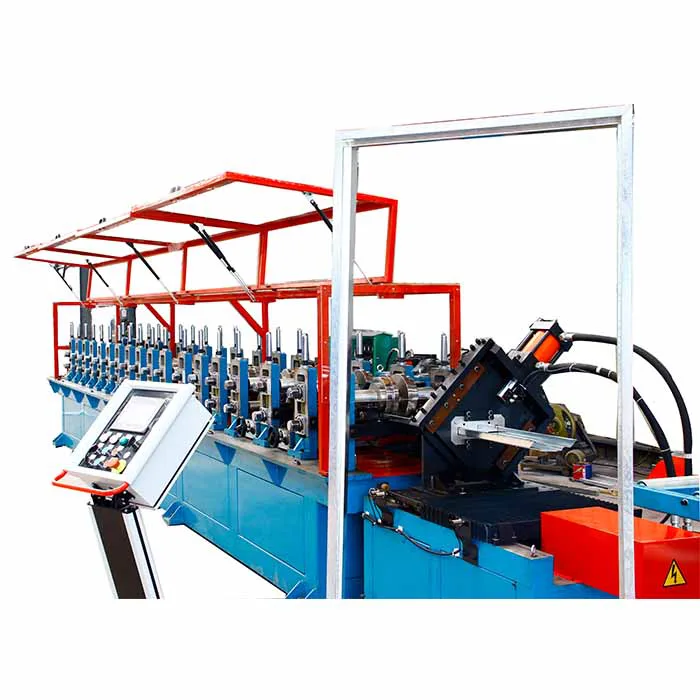
Sheet Metal Machinery: The Ultimate Guide to Industrial Fabrication Excellence
2026/03/04 -
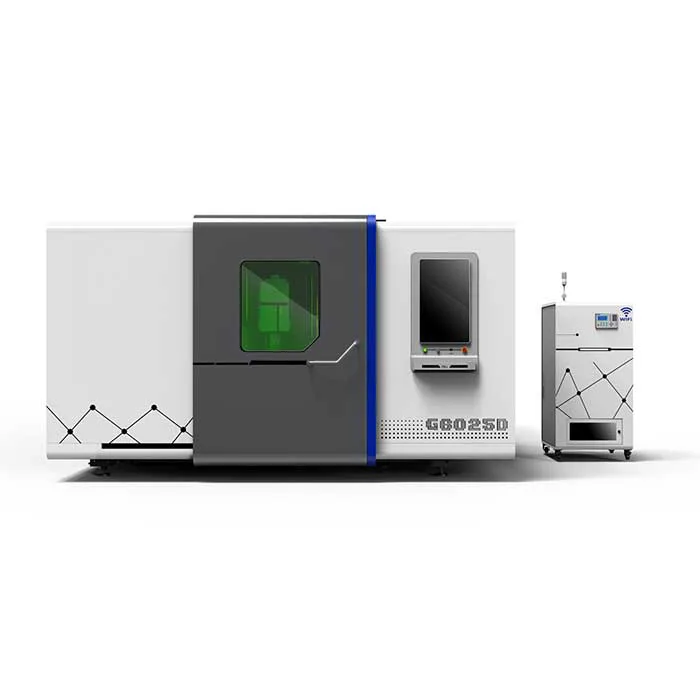
Iron Sheet Laser Cutting Machine: Unmatched Precision for Demanding Fabrication with METMAC
2026/01/06
-
Sheet Metal Press Brake: Ultimate Guide to Precision Bending Technology in 2024
2026/03/13 -
Metal Punching Machine: Ultimate Guide to Precision Manufacturing in 2024
2026/03/11 -
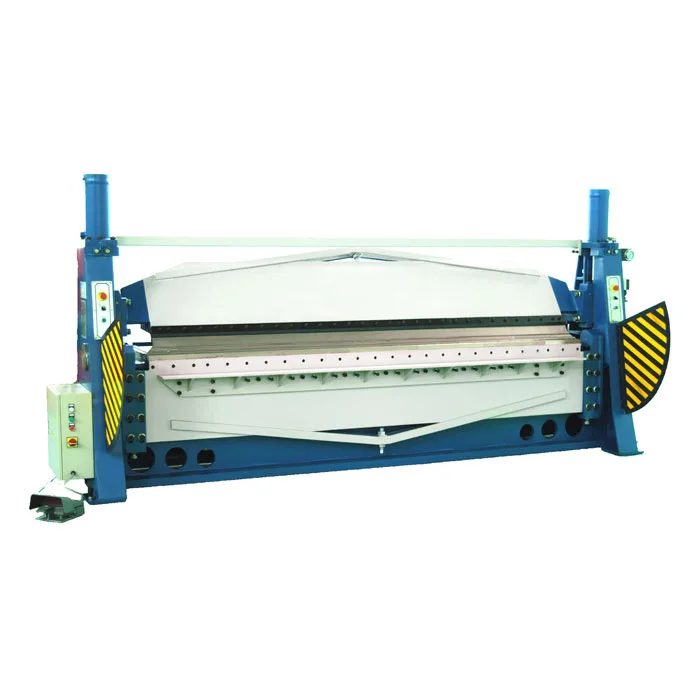
Metal Folding Machine: Comprehensive Guide to Precision Bending in 2024
2026/03/09 -
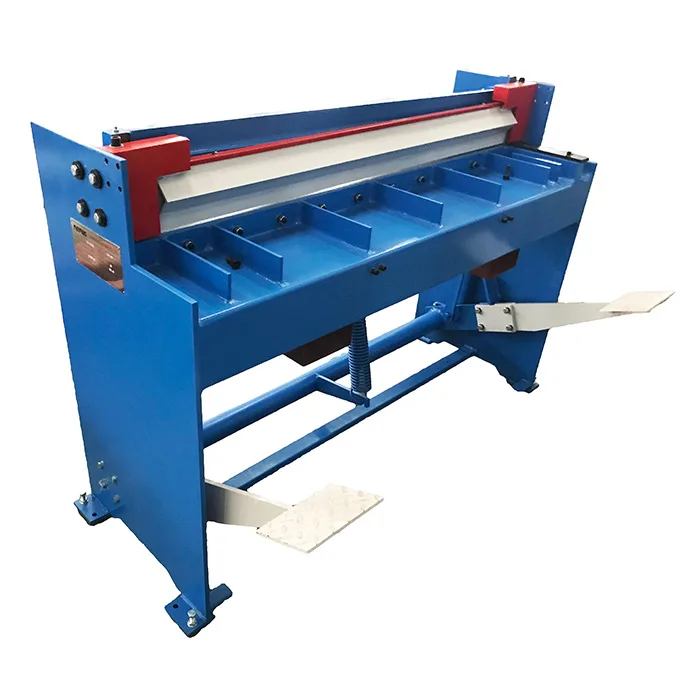
Sheet Metal Equipment: Ultimate Guide to Industrial Fabrication Solutions in 2026
2026/03/06
-
A Guide to the Latest Innovations in Sheet Metal Folding Machines
2024/11/29 -
Key Features to Consider When Investing in a Sheet Metal Folding Machine
2024/11/28 -
Enhancing Precision with Advanced Sheet Metal Folding Machines
2024/11/27 -
How to Choose the Right Sheet Metal Folding Machine for Your Workshop
2024/11/26
