


The Essentials of Metal Punching Machines- A Comprehensive Guide
Introduction:
In the realm of industrial fabrication, the might of metal punching machines reverberates with precision and power. These formidable tools, armed with intricate dies, pierce through metal sheets like a symphony of mechanical mastery. Embark on this comprehensive guide as we delve into the depths of these essential machines, unraveling their mechanisms, capabilities, and applications.
Understanding the Anatomy of a Metal Punching Machine:
These machines are comprised of several key components:
Frame: A rigid foundation that houses the other components.
C-Frame: A press-like structure that applies downward force.
Ram: A movable element that holds and actuates the punch die.
Punch Die: The tool that creates the desired shape by punching through the sheet metal.
Die Holder: The mount for the punch die, which guides its alignment.
Work Table: The surface where the sheet metal is positioned.
Types of Metal Punching Machines:
Various types of punching machines cater to different applications:
Turrets: Versatile machines with multiple punch stations arranged on a rotating turret.
Precision: Specialized for high-precision punching with tight tolerances.
CNC: Computer-controlled machines for complex shapes and automated operation.
Hydraulic: Utilizing hydraulic pressure for force application.
Mechanical: Employing mechanical linkages for punch actuation.
Capabilities and Applications:
Metal punching machines possess an array of capabilities:
Punching: Creating holes or other shapes by removing material.
Blanking: Producing intricate parts by shearing material around a specific shape.
Forming: Bending or embossing metal sheets without removing material.
Shearing: Cutting sheet metal along straight or curved lines.
These capabilities enable metal punching machines to serve industries such as:
Automotive: Manufacturing car parts, panels, and frames.
Aerospace: Producing aircraft components and engine parts.
Appliance: Fabricating refrigerators, stoves, and other household appliances.
Construction: Creating metal frames, roofing, and siding.
Electronics: Manufacturing circuit boards and electronic enclosures.
Optimization and Maintenance:
Maximizing the performance and longevity of metal punching machines requires proper optimization and maintenance:
Selecting the Right Dies: Matching the punch and die design to the desired shape and material thickness.
Proper Lubrication: Ensuring adequate lubrication points receive regular attention.
Preventative Maintenance: Regularly checking for wear and tear, inspecting electrical components, and performing necessary repairs.
Training Operators: Providing thorough training to ensure safe and efficient operation.
Conclusion:
Metal punching machines are indispensable tools in the metal fabrication industry. By understanding their components, capabilities, and optimization techniques, you can harness their power to create precision parts, enhance efficiency, and drive innovation across various sectors. Embrace this comprehensive guide as your roadmap to unlocking the full potential of these essential machines.
-
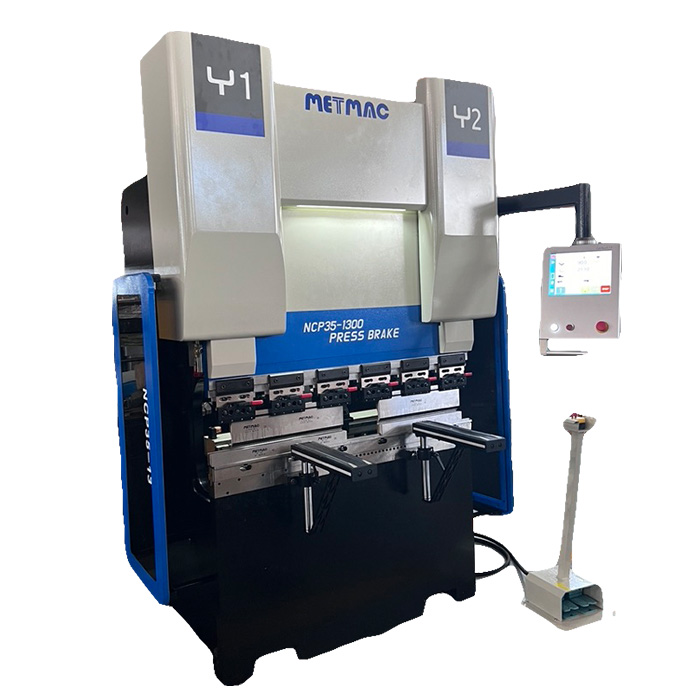
Press Metal Machine: The Definitive Guide to Precision Metal Forming
2026/03/12 -
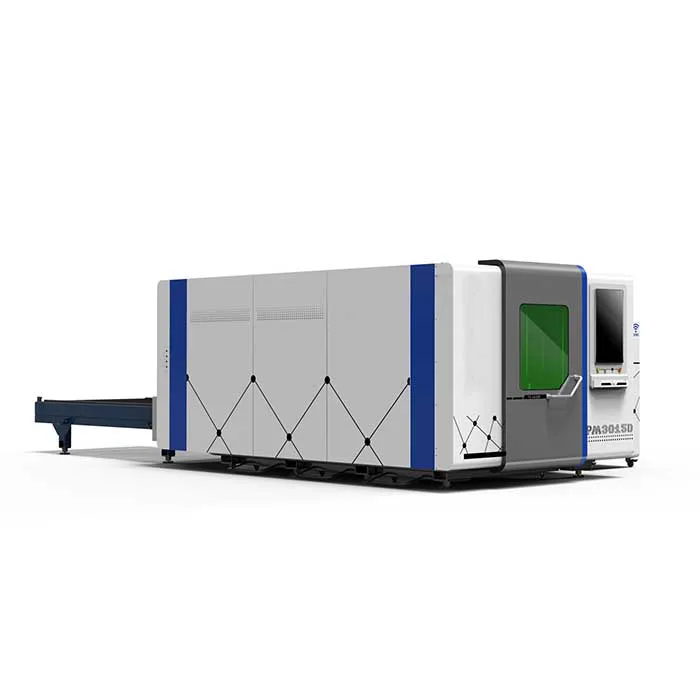
Metal Punching Machine: The Ultimate Guide to Precision Hole Punching
2026/03/10 -
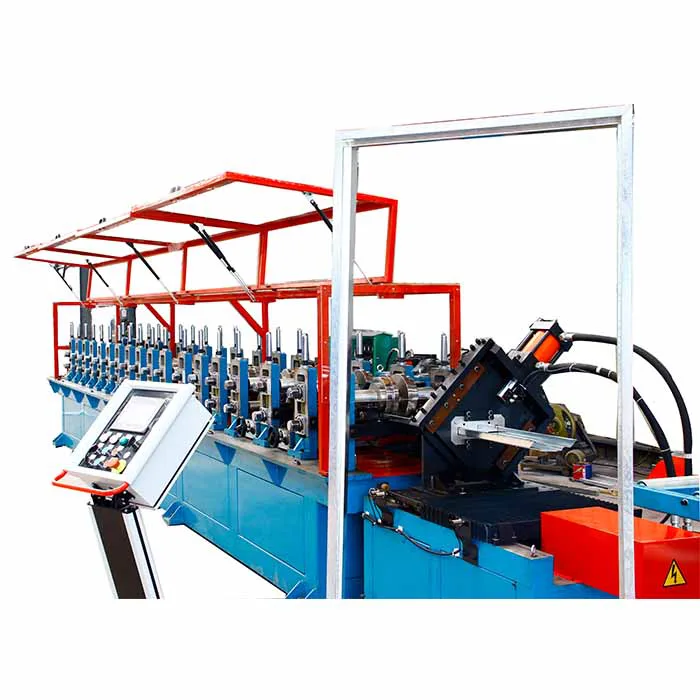
Sheet Metal Machinery: The Ultimate Guide to Industrial Fabrication Excellence
2026/03/04 -
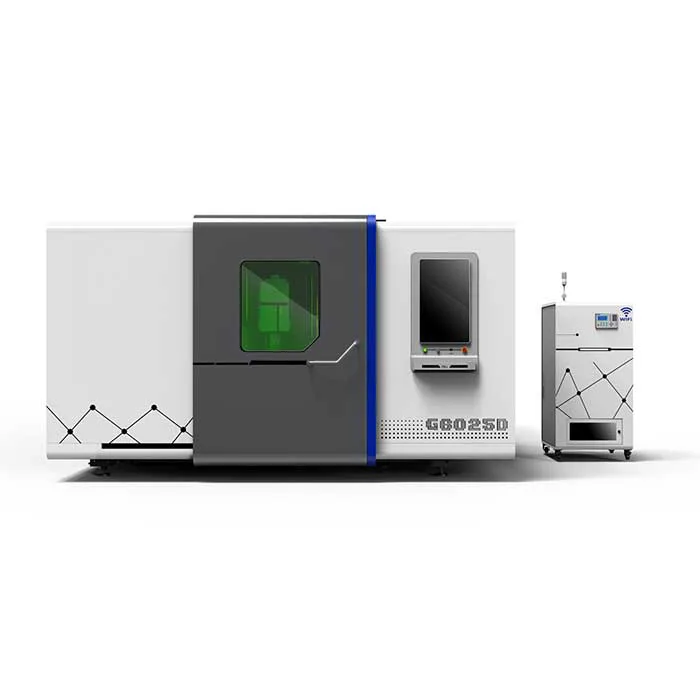
Iron Sheet Laser Cutting Machine: Unmatched Precision for Demanding Fabrication with METMAC
2026/01/06
-
Sheet Metal Press Brake: Ultimate Guide to Precision Bending Technology in 2024
2026/03/13 -
Metal Punching Machine: Ultimate Guide to Precision Manufacturing in 2024
2026/03/11 -
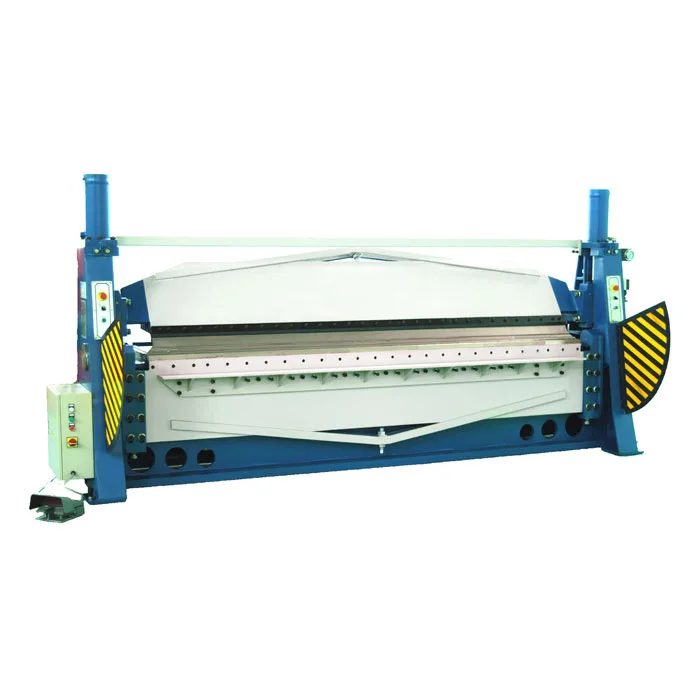
Metal Folding Machine: Comprehensive Guide to Precision Bending in 2024
2026/03/09 -
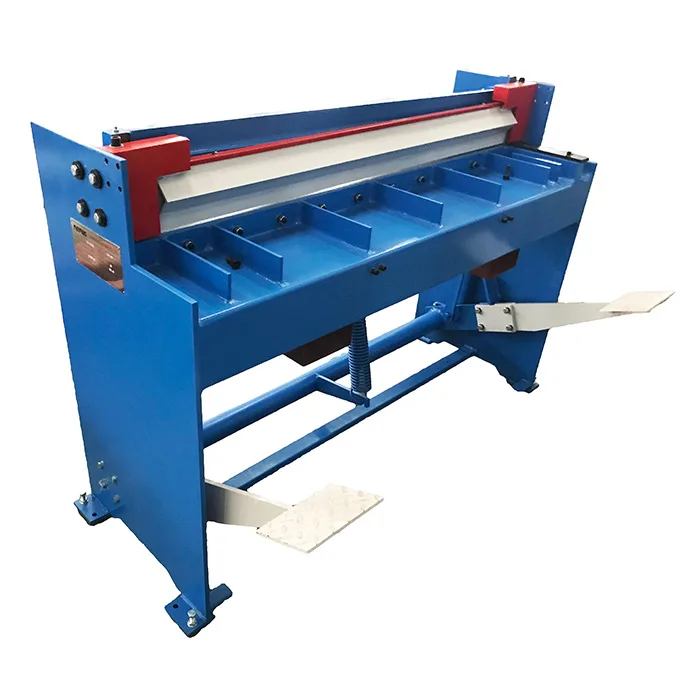
Sheet Metal Equipment: Ultimate Guide to Industrial Fabrication Solutions in 2026
2026/03/06
-
A Guide to the Latest Innovations in Sheet Metal Folding Machines
2024/11/29 -
Key Features to Consider When Investing in a Sheet Metal Folding Machine
2024/11/28 -
Enhancing Precision with Advanced Sheet Metal Folding Machines
2024/11/27 -
How to Choose the Right Sheet Metal Folding Machine for Your Workshop
2024/11/26
