


The Environmental Impact of Sheet Metal Folding Machines
Sheet metal folding machines are essential tools in the metalworking industry, used to bend and shape metal sheets into various forms. However, their operation can have significant environmental impacts, requiring a comprehensive understanding and mitigation strategies to minimize their footprint.
Energy Consumption and Greenhouse Gas Emissions
Sheet metal folding machines typically consume large amounts of electricity, contributing to greenhouse gas emissions. The energy required for powering the machine, operating hydraulic systems, and cooling systems can account for a substantial portion of a facility’s energy usage. Implementing energy-efficient technologies, such as variable-speed drives and regenerative braking systems, can reduce energy consumption and minimize carbon emissions.
Material Waste
The folding process often generates scrap metal, contributing to material waste. Cutting and trimming operations can result in significant amounts of excess material, which is often discarded or recycled. Implementing efficient nesting algorithms, optimizing sheet utilization, and exploring alternative materials with lower environmental impact can reduce material waste and conserve resources.
Air Pollution
Sheet metal folding machines can release particulate matter, volatile organic compounds (VOCs), and other air pollutants during operation. These emissions can contribute to air pollution, respiratory issues, and other adverse health effects. Installing effective filtration systems, using low-VOC materials, and ensuring proper ventilation can mitigate air pollution and protect human health.
Water Consumption and Wastewater Discharge
Some sheet metal folding machines use water-based cooling systems, which can lead to water consumption and wastewater discharge. The water used for cooling can contain contaminants, such as heavy metals and solvents, potentially polluting water bodies. Implementing closed-loop cooling systems, recycling water, and treating wastewater before discharge can minimize water consumption and reduce environmental impacts.
Noise Pollution
The operation of sheet metal folding machines can generate significant noise levels, creating a nuisance and potential health concerns for workers and the surrounding community. Installing sound-dampening enclosures, using vibration-isolating mounts, and implementing noise-reduction technologies can reduce noise pollution and improve workplace safety.
Environmental Regulations and Compliance
To mitigate the environmental impact of sheet metal folding machines, various environmental regulations and standards have been established. These regulations often mandate compliance with specific emission limits, energy efficiency requirements, and waste management practices. Facilities must stay up-to-date with applicable regulations and implement appropriate measures to demonstrate compliance.
Conclusion
The environmental impact of sheet metal folding machines can be significant, encompassing energy consumption, material waste, air pollution, water consumption, and noise pollution. By adopting comprehensive mitigation strategies, such as energy-efficient technologies, reduced material waste, pollution control systems, and compliance with environmental regulations, manufacturers and operators can minimize the environmental footprint and contribute to a more sustainable manufacturing industry.
-
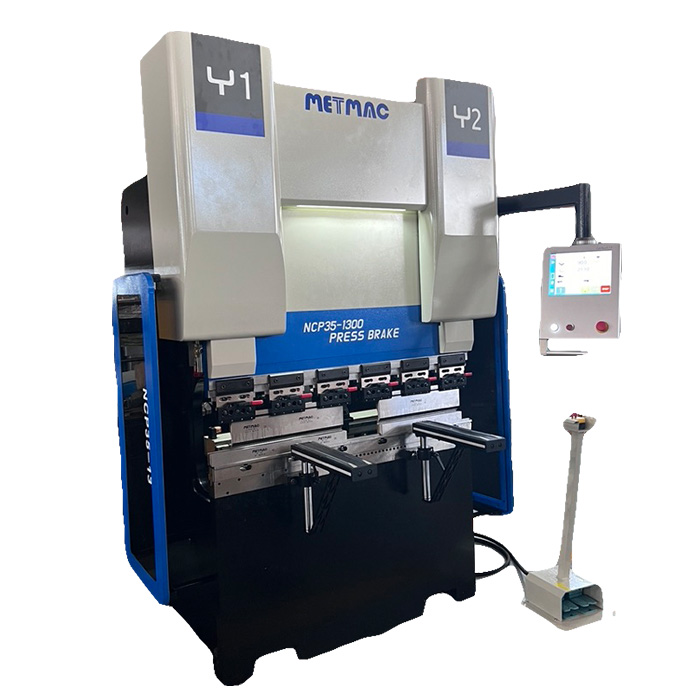
Press Metal Machine: The Definitive Guide to Precision Metal Forming
2026/03/12 -
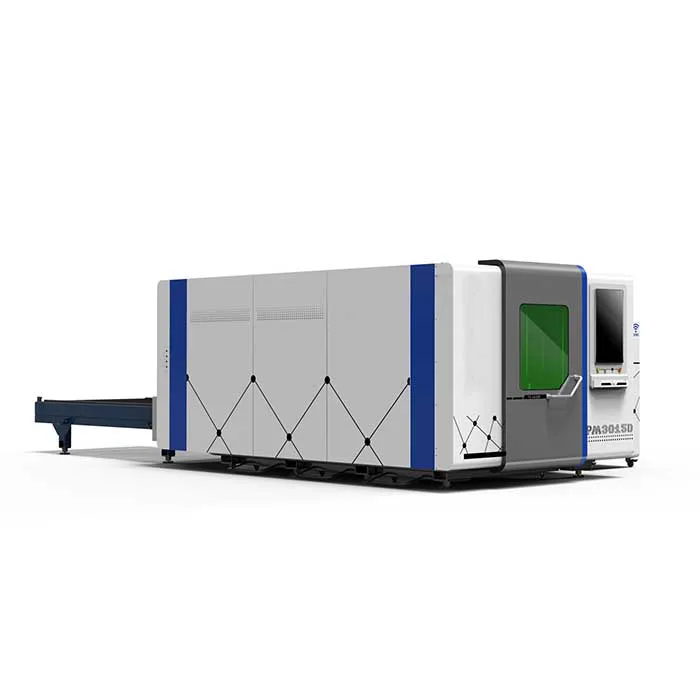
Metal Punching Machine: The Ultimate Guide to Precision Hole Punching
2026/03/10 -
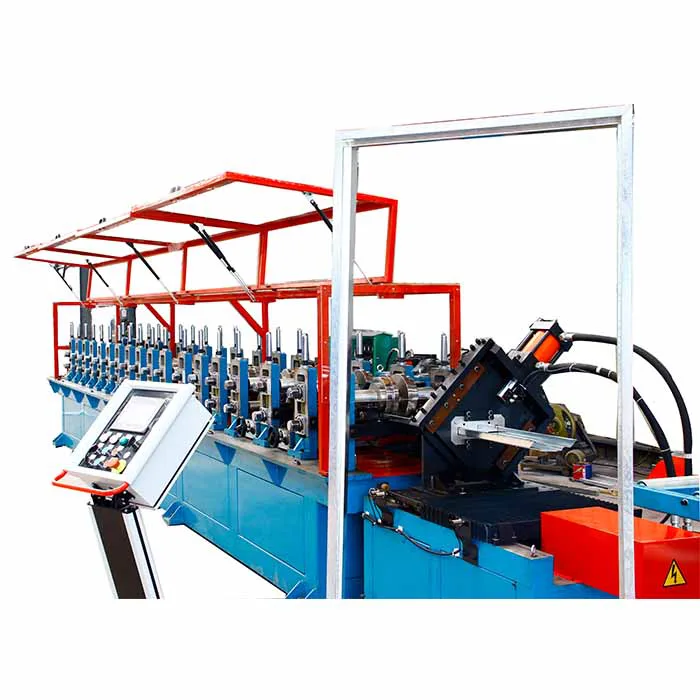
Sheet Metal Machinery: The Ultimate Guide to Industrial Fabrication Excellence
2026/03/04 -
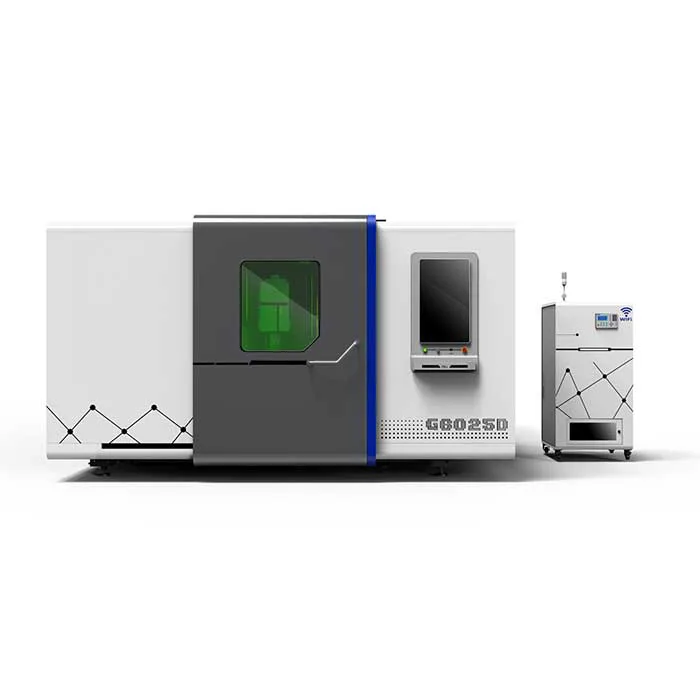
Iron Sheet Laser Cutting Machine: Unmatched Precision for Demanding Fabrication with METMAC
2026/01/06
-
Sheet Metal Press Brake: Ultimate Guide to Precision Bending Technology in 2024
2026/03/13 -
Metal Punching Machine: Ultimate Guide to Precision Manufacturing in 2024
2026/03/11 -
Metal Folding Machine: Comprehensive Guide to Precision Bending in 2024
2026/03/09 -
Sheet Metal Equipment: Ultimate Guide to Industrial Fabrication Solutions in 2026
2026/03/06
-
A Guide to the Latest Innovations in Sheet Metal Folding Machines
2024/11/29 -
Key Features to Consider When Investing in a Sheet Metal Folding Machine
2024/11/28 -
Enhancing Precision with Advanced Sheet Metal Folding Machines
2024/11/27 -
How to Choose the Right Sheet Metal Folding Machine for Your Workshop
2024/11/26
