


The Environmental Impact of Sheet Bending Machines
Sheet bending machines, commonly used in metal fabrication, play a significant role in shaping sheet metal into various forms. Their widespread use, however, raises concerns about their environmental footprint. This article aims to examine the multifaceted environmental impact of sheet bending machines, highlighting the need for sustainable practices in the industry.
Energy Consumption
Sheet bending machines consume a substantial amount of energy during operation. The process of bending sheet metal requires the application of force, which translates into energy expenditure. The energy source, whether electricity or hydraulic power, contributes to greenhouse gas emissions and depletes non-renewable resources. To mitigate this impact, manufacturers can opt for energy-efficient machines, optimize machine utilization, and explore renewable energy sources.
Emissions
The operation of sheet bending machines releases various types of emissions into the environment. These emissions primarily consist of particulate matter, volatile organic compounds (VOCs), and greenhouse gases. Particulate matter can cause respiratory issues, while VOCs contribute to smog and air pollution. Greenhouse gases, such as carbon dioxide, trap heat in the atmosphere and exacerbate climate change. By implementing emission control measures, such as dust collectors and catalytic converters, manufacturers can minimize the environmental impact of sheet bending machines.
Waste Generation
Sheet bending processes often generate waste materials, including scrap metal and cutting fluids. Scrap metal, if not properly disposed of, can end up in landfills, contributing to waste accumulation. Cutting fluids, used to lubricate the bending process, may contain hazardous chemicals that pose risks to human health and the environment. Proper waste management practices, such as recycling scrap metal and treating cutting fluids, are essential to minimize the environmental footprint of sheet bending machines.
Resource Depletion
The manufacturing of sheet bending machines requires the use of various materials, including steel, aluminum, and hydraulic components. The extraction and processing of these materials can lead to resource depletion and environmental degradation. By incorporating recycled materials into machine production and implementing sustainable manufacturing practices, manufacturers can reduce their reliance on virgin resources and mitigate their environmental impact.
Noise Pollution
Sheet bending machines can generate significant noise during operation. This noise can be disruptive to workers and communities in close proximity to manufacturing facilities. Prolonged exposure to noise can lead to hearing loss, sleep disturbance, and other health issues. By installing soundproofing measures and implementing noise-reducing machine designs, manufacturers can minimize the noise pollution associated with sheet bending operations.
Conclusion
The environmental impact of sheet bending machines is multifaceted, encompassing energy consumption, emissions, waste generation, resource depletion, and noise pollution. Addressing these concerns requires proactive measures from manufacturers, including the adoption of energy-efficient technologies, implementation of emission control measures, adoption of sustainable waste management practices, and incorporation of recycled materials into machine production. By embracing environmental sustainability, the sheet bending industry can minimize its ecological footprint and contribute to a greener future.
-
Press Metal Machine: The Definitive Guide to Precision Metal Forming
2026/03/12 -
Metal Punching Machine: The Ultimate Guide to Precision Hole Punching
2026/03/10 -
Sheet Metal Machinery: The Ultimate Guide to Industrial Fabrication Excellence
2026/03/04 -
Iron Sheet Laser Cutting Machine: Unmatched Precision for Demanding Fabrication with METMAC
2026/01/06
-
Sheet Metal Press Brake: Ultimate Guide to Precision Bending Technology in 2024
2026/03/13 -
Metal Punching Machine: Ultimate Guide to Precision Manufacturing in 2024
2026/03/11 -
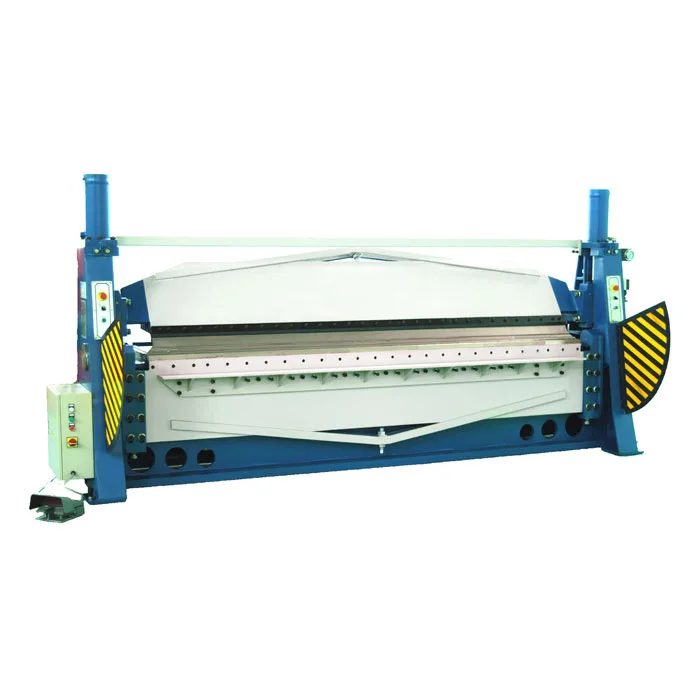
Metal Folding Machine: Comprehensive Guide to Precision Bending in 2024
2026/03/09 -
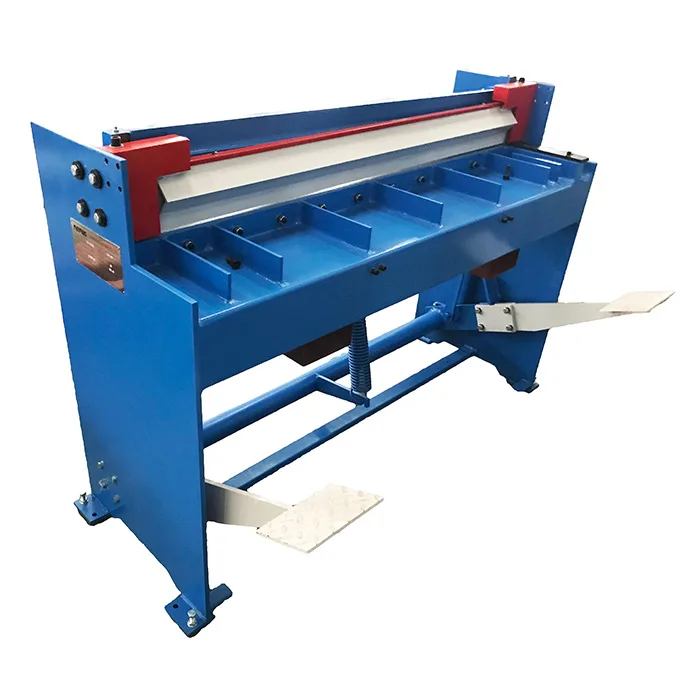
Sheet Metal Equipment: Ultimate Guide to Industrial Fabrication Solutions in 2026
2026/03/06
-
A Guide to the Latest Innovations in Sheet Metal Folding Machines
2024/11/29 -
Key Features to Consider When Investing in a Sheet Metal Folding Machine
2024/11/28 -
Enhancing Precision with Advanced Sheet Metal Folding Machines
2024/11/27 -
How to Choose the Right Sheet Metal Folding Machine for Your Workshop
2024/11/26
