


The Environmental Impact of Modern Duct Forming Machines
In the realm of modern industrial equipment, duct forming machines play a crucial role in shaping metal sheets into ventilation systems. However, their environmental implications warrant careful consideration as they contribute to resource consumption and waste generation. This article delves into the multifaceted environmental impact of modern duct forming machines.
Energy Consumption
Duct forming machines consume a significant amount of energy during operation. The process of bending and shaping metal sheets requires high-powered motors and hydraulic systems, which consume electricity or fossil fuels. The energy source used for these machines directly affects their carbon footprint. Renewable energy sources, such as solar or wind power, can reduce their environmental impact.
Material Waste
Duct forming involves cutting and shaping metal sheets, resulting in considerable material waste. The scraps and offcuts generated contribute to the growing landfill problem. Recycling programs and proper waste management practices can mitigate this impact by diverting waste materials from landfills and reintroducing them into the production cycle.
Noise Pollution
Modern duct forming machines generate substantial noise levels during operation. The bending and hammering processes produce high-decibel noise, which can cause discomfort and health concerns for workers and nearby communities. Soundproofing measures, such as enclosures or noise-dampening materials, can minimize noise pollution.
Air Pollution
The operation of duct forming machines can release air pollutants. The use of lubricants and coolants during the forming process can generate harmful emissions, contributing to air quality degradation. Proper ventilation systems and air quality control measures can mitigate this impact by capturing and filtering emissions.
Water Consumption
Some duct forming machines utilize water-based coolants to prevent overheating and ensure precision. Excessive water consumption can strain local water resources and increase the environmental footprint of these machines. Water-efficient coolants and closed-loop cooling systems can reduce water consumption and minimize pollution.
Sustainable Alternatives
Manufacturers are investing in sustainable alternatives to reduce the environmental impact of duct forming machines. These include:
Energy-efficient machines: Designed with variable speed drives and efficient motors to reduce energy consumption.
Optimized designs: Machines that minimize material waste by using advanced cutting and bending techniques.
Low-noise machines: Machines equipped with soundproofing materials and vibration-damping systems to reduce noise pollution.
Eco-friendly coolants: Non-toxic and biodegradable coolants that minimize air and water pollution.
Conclusion
Modern duct forming machines play a vital role in the construction industry, but their environmental impact must be carefully managed. By understanding the various aspects of their environmental footprint, manufacturers and users can implement sustainable practices and technologies to mitigate negative impacts. Embracing energy-efficient designs, reducing material waste, controlling noise pollution, minimizing air and water pollution, and exploring sustainable alternatives will pave the way for a greener future in duct forming.
-
Choosing HVAC Duct Folding Machines for Flange-Safe Bending
2026/10/13 -
Precision Metal Forming Machines: What Separates Accurate Bends From Scrapped Sheet
2026/10/12 -
What to Look for in an HVAC Folding Machine Manufacturer
2026/10/11 -
Steel Strip Cutting Machine: Engineering Precision in Modern Metal Processing
2026/10/10
-
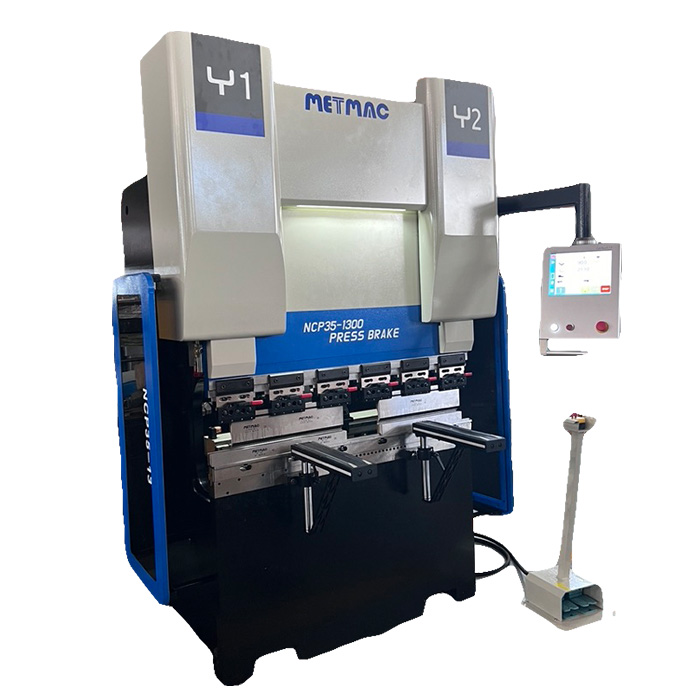
Sheet Metal Press Brake: Ultimate Guide to Precision Bending Technology in 2024
2026/03/13 -
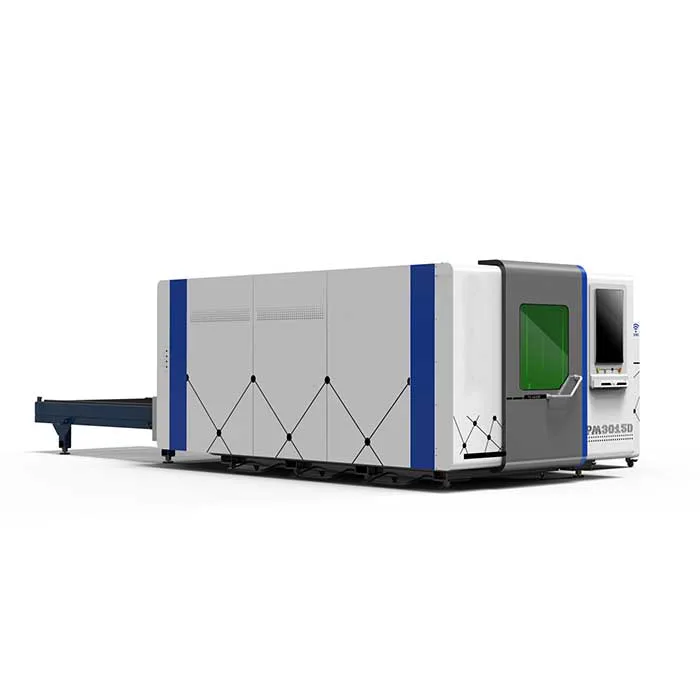
Metal Punching Machine: Ultimate Guide to Precision Manufacturing in 2024
2026/03/11 -
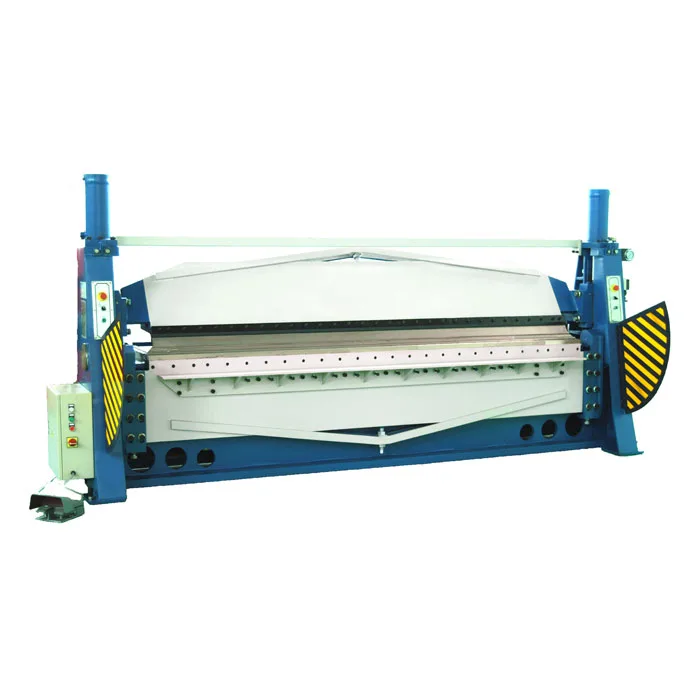
Metal Folding Machine: Comprehensive Guide to Precision Bending in 2024
2026/03/09 -
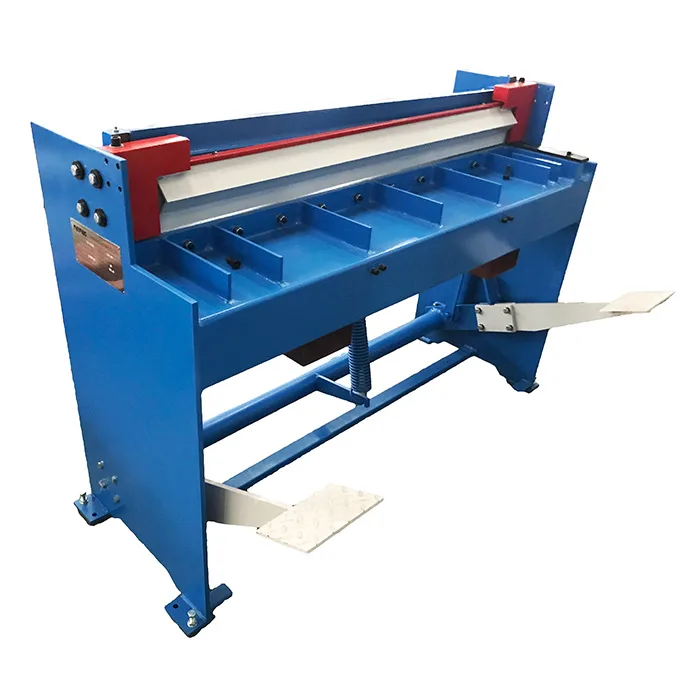
Sheet Metal Equipment: Ultimate Guide to Industrial Fabrication Solutions in 2026
2026/03/06
-
A Guide to the Latest Innovations in Sheet Metal Folding Machines
2024/11/29 -
Key Features to Consider When Investing in a Sheet Metal Folding Machine
2024/11/28 -
Enhancing Precision with Advanced Sheet Metal Folding Machines
2024/11/27 -
How to Choose the Right Sheet Metal Folding Machine for Your Workshop
2024/11/26
