


The Environmental Impact of Metal Curving Processes and How to Mitigate It
Introduction
Metal curving processes are essential in various industries, including construction, automotive, and manufacturing. However, these processes can have a significant environmental impact if not managed effectively. This article examines the environmental consequences of metal curving and explores strategies to mitigate its negative effects.
Air Pollution
Air pollution is a major concern associated with metal curving processes. The use of lubricants and coolants during bending operations releases volatile organic compounds (VOCs) into the atmosphere. VOCs contribute to ozone formation and other air quality issues, posing risks to human health and the environment.
Mitigation Strategies:
Use low-VOC lubricants and coolants.
Implement proper ventilation and air filtration systems.
Consider using water-based lubricants.
Liquid Waste
Metal curving processes generate liquid waste, primarily wastewater containing metal particles and cutting fluid residues. Improper disposal of wastewater can contaminate water bodies and harm aquatic ecosystems.
Mitigation Strategies:
Install wastewater treatment systems to remove contaminants.
Recycle cutting fluids to reduce waste generation.
Use biodegradable cutting fluids.
Solid Waste
Metal cutting operations produce significant amounts of solid waste, including scrap metal and cutting tool inserts. Landfilling or incinerating this waste can release pollutants into the environment.
Mitigation Strategies:
Recycle scrap metal for reuse.
Donate or resell used cutting tool inserts.
Explore waste-to-energy technologies to generate electricity from solid waste.
Energy Consumption
Metal curving processes require substantial energy consumption, primarily from electrical or hydraulic power. Excessive energy use contributes to greenhouse gas emissions and depletion of non-renewable resources.
Mitigation Strategies:
Use energy-efficient equipment with optimized motor sizes and variable speed drives.
Implement process optimizations to reduce cycle times and energy consumption.
Consider renewable energy sources for powering operations.
Noise Pollution
Metal curving can produce significant noise, causing noise pollution in industrial areas. High noise levels can affect workers’ health and well-being while also disturbing nearby communities.
Mitigation Strategies:
Install noise barriers or enclosures around bending operations.
Use low-noise equipment and machinery.
Implement vibration damping techniques.
Conclusion
Metal curving processes play a crucial role in various industries but can have a substantial environmental impact if not managed responsibly. By adopting the mitigation strategies outlined in this article, manufacturers can minimize air pollution, reduce liquid and solid waste generation, optimize energy consumption, and mitigate noise pollution. These practices will help protect the environment, promote sustainable manufacturing, and ensure the long-term viability of the metal curving industry.
-
Press Metal Machine: The Definitive Guide to Precision Metal Forming
2026/03/12 -
Metal Punching Machine: The Ultimate Guide to Precision Hole Punching
2026/03/10 -
Sheet Metal Machinery: The Ultimate Guide to Industrial Fabrication Excellence
2026/03/04 -
Iron Sheet Laser Cutting Machine: Unmatched Precision for Demanding Fabrication with METMAC
2026/01/06
-
Sheet Metal Press Brake: Ultimate Guide to Precision Bending Technology in 2024
2026/03/13 -
Metal Punching Machine: Ultimate Guide to Precision Manufacturing in 2024
2026/03/11 -
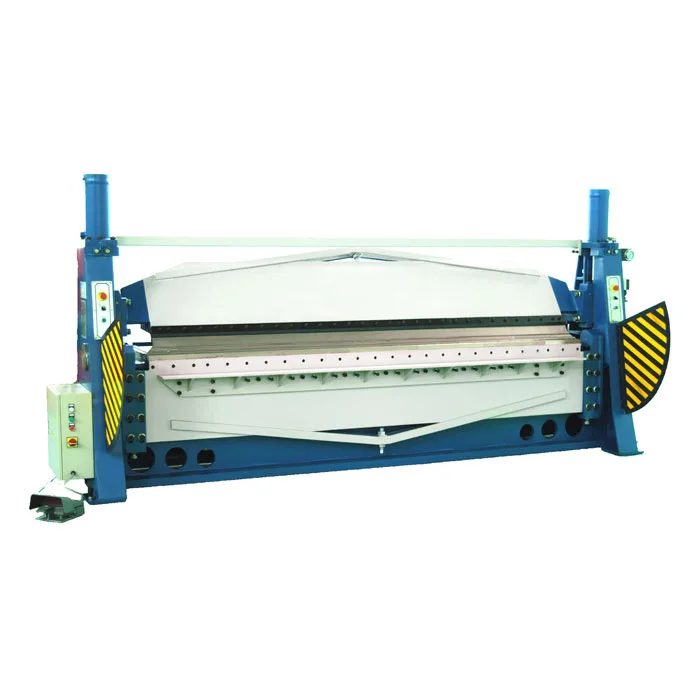
Metal Folding Machine: Comprehensive Guide to Precision Bending in 2024
2026/03/09 -
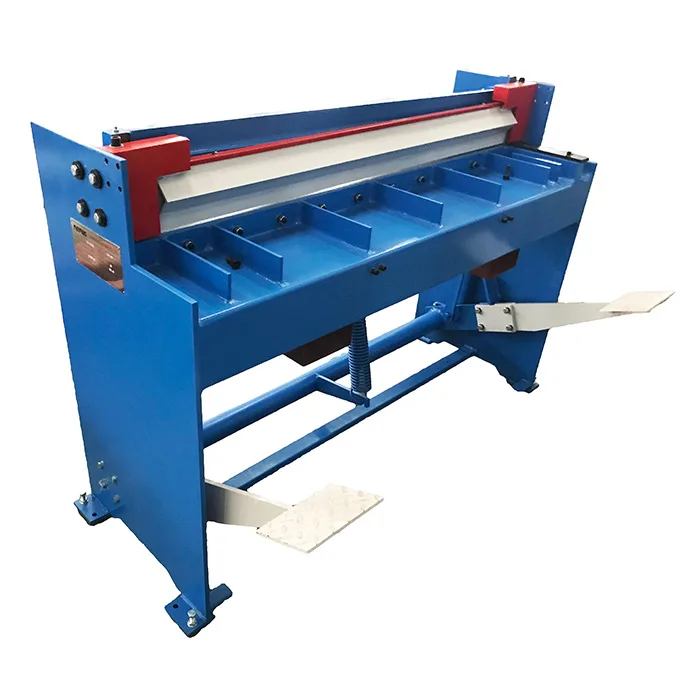
Sheet Metal Equipment: Ultimate Guide to Industrial Fabrication Solutions in 2026
2026/03/06
-
Understanding the Role and Function of Steel Strip Slitting Machines
2024/05/11 -
Maintenance Tips for Longevity of HVAC Duct Machines
2024/05/11 -
Innovations in Steel Strip Slitting Machine Design and Technology
2024/05/11 -
Improving Accuracy in Metal Fabrication with Laser Metal Shear Machines
2024/05/11
-
A Guide to the Latest Innovations in Sheet Metal Folding Machines
2024/11/29 -
Key Features to Consider When Investing in a Sheet Metal Folding Machine
2024/11/28 -
Enhancing Precision with Advanced Sheet Metal Folding Machines
2024/11/27 -
How to Choose the Right Sheet Metal Folding Machine for Your Workshop
2024/11/26
