

The Environmental Benefits of Using Laser Sheet Cutting Machines
Laser sheet cutting machines are rapidly becoming the preferred choice for businesses across a wide range of industries. Not only do they offer precision, efficiency, and versatility, but they also provide significant environmental benefits compared to traditional cutting methods.
Reduced Energy Consumption
Laser sheet cutting machines consume significantly less energy than traditional methods such as plasma cutting or water jet cutting. The laser beam is highly focused and concentrated, reducing the amount of energy lost during the cutting process. In fact, laser sheet cutting machines can use up to 70% less energy than other methods, resulting in lower operating costs and reduced carbon footprint.
Minimal Waste Generation
Traditional cutting methods often generate a substantial amount of waste in the form of scrap metal and cutting fluids. Laser sheet cutting machines, on the other hand, produce minimal waste. The laser beam vaporizes the material being cut, leaving behind a clean and precise edge. This reduces the need for costly disposal methods and conserves valuable resources.
Decreased Air Pollution
Traditional cutting methods release harmful gases and particles into the atmosphere, contributing to air pollution. Laser sheet cutting machines, however, generate very few emissions. The laser beam does not produce smoke or fumes, and it does not require the use of toxic cutting fluids. This helps to improve indoor air quality and protect the environment.
Reduced Water Consumption
Water jet cutting machines use large amounts of water to cool the cutting head and remove debris. Laser sheet cutting machines, on the other hand, use no water whatsoever. This not only saves water resources but also eliminates the environmental impact associated with wastewater disposal.
Increased Sustainability
Laser sheet cutting machines contribute to increased sustainability in several ways. By reducing energy consumption, minimizing waste generation, decreasing air pollution, and eliminating water use, they help businesses reduce their environmental footprint and promote a more sustainable future. Additionally, laser sheet cutting machines are often made from recyclable materials, further reducing their environmental impact.
Conclusion
In conclusion, laser sheet cutting machines offer significant environmental benefits compared to traditional cutting methods. Their energy efficiency, minimal waste generation, decreased air pollution, reduced water consumption, and increased sustainability make them an environmentally friendly and cost-effective choice for businesses looking to reduce their environmental impact and contribute to a more sustainable future.
-
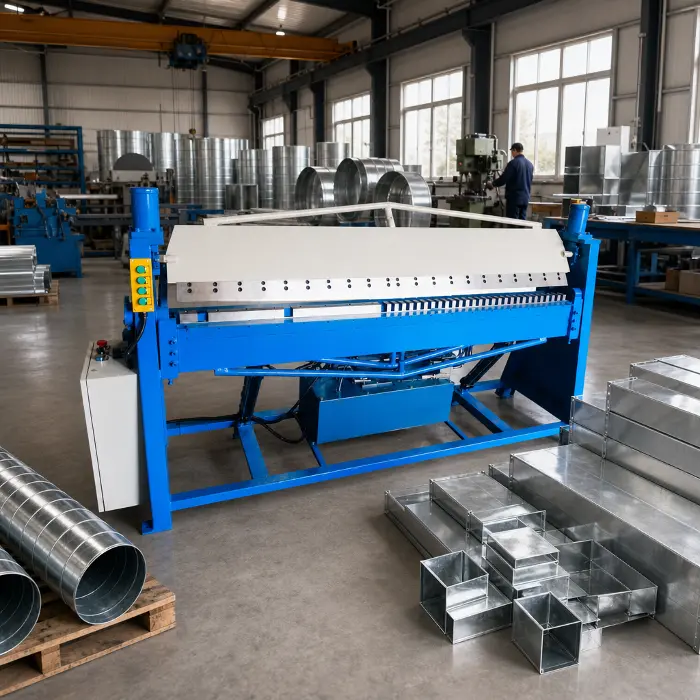
What to Look for in an HVAC Folding Machine Manufacturer
2026/10/11 -
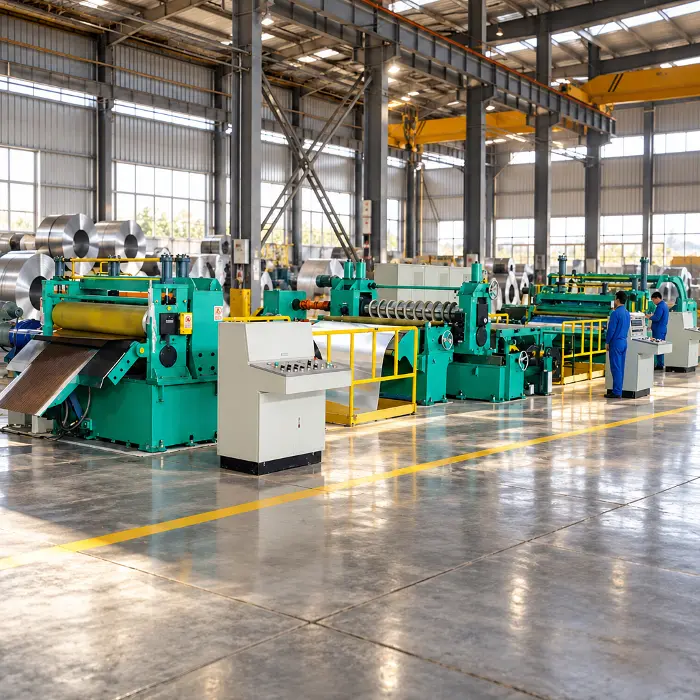
Steel Strip Cutting Machine: Engineering Precision in Modern Metal Processing
2026/10/10 -
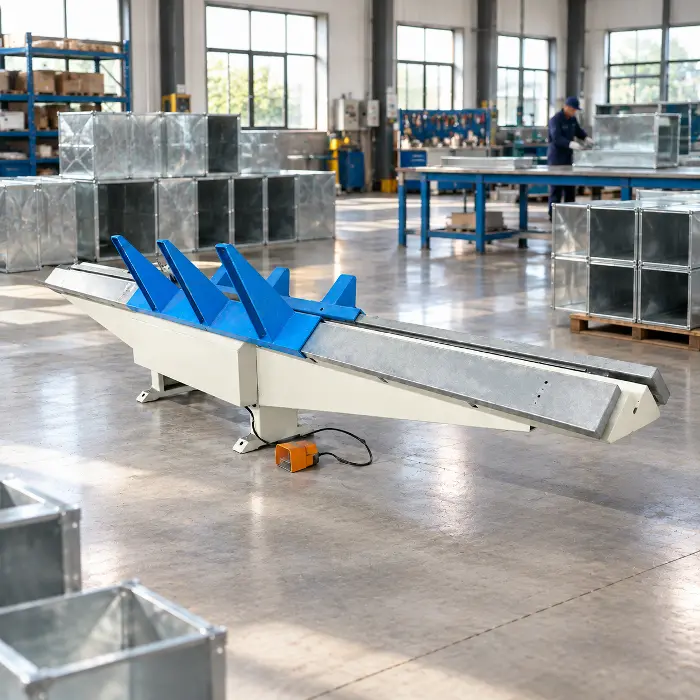
How Duct Zipper Machines Streamline Rectangular Channel Assembly
2026/10/09 -
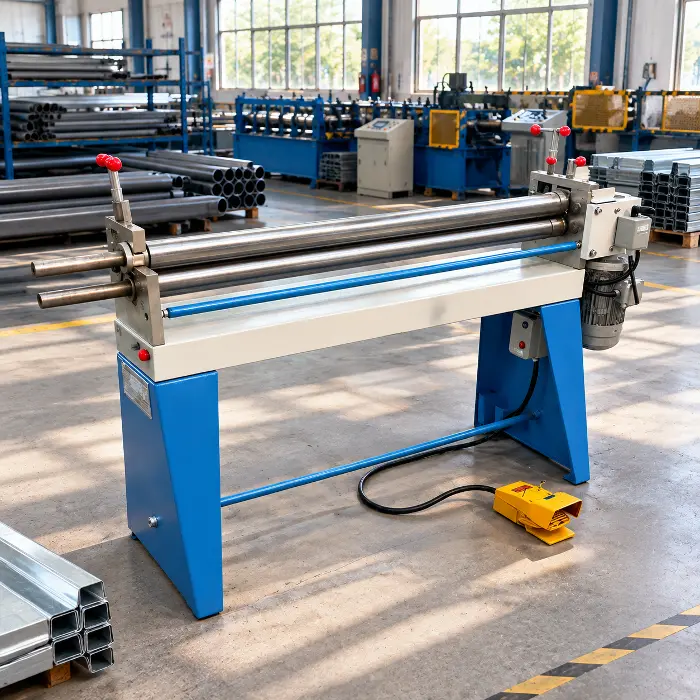
Roll Forming Machines: How Sheet Metal Becomes Structural Shapes
2026/10/08
-
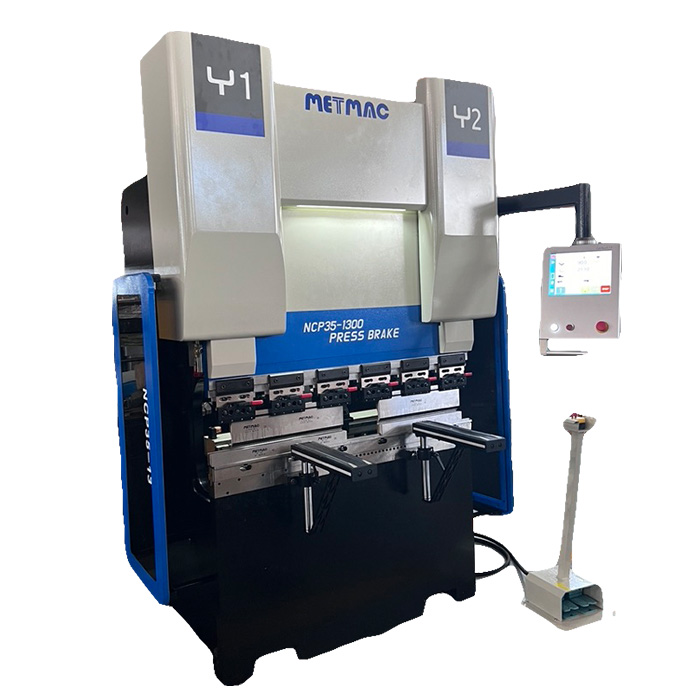
Sheet Metal Press Brake: Ultimate Guide to Precision Bending Technology in 2024
2026/03/13 -
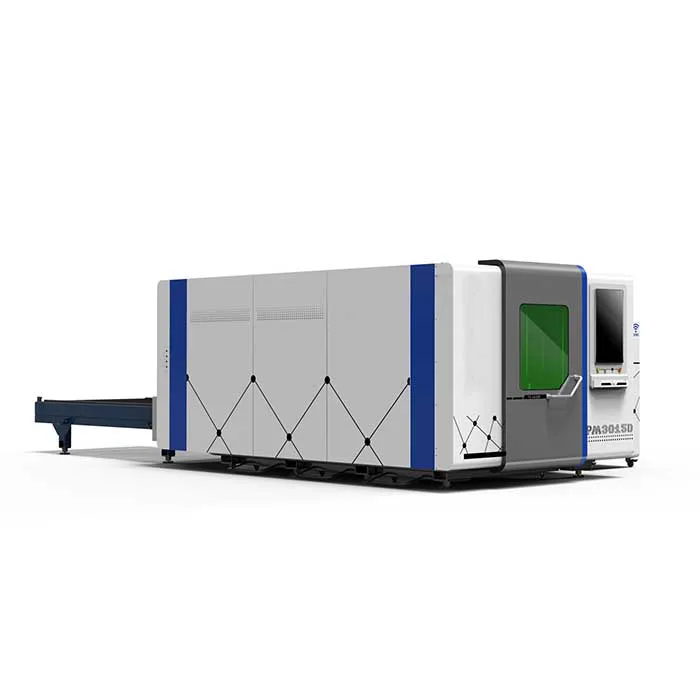
Metal Punching Machine: Ultimate Guide to Precision Manufacturing in 2024
2026/03/11 -
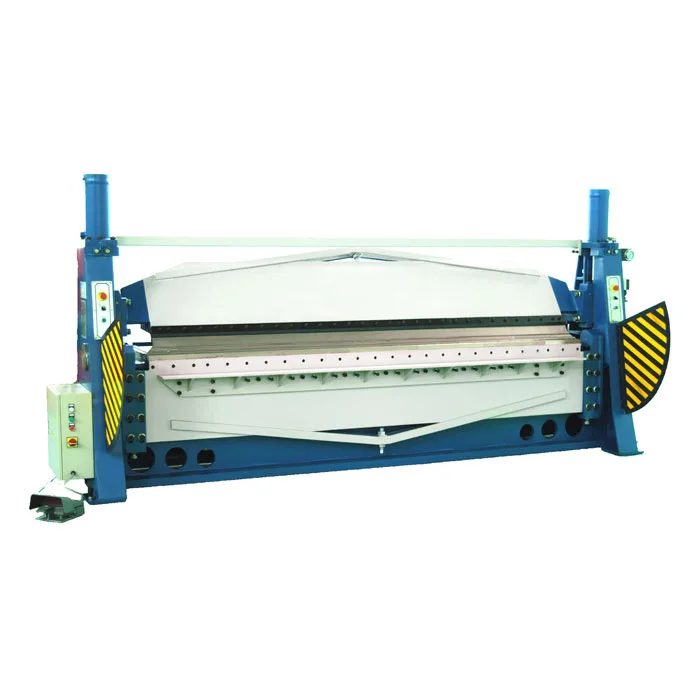
Metal Folding Machine: Comprehensive Guide to Precision Bending in 2024
2026/03/09 -
Sheet Metal Equipment: Ultimate Guide to Industrial Fabrication Solutions in 2026
2026/03/06
-
Innovations in Steel Strip Slitting Machine Design and Technology
2024/05/11 -
Improving Accuracy in Metal Fabrication with Laser Metal Shear Machines
2024/05/11 -
Latest Technological Advancements in Rectangular Duct Machines
2024/05/11 -
Integrating Automation with Rectangular Duct Machines for Enhanced Productivity
2024/05/11
-
A Guide to the Latest Innovations in Sheet Metal Folding Machines
2024/11/29 -
Key Features to Consider When Investing in a Sheet Metal Folding Machine
2024/11/28 -
Enhancing Precision with Advanced Sheet Metal Folding Machines
2024/11/27 -
How to Choose the Right Sheet Metal Folding Machine for Your Workshop
2024/11/26
