


The Best Practices for Operating Roof Sheet Making Machines
The Best Practices for Operating Roof Sheet Making Machines: A Comprehensive Guide
The Best Practices for Operating Roof Sheet Making Machines is a comprehensive guide designed to provide readers with the knowledge and skills necessary to operate roof sheet making machines safely and efficiently. This article will delve into the essential aspects of operating these machines, including setup, operation, maintenance, and troubleshooting, to help readers achieve optimal performance and extend the lifespan of their equipment.
Proper Setup
Before operating roof sheet making machines, it is crucial to ensure proper setup to prevent damage to the machine and produce high-quality sheets. This involves leveling the machine on a stable surface, securely fastening all components, and adjusting the roller settings to match the desired sheet specifications. Additionally, it is essential to check the oil levels and lubrication points to ensure smooth operation.
Safe Operation
Safety should be paramount when operating roof sheet making machines. Operators must always wear appropriate personal protective equipment, including gloves, safety glasses, and hearing protection. They should also be familiar with the machine’s controls and emergency stop procedures. It is crucial to avoid overfeeding the machine and maintain a steady pace to prevent material damage or injury.
Regular Maintenance
Regular maintenance is essential to keep roof sheet making machines in optimal condition. This includes cleaning the machine after each use to remove any debris or dirt. Regularly inspect the rollers, bearings, and other components for signs of wear or damage. Proper lubrication and oil changes are also vital for smooth operation and extended machine life.
Troubleshooting Common Issues
Even with proper setup, operation, and maintenance, issues may arise while operating roof sheet making machines. Some common problems include:
Improper Sheet Formation: This can be caused by incorrect roller settings, worn-out rollers, or misalignment of components.
Material Jams: Overfeeding or improper material alignment can cause material jams. It is essential to clear these jams immediately to prevent damage to the machine.
Overheating: Excessive friction or blocked ventilation can lead to overheating. Allow the machine to cool down before continuing operation.
Electrical Faults: Faulty wiring or loose connections can cause electrical faults. Do not attempt to repair these issues independently. Consult a qualified electrician.
By following the best practices outlined in this article, operators can enhance their productivity, ensure safety, and extend the lifespan of their roof sheet making machines. With proper setup, operation, maintenance, and troubleshooting techniques, readers can effectively produce high-quality roof sheets and maximize their machine’s performance.
-
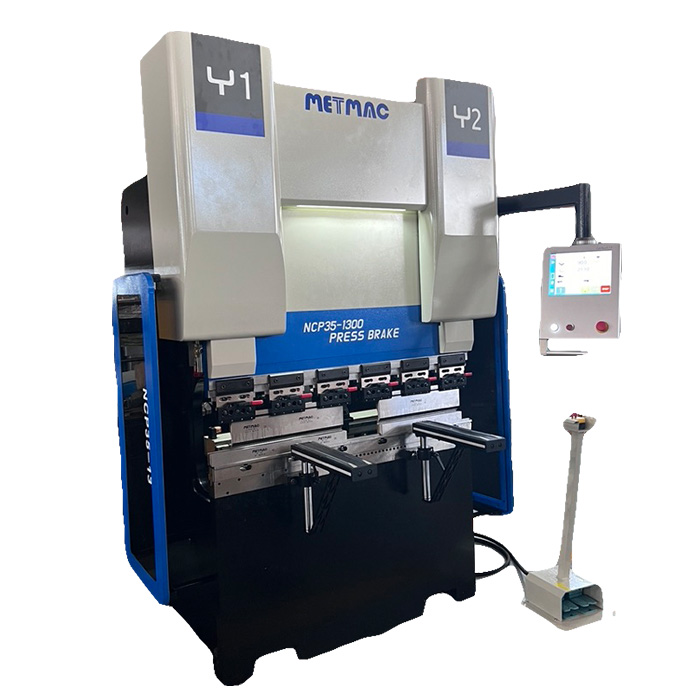
Press Metal Machine: The Definitive Guide to Precision Metal Forming
2026/03/12 -
Metal Punching Machine: The Ultimate Guide to Precision Hole Punching
2026/03/10 -
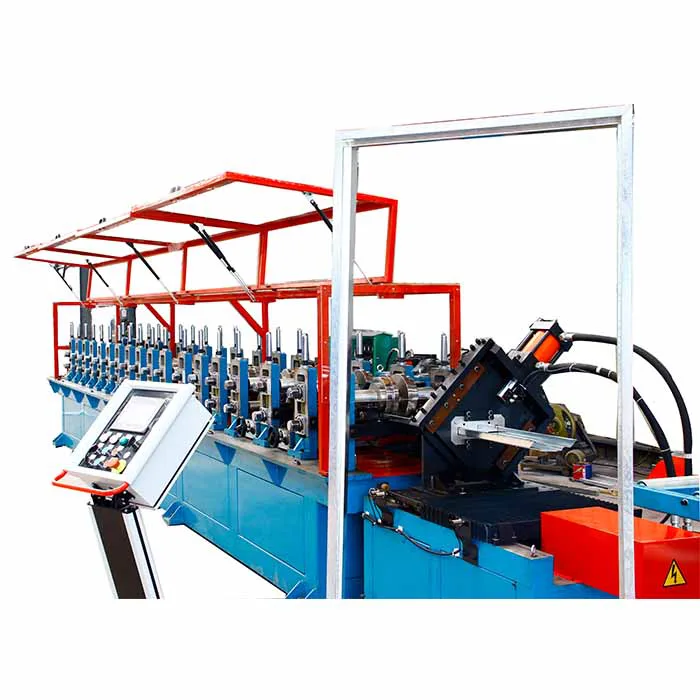
Sheet Metal Machinery: The Ultimate Guide to Industrial Fabrication Excellence
2026/03/04 -
Iron Sheet Laser Cutting Machine: Unmatched Precision for Demanding Fabrication with METMAC
2026/01/06
-
Sheet Metal Press Brake: Ultimate Guide to Precision Bending Technology in 2024
2026/03/13 -
Metal Punching Machine: Ultimate Guide to Precision Manufacturing in 2024
2026/03/11 -
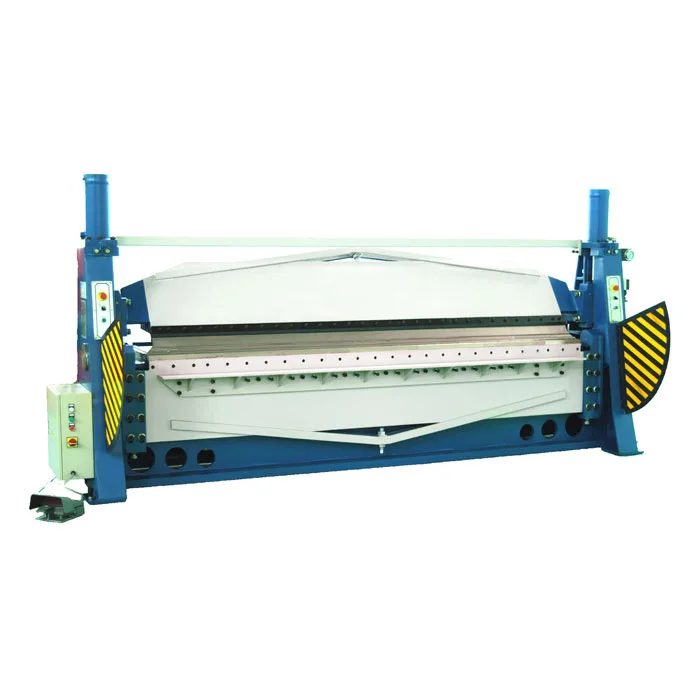
Metal Folding Machine: Comprehensive Guide to Precision Bending in 2024
2026/03/09 -
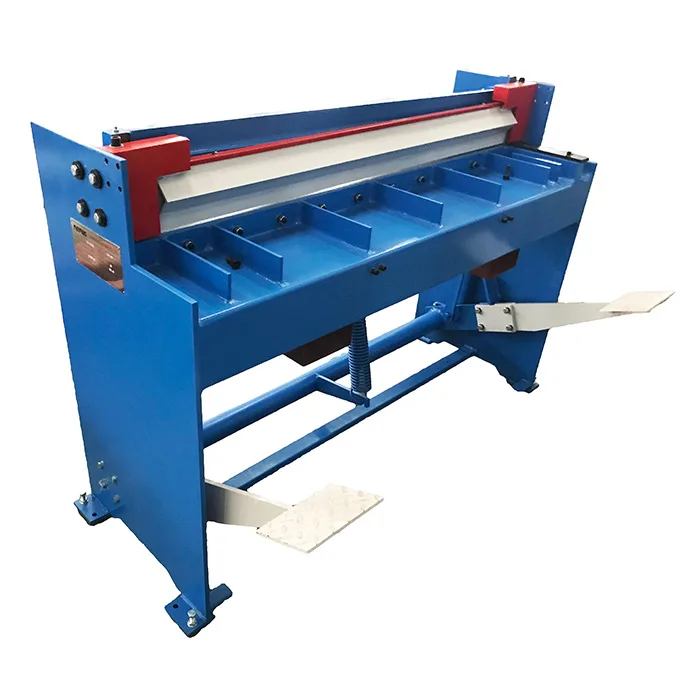
Sheet Metal Equipment: Ultimate Guide to Industrial Fabrication Solutions in 2026
2026/03/06
-
A Guide to the Latest Innovations in Sheet Metal Folding Machines
2024/11/29 -
Key Features to Consider When Investing in a Sheet Metal Folding Machine
2024/11/28 -
Enhancing Precision with Advanced Sheet Metal Folding Machines
2024/11/27 -
How to Choose the Right Sheet Metal Folding Machine for Your Workshop
2024/11/26
