

The Benefits of Hydraulic vs. Electric Press Brakes in Sheet Metal Forming
The Battle of Braking: Hydraulic vs. Electric Press Brakes in Sheet Metal Forming
In the realm of sheet metal fabrication, the choice between hydraulic and electric press brakes is as pivotal as it is perplexing. Each type boasts unique advantages that shape the crucible of manufacturing and design.
Hydraulic Press Brakes: The Titans of Force
Hydraulic press brakes harness the unyielding power of pressurized oil to generate colossal force. Their brute strength makes them the go-to choice for heavy-duty applications where the ability to bend thick materials with precision is paramount. Furthermore, the inherent smoothness of hydraulic operation translates to effortless control and workpiece quality.
Electric Press Brakes: The Swift and Precise Warriors
Electric press brakes, in contrast, rely on electric motors that directly drive the bending beam. This results in an unparalleled level of speed and responsiveness, enabling rapid bending cycles and increased productivity. Moreover, the absence of hydraulic systems eliminates the risk of oil leaks and reduces maintenance costs.
The Great Divide: Strength vs. Speed
The primary distinction between hydraulic and electric press brakes lies in their respective strengths and speeds. Hydraulic brakes excel at maximum force generation, making them ideal for bending thick materials or performing intricate bends. Electric brakes, on the other hand, reign supreme in speed and precision, allowing for faster cycle times and tighter tolerances.
Considerations for Choice
The choice between hydraulic and electric press brakes ultimately depends on the specific application. Factors to consider include:
Material thickness: Hydraulic brakes are better suited for thick materials, while electric brakes excel with thin sheets.
Bend radius: Hydraulic brakes offer more gradual bends, while electric brakes produce tighter, more precise bends.
Volume: Electric brakes shine in high-volume production environments due to their speed.
Maintenance costs: Electric brakes generally require less maintenance compared to hydraulic brakes.
In the ever-evolving landscape of sheet metal forming, the battle of hydraulic vs. electric press brakes continues unabated. Each technology possesses its own strengths and weaknesses, empowering fabricators with the tools they need to shape the future of metal. By understanding these differences, manufacturers can forge ahead with clarity and efficiency, unlocking the full potential of their fabrication capabilities.
-
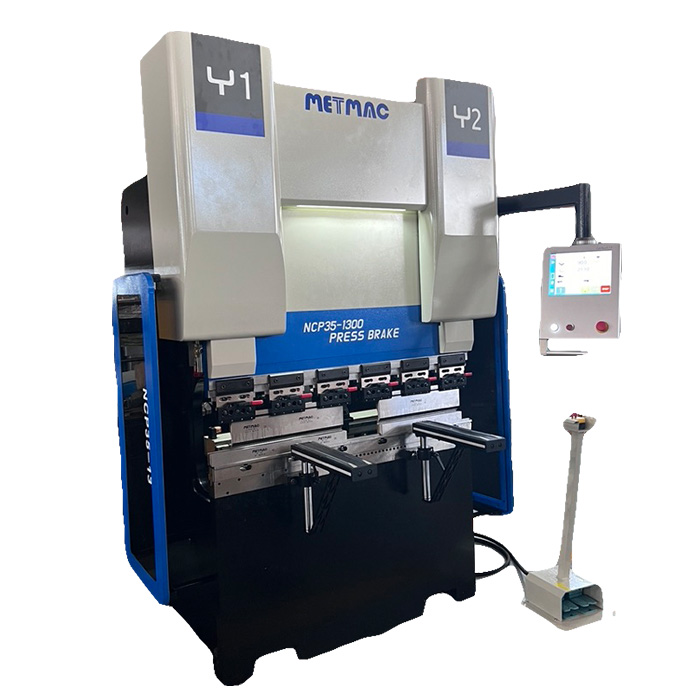
Press Metal Machine: The Definitive Guide to Precision Metal Forming
2026/03/12 -
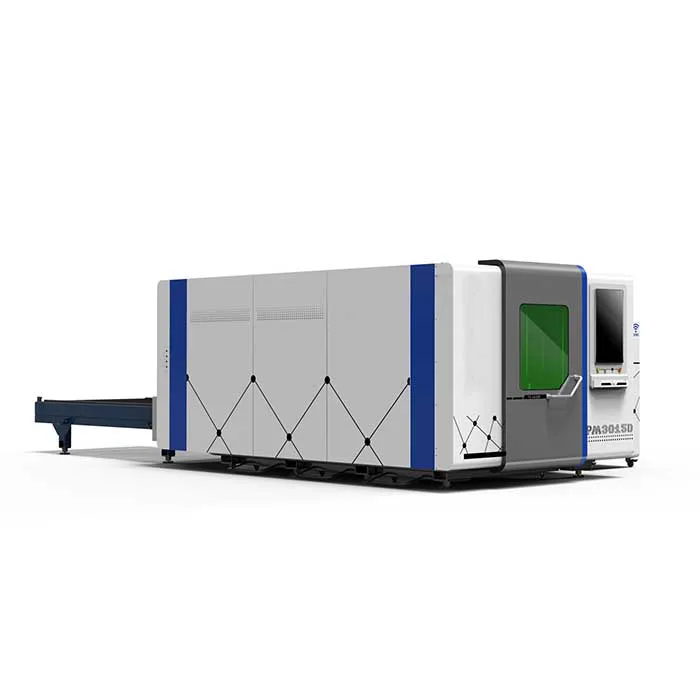
Metal Punching Machine: The Ultimate Guide to Precision Hole Punching
2026/03/10 -
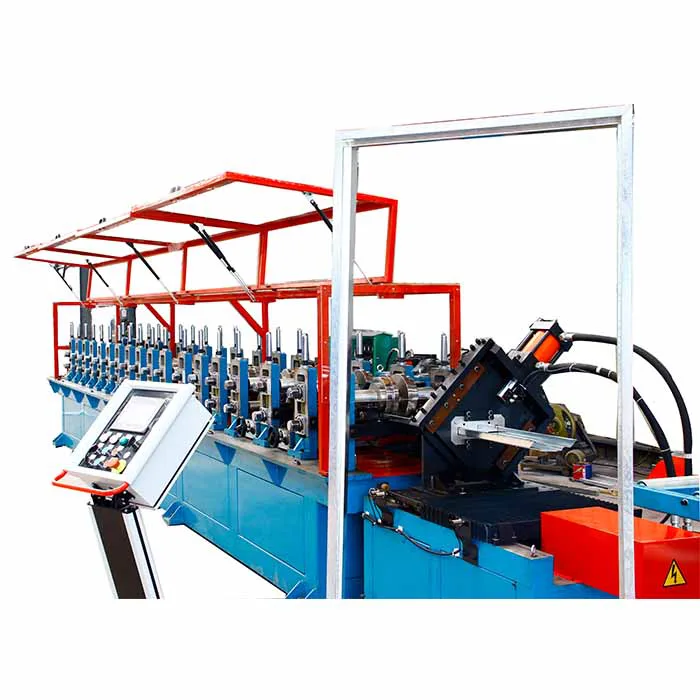
Sheet Metal Machinery: The Ultimate Guide to Industrial Fabrication Excellence
2026/03/04 -
Iron Sheet Laser Cutting Machine: Unmatched Precision for Demanding Fabrication with METMAC
2026/01/06
-
Sheet Metal Press Brake: Ultimate Guide to Precision Bending Technology in 2024
2026/03/13 -
Metal Punching Machine: Ultimate Guide to Precision Manufacturing in 2024
2026/03/11 -
Metal Folding Machine: Comprehensive Guide to Precision Bending in 2024
2026/03/09 -
Sheet Metal Equipment: Ultimate Guide to Industrial Fabrication Solutions in 2026
2026/03/06
-
Latest Technological Advancements in Rectangular Duct Machines
2024/05/11 -
Integrating Automation with Rectangular Duct Machines for Enhanced Productivity
2024/05/11 -
Metal Shear Machines- Essential Tools for Precision Metal Cutting
2024/05/11 -
Understanding the Role and Function of Steel Strip Slitting Machines
2024/05/11
-
A Guide to the Latest Innovations in Sheet Metal Folding Machines
2024/11/29 -
Key Features to Consider When Investing in a Sheet Metal Folding Machine
2024/11/28 -
Enhancing Precision with Advanced Sheet Metal Folding Machines
2024/11/27 -
How to Choose the Right Sheet Metal Folding Machine for Your Workshop
2024/11/26
