


Step-by-Step- How to Seal Air Ducts with a Sealing Machine
Step-by-Step Guide: Sealing Air Ducts with a Sealing Machine
Air ducts are essential components of HVAC systems, responsible for distributing conditioned air throughout buildings. Maintaining the integrity of these ducts is crucial for optimal system performance and energy efficiency. Sealing air ducts with a sealing machine is a highly effective method to prevent air leaks, improve indoor air quality, and reduce utility costs. This step-by-step guide provides a comprehensive overview of the process.
Preparing the Air Ducts
Before sealing, the air ducts must be thoroughly cleaned to remove any dirt, dust, or debris. Using a vacuum cleaner with a soft brush attachment, meticulously clean the interior and exterior surfaces of the ducts, paying particular attention to joints and seams. Next, inspect the ducts for any visible holes, tears, or gaps. These should be patched or repaired before proceeding with the sealing process.
Choosing the Right Sealing Machine
Selecting the appropriate duct sealing machine is essential for successful results. Two primary types of machines are commonly used: mastic sealing machines and aerosol spray sealant machines. Mastic sealing machines apply a thick, viscous sealant to the joints and seams of the ducts, forming a permanent, airtight seal. Aerosol spray sealant machines, on the other hand, dispense a thin layer of sealant that is typically used for smaller gaps and touch-ups.
Applying the Sealant
Follow the manufacturer’s instructions for using the sealant machine. With mastic sealing machines, apply a generous bead of mastic to the joints and seams of the ducts. Ensure that the mastic fills any gaps or voids completely. For aerosol spray sealant machines, hold the nozzle close to the target area and spray the sealant evenly. Allow the sealant to dry thoroughly before proceeding to the next step.
Inspecting the Seals
Once the sealant has dried, thoroughly inspect the sealed joints and seams to ensure they are airtight. Use a flashlight or a smoke pencil to check for any leaks or gaps. If any leaks are detected, apply additional sealant as needed.
Documenting and Monitoring
Document the sealing process, including the date of the work performed, the type of sealant used, and the locations of the sealed areas. Regularly monitor the sealed ducts for any signs of damage or deterioration. Promptly address any issues to maintain the integrity of the system.
Conclusion
Sealing air ducts with a sealing machine is a critical step towards optimizing HVAC system performance and indoor air quality. By following the steps outlined in this guide, you can effectively prevent air leaks, reduce energy costs, and create a more comfortable and healthy indoor environment. Remember to choose the right sealing machine, prepare the air ducts properly, apply the sealant meticulously, and regularly inspect the seals to ensure their effectiveness.
-
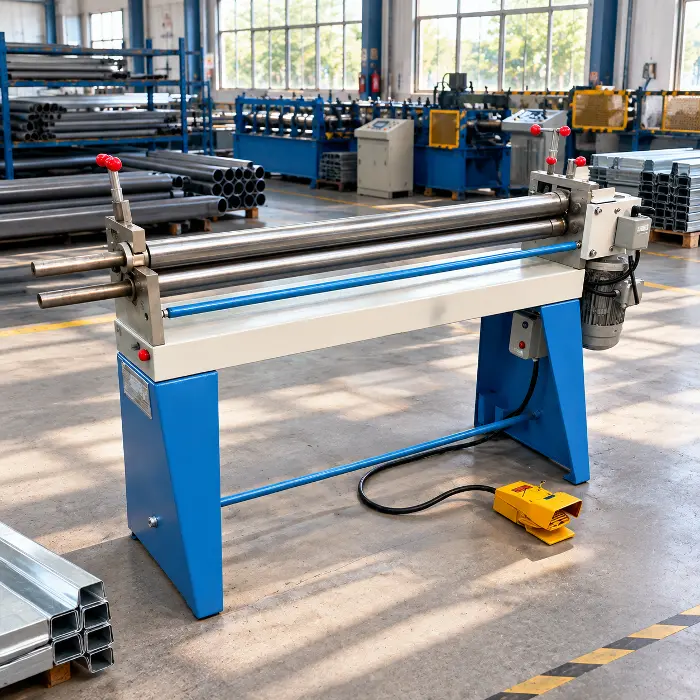
Roll Forming Machines: How Sheet Metal Becomes Structural Shapes
2026/10/08 -
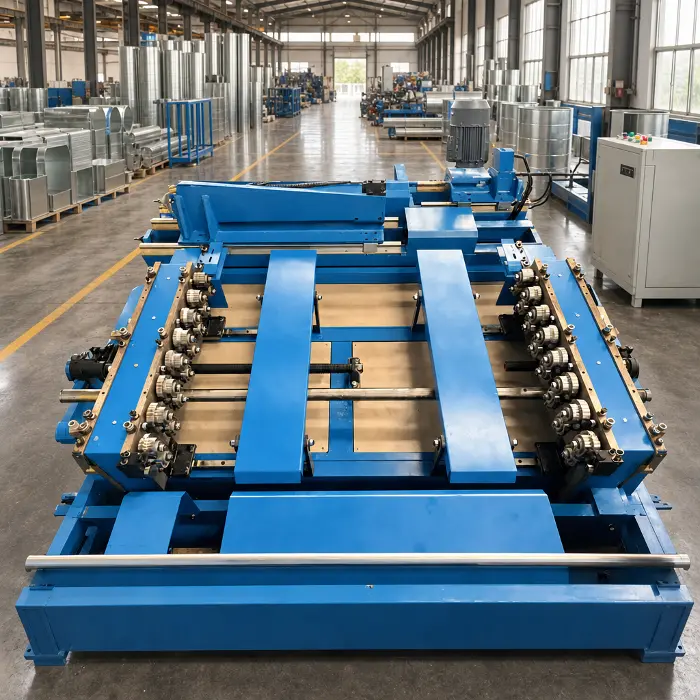
Duct Making Machines for High-Output Rectangular Duct Fabrication
2026/10/08 -
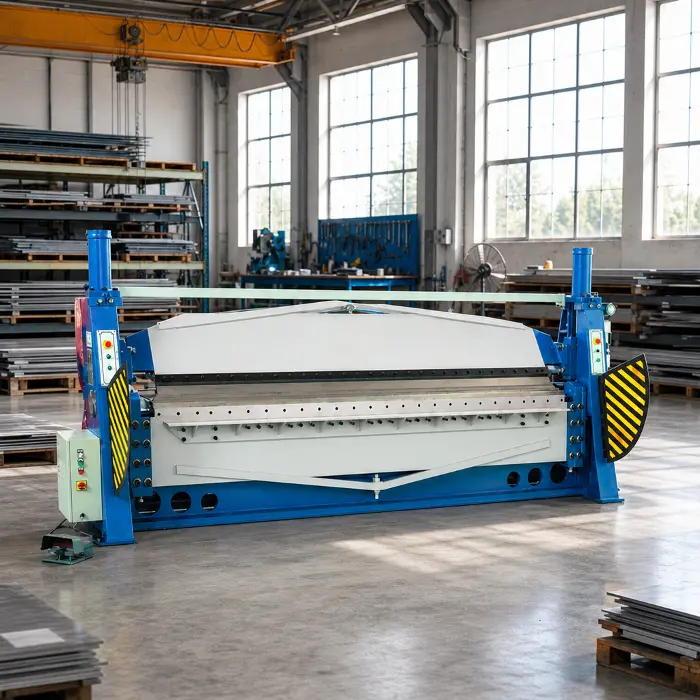
Sheet Metal Machine Selection for Precise Bending and Folding
2026/10/08 -
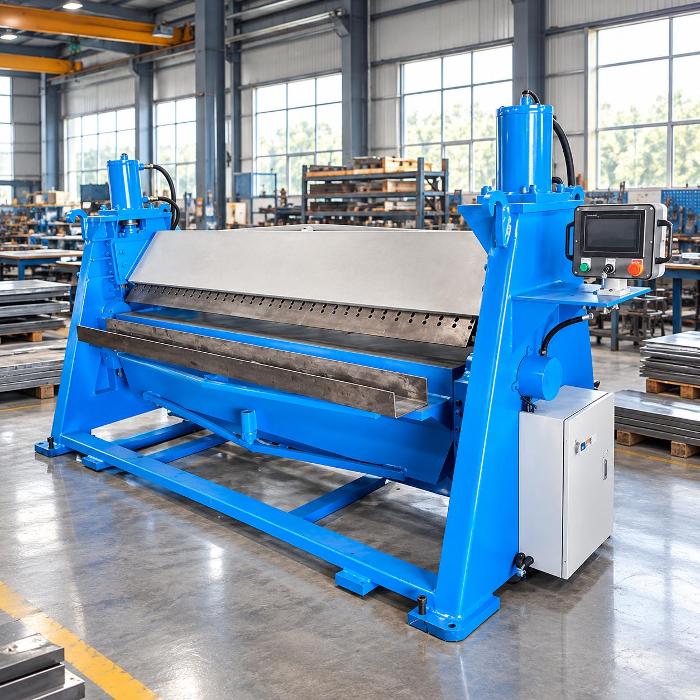
Metalworking Equipment: Choosing the Right Machinery for Modern Fabrication
2026/10/08
-
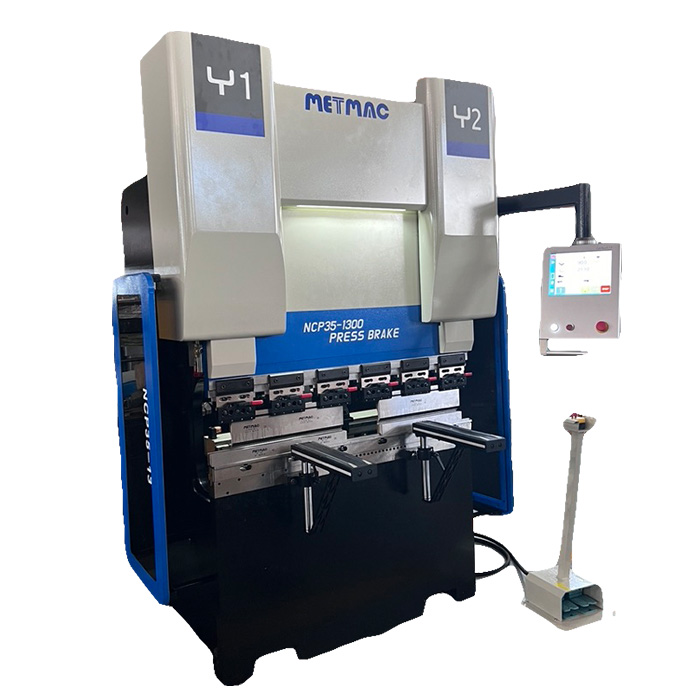
Sheet Metal Press Brake: Ultimate Guide to Precision Bending Technology in 2024
2026/03/13 -
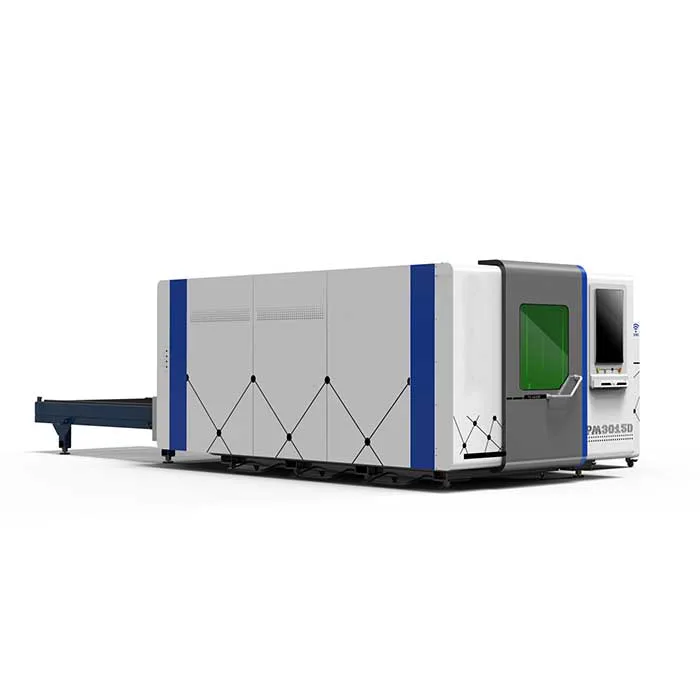
Metal Punching Machine: Ultimate Guide to Precision Manufacturing in 2024
2026/03/11 -
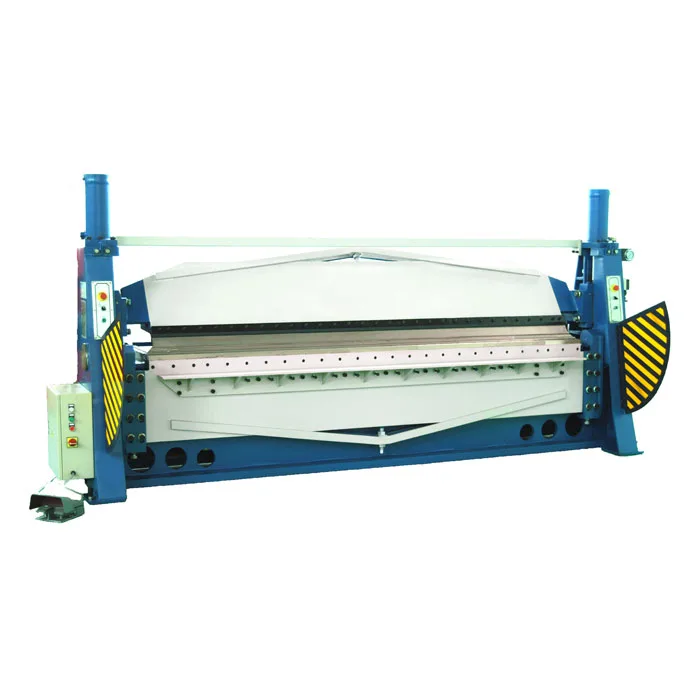
Metal Folding Machine: Comprehensive Guide to Precision Bending in 2024
2026/03/09 -
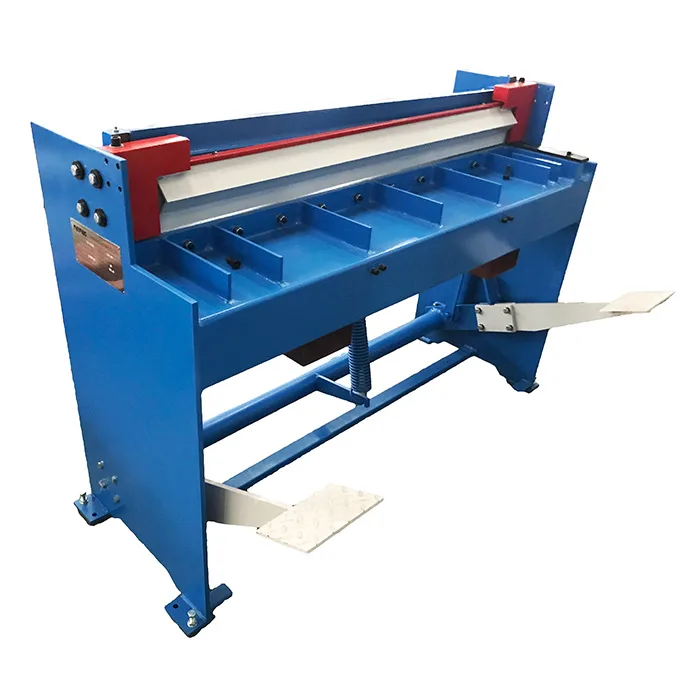
Sheet Metal Equipment: Ultimate Guide to Industrial Fabrication Solutions in 2026
2026/03/06
-
A Guide to the Latest Innovations in Sheet Metal Folding Machines
2024/11/29 -
Key Features to Consider When Investing in a Sheet Metal Folding Machine
2024/11/28 -
Enhancing Precision with Advanced Sheet Metal Folding Machines
2024/11/27 -
How to Choose the Right Sheet Metal Folding Machine for Your Workshop
2024/11/26
