

Sheet Metal Machine Selection for Precise Bending and Folding
Choosing the right sheet metal machine often comes down to one question: can it hold a consistent bend line across the full length of a panel, shift after shift, without drifting out of tolerance. That question matters more than any spec sheet number, because a folding machine that loses accuracy after a few hundred cycles ends up costing more in rework than it ever saved on the purchase price.
Why Folding Accuracy Is Harder Than It Looks
Bending sheet metal seems simple until you try to do it consistently across a 3-meter panel. Mild steel and stainless steel behave differently under load, springback varies with thickness, and even a slightly uneven clamping force can leave one end of a fold a few degrees off from the other. Manual or underpowered machines tend to flex under pressure, and that flex is invisible until the part comes off the line crooked.
This is where frame construction quietly does most of the work. A machine built from an all-welded, heavy steel frame resists the twisting forces that folding generates, damping vibration instead of transmitting it into the bend. It’s not a glamorous feature, but it’s the difference between a fold that’s true on part one and still true on part five hundred.
Hydraulic Drive: Where the Real Consistency Comes From
Mechanical or manual clamping systems apply force unevenly, especially on longer beds. A dual-cylinder hydraulic system, by contrast, distributes clamping and bending force across the full length of the beam at once. That even pressure is what keeps a 3100 mm fold as accurate at the far end as it is near the operator.
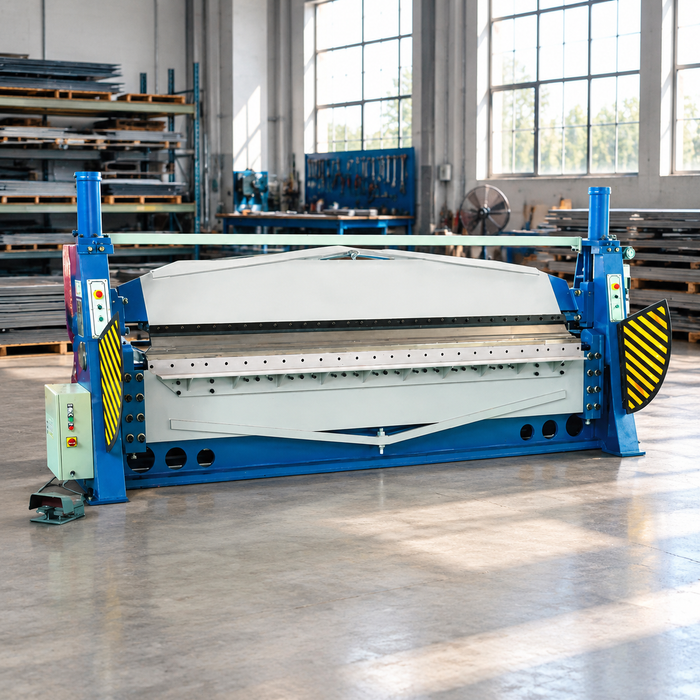
The Hydraulic Sheet Metal Folding Machine from Metmac uses exactly this approach, with hydraulic cylinders driving both the clamping and folding strokes. According to the manufacturer’s specifications, the system runs on a 25-liter hydraulic reservoir at 8 MPa working pressure, enough to maintain steady force through repeated cycles of mild steel and stainless steel sheet up to 4.0 mm thick, with a maximum plate capacity listed at 5.0 mm.
Folding angle range on this machine spans 20° to 120°, with the beam itself swinging up to 123°. That range covers most structural and enclosure work, from shallow pans to deep box folds, without needing a second setup pass.
Segmented Tooling and Why It Matters for Custom Shapes
A single fixed blade can bend a straight line all day, but the moment a job calls for a box shape, a notch, or a partial-width fold, a solid blade becomes a liability. Segmented tooling solves this by letting individual blade sections be removed or repositioned, so the tool matches the part instead of forcing the part to match the tool.
- Segmented blades can be reconfigured for pans, boxes, and irregular profiles without swapping the entire tool set.
- Blade gap and folding angle are both adjustable, which shortens setup time between different sheet thicknesses.
- Reconfigurable tooling reduces the need to keep multiple dedicated blade sets in storage.
For fabricators running mixed small batches, this adaptability often matters more than raw tonnage. A shop cutting duct components one day and enclosure panels the next needs a machine that reconfigures in minutes, not one that requires a full retool.
Comparing the Two Available Models
Not every shop needs the same folding length, and buying more machine than the job requires just eats floor space. Metmac offers this folding machine in two bed lengths, sized for different production layouts.
| Specification | W62Y-4X2500 | W62Y-4X3100 |
|---|---|---|
| Folding Length | 2500 mm | 3100 mm |
| Folding Blade Length | 2500 mm | 3100 mm |
| Overall Dimensions | 3585 x 1067 x 2093 mm | 4185 x 1067 x 2093 mm |
| Machine Weight | 6042 kg | 6542 kg |
| Folding Thickness | 0.5 – 4.0 mm | 0.5 – 4.0 mm |
| Folding Angle Range | 20° – 120° | 20° – 120° |
A 2000 mm folding length is also available as an option for shops working with narrower stock or tighter floor plans. Longer beds suit continuous duct sections and architectural panels, while the shorter model fits better where floor space or part size doesn’t justify the extra length.
Operation Modes and Everyday Safety
Folding machines sit close to operators for most of a shift, so how the machine is controlled matters as much as how it bends metal. This machine offers single and step operation modes, letting an operator choose between one continuous stroke or a controlled, incremental fold depending on the material and the precision the job demands.
A foot pedal switch keeps hands free to position the sheet during clamping, which speeds up repetitive runs. Manual backgauge positioning lets the operator set consistent bend locations without remeasuring every panel, a small detail that adds up across a full production run.
On the safety side, fan-shaped side guards finished in yellow-and-black hazard striping cover the pinch points near the hydraulic cylinders. It’s a straightforward guard design, but it’s the kind of detail that separates a machine built for daily industrial use from one built only to hit a spec sheet.
Where This Kind of Machine Actually Gets Used
Folding capability like this doesn’t stay in one industry. It shows up anywhere flat metal needs to become a formed part with clean, repeatable edges.
- HVAC and ventilation manufacturing – duct sections and fittings need consistent fold angles to seal properly, and segmented tooling helps with the varied profiles ductwork requires.
- Metal furniture and cabinetry – enclosure panels and cabinet frames rely on clean, accurate corners that a hydraulic clamp can hold steady.
- Electrical enclosure and lamp housing production – thinner gauge stainless and mild steel need controlled bending to avoid warping.
- Commercial kitchen equipment – stainless steel panels for kitchen fabrication demand tight tolerances and a clean, consistent fold.
- Shipyard and marine fabrication – heavier sheet stock and structural panels benefit from the dual-cylinder system’s even force distribution.
- Automotive body panel work – custom or low-volume body panels often need the flexibility that segmented tooling provides.
Common Questions About Hydraulic Folding Machines
How thick a sheet can a hydraulic folding machine actually bend?
It depends on the model, but a machine like this one handles mild steel and stainless steel from 0.5 mm up to 4.0 mm in normal folding capacity, with a maximum plate thickness rating of 5.0 mm for occasional heavier stock, according to the manufacturer’s specifications.
Is hydraulic folding more accurate than mechanical folding?
Hydraulic systems apply force more evenly across the length of the beam, which generally produces straighter, more repeatable bends on longer sheets compared to purely mechanical clamping.
Can one machine handle both narrow parts and full-length panels?
Segmented tooling helps here. Because blade sections can be repositioned, the same machine can fold a full-width panel one day and a narrower box shape the next.
What’s the practical difference between the 2500 mm and 3100 mm models?
Mostly floor space and part size. The 3100 mm bed handles longer duct sections and panels in one pass, while the 2500 mm model suits shops with tighter layouts or smaller standard part sizes.
Making the Right Choice for Your Production Line
Picking between folding machine models isn’t about chasing the biggest spec sheet. It’s about matching bed length, tonnage, and tooling flexibility to the parts actually running through your shop. A duct fabricator folding long, straight seams has different priorities than a kitchen equipment manufacturer bending short stainless panels with tight corner tolerances.
That’s the practical value of a well-built sheet metal machine: it disappears into the workflow instead of becoming the bottleneck. When clamping force is even, tooling adapts to the part, and the frame holds its shape under repeated load, the machine stops being something operators have to work around. For fabricators evaluating a hydraulic sheet metal folding machine for HVAC, furniture, or enclosure production, the right combination of bed length, folding thickness capacity, and tooling flexibility is usually the deciding factor, not the horsepower number on the spec sheet.
-
Sheet Metal Machine Selection for Precise Bending and Folding
2026/10/08 -
Metalworking Equipment: Choosing the Right Machinery for Modern Fabrication
2026/10/08 -
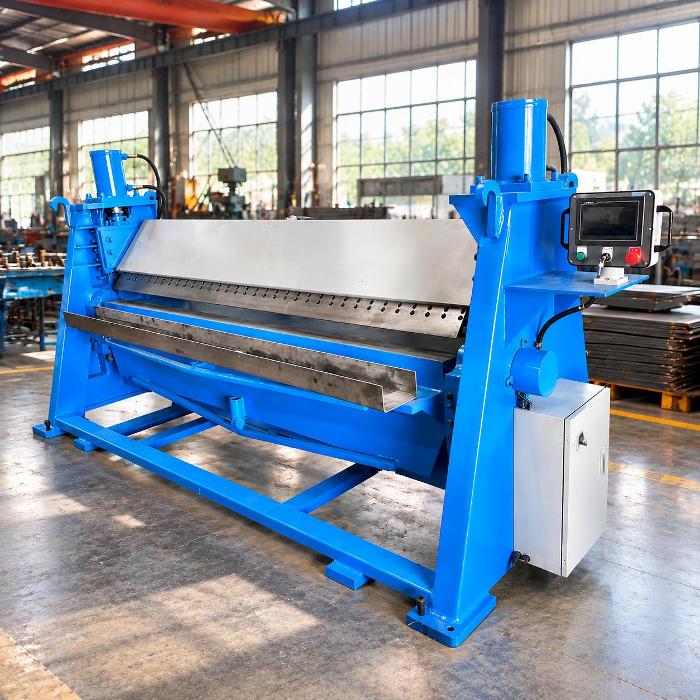
Choosing Metalworking Machinery for Precision Sheet Bending Operations
2026/10/08 -
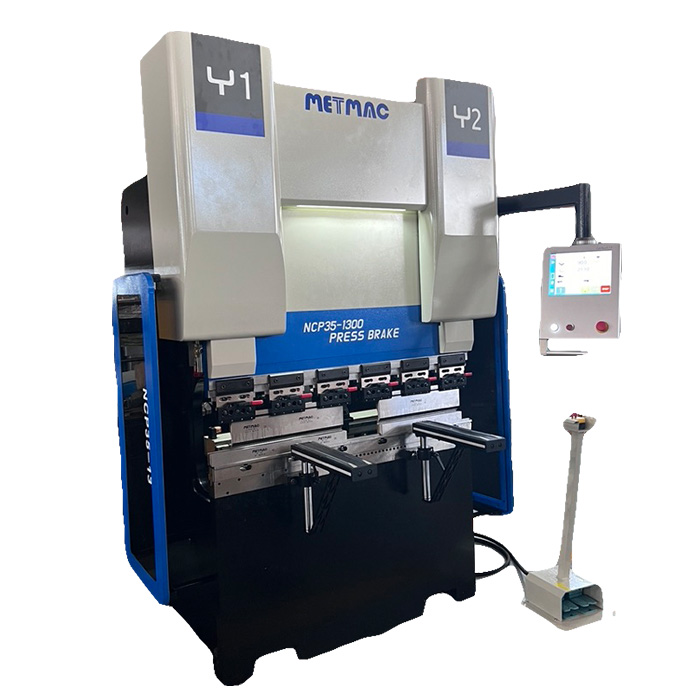
Press Metal Machine: The Definitive Guide to Precision Metal Forming
2026/03/12
-
Sheet Metal Press Brake: Ultimate Guide to Precision Bending Technology in 2024
2026/03/13 -
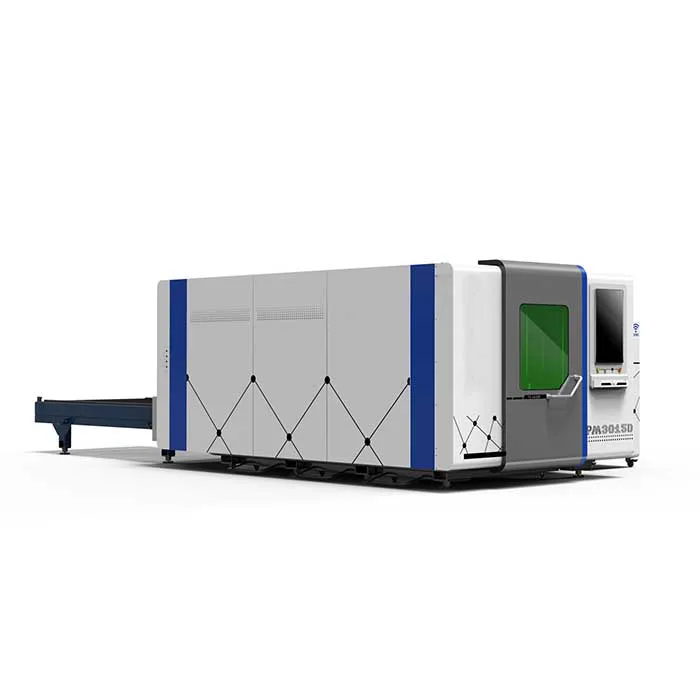
Metal Punching Machine: Ultimate Guide to Precision Manufacturing in 2024
2026/03/11 -
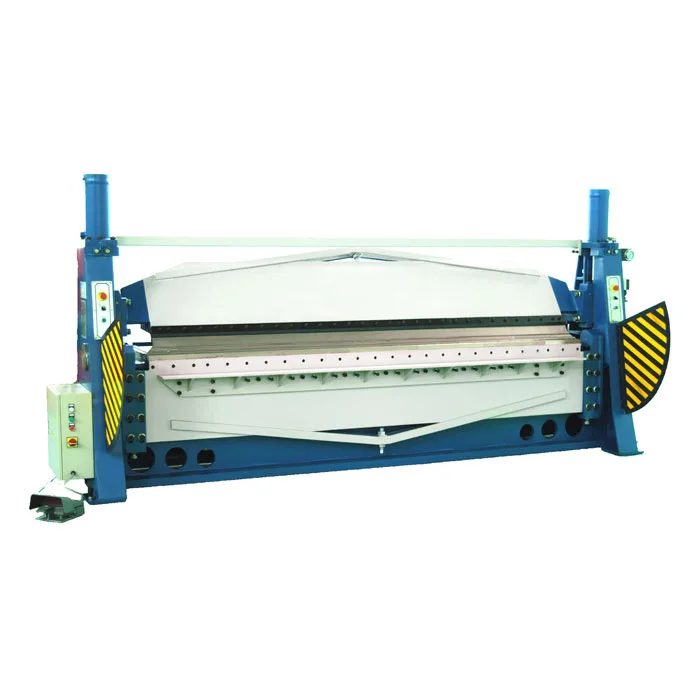
Metal Folding Machine: Comprehensive Guide to Precision Bending in 2024
2026/03/09 -
Sheet Metal Equipment: Ultimate Guide to Industrial Fabrication Solutions in 2026
2026/03/06
-
A Guide to the Latest Innovations in Sheet Metal Folding Machines
2024/11/29 -
Key Features to Consider When Investing in a Sheet Metal Folding Machine
2024/11/28 -
Enhancing Precision with Advanced Sheet Metal Folding Machines
2024/11/27 -
How to Choose the Right Sheet Metal Folding Machine for Your Workshop
2024/11/26
