


Sheet Metal Design- Preparing Files for Cutting Machines
Sheet metal design plays a vital role in various industries, including automotive, aerospace, and manufacturing. Creating precise and efficient designs requires a thorough understanding of the process of preparing files for cutting machines. This article explores the key aspects involved in preparing sheet metal design files for cutting machines, highlighting the importance of accurate geometry, material properties, and consideration for the cutting process.
Accurate Geometry
The accuracy of the sheet metal design is paramount for successful cutting operations. The geometry of the design should be created using precise coordinates and dimensions. Any deviation from the intended shape or size can result in inaccuracies during cutting, leading to wasted material and potential product failures. Engineers and designers must pay meticulous attention to the intricacies of the geometry to ensure that the final product meets the specifications.
Material Properties
Understanding the material properties of the sheet metal is crucial for preparing cutting machine files. Different materials exhibit varying characteristics, such as thickness, hardness, and tensile strength. These properties influence the selection of appropriate cutting parameters, including the type of cutting tool, cutting speed, and feed rate. Failure to consider the material properties can result in excessive wear on cutting tools, poor surface finishes, or even premature tool failure.
Cutting Process Considerations
The choice of cutting machine and its capabilities significantly impacts the file preparation process. Different cutting machines employ various technologies, such as laser cutting, waterjet cutting, or plasma cutting. Each technology has its specific advantages and limitations, and the design files must be tailored accordingly. Factors such as the laser power, water pressure, or plasma gas composition must be carefully considered to achieve optimal cutting results.
File Formats and Post-Processing
Once the sheet metal design is complete, it needs to be exported into a file format compatible with the cutting machine. Common file formats include DXF, DWG, and IGES. Post-processing may be required to ensure that the files meet the specific requirements of the cutting machine. This can involve nesting parts for efficient material utilization, generating toolpaths for the cutting head, and defining specific parameters for different sections of the design.
Quality Control and Optimization
To ensure high-quality sheet metal parts, it is essential to implement quality control measures throughout the file preparation process. Regular checks should be conducted to verify the accuracy of the geometry, adherence to material specifications, and compatibility with the cutting machine. Continuous optimization of the design and file preparation process can lead to improved efficiency, reduced production time, and enhanced product quality.
Conclusion
Preparing files for cutting machines in sheet metal design is a multifaceted process that requires attention to detail and a deep understanding of the underlying principles. By meticulously considering the accuracy of geometry, material properties, cutting process requirements, file formats, and quality control measures, engineers and designers can ensure the successful execution of cutting operations. Adhering to these guidelines enables the production of high-quality sheet metal parts that meet the demands of modern manufacturing and engineering applications.
-
Press Metal Machine: The Definitive Guide to Precision Metal Forming
2026/03/12 -
Metal Punching Machine: The Ultimate Guide to Precision Hole Punching
2026/03/10 -
Sheet Metal Machinery: The Ultimate Guide to Industrial Fabrication Excellence
2026/03/04 -
Iron Sheet Laser Cutting Machine: Unmatched Precision for Demanding Fabrication with METMAC
2026/01/06
-
Sheet Metal Press Brake: Ultimate Guide to Precision Bending Technology in 2024
2026/03/13 -
Metal Punching Machine: Ultimate Guide to Precision Manufacturing in 2024
2026/03/11 -
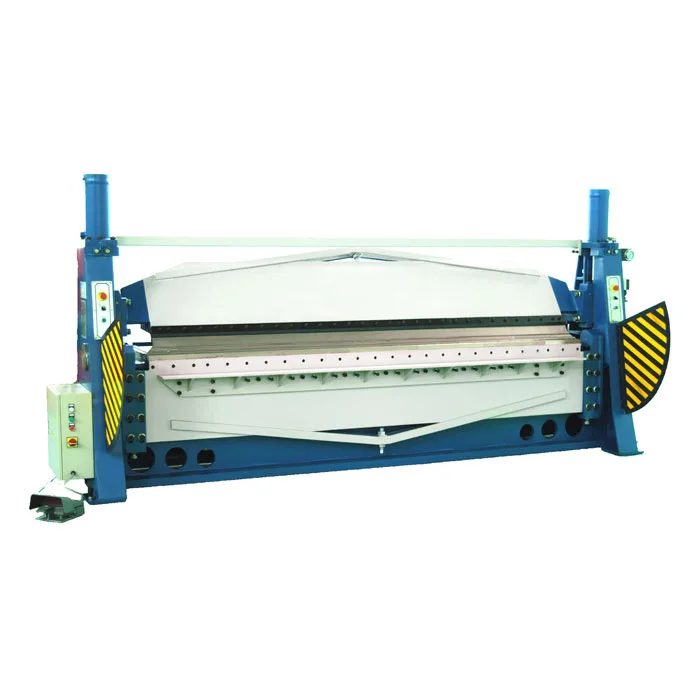
Metal Folding Machine: Comprehensive Guide to Precision Bending in 2024
2026/03/09 -
Sheet Metal Equipment: Ultimate Guide to Industrial Fabrication Solutions in 2026
2026/03/06
-
Understanding the Role and Function of Steel Strip Slitting Machines
2024/05/11 -
Maintenance Tips for Longevity of HVAC Duct Machines
2024/05/11 -
Innovations in Steel Strip Slitting Machine Design and Technology
2024/05/11 -
Improving Accuracy in Metal Fabrication with Laser Metal Shear Machines
2024/05/11
-
A Guide to the Latest Innovations in Sheet Metal Folding Machines
2024/11/29 -
Key Features to Consider When Investing in a Sheet Metal Folding Machine
2024/11/28 -
Enhancing Precision with Advanced Sheet Metal Folding Machines
2024/11/27 -
How to Choose the Right Sheet Metal Folding Machine for Your Workshop
2024/11/26
