


Sheet Metal Bending vs. Plate Rolling- Which is Better for Your Project?
When it comes to metal fabrication, choosing the appropriate technique for your project is crucial. Sheet metal bending and plate rolling are two common methods used to shape metal, each with its own advantages and limitations. This article will help you understand the key differences between sheet metal bending and plate rolling, enabling you to make an informed decision about the best approach for your project.
Material Thickness
The thickness of the metal being formed is a critical factor in determining the suitability of sheet metal bending or plate rolling. Sheet metal bending is ideal for thin sheets of metal, typically ranging from 0.01 inches to 0.125 inches. Plate rolling, on the other hand, is used for thicker materials, ranging from 0.25 inches to several inches.
Shape and Complexity
Sheet metal bending is best suited for creating intricate shapes and bends with sharp angles. It allows for a wide range of shapes, including V-bends, U-bends, and complex curves. Plate rolling, however, focuses on creating cylindrical shapes and simple curves. It can produce tubes, cones, and cylinders with uniform curvature.
Dimensional Accuracy
Dimensional accuracy is crucial in many applications. Sheet metal bending offers higher dimensional accuracy than plate rolling. It utilizes precision machines and tooling to control the angle and radius of bends, resulting in more precise parts. Plate rolling, while capable of creating large-scale cylindrical shapes, may have slightly less dimensional accuracy due to the nature of the rolling process.
Cost and Time
Cost and time are often critical factors to consider. Sheet metal bending tends to be more cost-effective than plate rolling for smaller parts and lower volumes. However, for larger parts and higher quantities, plate rolling can become more efficient and cost-effective. The production time for sheet metal bending is typically shorter than plate rolling, as it requires less setup and processing.
Conclusion
Choosing between sheet metal bending and plate rolling depends on your project’s specific requirements. Sheet metal bending is the preferred choice for thin materials, intricate shapes, and high dimensional accuracy. Plate rolling is ideal for thicker materials, cylindrical shapes, and large-scale applications. By understanding the key differences between these two techniques, you can make an informed decision that will help you achieve the best results for your project.
-
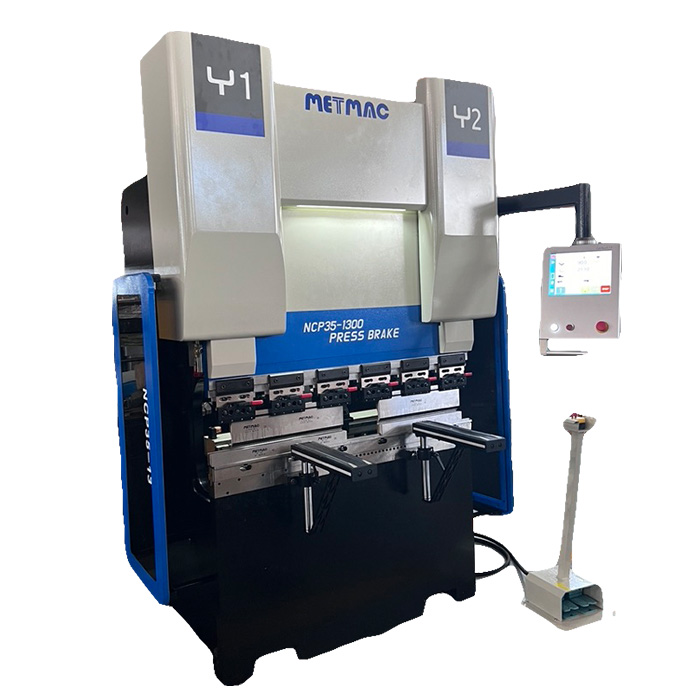
Press Metal Machine: The Definitive Guide to Precision Metal Forming
2026/03/12 -
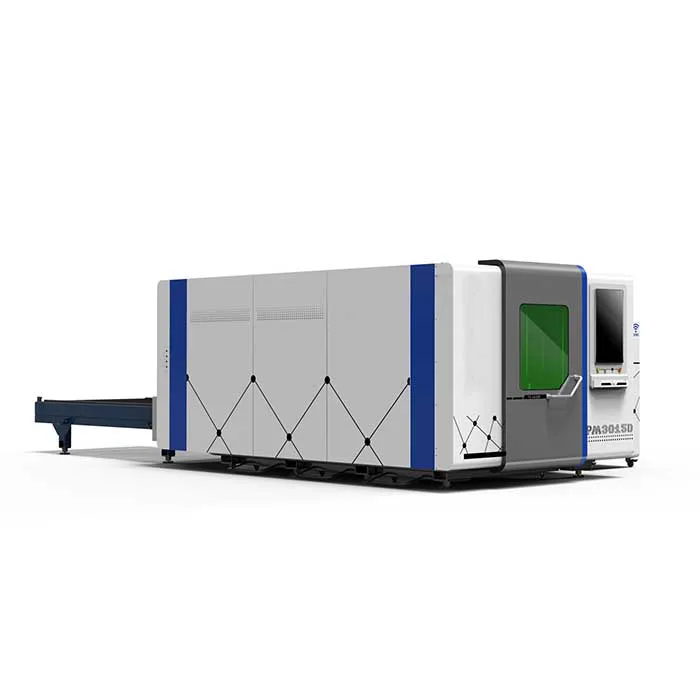
Metal Punching Machine: The Ultimate Guide to Precision Hole Punching
2026/03/10 -
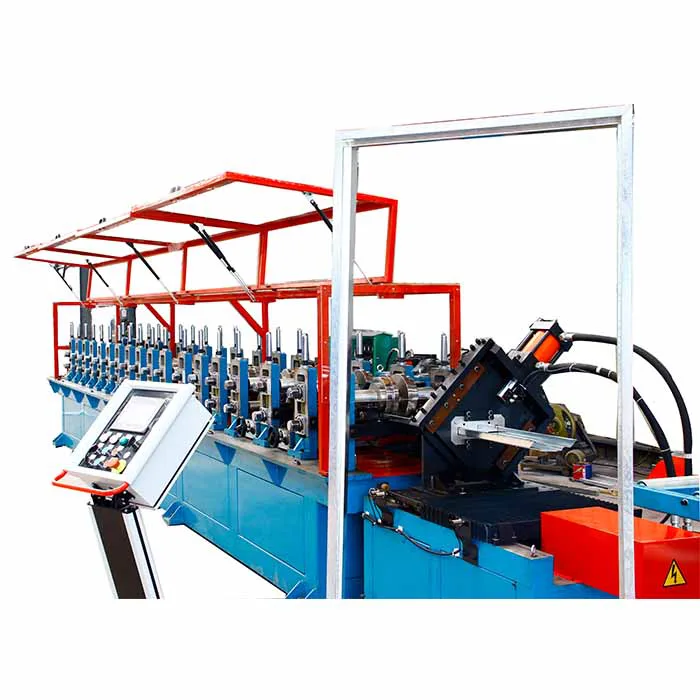
Sheet Metal Machinery: The Ultimate Guide to Industrial Fabrication Excellence
2026/03/04 -
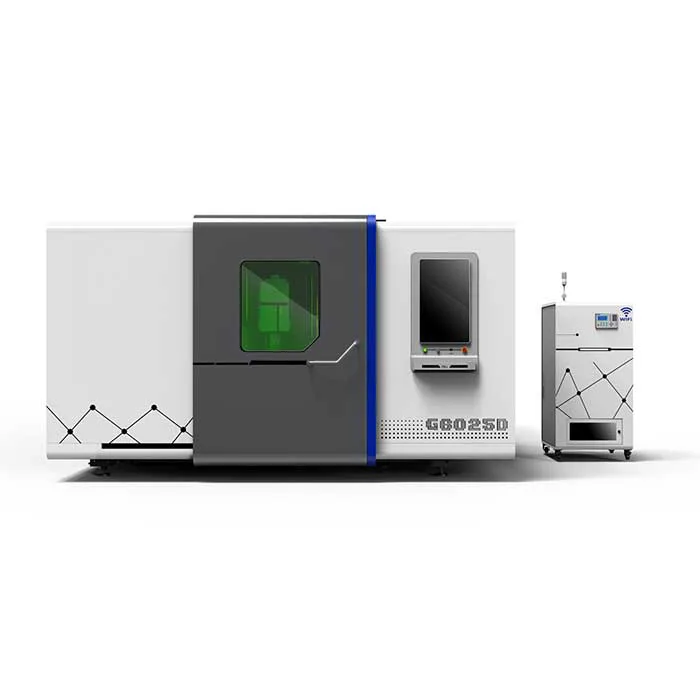
Iron Sheet Laser Cutting Machine: Unmatched Precision for Demanding Fabrication with METMAC
2026/01/06
-
Sheet Metal Press Brake: Ultimate Guide to Precision Bending Technology in 2024
2026/03/13 -
Metal Punching Machine: Ultimate Guide to Precision Manufacturing in 2024
2026/03/11 -
Metal Folding Machine: Comprehensive Guide to Precision Bending in 2024
2026/03/09 -
Sheet Metal Equipment: Ultimate Guide to Industrial Fabrication Solutions in 2026
2026/03/06
-
Understanding the Role and Function of Steel Strip Slitting Machines
2024/05/11 -
Maintenance Tips for Longevity of HVAC Duct Machines
2024/05/11 -
Innovations in Steel Strip Slitting Machine Design and Technology
2024/05/11 -
Improving Accuracy in Metal Fabrication with Laser Metal Shear Machines
2024/05/11
-
A Guide to the Latest Innovations in Sheet Metal Folding Machines
2024/11/29 -
Key Features to Consider When Investing in a Sheet Metal Folding Machine
2024/11/28 -
Enhancing Precision with Advanced Sheet Metal Folding Machines
2024/11/27 -
How to Choose the Right Sheet Metal Folding Machine for Your Workshop
2024/11/26
