


Sheet Bending Machine- Hydraulic vs. Mechanical Systems
Sheet Bending Machines: Hydraulic vs. Mechanical Systems
In the realm of industrial metalworking, sheet bending machines reign supreme as the tools that shape raw metal into precise and functional forms. The choice between hydraulic and mechanical systems is a crucial one, as their vastly different characteristics can significantly impact the efficiency, accuracy, and overall performance of the machine.
Hydraulic Systems: Precision and Smoothness
Hydraulic sheet bending machines rely on the principle of hydraulics, where pressurized fluid exerts force to actuate the bending process. The fluid’s incompressibility allows for precise control over the applied force, resulting in consistent and accurate bends. Additionally, hydraulic systems offer a smoother motion compared to mechanical systems, which minimizes vibration and reduces noise levels.
Mechanical Systems: Power and Versatility
Mechanical sheet bending machines, on the other hand, utilize a series of gears and linkages to generate mechanical force. While they may not offer the same level of precision as hydraulic systems, their rugged construction provides exceptional power and durability. This makes them suitable for heavy-duty applications and bending thicker sheets. Moreover, mechanical systems are more versatile in terms of bending angles and can easily accommodate non-standard shapes.
Factors to Consider
The selection between hydraulic and mechanical sheet bending machines depends on specific application requirements. Here are some key factors to consider:
Material Thickness: Hydraulic systems are ideal for bending thinner sheets, while mechanical systems excel at handling thicker ones.
Accuracy and Repeatability: If precision and consistent results are paramount, hydraulic systems are the preferred choice.
Speed and Efficiency: Mechanical systems tend to be faster and more efficient, especially for high-volume production.
Maintenance and Lifespan: Hydraulic systems require regular fluid maintenance, while mechanical systems typically have a longer lifespan with less maintenance.
Cost: Mechanical systems are generally more economical than their hydraulic counterparts.
Conclusion
The choice between hydraulic and mechanical sheet bending machines is a complex one that requires careful consideration of the application’s requirements. Hydraulic systems offer precision, smoothness, and controlled force, while mechanical systems provide power, versatility, and lower maintenance costs. Understanding the key differences between these systems empowers manufacturers to make an informed decision that optimizes the efficiency, accuracy, and lifespan of their sheet bending operations.
-
Press Metal Machine: The Definitive Guide to Precision Metal Forming
2026/03/12 -
Metal Punching Machine: The Ultimate Guide to Precision Hole Punching
2026/03/10 -
Sheet Metal Machinery: The Ultimate Guide to Industrial Fabrication Excellence
2026/03/04 -
Iron Sheet Laser Cutting Machine: Unmatched Precision for Demanding Fabrication with METMAC
2026/01/06
-
Sheet Metal Press Brake: Ultimate Guide to Precision Bending Technology in 2024
2026/03/13 -
Metal Punching Machine: Ultimate Guide to Precision Manufacturing in 2024
2026/03/11 -
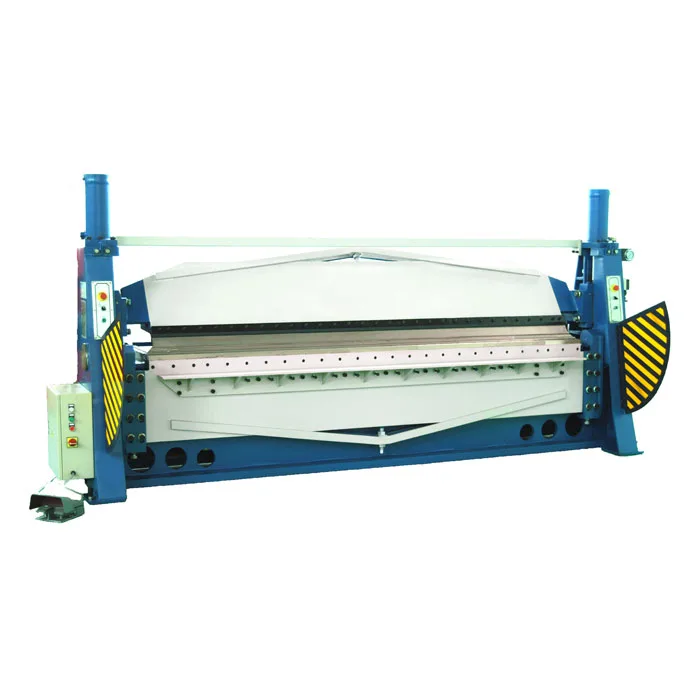
Metal Folding Machine: Comprehensive Guide to Precision Bending in 2024
2026/03/09 -
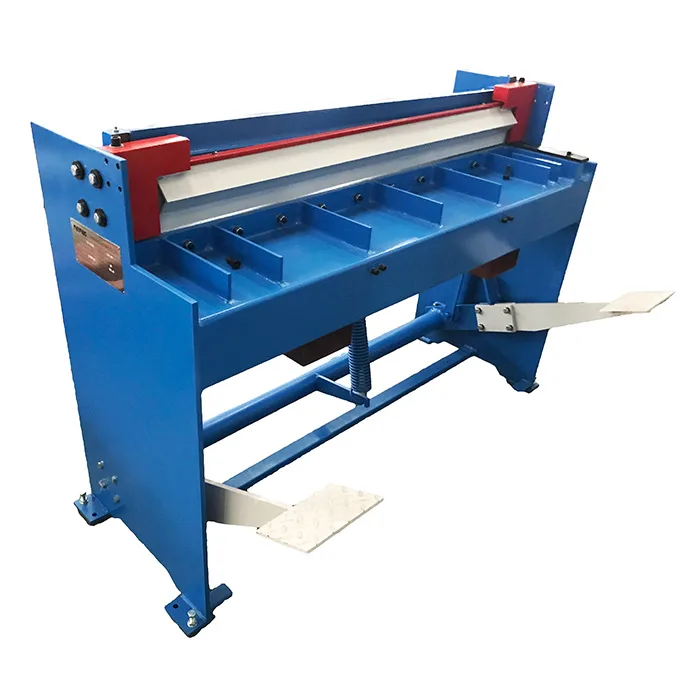
Sheet Metal Equipment: Ultimate Guide to Industrial Fabrication Solutions in 2026
2026/03/06
-
Latest Technological Advancements in Rectangular Duct Machines
2024/05/11 -
Integrating Automation with Rectangular Duct Machines for Enhanced Productivity
2024/05/11 -
Metal Shear Machines- Essential Tools for Precision Metal Cutting
2024/05/11 -
Understanding the Role and Function of Steel Strip Slitting Machines
2024/05/11
-
A Guide to the Latest Innovations in Sheet Metal Folding Machines
2024/11/29 -
Key Features to Consider When Investing in a Sheet Metal Folding Machine
2024/11/28 -
Enhancing Precision with Advanced Sheet Metal Folding Machines
2024/11/27 -
How to Choose the Right Sheet Metal Folding Machine for Your Workshop
2024/11/26
