


Sheet Bending Machine- Choosing the Right Tooling for Your Job
Unlock the Power of Precision Bending: A Comprehensive Guide to Tooling Selection
In the realm of metal fabrication, the sheet bending machine reigns supreme. To harness its true potential, choosing the right tooling is paramount, akin to choosing the maestro’s baton that will orchestrate the symphony of metal. With a vast array of tooling options available, selecting the optimal match for your specific job requires a keen understanding of the variables at play.
Factors to Consider:
Material Type and Thickness: The strength, malleability, and thickness of the material you’re bending dictates the appropriate tooling choice.
Bend Angle and Radius: Different tooling configurations are designed to achieve a range of bend angles and radii, ensuring the desired shape and structural integrity.
Die and Punch Geometry: The shape, size, and clearance between the die and punch determine the accuracy, repeatability, and surface finish of the bends.
Production Volume and Speed: Tooling selection should align with the desired output volume and efficiency targets, optimizing productivity and minimizing downtime.
Tooling Options:
V-Die and Punch: Versatile and widely used for sharp bends with precise angle control. Ideal for thin and medium-thickness materials.
Offset V-Die and Punch: Allows for bending near flanges or edges without distortion, offering greater versatility in part design.
U-Die and Punch: Produces round bends with a consistent radius, suitable for thick materials and applications where surface finish is critical.
Segmented Tooling: Comprised of multiple segments that can be rearranged, providing flexibility in handling various bend angles and materials.
Custom Tooling: Designed specifically for complex shapes or unique bending requirements, maximizing precision and functionality.
Consequences of Improper Tooling Selection:
Selecting the wrong tooling can compromise the quality of your bends, leading to:
Inaccurate angles
Excessive springback
Scratches or damage to the material
Reduced efficiency and increased downtime
Conclusion:
By meticulously considering the factors and tooling options discussed, you can empower your sheet bending machine to deliver exceptional results. Remember, the right tooling is the key to unlocking the full potential of this powerful tool. Embrace the symphony of metal bending and witness the extraordinary precision and versatility that awaits.
-
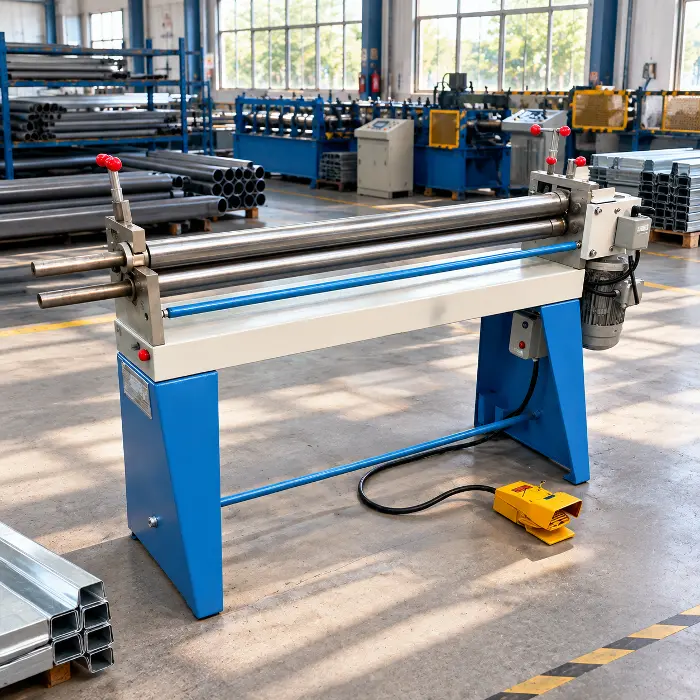
Roll Forming Machines: How Sheet Metal Becomes Structural Shapes
2026/10/08 -
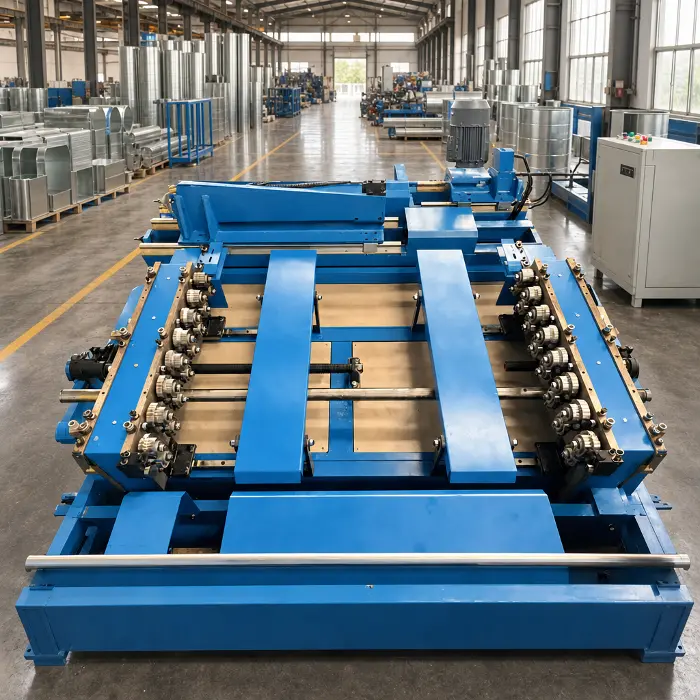
Duct Making Machines for High-Output Rectangular Duct Fabrication
2026/10/08 -
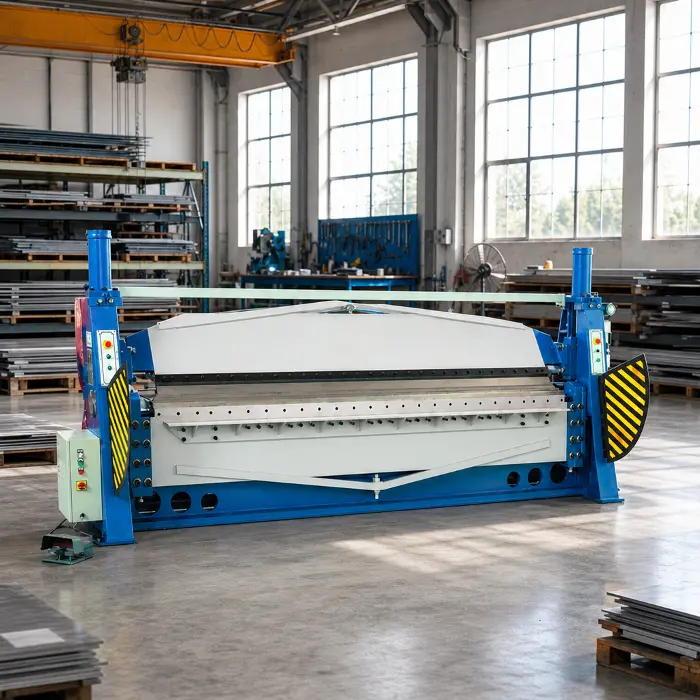
Sheet Metal Machine Selection for Precise Bending and Folding
2026/10/08 -
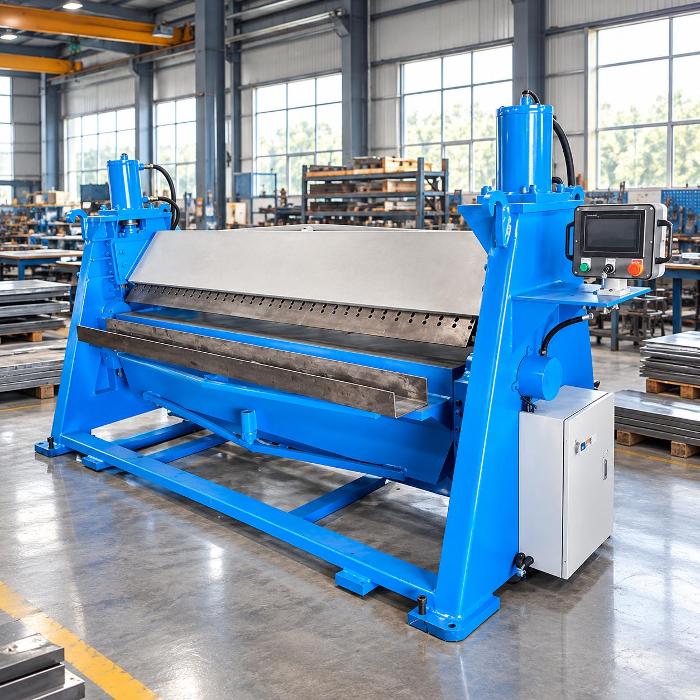
Metalworking Equipment: Choosing the Right Machinery for Modern Fabrication
2026/10/08
-
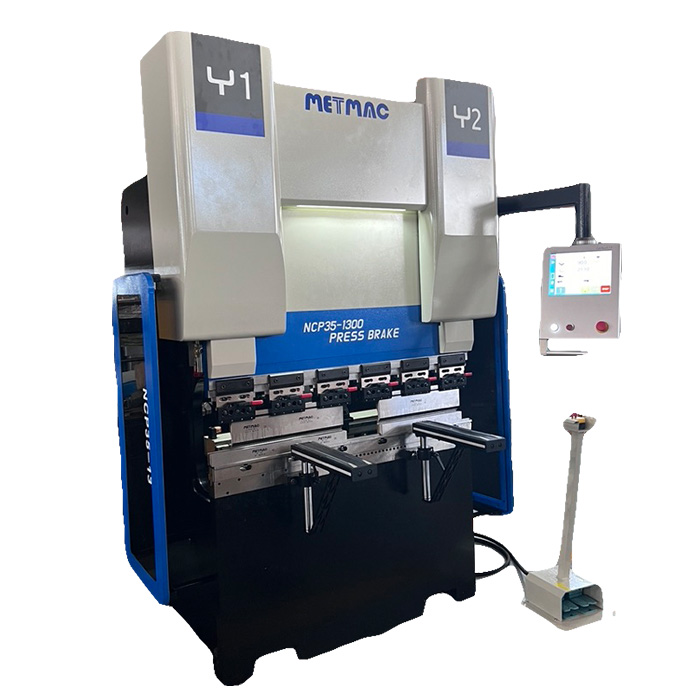
Sheet Metal Press Brake: Ultimate Guide to Precision Bending Technology in 2024
2026/03/13 -
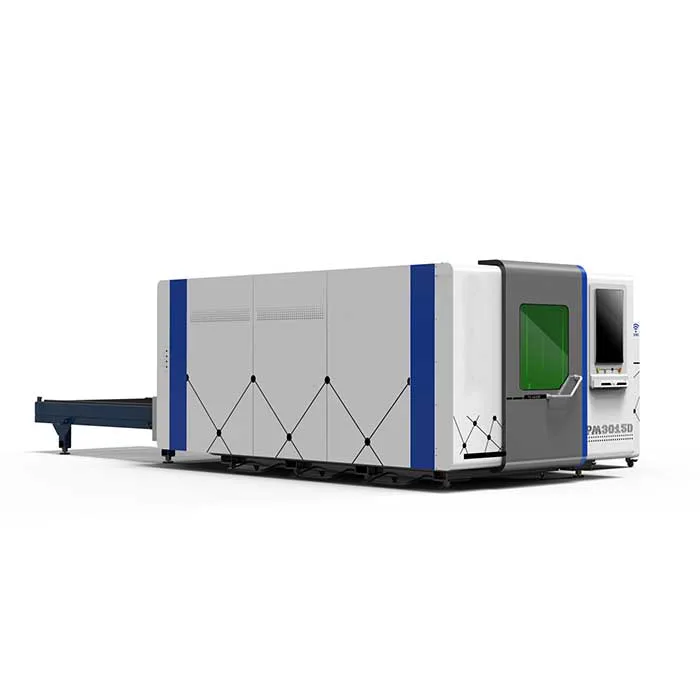
Metal Punching Machine: Ultimate Guide to Precision Manufacturing in 2024
2026/03/11 -
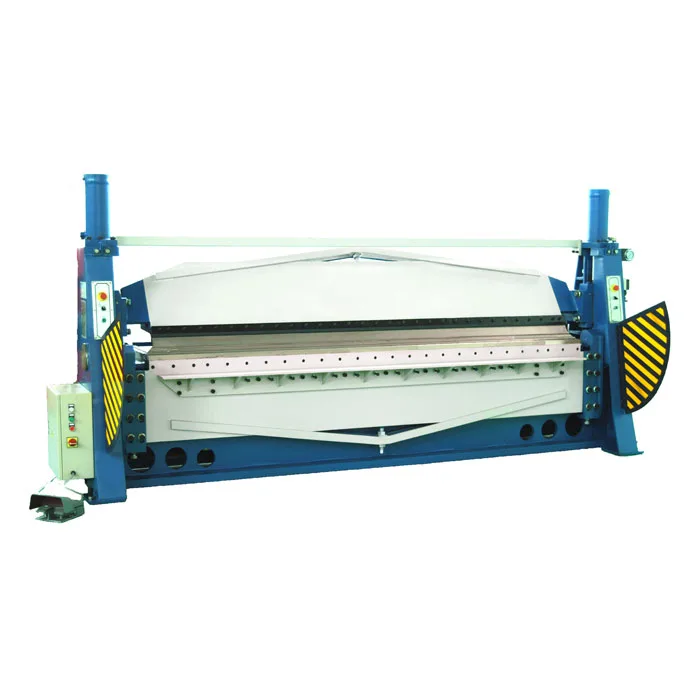
Metal Folding Machine: Comprehensive Guide to Precision Bending in 2024
2026/03/09 -
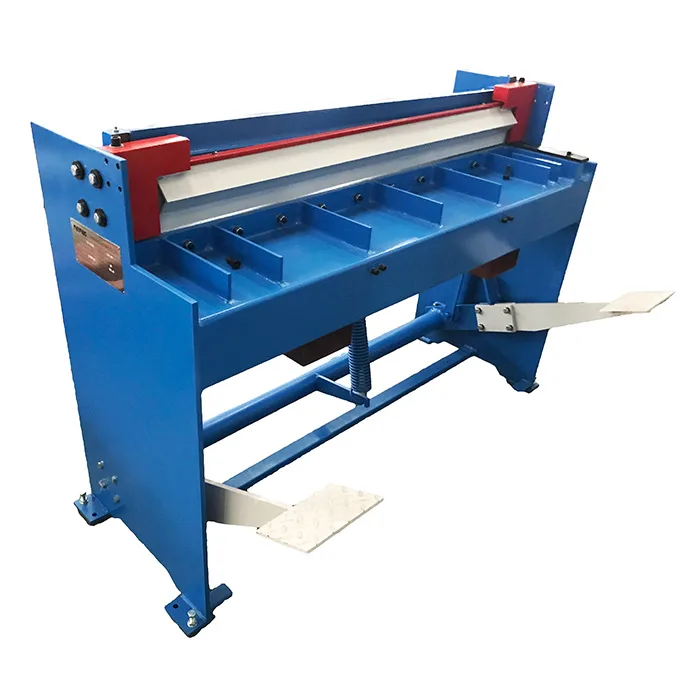
Sheet Metal Equipment: Ultimate Guide to Industrial Fabrication Solutions in 2026
2026/03/06
-
A Guide to the Latest Innovations in Sheet Metal Folding Machines
2024/11/29 -
Key Features to Consider When Investing in a Sheet Metal Folding Machine
2024/11/28 -
Enhancing Precision with Advanced Sheet Metal Folding Machines
2024/11/27 -
How to Choose the Right Sheet Metal Folding Machine for Your Workshop
2024/11/26
