


Safety Standards and Compliance for Plate Bender Machines
Plate bender machines are powerful pieces of equipment used to bend metal into various shapes. Due to the potential hazards involved in their operation, it is crucial to adhere to safety standards and ensure compliance to prevent accidents and injuries.
Machine Design Standards
– Safety Interlocks: Machines must be equipped with interlocks that prevent operation when safety guards are open or removed.
– Emergency Stop Buttons: Easily accessible emergency stop buttons allow operators to quickly halt the machine in case of emergencies.
– Two-Hand Controls: Operators are required to use both hands to initiate bending operations, reducing the risk of hands being caught or crushed.
Operator Safety Measures
– Proper Training: All operators must receive thorough training on safe machine operation, including emergency procedures.
– Personal Protective Equipment (PPE): Operators must use appropriate PPE, such as safety glasses, gloves, and earplugs, to protect themselves from flying debris, noise, and pinch points.
– Safe Work Zones: Designated safe work zones provide a clear and unobstructed area around the machine, minimizing the risk of tripping or falling.
Machine Guarding
– Pinch Point Guards: Pointed or sharp areas on the machine, such as the bending die, must be guarded to prevent hands or other body parts from coming into contact.
– Enclosure Guards: Enclosures protect operators from moving parts, such as the bending ram and hydraulic cylinders.
– Light Curtains: Electronic light curtains detect the presence of operators in hazardous areas and automatically stop the machine to prevent injuries.
Inspection and Maintenance
– Regular Inspections: Machines must be inspected periodically for any damage or defects that could compromise safety.
– Preventive Maintenance: Scheduled maintenance, such as lubrication and replacement of worn parts, helps prevent failures and ensures smooth operation.
– Recordkeeping: Records of inspections and maintenance should be kept to demonstrate compliance with safety standards.
Compliance Verification
– Manufacturer’s Certification: Machines should be certified by the manufacturer to meet relevant safety standards.
– Third-Party Inspection: Independent inspections by qualified inspectors provide an impartial assessment of machine safety.
– Regulatory Audits: Government agencies may conduct audits to ensure compliance with safety regulations.
By adhering to these safety standards and compliance measures, plate bender machine operators can significantly reduce the risk of accidents and injuries, ensuring a safe and productive work environment.
-
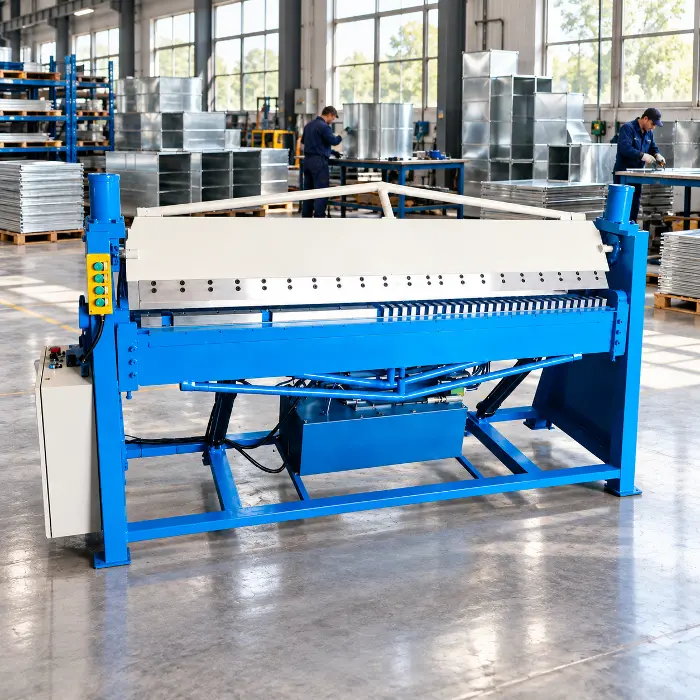
Choosing HVAC Duct Folding Machines for Flange-Safe Bending
2026/10/13 -
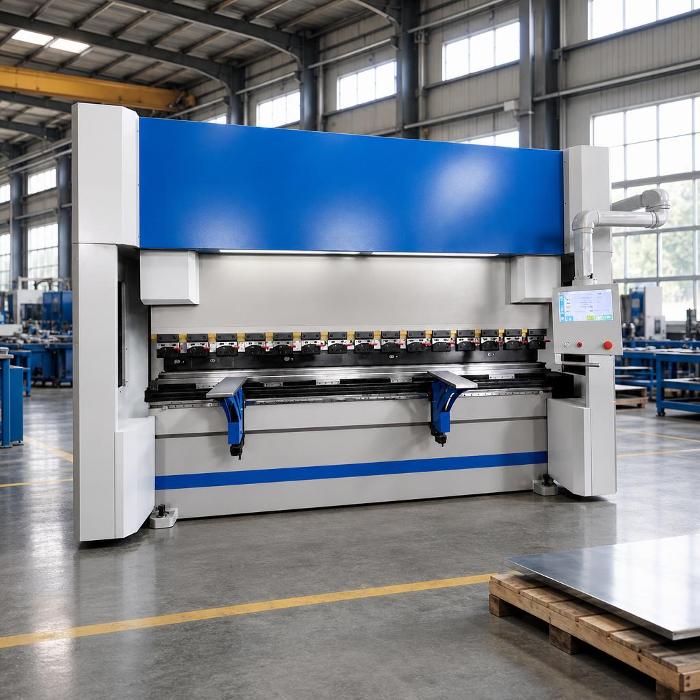
Precision Metal Forming Machines: What Separates Accurate Bends From Scrapped Sheet
2026/10/12 -
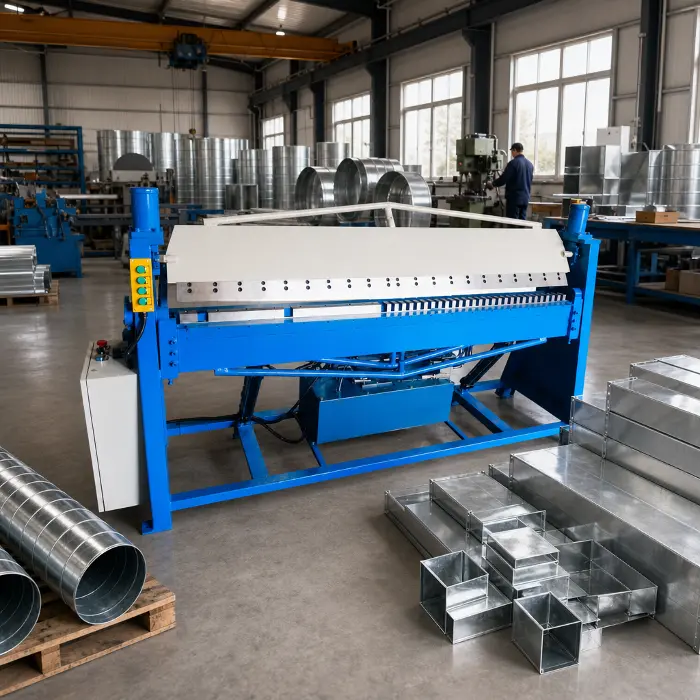
What to Look for in an HVAC Folding Machine Manufacturer
2026/10/11 -
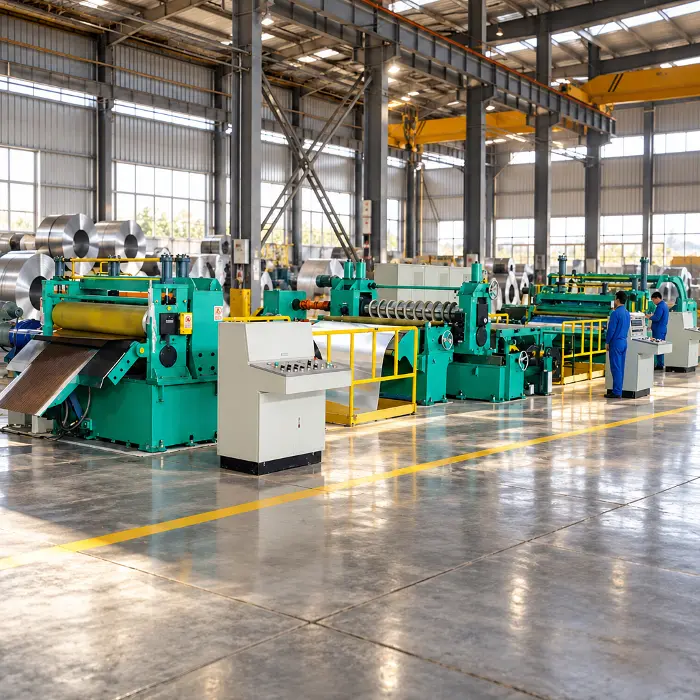
Steel Strip Cutting Machine: Engineering Precision in Modern Metal Processing
2026/10/10
-
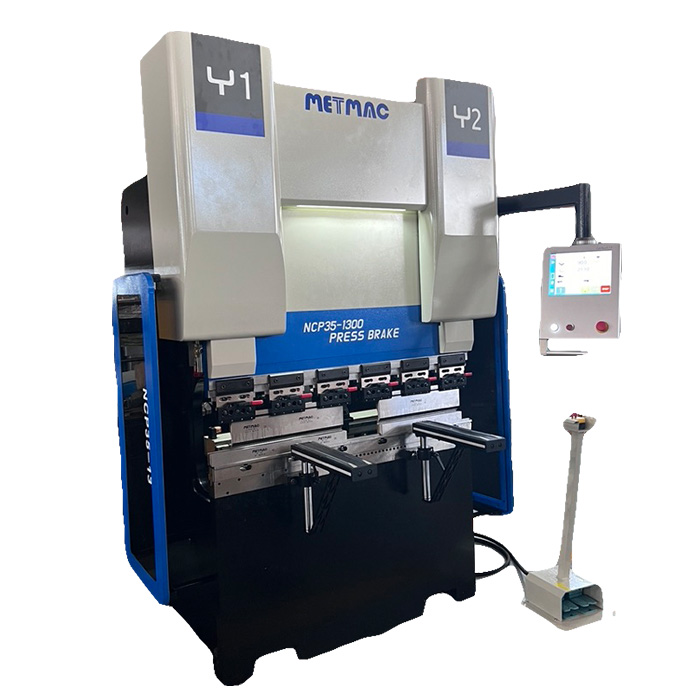
Sheet Metal Press Brake: Ultimate Guide to Precision Bending Technology in 2024
2026/03/13 -
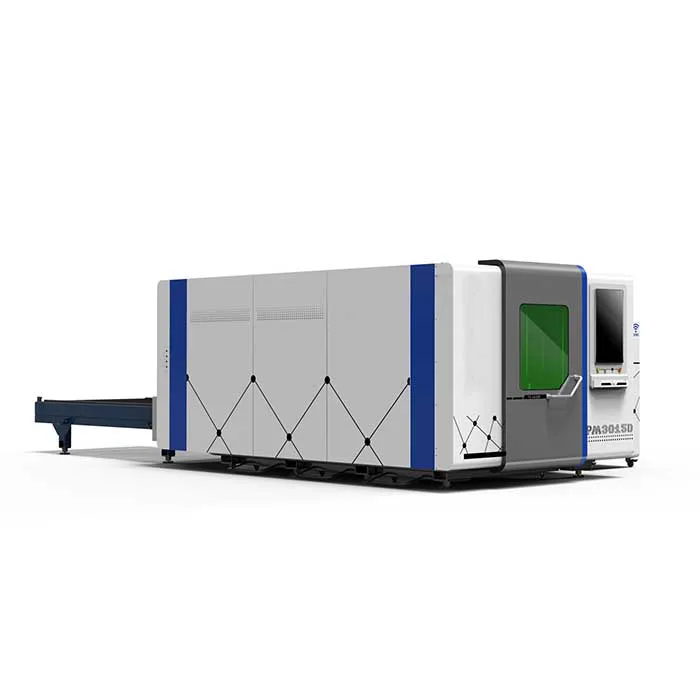
Metal Punching Machine: Ultimate Guide to Precision Manufacturing in 2024
2026/03/11 -
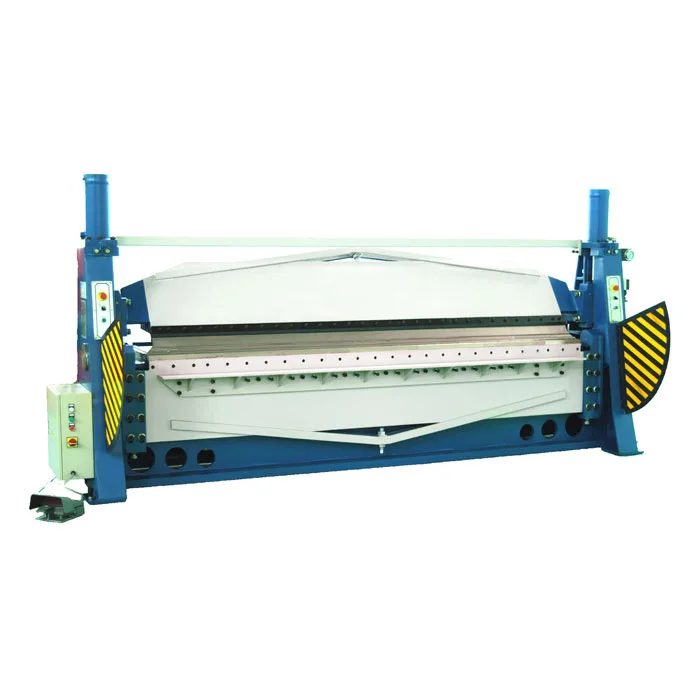
Metal Folding Machine: Comprehensive Guide to Precision Bending in 2024
2026/03/09 -
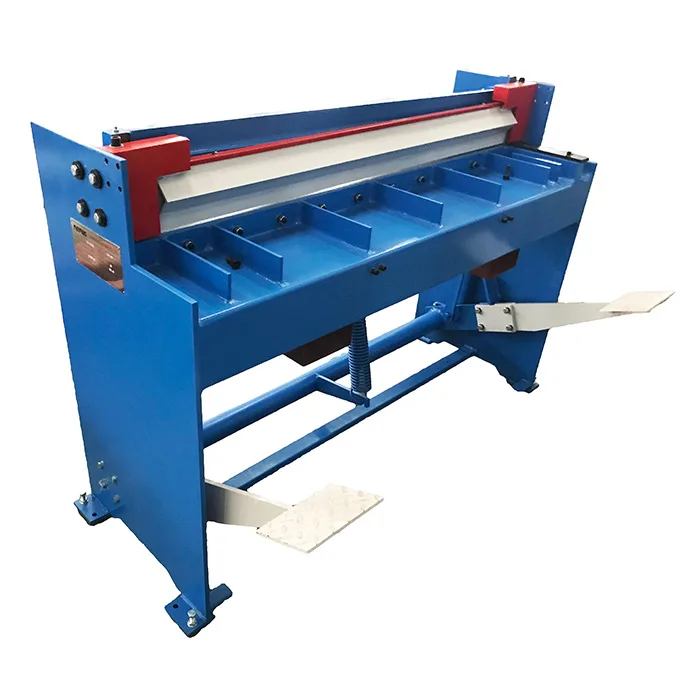
Sheet Metal Equipment: Ultimate Guide to Industrial Fabrication Solutions in 2026
2026/03/06
-
A Guide to the Latest Innovations in Sheet Metal Folding Machines
2024/11/29 -
Key Features to Consider When Investing in a Sheet Metal Folding Machine
2024/11/28 -
Enhancing Precision with Advanced Sheet Metal Folding Machines
2024/11/27 -
How to Choose the Right Sheet Metal Folding Machine for Your Workshop
2024/11/26
