

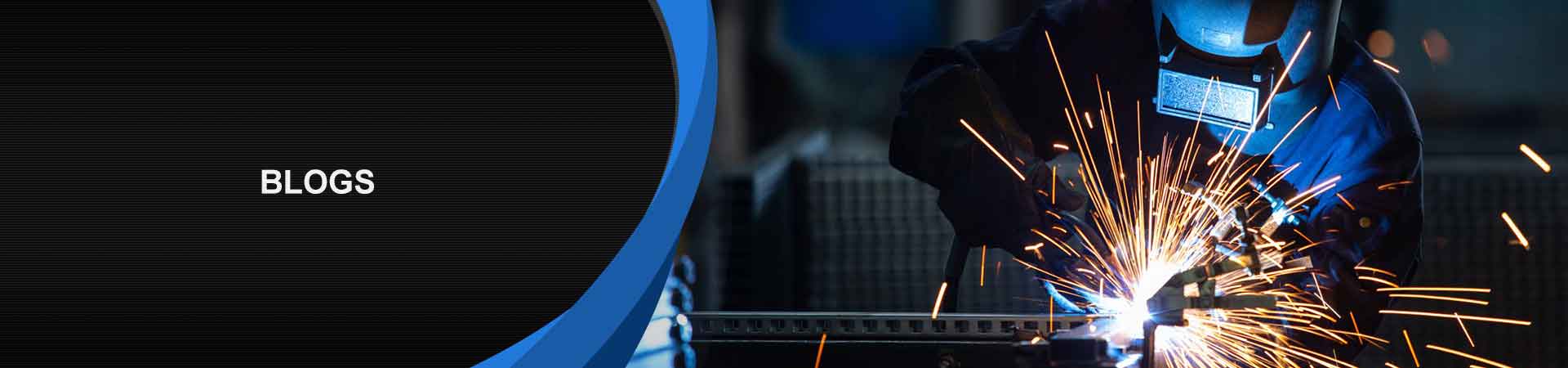
Safety and Environmental Considerations in Metal Fabrication
Metal fabrication involves the crafting and shaping of metal into various products. Safety and environmental considerations are of utmost importance in this industry to protect workers, the public, and the environment. This article will delve into the multiple aspects of safety and environmental considerations in metal fabrication, highlighting the measures and precautions that must be taken.
Hazard Identification and Risk Assessment
Recognizing and assessing potential hazards is crucial in metal fabrication. Common hazards include:
– Electrical hazards: Exposed wires, faulty equipment, and insufficient grounding can pose electrical shock risks.
– Mechanical hazards: Rotating machinery, sharp edges, and heavy equipment can cause crushing, lacerations, or amputations.
– Chemical hazards: Welding fumes, solvents, and metal dust can be toxic or corrosive to human health.
Ergonomic hazards: Repetitive motions, awkward postures, and heavy lifting can lead to musculoskeletal disorders.
– Fire hazards: Flammable materials, welding sparks, and hot surfaces increase the risk of fire.
Personal Protective Equipment (PPE)
PPE plays a vital role in protecting workers from hazards. Typical PPE includes:
– Safety glasses: Protect eyes from flying debris, sparks, and chemicals.
– Hearing protection: Earplugs or earmuffs reduce noise levels to prevent hearing loss.
– Gloves: Protect hands from cuts, burns, and chemical exposure.
– Respiratory protection: Masks or respirators filter out hazardous fumes and dust.
– Safety shoes: Protect feet from falling objects and electrical shocks.
Machine Guarding and Safety Standards
Proper machine guarding prevents contact with hazardous moving parts. Safety standards, such as those established by OSHA, provide guidelines for machine guarding. Guards should:
– Enclose moving parts: Prevent accidental contact with gears, belts, and shafts.
– Limit access: Restrict entry to hazardous areas by providing interlocks or barriers.
– Be properly installed: Guards must be securely fastened and maintained in good condition.
Environmental Impact and Waste Management
Metal fabrication has environmental implications, including:
– Air pollution: Welding fumes, cutting emissions, and dust can deteriorate air quality.
– Water pollution: Wastewater from metalworking processes can contain heavy metals and other contaminants.
– Solid waste: Scrap metal, packaging, and industrial byproducts contribute to waste streams.
Responsible waste management practices minimize environmental impact:
– Recycling and reuse: Recovering and recycling scrap metal reduces waste and conserves resources.
– Wastewater treatment: Wastewater can be treated to remove pollutants before discharge into water bodies.
– Proper disposal: Hazardous waste, such as welding fumes, must be disposed of at approved facilities.
Employee Training and Safety Culture
Effective safety and environmental practices require a strong safety culture and comprehensive employee training. Training should cover:
– Hazard recognition and risk assessment: Teaching workers how to identify and control hazards.
– PPE use: Proper selection, fitting, and maintenance of PPE.
– Machine guarding: Understanding and observing machine safety procedures.
– Emergency response: Respond to and prevent accidents and emergencies.
– Environmental awareness: Promote responsible waste management and pollution prevention practices.
Continuous Improvement and Regulatory Compliance
Safety and environmental considerations are ongoing processes that require continuous improvement. Regular monitoring and audits ensure compliance with regulations and identify areas for improvement. By implementing and maintaining sound safety and environmental practices, metal fabrication facilities can create a safe and sustainable work environment while protecting the environment.
-
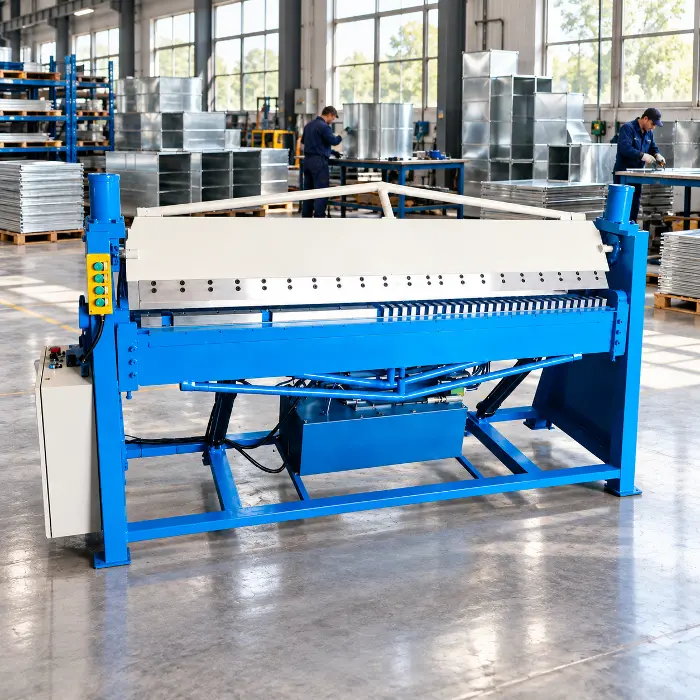
Choosing HVAC Duct Folding Machines for Flange-Safe Bending
2026/10/13 -
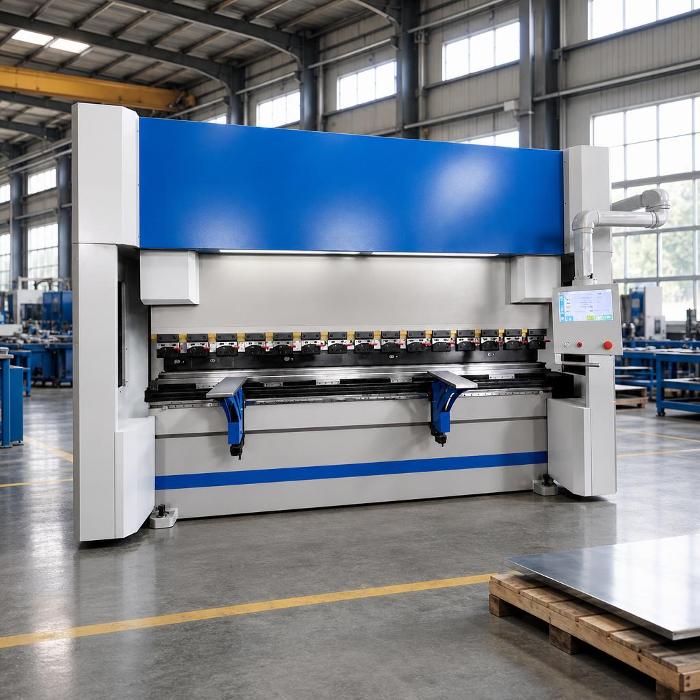
Precision Metal Forming Machines: What Separates Accurate Bends From Scrapped Sheet
2026/10/12 -
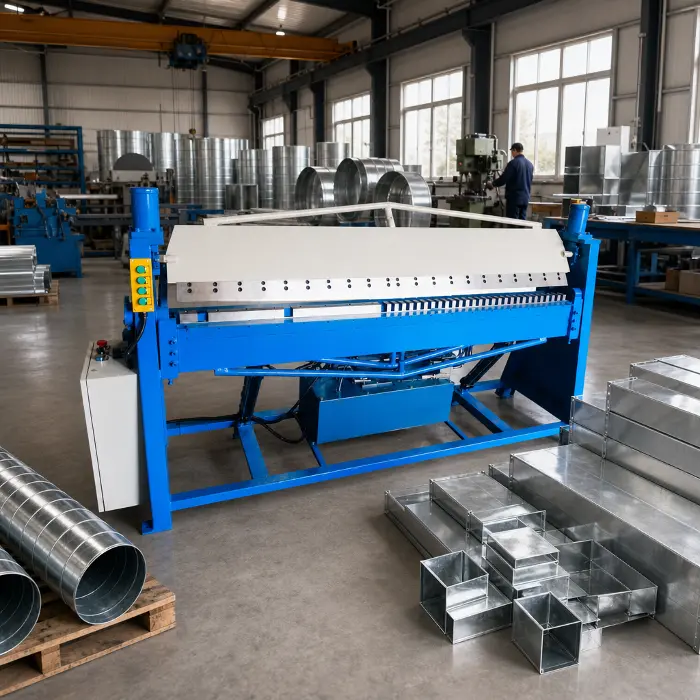
What to Look for in an HVAC Folding Machine Manufacturer
2026/10/11 -
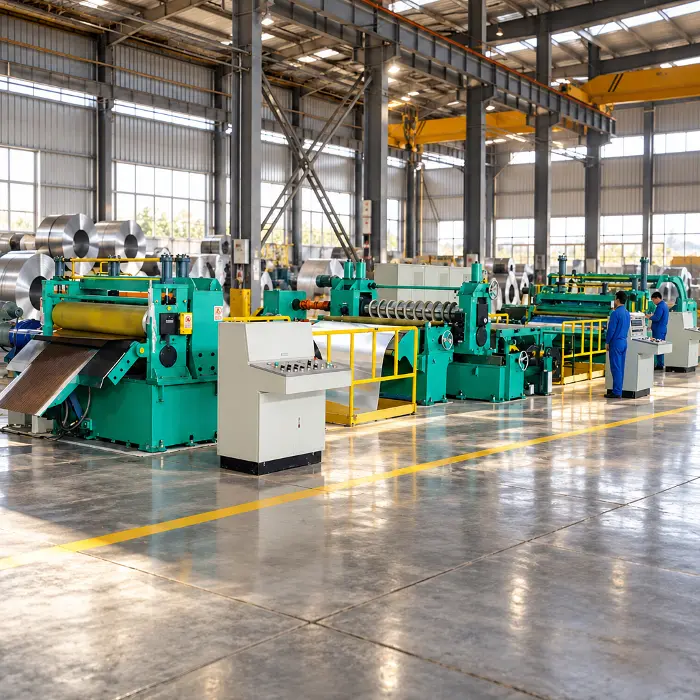
Steel Strip Cutting Machine: Engineering Precision in Modern Metal Processing
2026/10/10
-
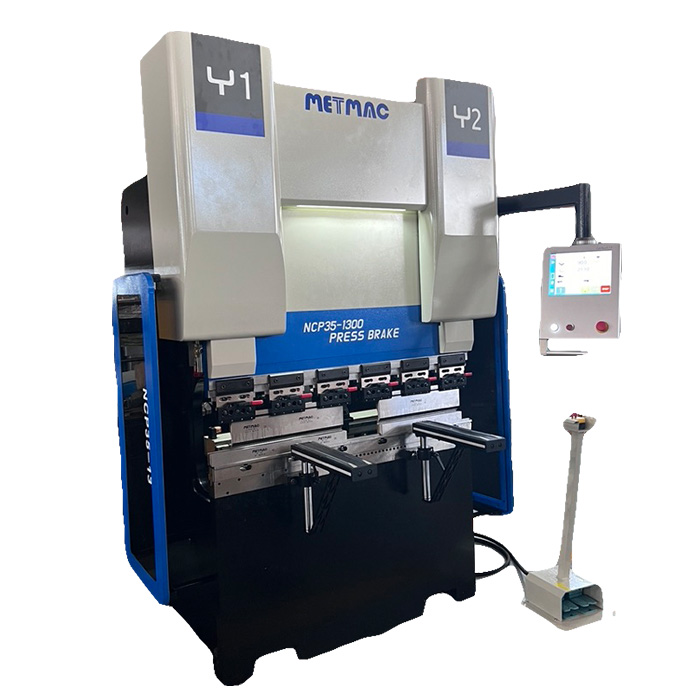
Sheet Metal Press Brake: Ultimate Guide to Precision Bending Technology in 2024
2026/03/13 -
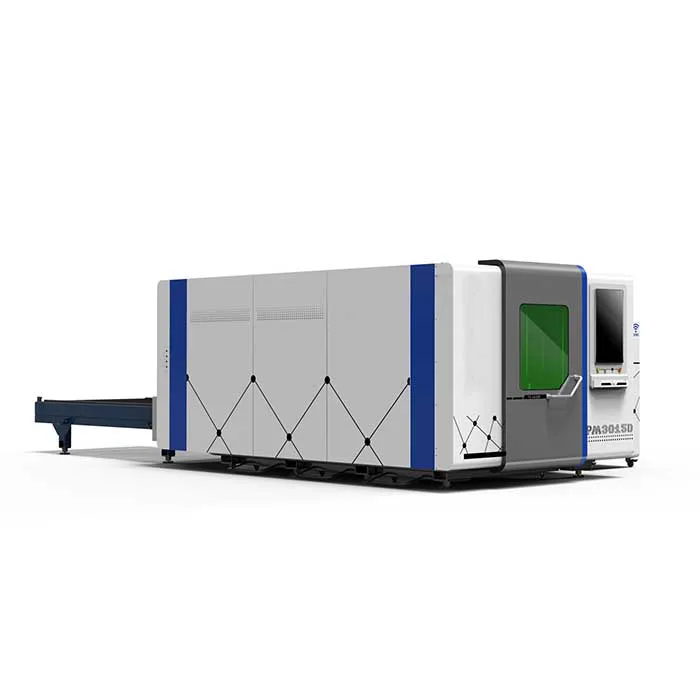
Metal Punching Machine: Ultimate Guide to Precision Manufacturing in 2024
2026/03/11 -
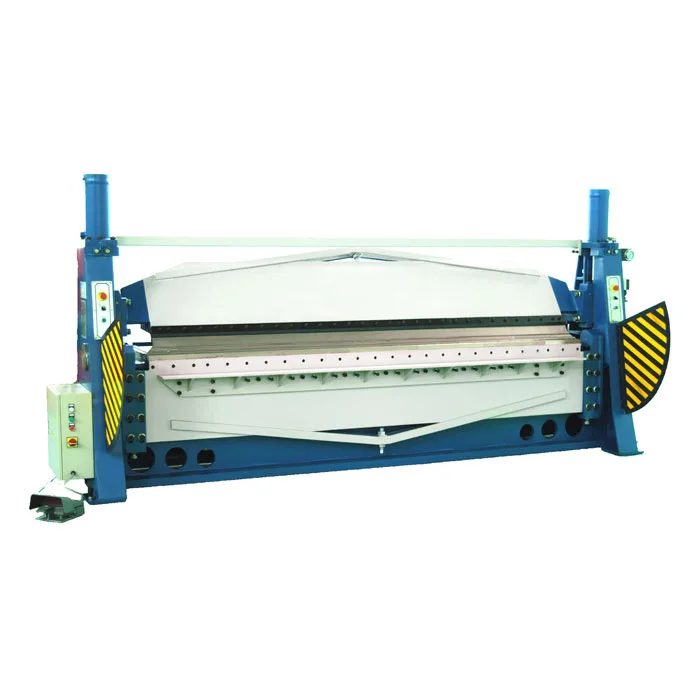
Metal Folding Machine: Comprehensive Guide to Precision Bending in 2024
2026/03/09 -
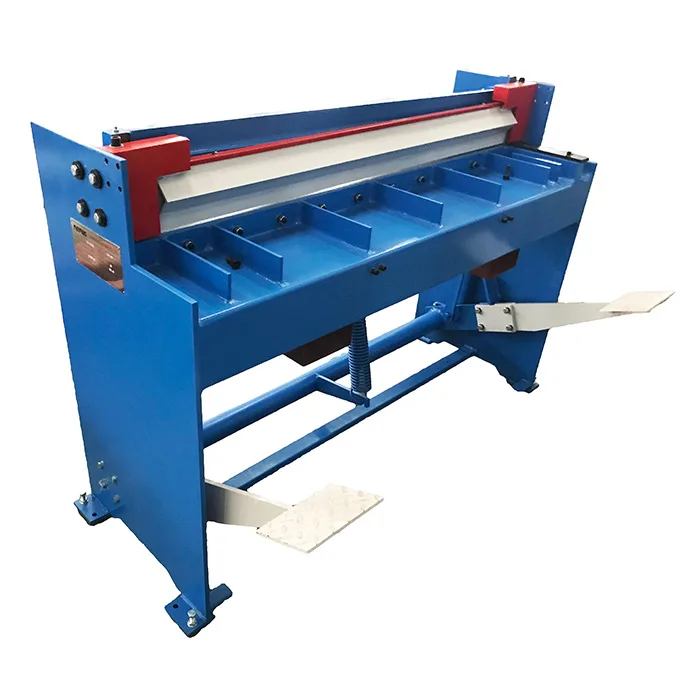
Sheet Metal Equipment: Ultimate Guide to Industrial Fabrication Solutions in 2026
2026/03/06
-
A Guide to the Latest Innovations in Sheet Metal Folding Machines
2024/11/29 -
Key Features to Consider When Investing in a Sheet Metal Folding Machine
2024/11/28 -
Enhancing Precision with Advanced Sheet Metal Folding Machines
2024/11/27 -
How to Choose the Right Sheet Metal Folding Machine for Your Workshop
2024/11/26
