

Retrofitting Old Metal Plate Rolling Machines
Retrofitting Old Metal Plate Rolling Machines: A New Lease on Life
The industrial landscape is constantly evolving, demanding innovative solutions and efficient equipment. However, amidst the advancement, there lies a wealth of untapped potential in existing machines that can be revitalized through retrofitting. This article explores the transformative power of retrofitting old metal plate rolling machines, injecting them with cutting-edge capabilities and extending their lifespan.
Why Retrofitting Metal Plate Rolling Machines?
Metal plate rolling machines are fundamental tools in industries such as shipbuilding, construction, and fabrication. Over time, these machines may become antiquated, limiting their functionality and efficiency. Retrofitting breathes new life into these aging behemoths, allowing them to keep pace with modern demands.
Benefits of Retrofitting
Retrofitting offers a multitude of benefits:
Enhanced Functionality: It can upgrade old machines with advanced features, such as computerized controls, improved precision, and increased rolling capacity.
Increased Productivity: Modernized components can optimize machine performance, resulting in faster rolling speeds, reduced downtime, and higher output.
Energy Savings: Retrofitting with energy-efficient motors and controls can significantly reduce energy consumption, leading to cost savings and environmental benefits.
Extended Lifespan: By replacing worn-out parts and implementing preventive maintenance strategies, retrofitting can prolong the machine’s lifespan, deferring the need for costly replacements.
How to Retrofit
The retrofitting process typically involves:
Assessment: Evaluate the existing machine’s condition, capabilities, and limitations.
Planning: Design a retrofit plan that aligns with the desired improvements and budget.
Sourcing: Acquire the necessary components, including motors, controllers, sensors, and software.
Installation and Commissioning: Assemble and integrate the new components into the existing machine, ensuring proper testing and calibration.
Conclusion
Retrofitting old metal plate rolling machines is a strategic investment that transforms aging equipment into modern, high-performing assets. By leveraging advanced technologies and innovative approaches, businesses can extend the lifespan of their machines, enhance productivity, reduce energy consumption, and gain a competitive edge in the ever-evolving industrial landscape. As the demand for efficiency and sustainability grows, retrofitting becomes a compelling solution for revitalizing existing infrastructure and maximizing its potential.
-
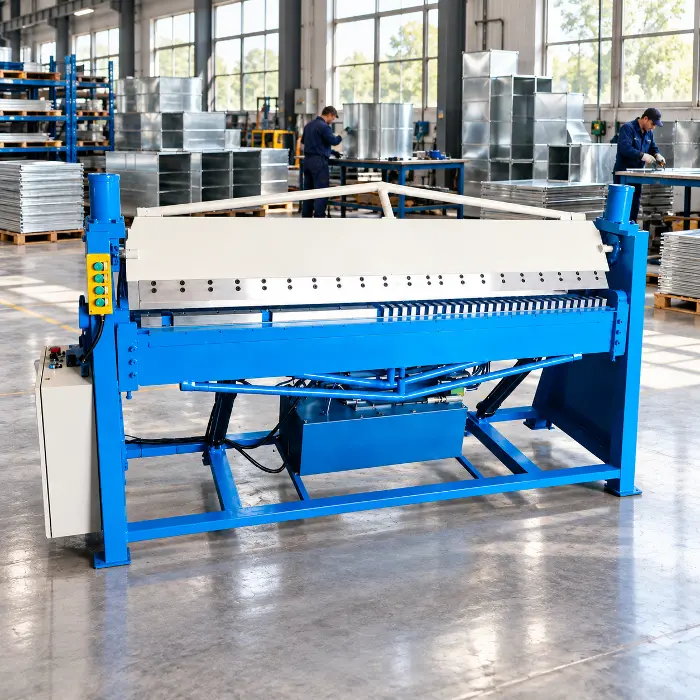
Choosing HVAC Duct Folding Machines for Flange-Safe Bending
2026/10/13 -
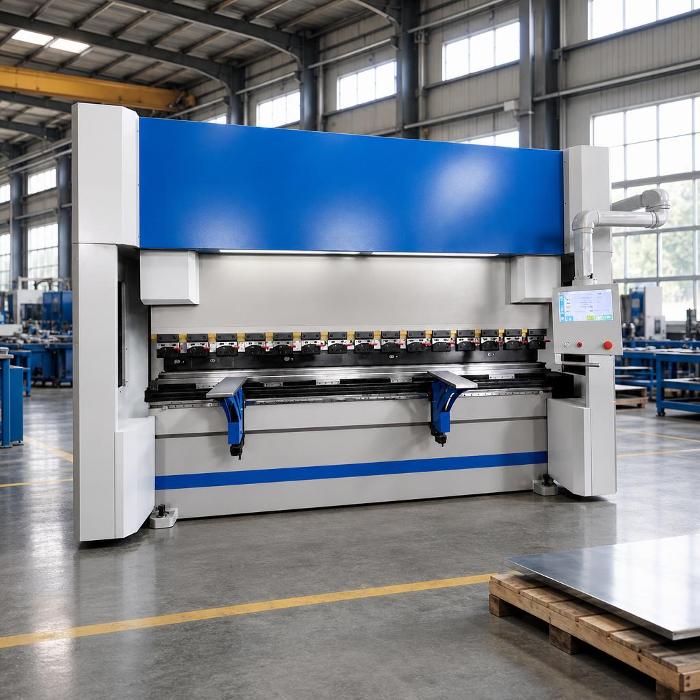
Precision Metal Forming Machines: What Separates Accurate Bends From Scrapped Sheet
2026/10/12 -
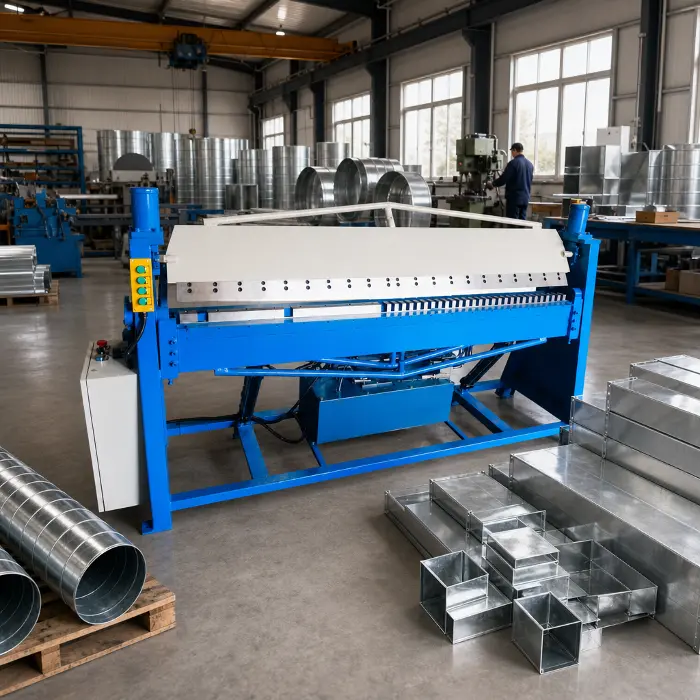
What to Look for in an HVAC Folding Machine Manufacturer
2026/10/11 -
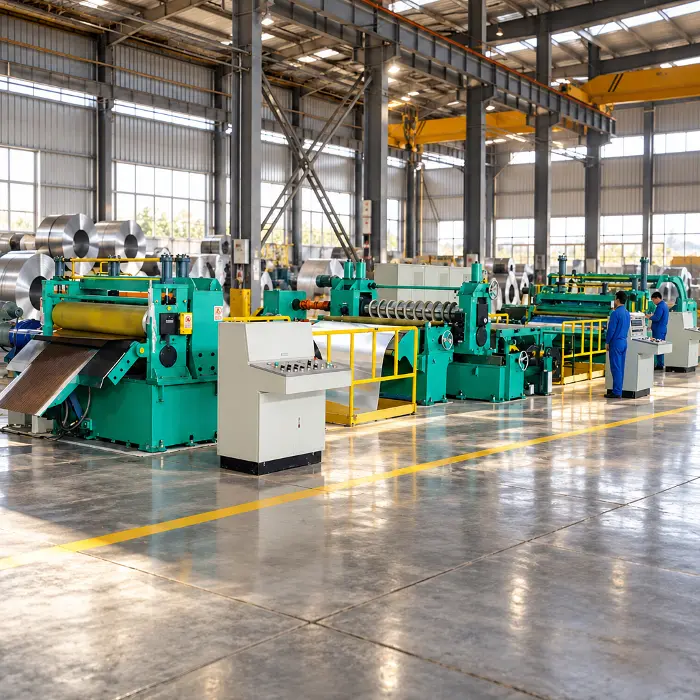
Steel Strip Cutting Machine: Engineering Precision in Modern Metal Processing
2026/10/10
-
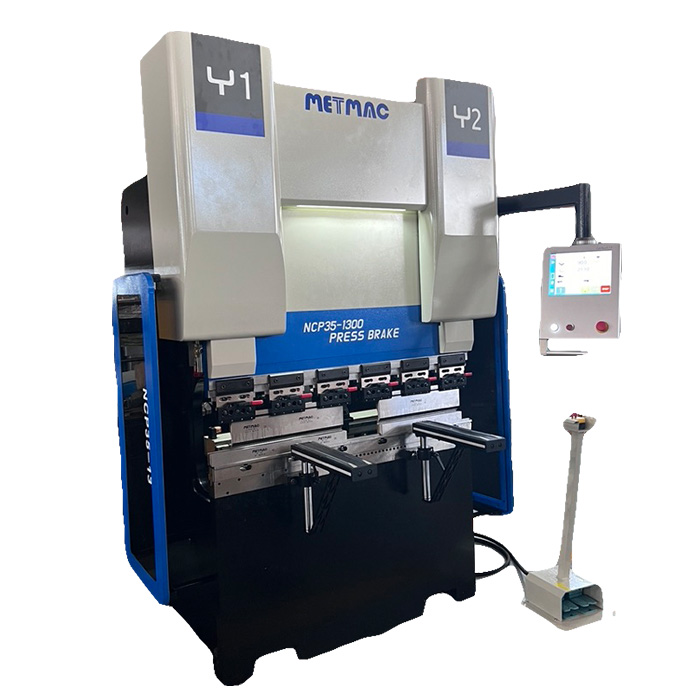
Sheet Metal Press Brake: Ultimate Guide to Precision Bending Technology in 2024
2026/03/13 -
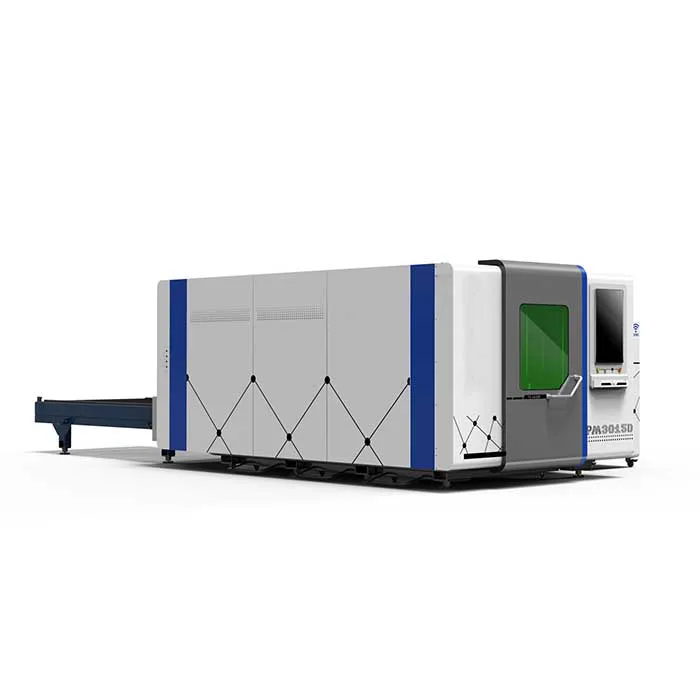
Metal Punching Machine: Ultimate Guide to Precision Manufacturing in 2024
2026/03/11 -
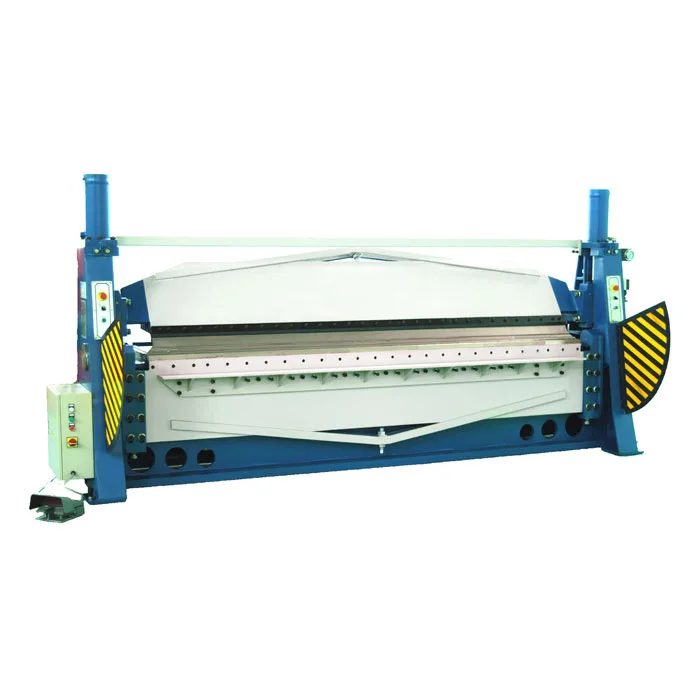
Metal Folding Machine: Comprehensive Guide to Precision Bending in 2024
2026/03/09 -
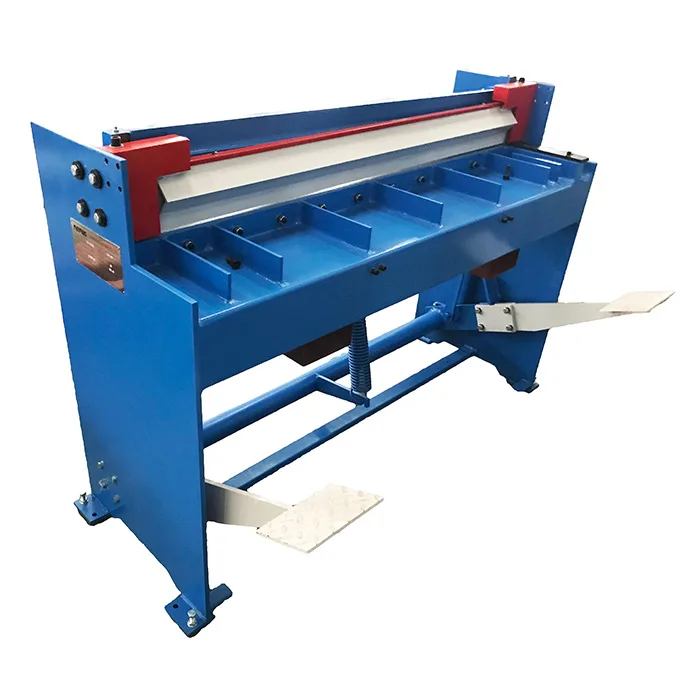
Sheet Metal Equipment: Ultimate Guide to Industrial Fabrication Solutions in 2026
2026/03/06
-
A Guide to the Latest Innovations in Sheet Metal Folding Machines
2024/11/29 -
Key Features to Consider When Investing in a Sheet Metal Folding Machine
2024/11/28 -
Enhancing Precision with Advanced Sheet Metal Folding Machines
2024/11/27 -
How to Choose the Right Sheet Metal Folding Machine for Your Workshop
2024/11/26
