


Regulatory Compliance and Standards in Plate Bending
Regulatory Compliance and Standards in Plate Bending: Navigating the Labyrinth
In the realm of industrial manufacturing, plate bending stands as a precision-driven process, meticulously shaping metal plates into complex contours. However, this intricate dance must also adhere to the rigorous dictates of regulatory compliance and industry standards, ensuring safety, quality, and impeccable product realization.
Regulatory Compass: The Path to Compliance
Regulations guide every aspect of plate bending operations. From workplace safety to product integrity, a comprehensive understanding of relevant standards is imperative. ISO 9001, the international quality management system, provides a framework for implementing robust processes and ensuring customer satisfaction. ASME B30.5, the American National Standard for the safe use of overhead and gantry cranes, dictates the safety protocols for lifting and handling heavy plates. Adhering to these regulations mitigates risks, safeguards workers, and enhances overall operational efficiency.
Standards as Precision Guides: Shaping Excellence
Industry standards refine the art of plate bending, providing specific guidelines for bending radii, tolerance limits, and material properties. ASTM A572, the American standard for high-strength, low-alloy structural steel, defines the mechanical characteristics of commonly used steel plates. JIS G3131, the Japanese standard for plate bending machines, sets forth precise specifications for bend angle accuracy, bending speed, and equipment maintenance. By adhering to these standards, manufacturers ensure that their plates meet the stringent requirements of various industry sectors, ranging from construction and automotive to aerospace and energy.
Visible Visibility: A Beacon for Success
Effective regulatory compliance and adherence to standards not only enhance safety and quality, but also elevate the visibility of manufacturers in the global marketplace. Certifications and accreditations demonstrate a commitment to excellence, attracting customers who seek reliable and trustworthy partners. By prominently displaying these credentials on their websites, marketing materials, and product packaging, manufacturers differentiate themselves from the competition and build a reputation for integrity and expertise.
Conclusion: The Synergistic Dance
Regulatory compliance and industry standards in plate bending represent an indispensable dance, ensuring the safe, precise, and high-quality production of bent metal plates. By understanding the intricate requirements of these guidelines and implementing them diligently, manufacturers navigate the labyrinth of regulations and emerge as trusted providers of products that meet the highest expectations. As the industrial landscape evolves, continuous monitoring and adaptation to changing standards will be crucial for remaining competitive and delivering exceptional results.
-
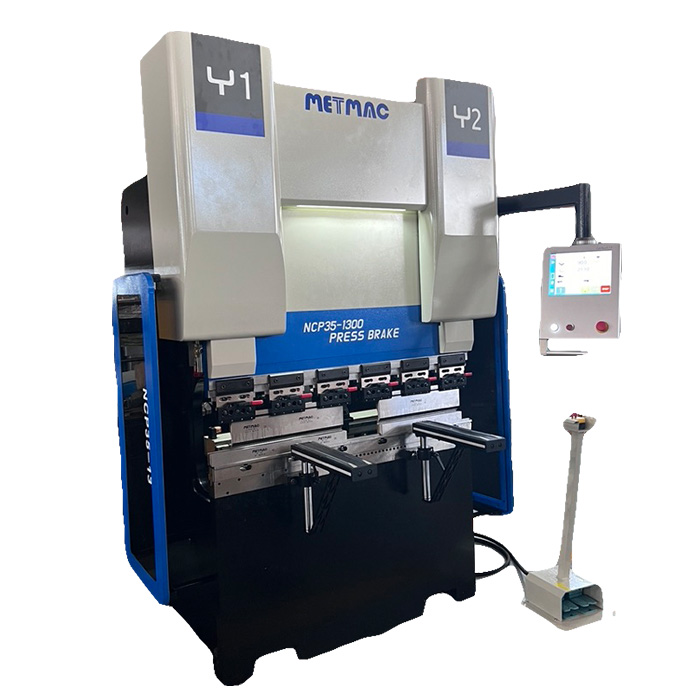
Press Metal Machine: The Definitive Guide to Precision Metal Forming
2026/03/12 -
Metal Punching Machine: The Ultimate Guide to Precision Hole Punching
2026/03/10 -
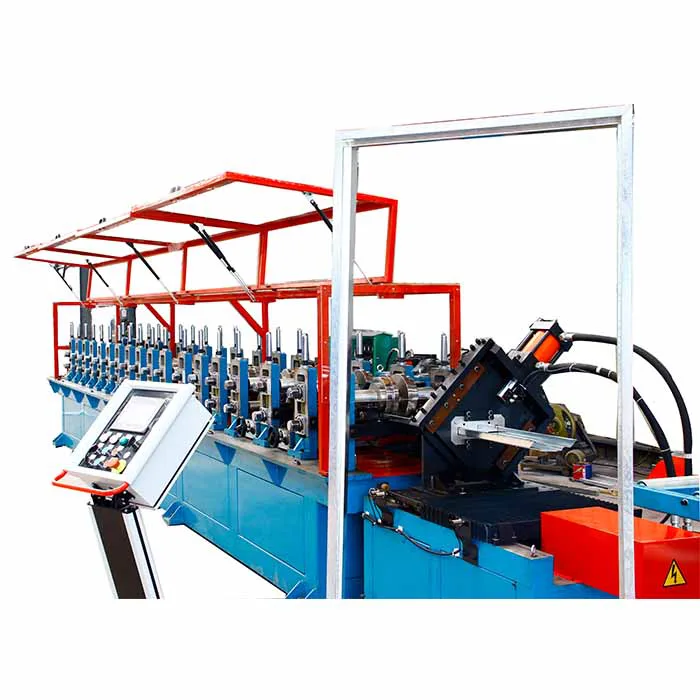
Sheet Metal Machinery: The Ultimate Guide to Industrial Fabrication Excellence
2026/03/04 -
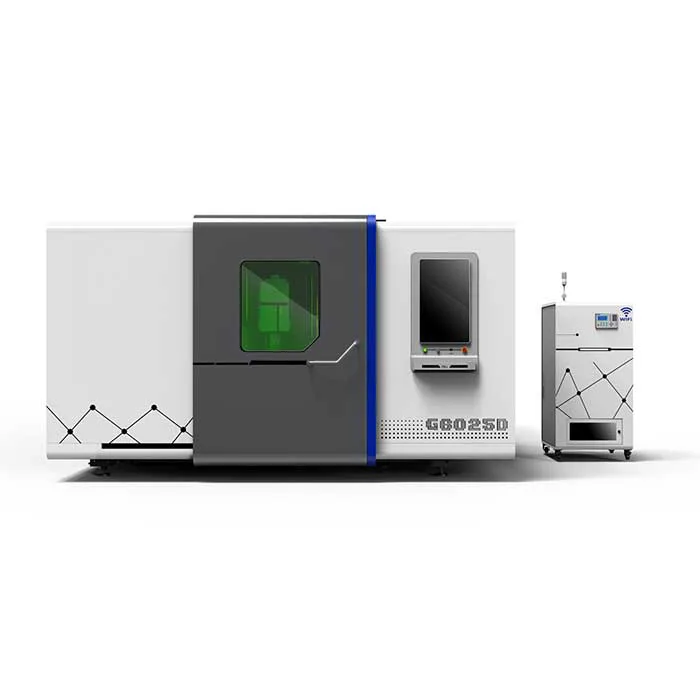
Iron Sheet Laser Cutting Machine: Unmatched Precision for Demanding Fabrication with METMAC
2026/01/06
-
Sheet Metal Press Brake: Ultimate Guide to Precision Bending Technology in 2024
2026/03/13 -
Metal Punching Machine: Ultimate Guide to Precision Manufacturing in 2024
2026/03/11 -
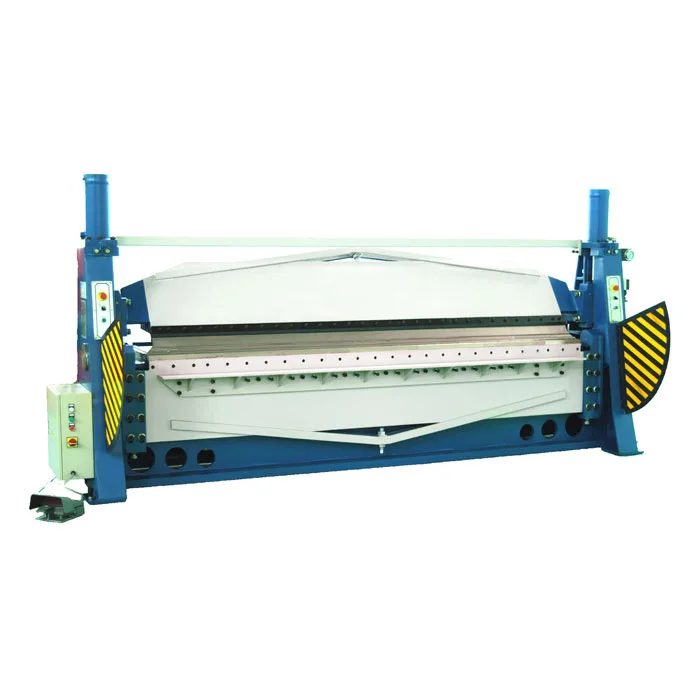
Metal Folding Machine: Comprehensive Guide to Precision Bending in 2024
2026/03/09 -
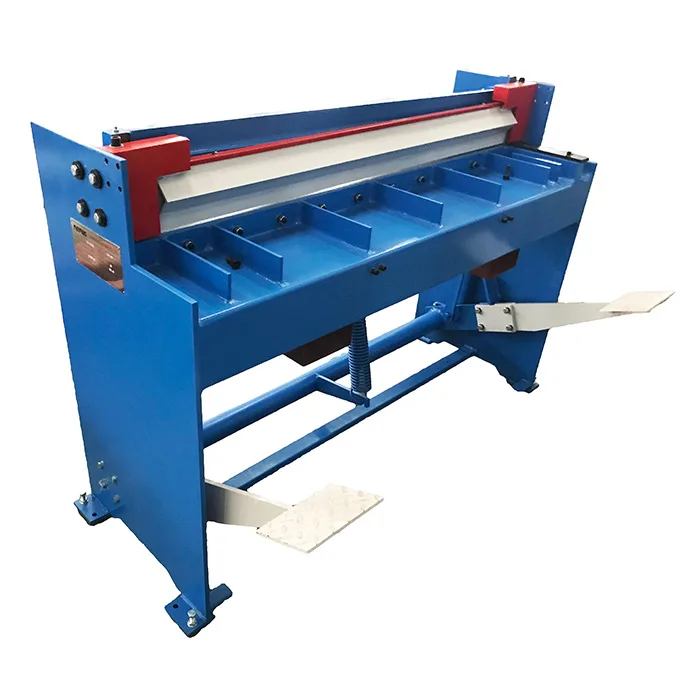
Sheet Metal Equipment: Ultimate Guide to Industrial Fabrication Solutions in 2026
2026/03/06
-
A Guide to the Latest Innovations in Sheet Metal Folding Machines
2024/11/29 -
Key Features to Consider When Investing in a Sheet Metal Folding Machine
2024/11/28 -
Enhancing Precision with Advanced Sheet Metal Folding Machines
2024/11/27 -
How to Choose the Right Sheet Metal Folding Machine for Your Workshop
2024/11/26
