


Regulatory Compliance and Duct Fabrication Machines
Regulatory Compliance and Duct Fabrication Machines: Ensuring Safety and Efficiency
Introduction
Regulatory compliance and duct fabrication machines are inextricably linked, as the latter must adhere to strict standards to ensure safety and efficiency. This article explores the significance of regulatory compliance in duct fabrication and discusses how these machines meet industry regulations.
Regulatory Framework
The duct fabrication industry is subject to a comprehensive regulatory framework that governs safety, energy efficiency, and environmental protection. Key regulations include the Building Code, the International Mechanical Code, and the National Fire Protection Association (NFPA) standards. These regulations establish minimum requirements for duct design, materials, and installation practices to prevent fires, minimize energy consumption, and maintain occupant safety.
Compliance Benefits
Adhering to regulatory compliance offers numerous benefits for duct fabrication businesses, including:
Enhanced Safety:
Compliant machines ensure safe operation, reducing the risk of accidents and injuries. They incorporate features such as guards, interlocks, and emergency stop switches.
Improved Efficiency:
Compliance promotes efficient manufacturing processes by optimizing machine settings and material usage. Energy-efficient machines minimize operating costs.
Quality Assurance:
Compliant machines contribute to quality ductwork by enabling precise fabrication, accurate measurements, and consistent results.
Legal Protections:
Compliance protects businesses from legal liabilities associated with regulation violations. It demonstrates due diligence and reduces the risk of fines or penalties.
Compliance in Duct Fabrication Machines
Duct fabrication machines are designed and manufactured to meet regulatory requirements in several aspects:
Safety Features:
Machines incorporate safety devices such as pinch points guards, blade covers, and noise control measures. Operator safety is further enhanced by user-friendly interfaces and intuitive controls.
Energy Efficiency:
Compliant machines use variable speed drives to adjust fan speeds, reducing energy consumption. High-efficiency motors and cutting-edge technologies minimize power usage.
Environmental Compliance:
Machines comply with environmental regulations by minimizing waste and emissions. They utilize biodegradable cutting fluids and adhere to recycling guidelines.
Testing and Certification:
Machines undergo rigorous testing and certification by independent laboratories to ensure compliance with industry standards. This involves performance, safety, and durability assessments.
Certification and Enforcement
Compliance with regulatory standards is enforced through inspections, audits, and certifications. Independent organizations, such as Underwriters Laboratories (UL) and the Sheet Metal and Air Conditioning Contractors’ National Association (SMACNA), conduct inspections and issue certifications to machines that meet their criteria.
Conclusion
Regulatory compliance is essential for the duct fabrication industry, ensuring safety, promoting efficiency, and protecting businesses from legal liabilities. Duct fabrication machines are designed and manufactured to adhere to regulatory frameworks, incorporating features that enhance safety, minimize energy consumption, and comply with environmental standards. By investing in compliant machines, duct fabrication businesses can reduce risks, improve quality, and ensure long-term sustainability.
-
2027 Essential Guide to Choosing the Perfect Bold**Wood and Fabric Bed Frame** for Your Bedroom
2026/03/05 -
2027 Latest Trends in Wood and Fabric Bed Frames for Modern Bedrooms: Comprehensive Buyer’s Guide & Top Styles Breakdown
2026/03/05 -
Wood and Fabric Bed Frames: Pros, Cons, and 2027 Maintenance Tips You Need to Know
2026/03/05 -
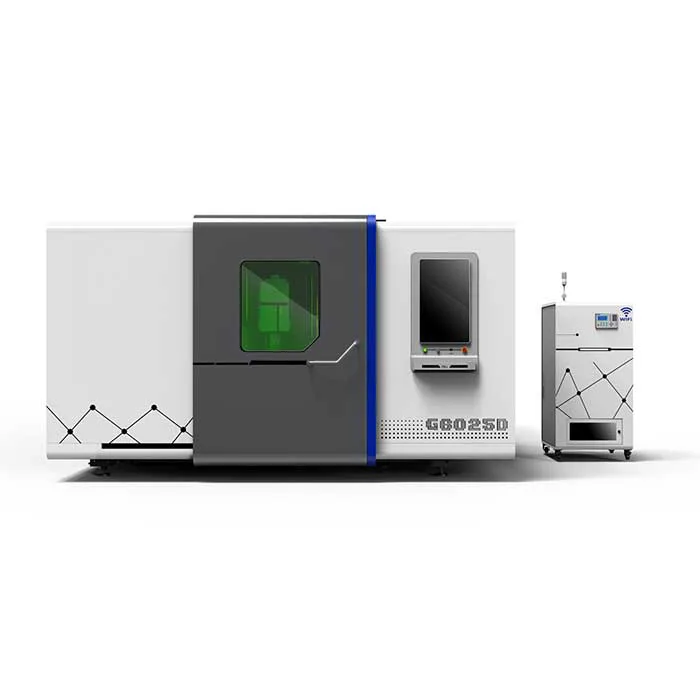
Iron Sheet Laser Cutting Machine: Unmatched Precision for Demanding Fabrication with METMAC
2026/01/06
-
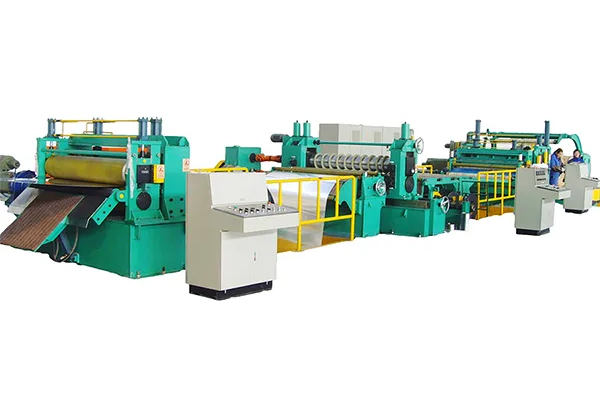
Advanced Sheet Metal Rolling, Laser Cutting, and Folding Machines for Precision Fabrication
2025/10/31 -
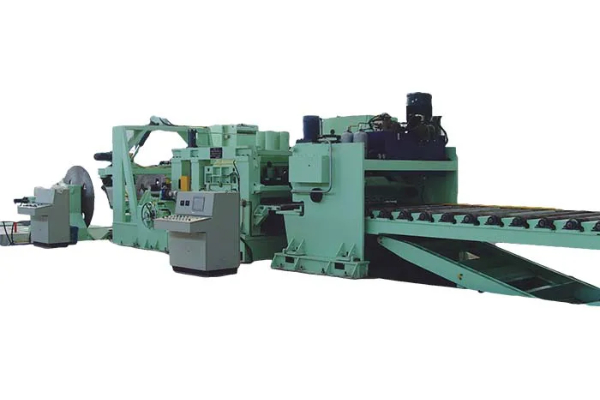
High-Performance Sheet Metal Bending and Cutting Machines for Modern Fabrication
2025/10/31 -
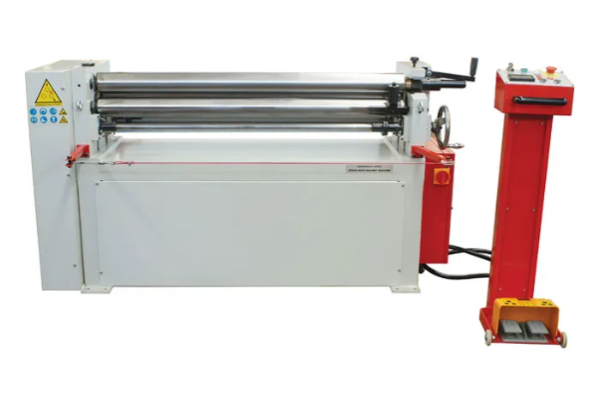
High-Quality Sheet Metal Equipment for Sale: Efficient Solutions for Modern Manufacturing
2025/10/31 -
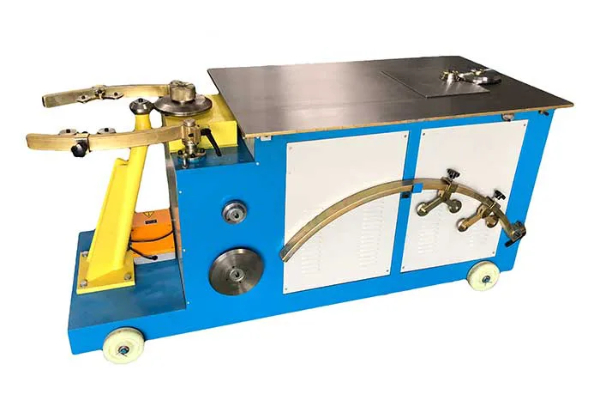
High-Performance Sheet Metal Equipment for Sale: Forming and Shearing Solutions for Modern Fabrication
2025/10/22
-
A Guide to the Latest Innovations in Sheet Metal Folding Machines
2024/11/29 -
Key Features to Consider When Investing in a Sheet Metal Folding Machine
2024/11/28 -
Enhancing Precision with Advanced Sheet Metal Folding Machines
2024/11/27 -
How to Choose the Right Sheet Metal Folding Machine for Your Workshop
2024/11/26
