


Precision Fabrication- Achieving Consistency with Metal Bending Brakes
The intricacies of metal fabrication demand utmost precision and consistency. Metal bending brakes, as pivotal tools in this realm, play a crucial role in ensuring dimensional accuracy and repeatability in bending operations. This article delves into the depths of precision fabrication, exploring the multifaceted aspects of metal bending brakes that contribute to consistent outcomes.
Precision Measurement and Setup
Accurate measurements and meticulous setup form the foundation for precision bending. Advanced measuring devices, such as digital angle encoders and laser sensors, provide precise and reliable angle measurements. Adjustable back gauges enable precise positioning of the workpiece, ensuring consistent bends. A well-calibrated machine guarantees accurate bending angles throughout the production run.
Tooling Selection and Maintenance
Appropriate tooling selection is paramount for consistent bending. Choose dies and punches that match the material thickness, geometry, and desired bend radius. Sharp and well-maintained tools minimize material deformation and prevent inconsistencies. Regular tool maintenance, including cleaning, lubrication, and replacement when necessary, ensures optimal performance.
Material Preparation and Handling
Proper material preparation is essential. Ensure that the metal is clean and free of debris. A consistent surface finish minimizes variations in bending forces and promotes uniform bending results. Careful handling during loading and unloading prevents any unintentional bending or damage to the workpiece.
Process Monitoring and Control
Real-time monitoring systems track bending parameters, such as force, position, and angle, throughout the process. These sensors provide immediate feedback, allowing for prompt adjustments to maintain consistency. Automated bending programs can minimize human error and enhance repeatability.
Quality Control and Inspection
Rigorous quality control measures are indispensable. Non-destructive testing methods, such as laser scanning or coordinate measuring machines, verify the accuracy of bends. Visual inspections identify any surface irregularities or defects. Statistical process control techniques monitor and analyze process data, ensuring continuous improvement.
Conclusion
Achieving consistency in metal bending requires a multi-faceted approach that encompasses precision measurement, meticulous setup, appropriate tooling, careful material handling, process monitoring, and rigorous quality control. By mastering these aspects, metal bending brakes become powerful tools for precision fabrication, delivering consistent and high-quality results. Embracing these principles empowers manufacturers to enhance productivity, minimize waste, and meet the exacting demands of today’s competitive markets.
-
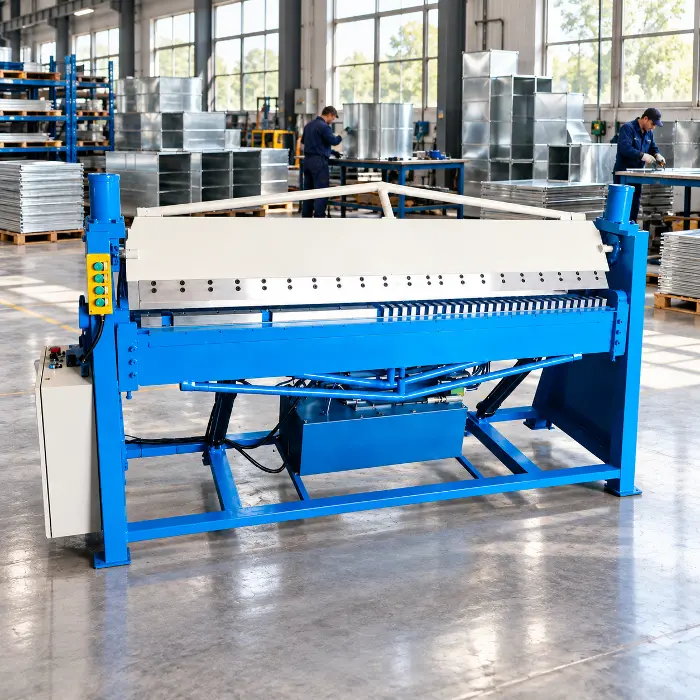
Choosing HVAC Duct Folding Machines for Flange-Safe Bending
2026/10/13 -
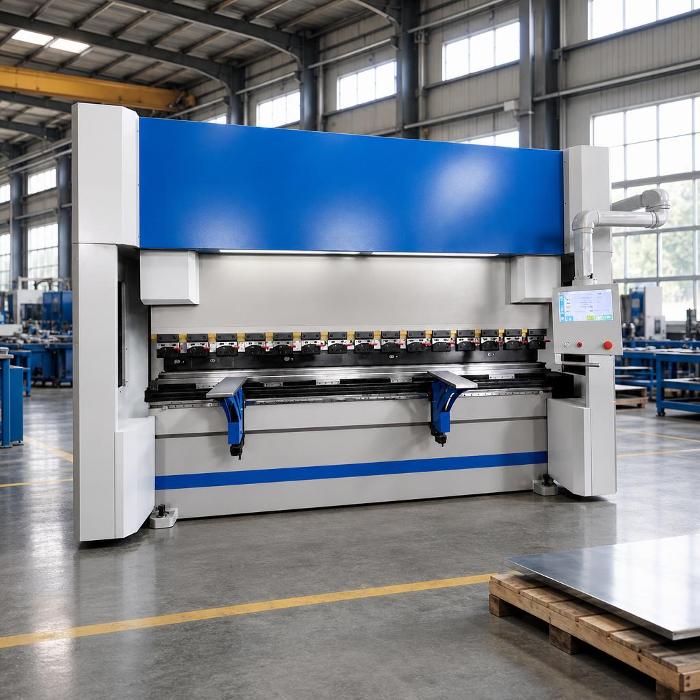
Precision Metal Forming Machines: What Separates Accurate Bends From Scrapped Sheet
2026/10/12 -
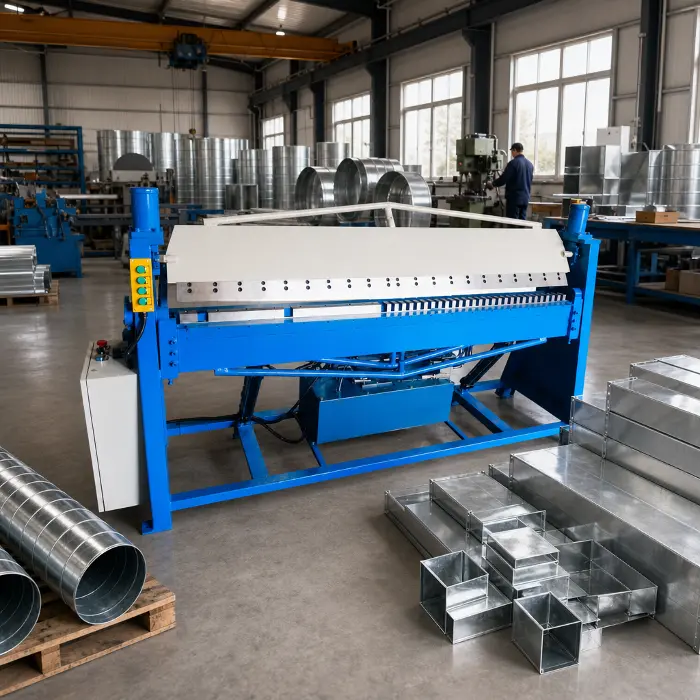
What to Look for in an HVAC Folding Machine Manufacturer
2026/10/11 -
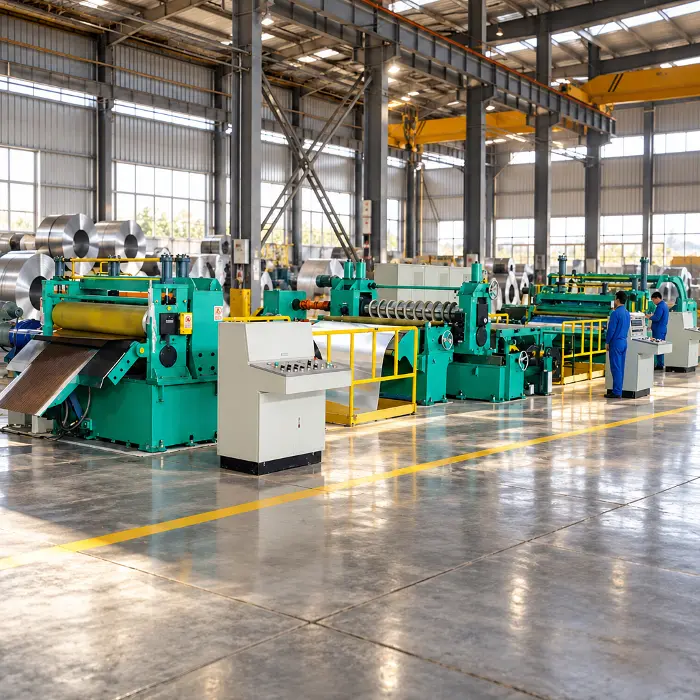
Steel Strip Cutting Machine: Engineering Precision in Modern Metal Processing
2026/10/10
-
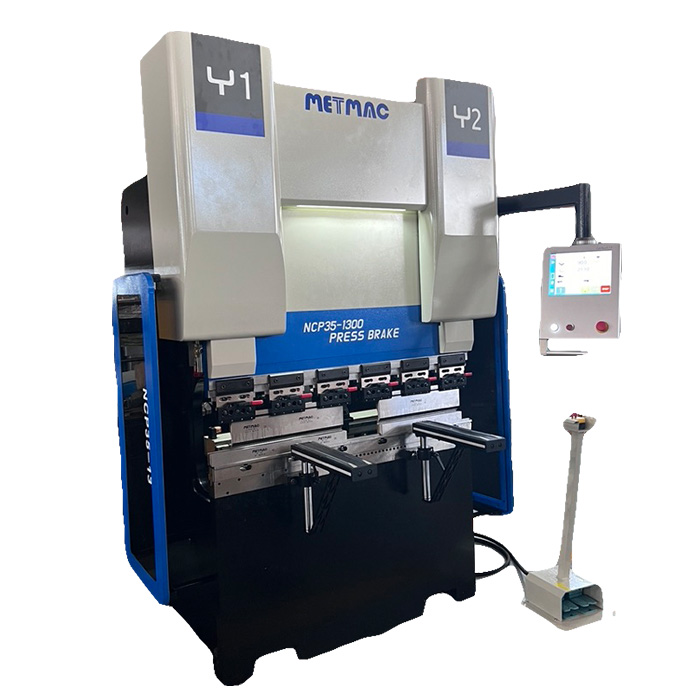
Sheet Metal Press Brake: Ultimate Guide to Precision Bending Technology in 2024
2026/03/13 -
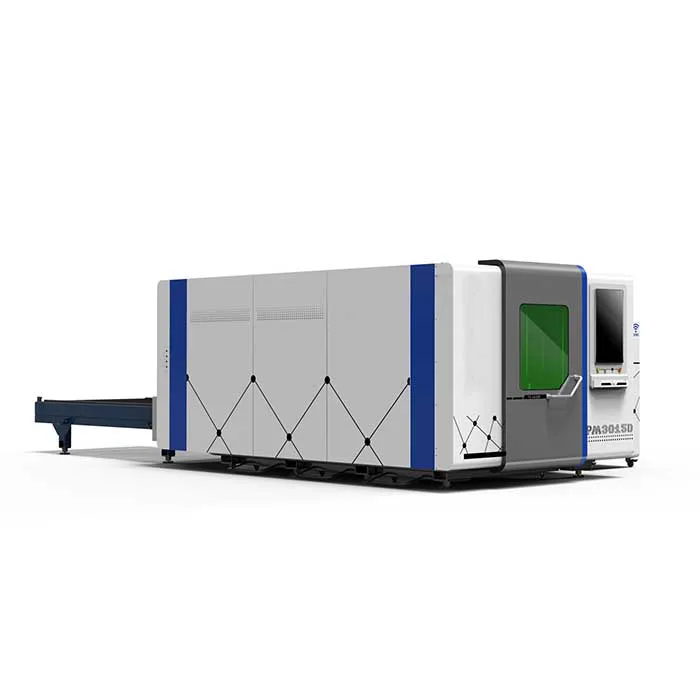
Metal Punching Machine: Ultimate Guide to Precision Manufacturing in 2024
2026/03/11 -
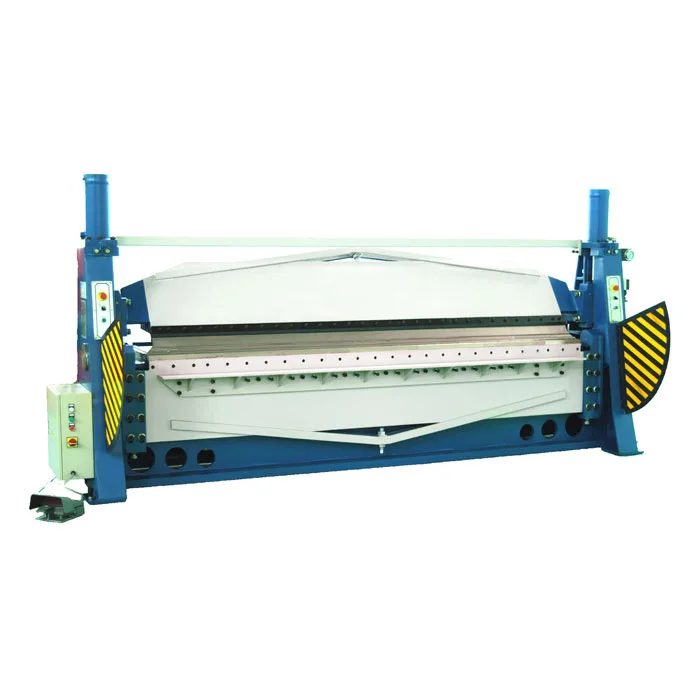
Metal Folding Machine: Comprehensive Guide to Precision Bending in 2024
2026/03/09 -
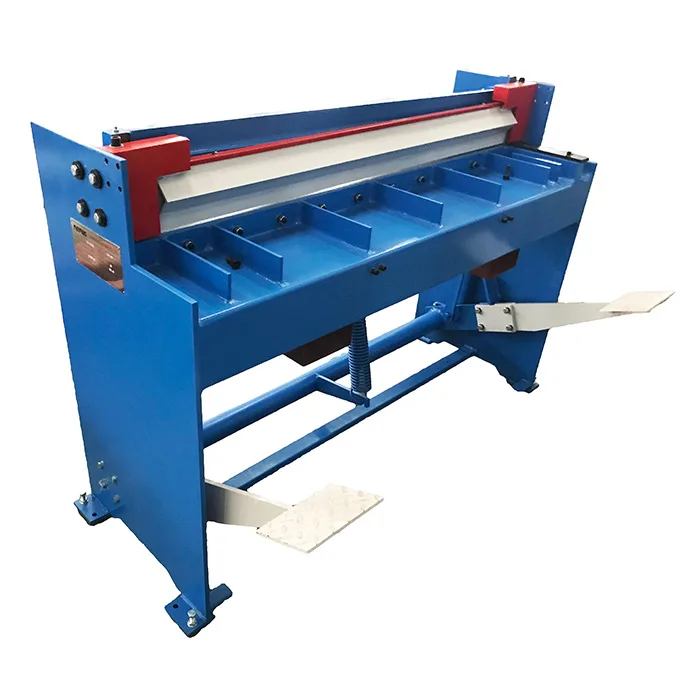
Sheet Metal Equipment: Ultimate Guide to Industrial Fabrication Solutions in 2026
2026/03/06
-
Latest Technological Advancements in Rectangular Duct Machines
2024/05/11 -
Integrating Automation with Rectangular Duct Machines for Enhanced Productivity
2024/05/11 -
Metal Shear Machines- Essential Tools for Precision Metal Cutting
2024/05/11 -
Understanding the Role and Function of Steel Strip Slitting Machines
2024/05/11
-
A Guide to the Latest Innovations in Sheet Metal Folding Machines
2024/11/29 -
Key Features to Consider When Investing in a Sheet Metal Folding Machine
2024/11/28 -
Enhancing Precision with Advanced Sheet Metal Folding Machines
2024/11/27 -
How to Choose the Right Sheet Metal Folding Machine for Your Workshop
2024/11/26
