

Plate Rolling Machine Innovations- What’s New on the Market?
In the ever-evolving landscape of manufacturing, metalworking machines continue to push the boundaries of innovation. Among these, plate rolling machines have witnessed remarkable advancements, revolutionizing the industry with cutting-edge features and capabilities.
Digital Control and Automation:
Modern plate rolling machines harness digital control systems for precise and efficient operation. Touchscreen interfaces allow for intuitive parameter adjustments and real-time monitoring, reducing setup time and minimizing operator error. Automated sequences streamline the rolling process, eliminating the need for manual intervention and enhancing productivity.
Enhanced Accuracy and Precision:
Advanced sensors and closed-loop control systems ensure exceptional accuracy in plate forming. Precision gears, hydraulic drives, and laser-guided alignment technologies work in unison to produce components with unmatched tolerances and a flawless finish. This precision enables manufacturers to meet stringent quality standards and cater to demanding industries.
Versatile Roll Configurations:
Responding to the diverse needs of fabricators, manufacturers have introduced plate rolling machines with innovative roll configurations. Adjustable rolls support a wide range of plate thicknesses and widths, accommodating complex shapes and geometries. Optional roll grooves and attachments cater to specialized applications, such as pipe bending and cone rolling.
Productivity Enhancements:
To maximize output, plate rolling machines integrate features that accelerate production. Dual pinch rolls ensure consistent material feeding and control, while hydraulic pre-bending systems reduce the risk of plate buckling. Automated loading and unloading mechanisms minimize downtime and improve material handling efficiency.
Energy Efficiency and Sustainability:
In response to environmental concerns, manufacturers have prioritized energy efficiency in plate rolling machines. Variable-speed drives optimize power consumption based on load conditions, reducing energy usage and operating costs. Advanced control algorithms also reduce idle time and standby power, contributing to a sustainable manufacturing environment.
Conclusion:
The ongoing evolution of plate rolling machines continues to drive innovation in the metalworking industry. Advanced digital control, enhanced accuracy, versatile configurations, productivity enhancements, and sustainability initiatives empower manufacturers with unparalleled precision, efficiency, and flexibility. As the market for plate forming solutions continues to expand, these innovations will enable fabricators to meet the ever-changing demands of a competitive global landscape.
-
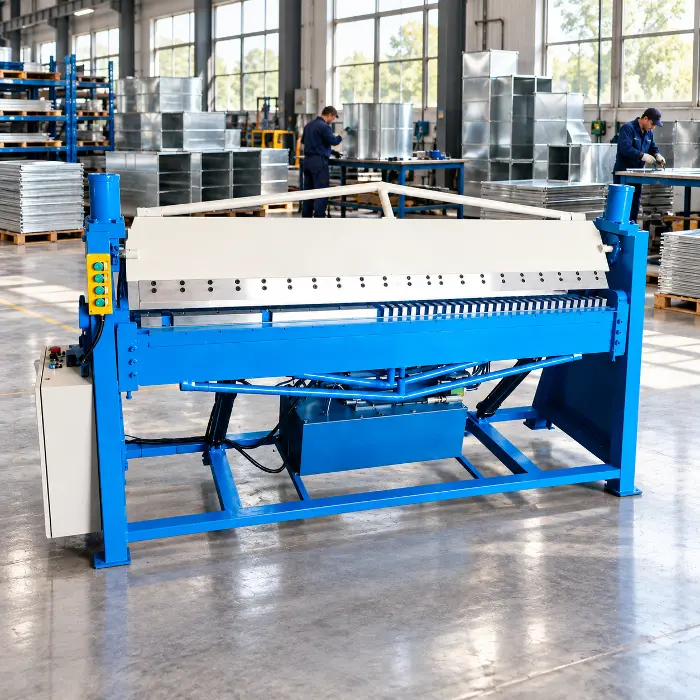
Choosing HVAC Duct Folding Machines for Flange-Safe Bending
2026/10/13 -
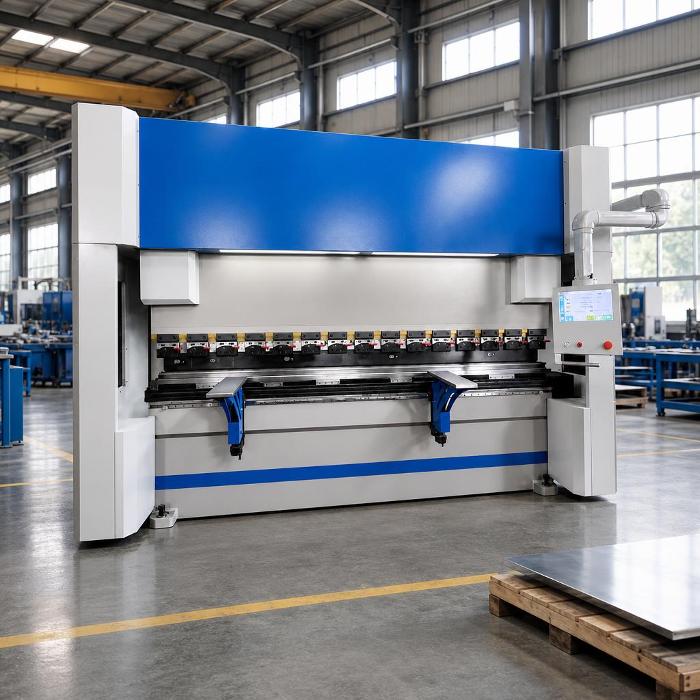
Precision Metal Forming Machines: What Separates Accurate Bends From Scrapped Sheet
2026/10/12 -
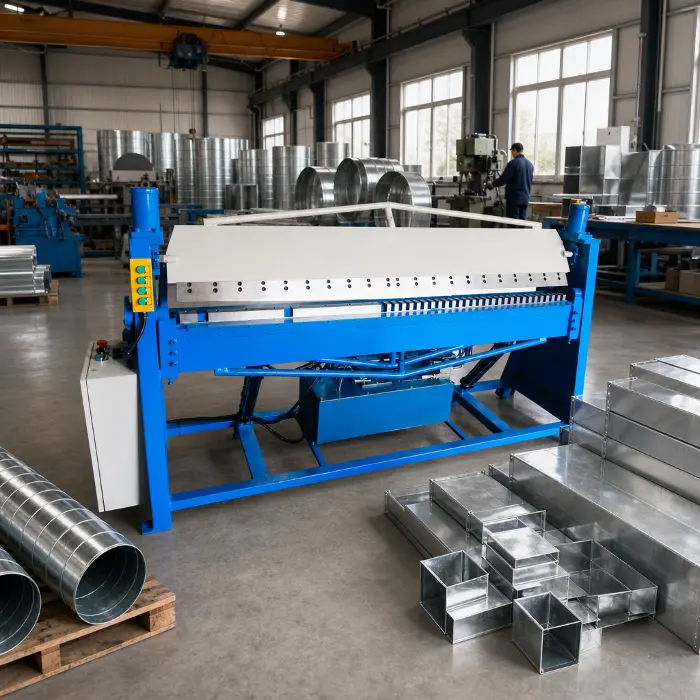
What to Look for in an HVAC Folding Machine Manufacturer
2026/10/11 -
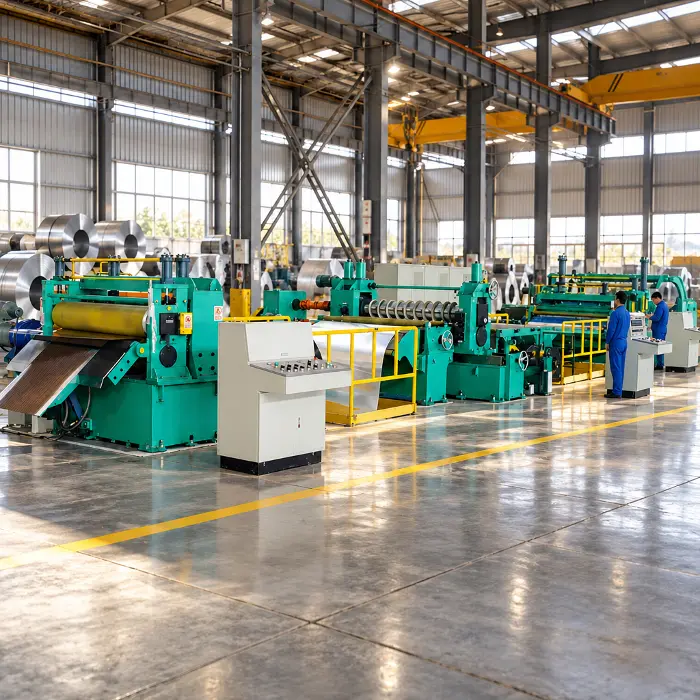
Steel Strip Cutting Machine: Engineering Precision in Modern Metal Processing
2026/10/10
-
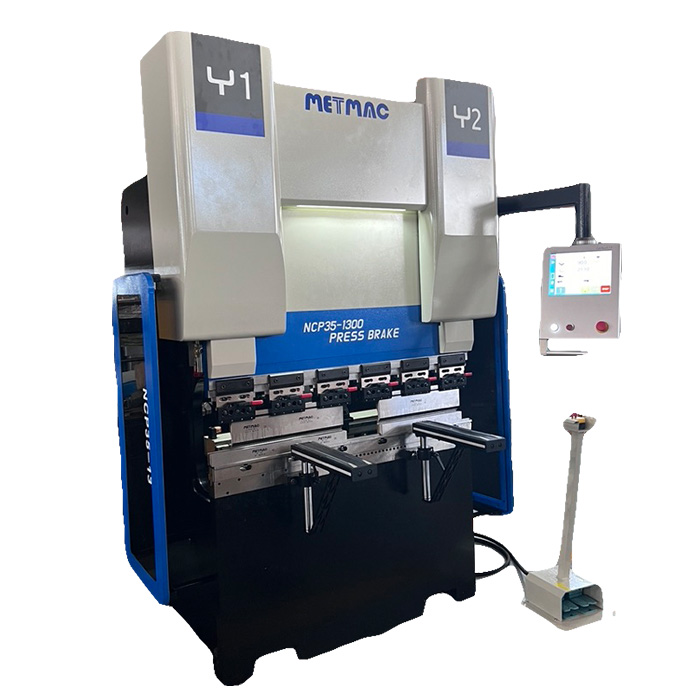
Sheet Metal Press Brake: Ultimate Guide to Precision Bending Technology in 2024
2026/03/13 -
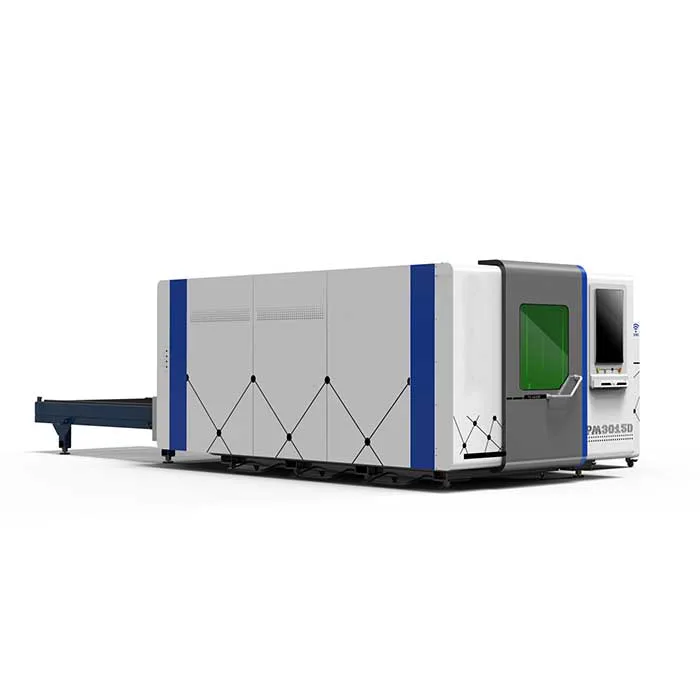
Metal Punching Machine: Ultimate Guide to Precision Manufacturing in 2024
2026/03/11 -
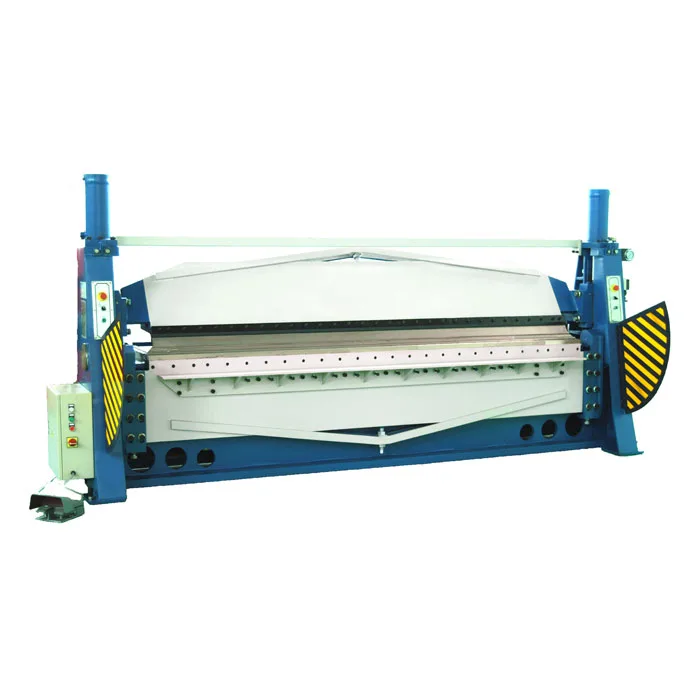
Metal Folding Machine: Comprehensive Guide to Precision Bending in 2024
2026/03/09 -
Sheet Metal Equipment: Ultimate Guide to Industrial Fabrication Solutions in 2026
2026/03/06
-
A Guide to the Latest Innovations in Sheet Metal Folding Machines
2024/11/29 -
Key Features to Consider When Investing in a Sheet Metal Folding Machine
2024/11/28 -
Enhancing Precision with Advanced Sheet Metal Folding Machines
2024/11/27 -
How to Choose the Right Sheet Metal Folding Machine for Your Workshop
2024/11/26
