


Overcoming Common Challenges in Metal Bending with Press Brakes
In the intricate world of metal fabrication, press brakes reign supreme as masters of precision bending. Yet, even with their remarkable capabilities, these mechanical marvels are not immune to the occasional obstacle. To achieve flawless results and enhance productivity, metal benders must navigate a landscape of common challenges with finesse.
Dimensional Precision: A Constant Conundrum
Dimensional precision is the cornerstone of successful metal bending. Deviation from the desired shape can lead to costly rework or even rejection. Press brakes introduce several variables that can affect accuracy, such as material inconsistencies, tool wear, and machine backlash. Overcoming these challenges requires meticulous attention to detail, including frequent tool calibration, regular material testing, and proper machine maintenance.
Material Springback: A Triumph of Defiance
Material springback is the bane of many a press brake operator. After bending, the material’s inherent elasticity causes it to “spring” back slightly, altering the intended shape. Controlling springback is essential for repeatability and quality. Factors such as material type, thickness, and bending angle all influence the springback effect. Skilled operators utilize techniques like overbending or using springback compensators to counteract this phenomenon.
Surface Marring: The Scourge of Aesthetics
For applications requiring pristine surfaces, press brake tooling can leave unwanted marks or scratches. Avoiding these blemishes requires careful material handling, proper tool selection, and meticulous machine setup. Using anti-marring tapes, minimizing clamping pressure, and employing dedicated tooling for different materials can significantly reduce the risk of surface damage.
Tooling Compatibility: A Delicate Balance
Press brakes rely on an array of tooling to accommodate various bending profiles. However, achieving compatibility is not always straightforward. Mismatched or damaged tooling can compromise safety, reduce bending accuracy, and lead to premature tool failure. Understanding the proper use, maintenance, and storage of press brake tooling is crucial for smooth operations.
Conclusion: Unlocking Bending Mastery
Mastering metal bending with press brakes requires a combination of technical know-how, precision, and problem-solving abilities. By addressing common challenges such as dimensional precision, material springback, surface marring, and tooling compatibility, metal benders can unlock the full potential of these formidable machines. Embracing these challenges as opportunities for growth and innovation will elevate their skills, enhance productivity, and ensure the highest standards of craftsmanship.
-
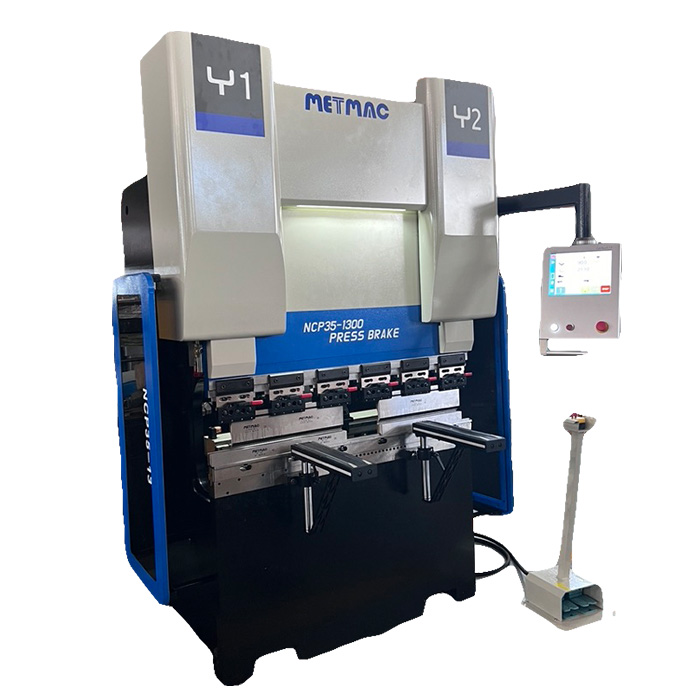
Press Metal Machine: The Definitive Guide to Precision Metal Forming
2026/03/12 -
Metal Punching Machine: The Ultimate Guide to Precision Hole Punching
2026/03/10 -
Sheet Metal Machinery: The Ultimate Guide to Industrial Fabrication Excellence
2026/03/04 -

Iron Sheet Laser Cutting Machine: Unmatched Precision for Demanding Fabrication with METMAC
2026/01/06
-
Sheet Metal Press Brake: Ultimate Guide to Precision Bending Technology in 2024
2026/03/13 -
Metal Punching Machine: Ultimate Guide to Precision Manufacturing in 2024
2026/03/11 -
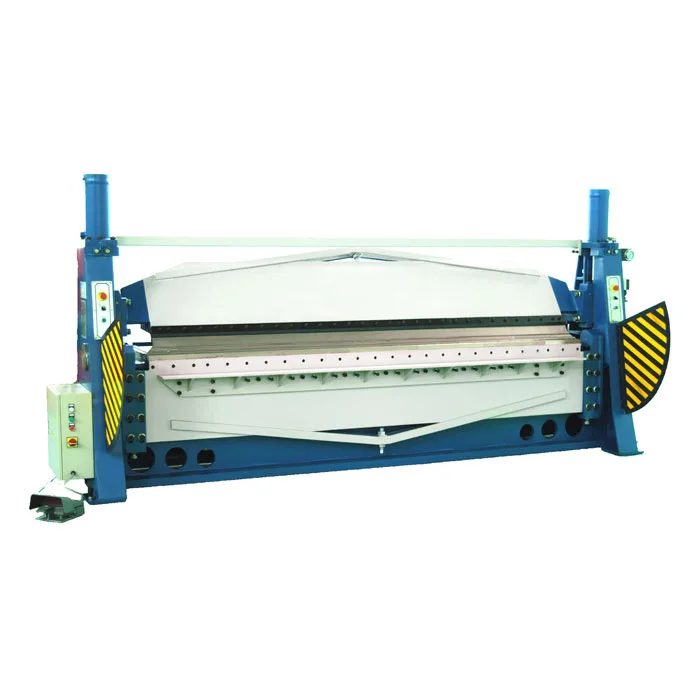
Metal Folding Machine: Comprehensive Guide to Precision Bending in 2024
2026/03/09 -
Sheet Metal Equipment: Ultimate Guide to Industrial Fabrication Solutions in 2026
2026/03/06
-
A Guide to the Latest Innovations in Sheet Metal Folding Machines
2024/11/29 -
Key Features to Consider When Investing in a Sheet Metal Folding Machine
2024/11/28 -
Enhancing Precision with Advanced Sheet Metal Folding Machines
2024/11/27 -
How to Choose the Right Sheet Metal Folding Machine for Your Workshop
2024/11/26
