

Metal Plate Rolling Machines- A Complete Guide
In the field of heavy industry, the sheet metal rolling machine is a fortress of steel, molding invisible sheet metal into various shapes and sizes. The roar of these machines is a testament to human creativity, creating masterpieces ranging from car bodies to airplane wings.
Principle of rolling machine
Sheet metal rolling machine uses huge pressure and rotation force to press sheet metal into the mold or roll. The pressure is up to thousands of tons, shaping the metal into the desired shape. The rolling process can be cold or hot rolling. Cold rolling is carried out at room temperature to produce more precise products with higher surface finish. Hot rolling is performed at high temperatures to produce a more malleable and stronger product.
Type of rolling machine
There are a wide variety of rolling machines, each designed for a specific application. The most common types include:
Four-high mill: used for rolling thick plates, having four rollers to support sheet metal.
Three-high mill: used for rolling medium and thick plates, with three rollers, one for support and two for rolling.
Double roll mill: Used for rolling sheet, having two rollers, one for support and one for rolling.
Application of rolling machine
Sheet metal rolling machines have a wide range of applications in various industries, including:
Automotive: body panels, frames and engine parts
Construction: beams, steel bars and exterior panels
Aerospace: aircraft wing, fuselage, and landing gear components
Shipbuilding: hull plates and deck plates
Energy: wind turbine blades and solar panel components
Factors for selecting rolling machine
The following factors need to be considered when selecting the rolling machine:
Sheet thickness and width: The size and capacity of the rolling machine must match the size of the sheet to be rolled.
Rolling accuracy: For products requiring high precision rolling, a rolling machine equipped with a precision control system should be selected.
Yield: The productivity of the rolling machine must meet the throughput requirements of the given application.
Automation: Automation features can increase productivity and reduce human intervention.
Sheet metal rolling machines are an important cornerstone of heavy industry, laying the foundation for many products in the world around us. From cars to skyscrapers, these machines play a vital role in shaping our modern world. By fully understanding the principles, types and applications of rolling machines, engineers and industry experts can make informed choices that optimize rolling performance and meet a wide range of industrial needs.
-
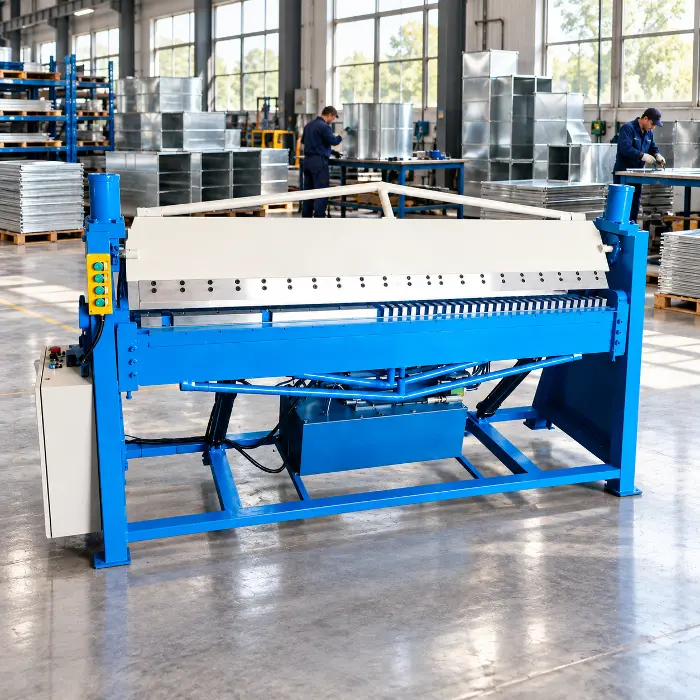
Choosing HVAC Duct Folding Machines for Flange-Safe Bending
2026/10/13 -
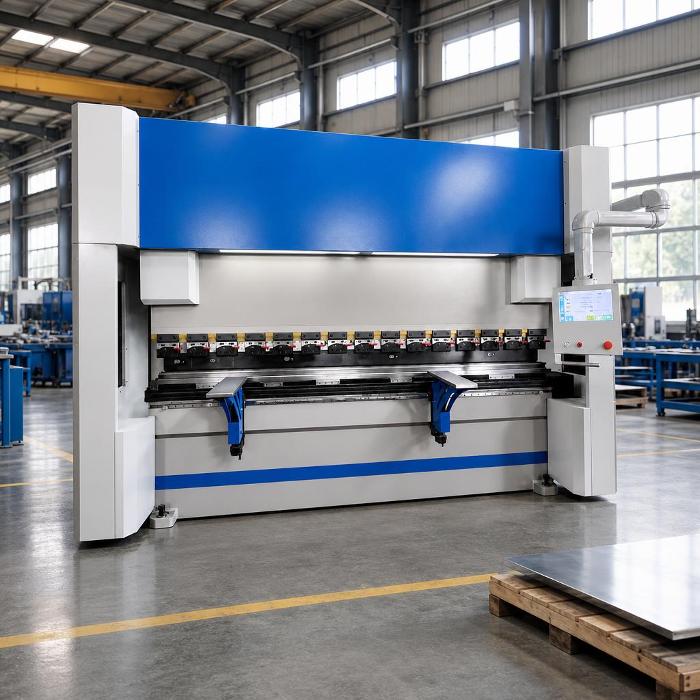
Precision Metal Forming Machines: What Separates Accurate Bends From Scrapped Sheet
2026/10/12 -
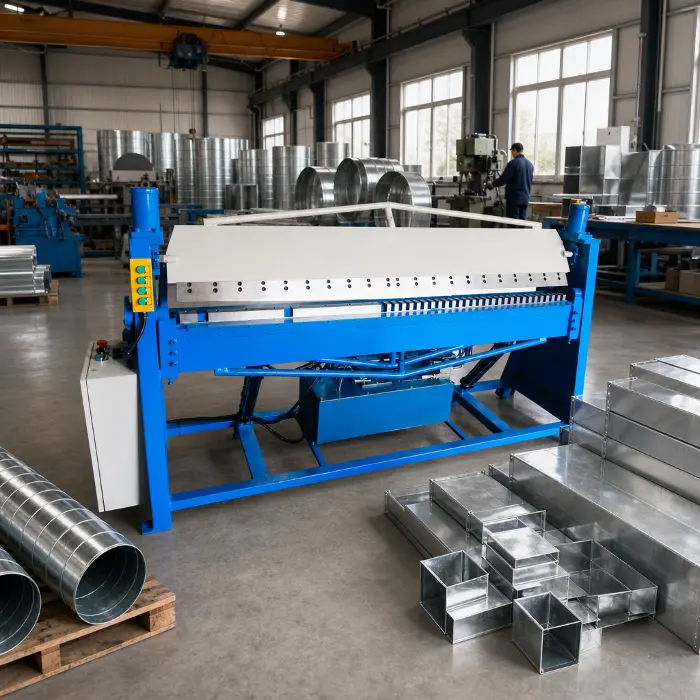
What to Look for in an HVAC Folding Machine Manufacturer
2026/10/11 -
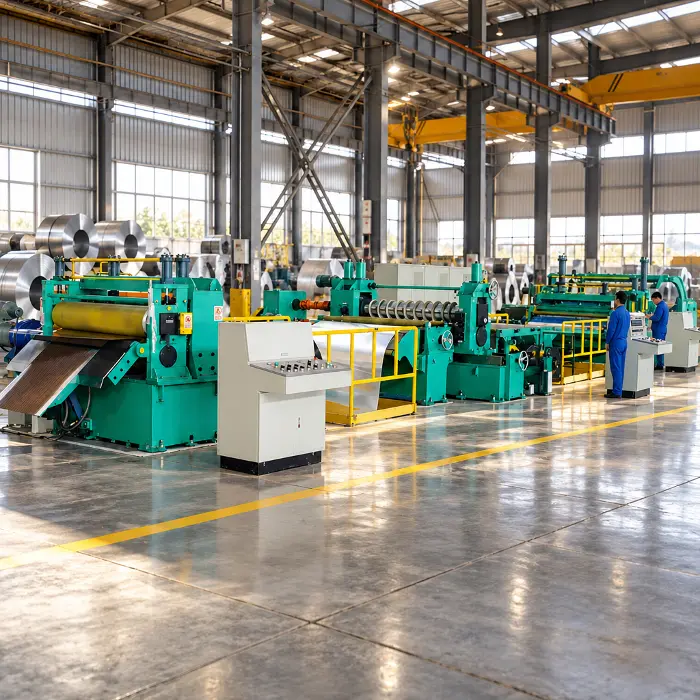
Steel Strip Cutting Machine: Engineering Precision in Modern Metal Processing
2026/10/10
-
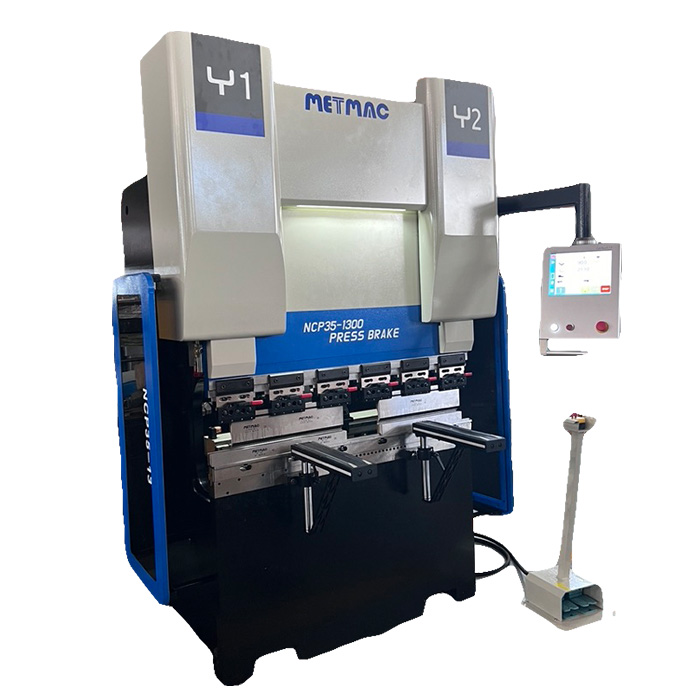
Sheet Metal Press Brake: Ultimate Guide to Precision Bending Technology in 2024
2026/03/13 -
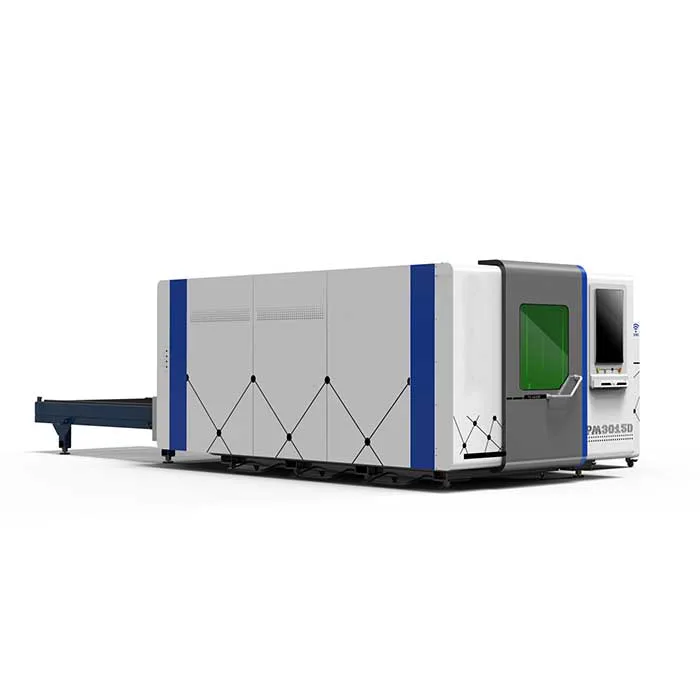
Metal Punching Machine: Ultimate Guide to Precision Manufacturing in 2024
2026/03/11 -
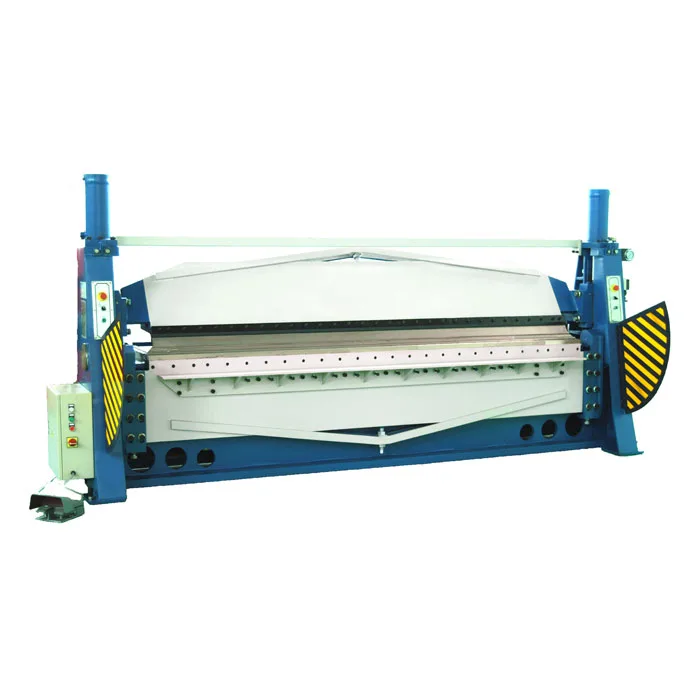
Metal Folding Machine: Comprehensive Guide to Precision Bending in 2024
2026/03/09 -
Sheet Metal Equipment: Ultimate Guide to Industrial Fabrication Solutions in 2026
2026/03/06
-
Understanding the Role and Function of Steel Strip Slitting Machines
2024/05/11 -
Maintenance Tips for Longevity of HVAC Duct Machines
2024/05/11 -
Innovations in Steel Strip Slitting Machine Design and Technology
2024/05/11 -
Improving Accuracy in Metal Fabrication with Laser Metal Shear Machines
2024/05/11
-
A Guide to the Latest Innovations in Sheet Metal Folding Machines
2024/11/29 -
Key Features to Consider When Investing in a Sheet Metal Folding Machine
2024/11/28 -
Enhancing Precision with Advanced Sheet Metal Folding Machines
2024/11/27 -
How to Choose the Right Sheet Metal Folding Machine for Your Workshop
2024/11/26
