


Maximizing Precision in Sheet Metal Cutting
Maximizing Precision in Sheet Metal Cutting: Unlocking the Secrets of Surgical Sharpness
In the realm of manufacturing, where precision is paramount, sheet metal cutting stands as a crucial process. Precision in sheet metal cutting not only ensures the accuracy of components but also optimizes material utilization and minimizes waste. Embarking on this journey of surgical sharpness, we will delve into the parameters that govern this meticulous art.
Material Selection: The Foundation of Accuracy
The properties of the sheet metal play a pivotal role in cutting precision. Factors such as thickness, hardness, and grain orientation influence the blade’s behavior during cutting. Thicker materials require higher cutting forces, while harder materials pose increased resistance. Understanding these variables ensures optimal blade selection and cutting parameters.
Blade Geometry: A Symphony of Angles
The blade geometry, including its sharpness, shape, and rake angle, significantly affects cutting accuracy. Sharp blades minimize tearing and burring, while optimal rake angles ensure smooth chip formation and reduce cutting forces. The choice of blade depends on the material and cutting application.
Process Parameters: The Orchestrator of Precision
Process parameters such as feed rate, spindle speed, and coolant supply determine the precision and efficiency of sheet metal cutting. High feed rates can compromise accuracy, while insufficient spindle speeds may result in tool wear. Proper coolant application reduces friction and heat, further enhancing precision.
Machine Calibration: The Unseen Factor
Machine calibration plays a crucial role in ensuring the accuracy of sheet metal cutting. Regular calibration of the machine’s axes, backlash compensation, and tool wear monitoring prevents deviations and ensures consistent precision.
Advanced Techniques: Exploring the Frontiers of Accuracy
Innovative techniques such as laser cutting, waterjet cutting, and plasma cutting offer unparalleled precision by eliminating mechanical blade-to-material contact. These methods utilize high-energy beams or jets to cut complex shapes and achieve extremely close tolerances.
Conclusion: The Art of Surgical Sharpness
Maximizing precision in sheet metal cutting is a multifaceted endeavor that demands meticulous attention to material selection, blade geometry, process parameters, machine calibration, and advanced techniques. By mastering these variables, manufacturers can unlock the secrets of surgical sharpness, ensuring the precision, accuracy, and efficiency that drive innovation and excellence in their industries.
-
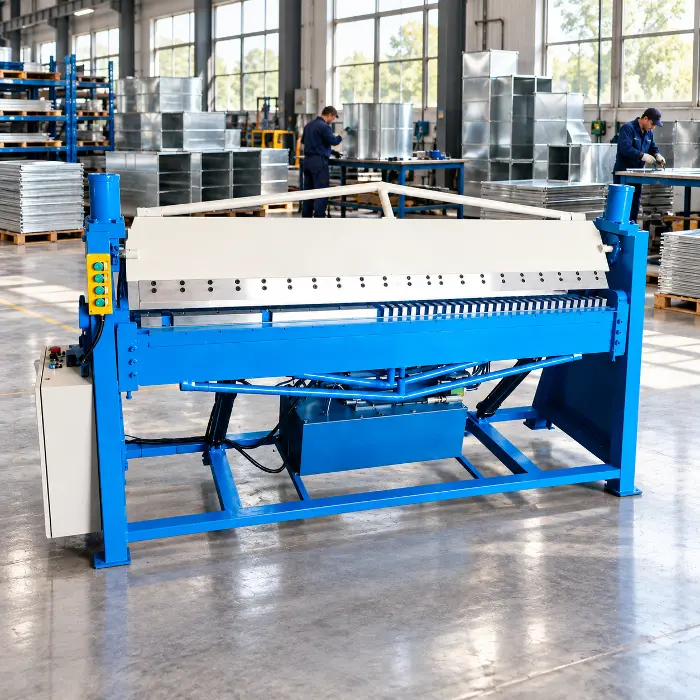
Choosing HVAC Duct Folding Machines for Flange-Safe Bending
2026/10/13 -
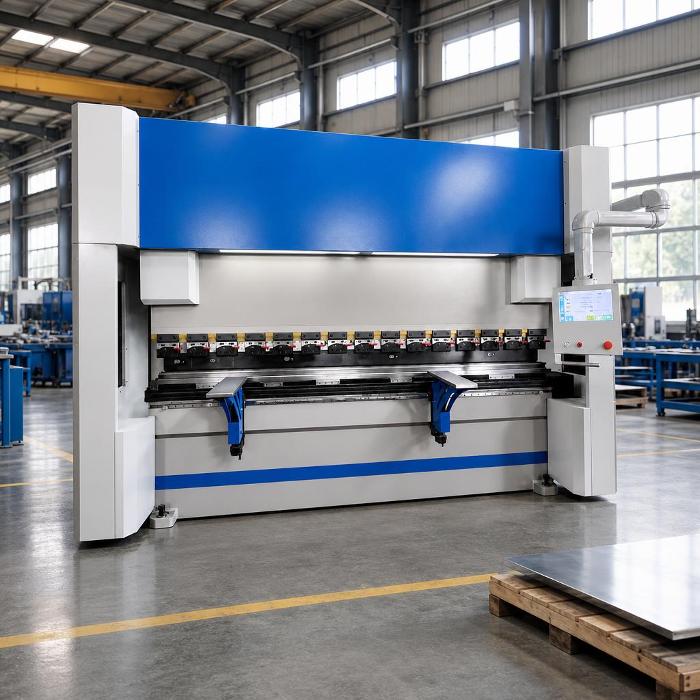
Precision Metal Forming Machines: What Separates Accurate Bends From Scrapped Sheet
2026/10/12 -
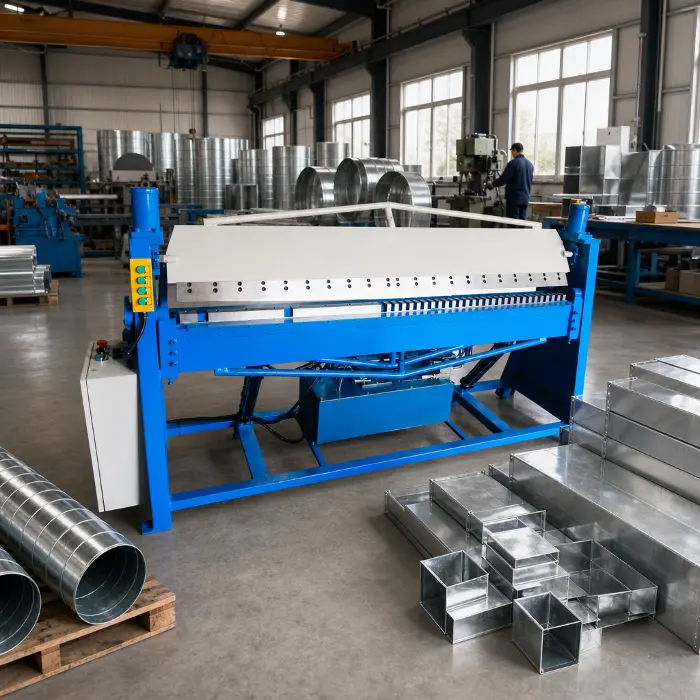
What to Look for in an HVAC Folding Machine Manufacturer
2026/10/11 -
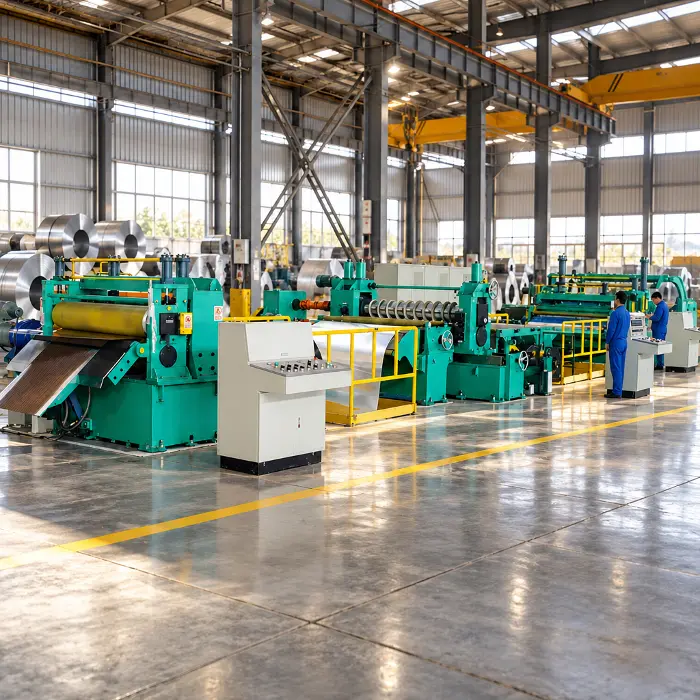
Steel Strip Cutting Machine: Engineering Precision in Modern Metal Processing
2026/10/10
-
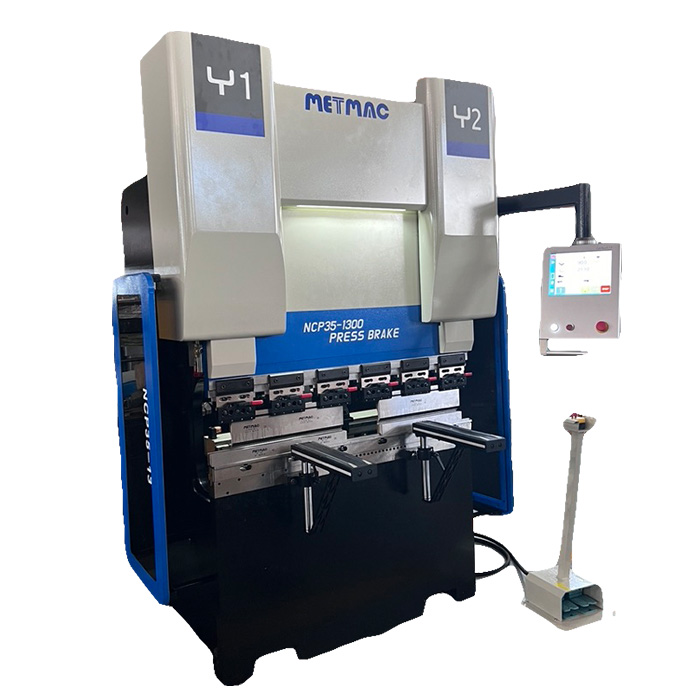
Sheet Metal Press Brake: Ultimate Guide to Precision Bending Technology in 2024
2026/03/13 -
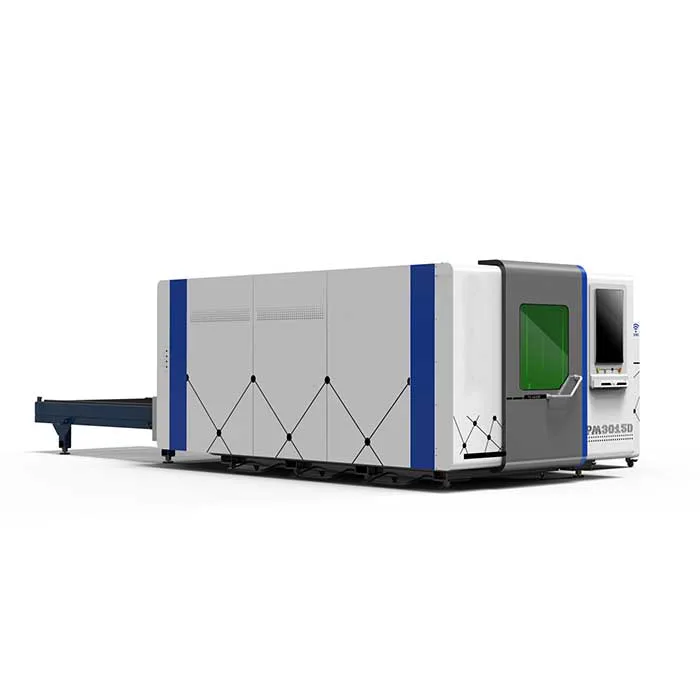
Metal Punching Machine: Ultimate Guide to Precision Manufacturing in 2024
2026/03/11 -
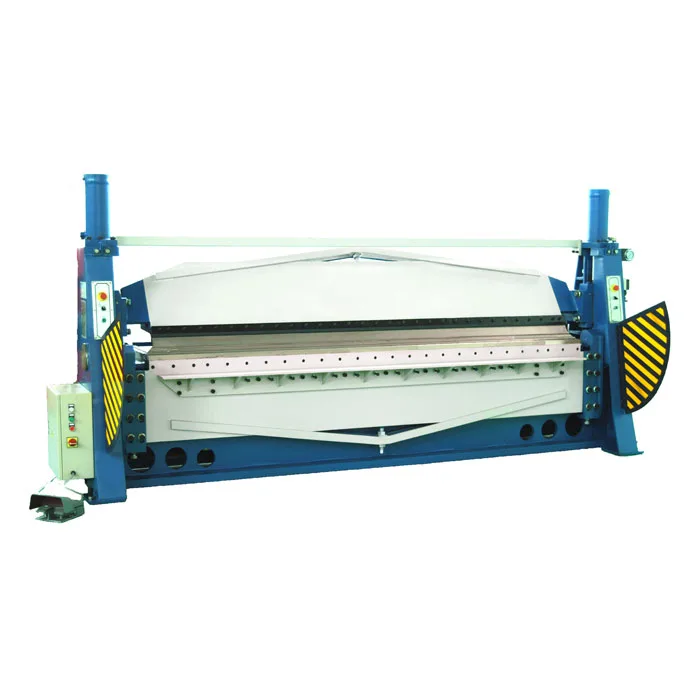
Metal Folding Machine: Comprehensive Guide to Precision Bending in 2024
2026/03/09 -
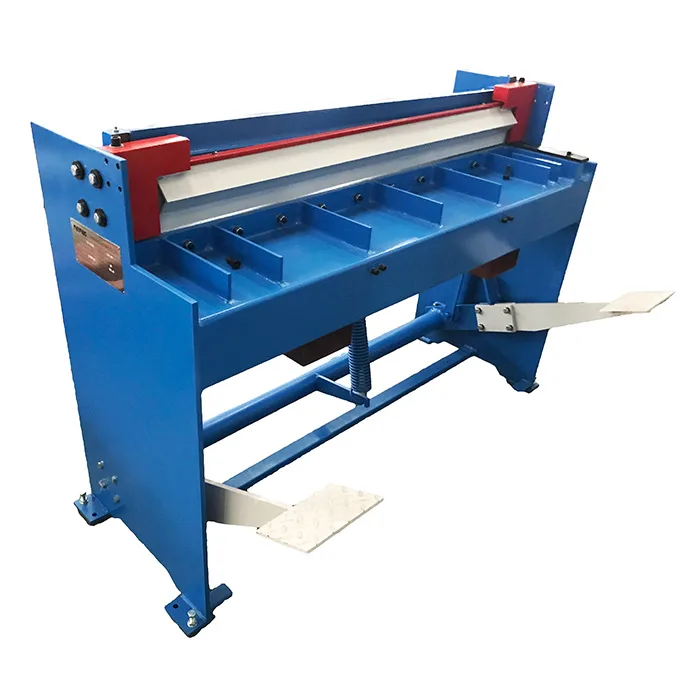
Sheet Metal Equipment: Ultimate Guide to Industrial Fabrication Solutions in 2026
2026/03/06
-
A Guide to the Latest Innovations in Sheet Metal Folding Machines
2024/11/29 -
Key Features to Consider When Investing in a Sheet Metal Folding Machine
2024/11/28 -
Enhancing Precision with Advanced Sheet Metal Folding Machines
2024/11/27 -
How to Choose the Right Sheet Metal Folding Machine for Your Workshop
2024/11/26
