


Maximizing Output with Metal Plate Rolling Machines
Metal plate rolling machines are indispensable tools in various industries, enabling the fabrication of curved and cylindrical metal components with precision and efficiency. By optimizing their operation, manufacturers can significantly enhance productivity and minimize production costs. Here are some key strategies for maximizing output with metal plate rolling machines:
Machine Selection and Setup
Choosing the appropriate machine for the job is crucial. Factors to consider include the thickness and width of the metal plates to be rolled, the desired radius of curvature, and the required production volume. Proper machine setup, including accurate alignment of the rolls and adjustment of pressure settings, ensures optimal performance.
Material Preparation
Preparing the metal plates before rolling is essential to prevent surface defects and ensure smooth operation. Degreasing, cleaning, and removing any oxides or impurities from the surface are necessary. Additionally, preheating the plates to a suitable temperature can improve formability and reduce the risk of cracking.
Roll Profile Selection
The profile of the rolls determines the shape of the rolled metal. Different roll profiles are available, including conical, cylindrical, and curved. Selecting the appropriate roll profile is essential to achieve the desired curvature and minimize material waste.
Lubrication and Cooling
Lubrication plays a vital role in reducing friction and preventing wear on the rolls. Applying a suitable lubricant to the metal plates and rolls ensures smooth rolling and prolongs machine life. Additionally, cooling the rolls during operation can help dissipate heat and prevent thermal damage to the metal.
Maintenance and Calibration
Regular maintenance is crucial for maintaining optimal machine performance. This includes inspecting the rolls for wear and damage, lubricating moving parts, and adjusting settings as necessary. Additionally, periodic calibration of the machine ensures accuracy and consistency in the rolling process.
Operator Training and Skills
Skilled operators are essential to operate metal plate rolling machines safely and efficiently. Training should cover topics such as machine operation, roll selection, material preparation, and safety procedures. Experienced operators can identify potential issues early on and make adjustments to optimize output.
Continuous Improvement and Optimization
Monitoring production data and analyzing performance metrics can help identify areas for improvement. Implementing strategies such as lean manufacturing principles, reducing setup times, and optimizing material flow can significantly enhance overall productivity.
Conclusion
By implementing these strategies, manufacturers can effectively maximize output with metal plate rolling machines. Proper machine selection, material preparation, roll profile selection, lubrication, maintenance, operator training, and continuous improvement efforts are key factors that contribute to increased productivity and reduced production costs. By optimizing the rolling process, manufacturers can meet the demands of their customers and achieve operational excellence.
-
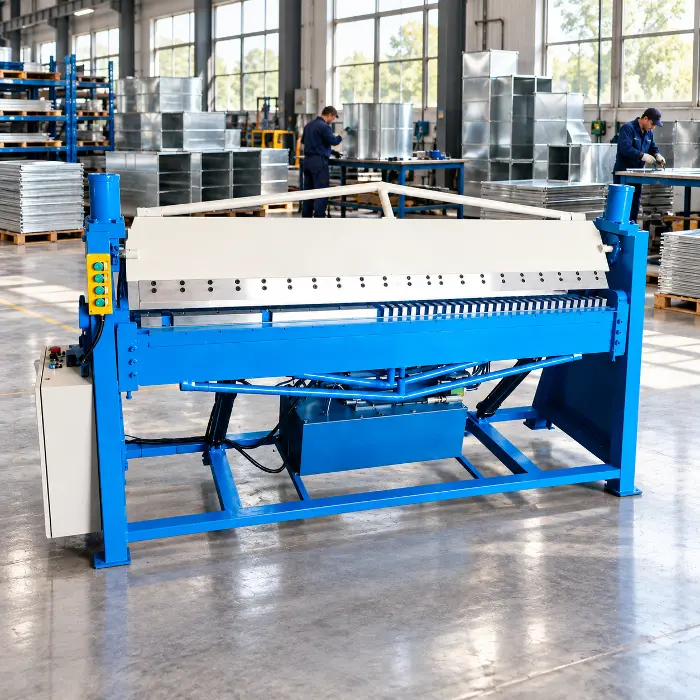
Choosing HVAC Duct Folding Machines for Flange-Safe Bending
2026/10/13 -
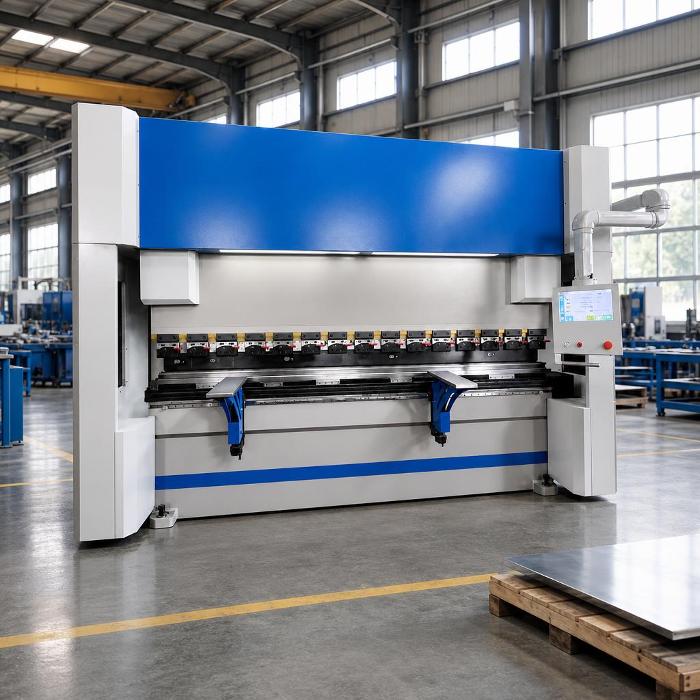
Precision Metal Forming Machines: What Separates Accurate Bends From Scrapped Sheet
2026/10/12 -
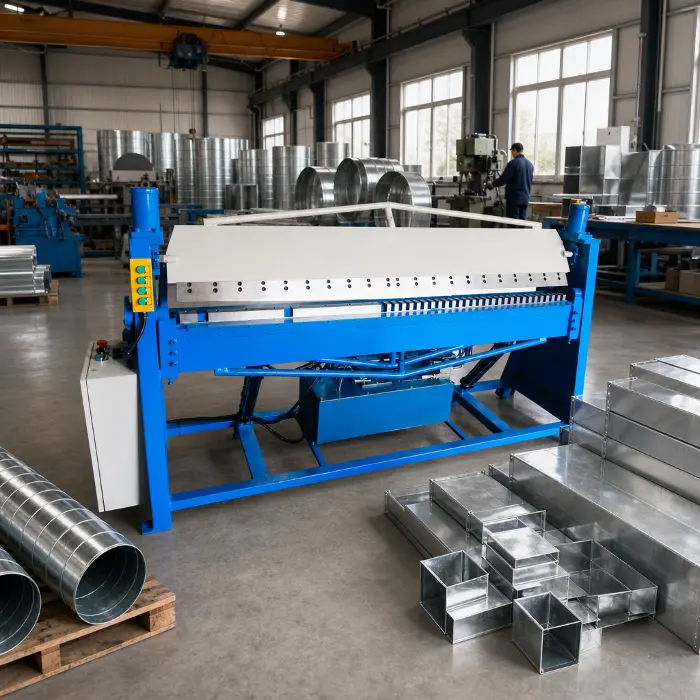
What to Look for in an HVAC Folding Machine Manufacturer
2026/10/11 -
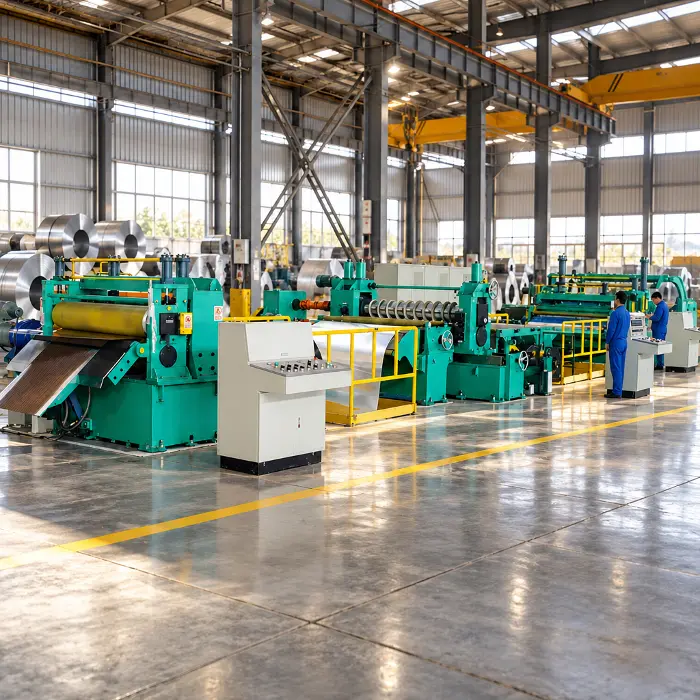
Steel Strip Cutting Machine: Engineering Precision in Modern Metal Processing
2026/10/10
-
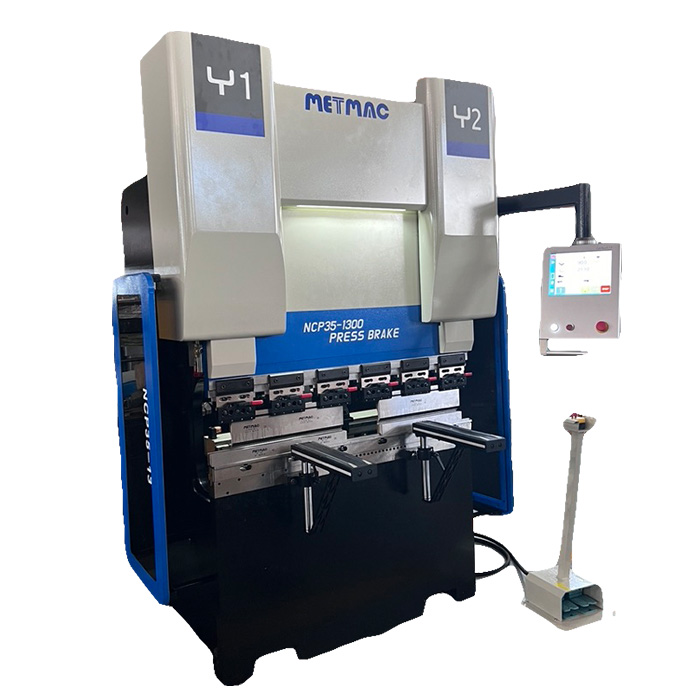
Sheet Metal Press Brake: Ultimate Guide to Precision Bending Technology in 2024
2026/03/13 -
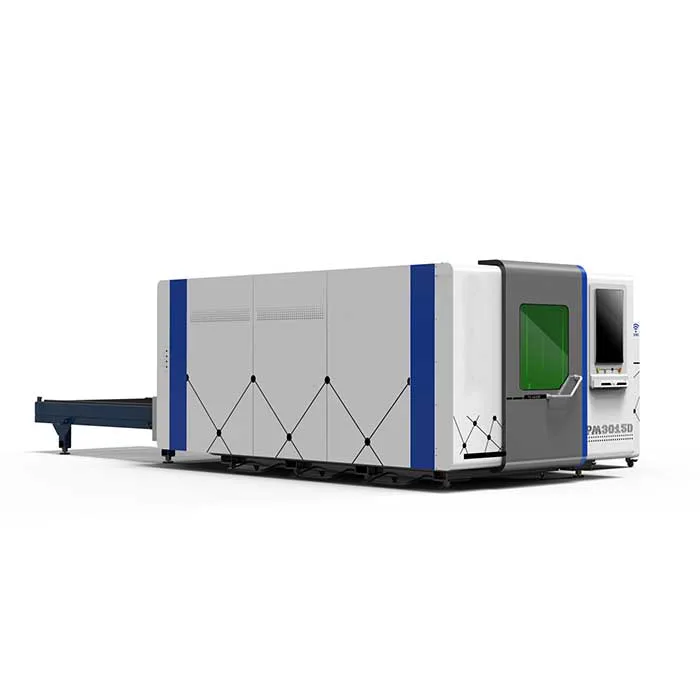
Metal Punching Machine: Ultimate Guide to Precision Manufacturing in 2024
2026/03/11 -
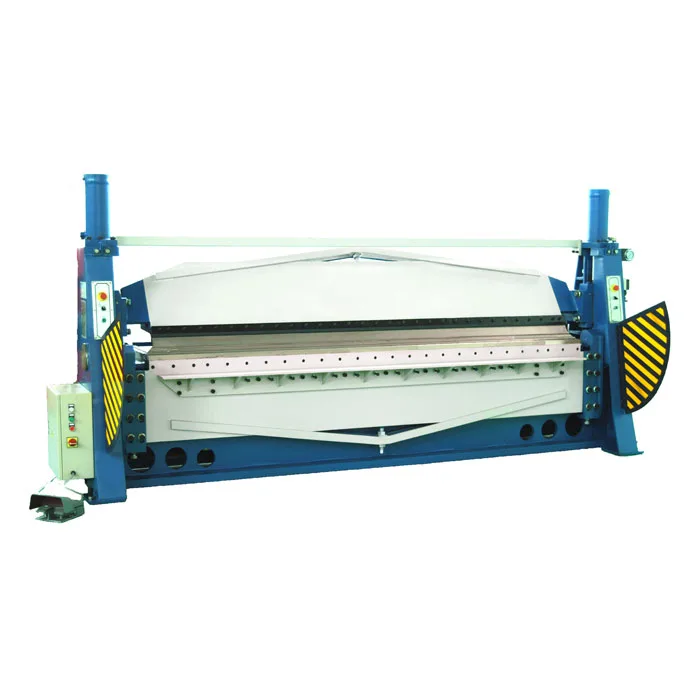
Metal Folding Machine: Comprehensive Guide to Precision Bending in 2024
2026/03/09 -
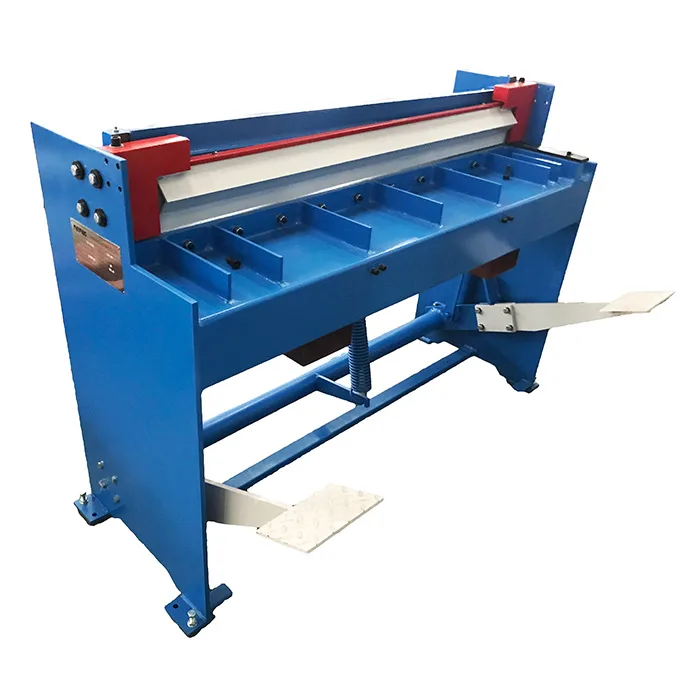
Sheet Metal Equipment: Ultimate Guide to Industrial Fabrication Solutions in 2026
2026/03/06
-
Latest Technological Advancements in Rectangular Duct Machines
2024/05/11 -
Integrating Automation with Rectangular Duct Machines for Enhanced Productivity
2024/05/11 -
Metal Shear Machines- Essential Tools for Precision Metal Cutting
2024/05/11 -
Understanding the Role and Function of Steel Strip Slitting Machines
2024/05/11
-
A Guide to the Latest Innovations in Sheet Metal Folding Machines
2024/11/29 -
Key Features to Consider When Investing in a Sheet Metal Folding Machine
2024/11/28 -
Enhancing Precision with Advanced Sheet Metal Folding Machines
2024/11/27 -
How to Choose the Right Sheet Metal Folding Machine for Your Workshop
2024/11/26
