

Materials Used in Plate Bender Machines- Comparing Options for Durability
In the realm of metalworking, plate bending machines stand as indispensable tools, shaping steel plates into intricate forms that form the backbone of countless industries. The choice of materials used in these machines is paramount, as it directly impacts their durability and ability to withstand the rigors of heavy-duty operations.
Steel: The Stalwart Foundation
Steel, the time-honored workhorse of engineering marvels, forms the primary material for plate bending machines. Its inherent strength and resistance to deformation make it an ideal candidate for the rugged demands of bending metal. However, the type of steel employed can significantly vary its performance. High-grade steels, such as HSLA (high-strength low-alloy) or stainless steel, exhibit superior strength and corrosion resistance, ensuring longevity in even the most challenging environments.
Iron Castings: Longevity at a Cost
Iron castings, renowned for their exceptional strength and rigidity, offer a viable alternative to steel. These components are created by pouring molten iron into molds, resulting in dense and durable parts. However, iron castings come at a higher cost compared to steel and may be more susceptible to cracking under extreme forces.
Composite Materials: A Modern Twist
The advent of composite materials has introduced innovative possibilities to plate bending machines. Combining the strength of carbon fibers with the flexibility of resins, these materials offer a lightweight and durable option. Composites excel in corrosion resistance and can withstand extreme temperatures, making them suitable for demanding applications.
Other Considerations
Beyond the primary materials, various components of plate bending machines require careful selection. Bearings, for instance, play a crucial role in reducing friction and ensuring smooth operation. High-quality bearings, such as roller bearings or tapered bearings, can enhance the machine’s lifespan and efficiency.
Conclusion
The choice of materials used in plate bending machines is a critical factor influencing their durability and longevity. Steel remains the stalwart choice, offering strength and affordability. Iron castings provide exceptional rigidity but at a higher cost. Composite materials present a modern alternative with lightweight and corrosion resistance. By understanding the strengths and weaknesses of each option, manufacturers and users can make informed decisions to ensure their plate bending machines stand the test of time and meet the demands of their operations.
-
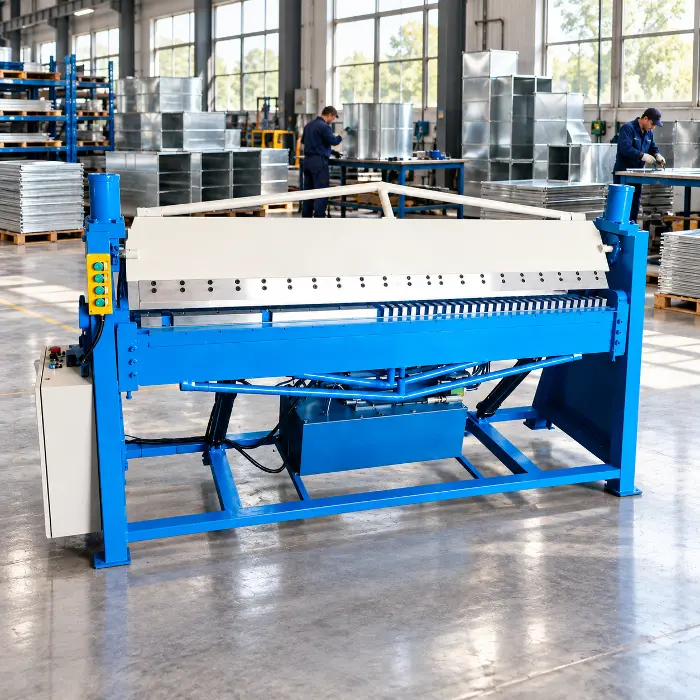
Choosing HVAC Duct Folding Machines for Flange-Safe Bending
2026/10/13 -
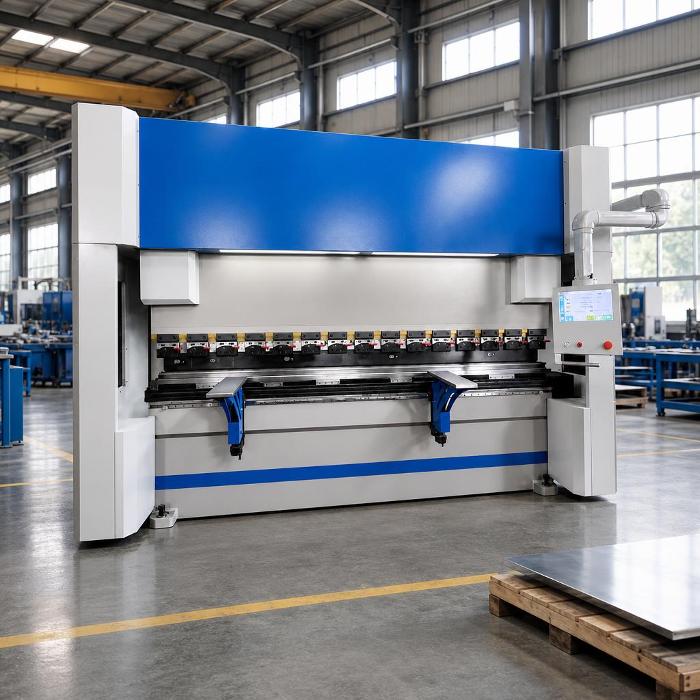
Precision Metal Forming Machines: What Separates Accurate Bends From Scrapped Sheet
2026/10/12 -
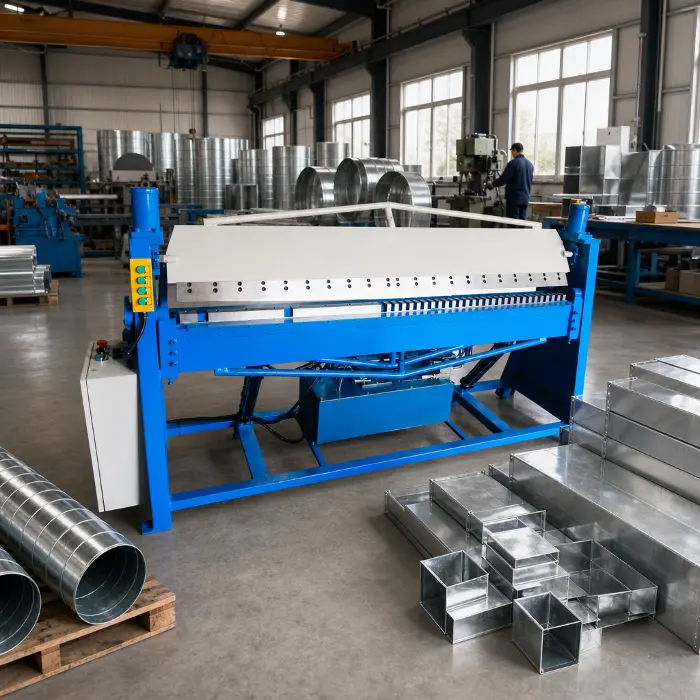
What to Look for in an HVAC Folding Machine Manufacturer
2026/10/11 -
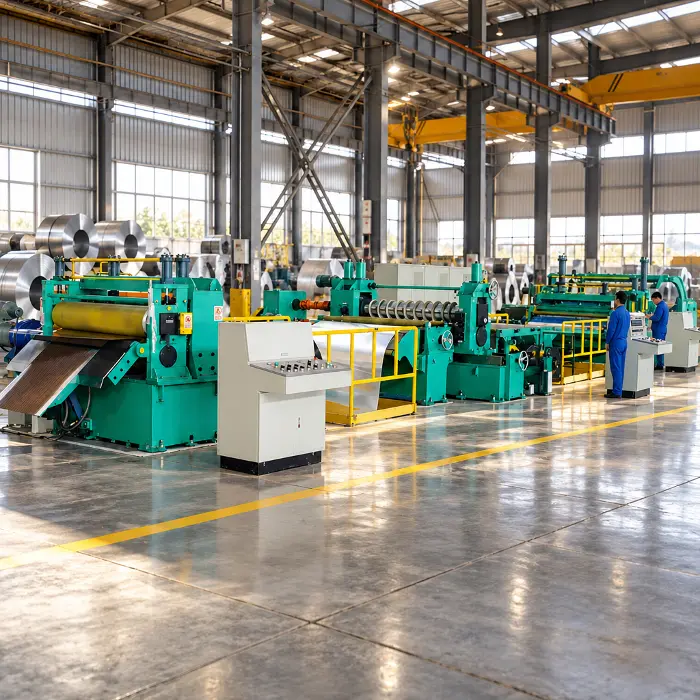
Steel Strip Cutting Machine: Engineering Precision in Modern Metal Processing
2026/10/10
-
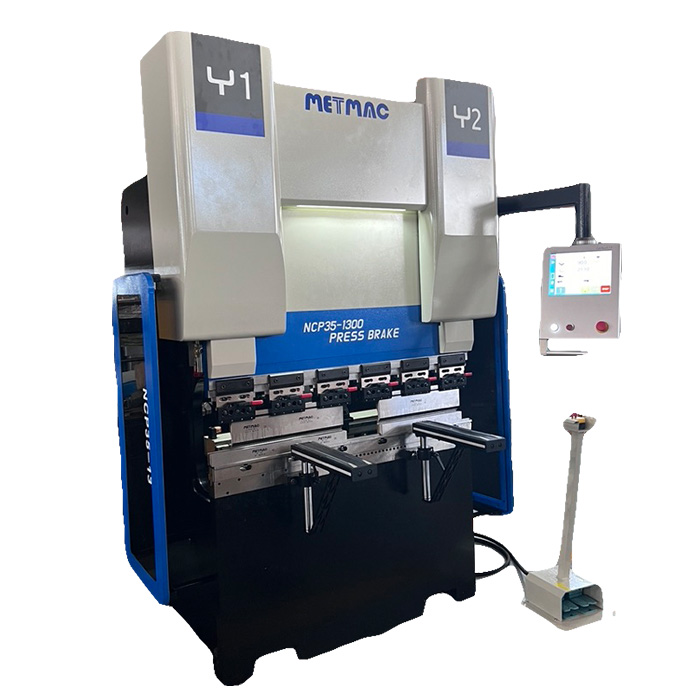
Sheet Metal Press Brake: Ultimate Guide to Precision Bending Technology in 2024
2026/03/13 -
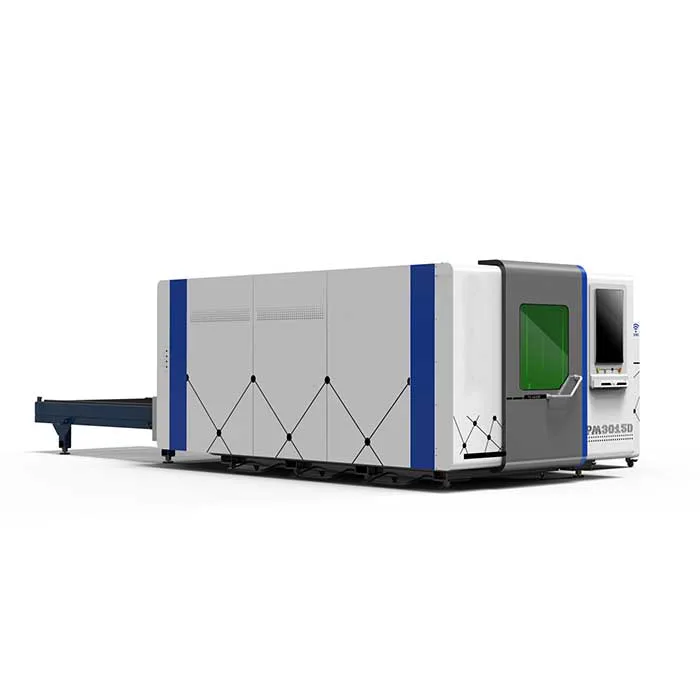
Metal Punching Machine: Ultimate Guide to Precision Manufacturing in 2024
2026/03/11 -
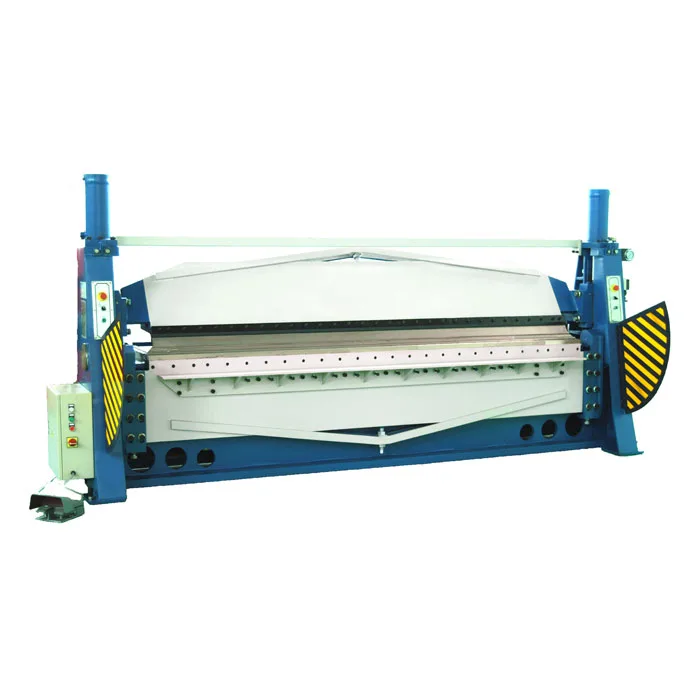
Metal Folding Machine: Comprehensive Guide to Precision Bending in 2024
2026/03/09 -
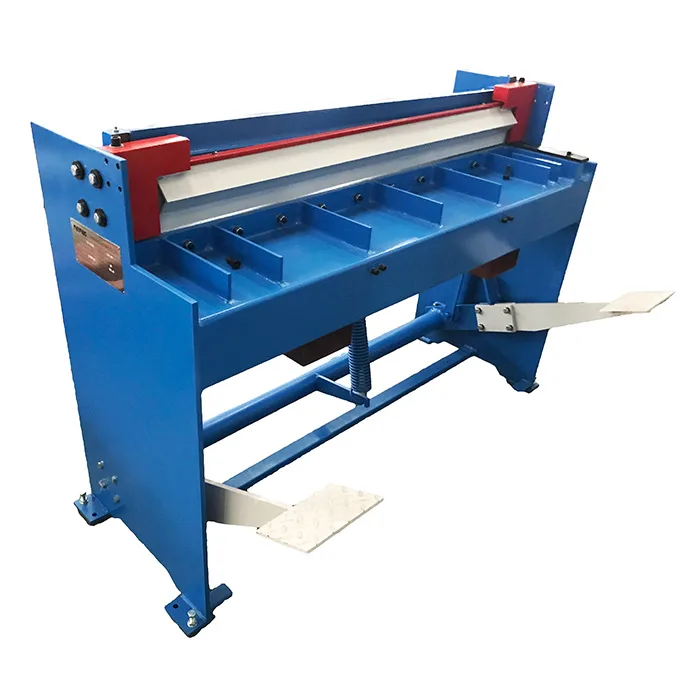
Sheet Metal Equipment: Ultimate Guide to Industrial Fabrication Solutions in 2026
2026/03/06
-
A Guide to the Latest Innovations in Sheet Metal Folding Machines
2024/11/29 -
Key Features to Consider When Investing in a Sheet Metal Folding Machine
2024/11/28 -
Enhancing Precision with Advanced Sheet Metal Folding Machines
2024/11/27 -
How to Choose the Right Sheet Metal Folding Machine for Your Workshop
2024/11/26
