


Matching Sheet Bending Machines with Different Material Thicknesses
Matching Sheet Bending Machines with Different Material Thicknesses: A Guide to Precision Bending
In the realm of metal fabrication, sheet bending machines reign supreme as the master craftsmen of precision bending. These industrial giants possess the power to transform flat sheets of metal into intricate shapes that form the backbone of countless products, from automotive parts to surgical instruments. However, not all bending machines are created equal. Understanding how the thickness of the material you’re working with impacts the machine you need is crucial to achieving flawless results.
The Material Variable
The thickness of the material you intend to bend is the primary factor that will guide your choice of bending machine. Thin materials, such as aluminum and stainless steel sheets, require different bending techniques than thicker materials like steel or copper.
Matching Machine Specifications to Material Thickness
Thin Materials (0.02″ – 0.125″): For thin materials, select a machine with a small tonnage capacity (e.g., 50-100 tons). This will ensure precise bending without damaging the delicate material. Machines with a V-die and a small die opening are ideal for these applications.
Medium Materials (0.125″ – 0.25″): As the material thickness increases, a higher tonnage capacity (e.g., 150-250 tons) is required. Machines with a larger die opening and a press brake with a large bed length will provide the necessary force to bend thicker materials without compromising bend accuracy.
Thick Materials (Over 0.25″): For bending extremely thick materials, a heavy-duty machine (e.g., 300 tons or more) with a wide die opening and a powerful hydraulic system is essential. These machines can handle the force required to bend materials up to several inches thick.
Additional Considerations
In addition to material thickness, consider the following factors when selecting a bending machine:
Bend Radius: The bend radius is the distance from the center of the bend to the inside edge of the material. Different materials require different bend radii.
Bend Length: The bend length is the length of the bend in the material. Longer bends require longer machines with a larger bed length.
Production Volume: If you anticipate high production volumes, invest in a machine with automated features to increase efficiency.
Conclusion
Choosing the right sheet bending machine for your specific material thicknesses is essential for achieving optimal bending results. By understanding the relationship between material thickness and machine specifications, you can match the ideal machine to your project requirements, ensuring precision, accuracy, and productivity in every bend.
-
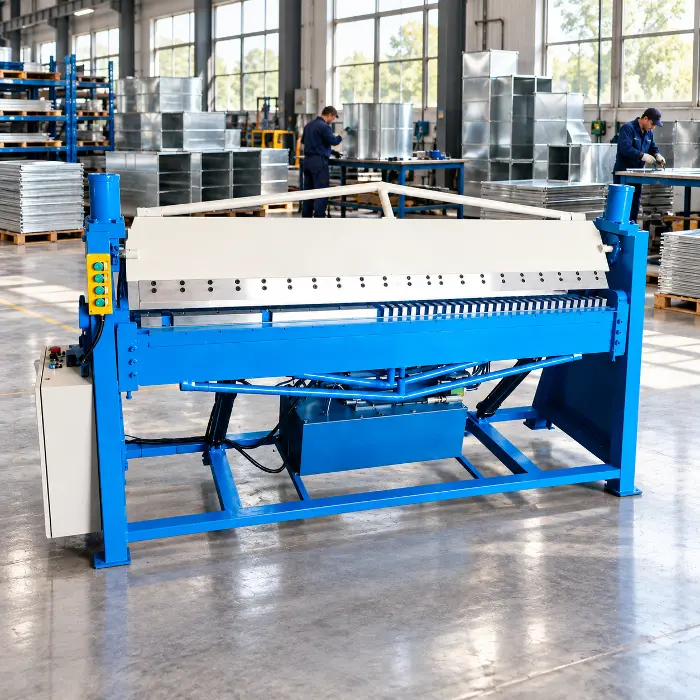
Choosing HVAC Duct Folding Machines for Flange-Safe Bending
2026/10/13 -
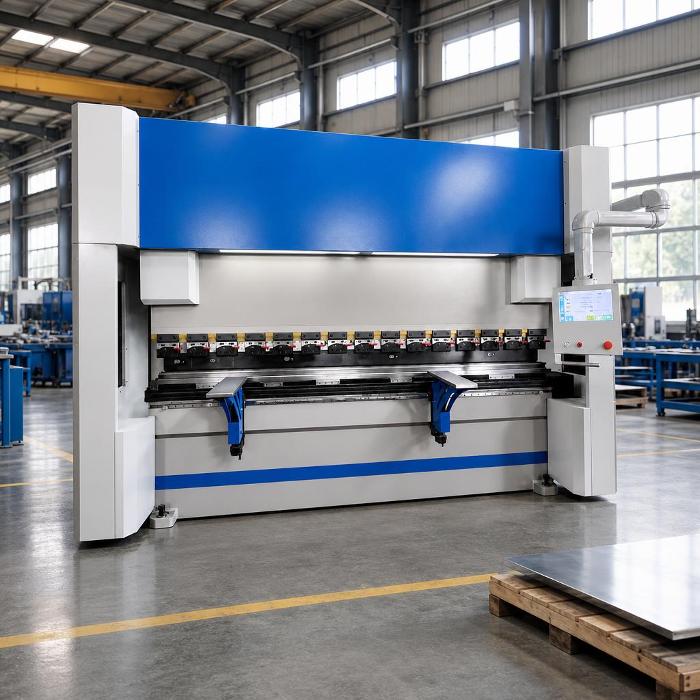
Precision Metal Forming Machines: What Separates Accurate Bends From Scrapped Sheet
2026/10/12 -
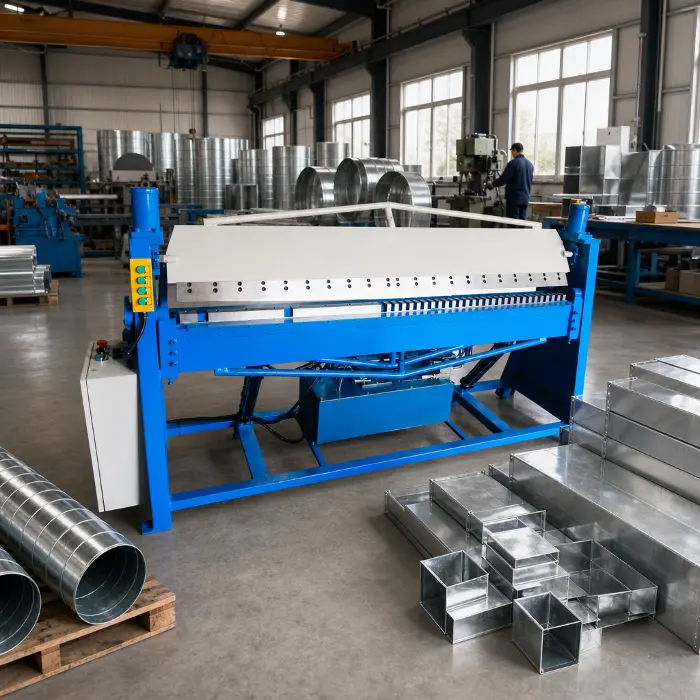
What to Look for in an HVAC Folding Machine Manufacturer
2026/10/11 -
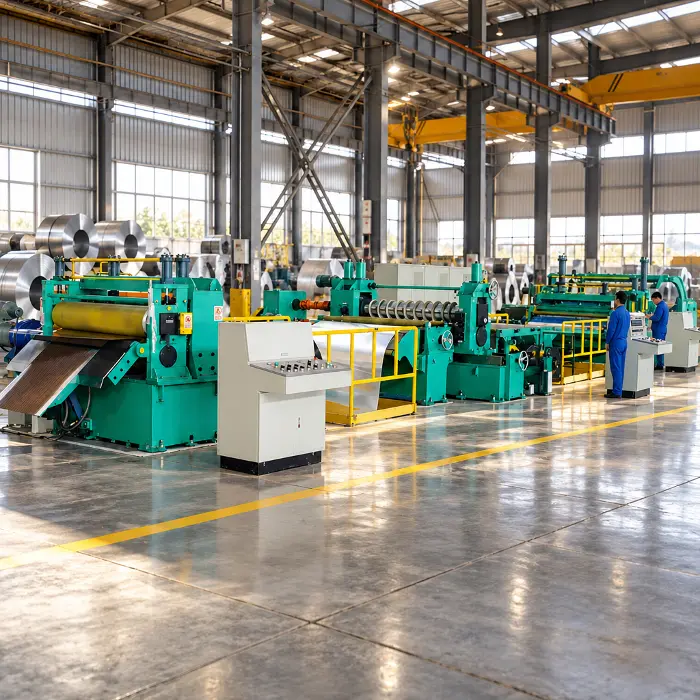
Steel Strip Cutting Machine: Engineering Precision in Modern Metal Processing
2026/10/10
-
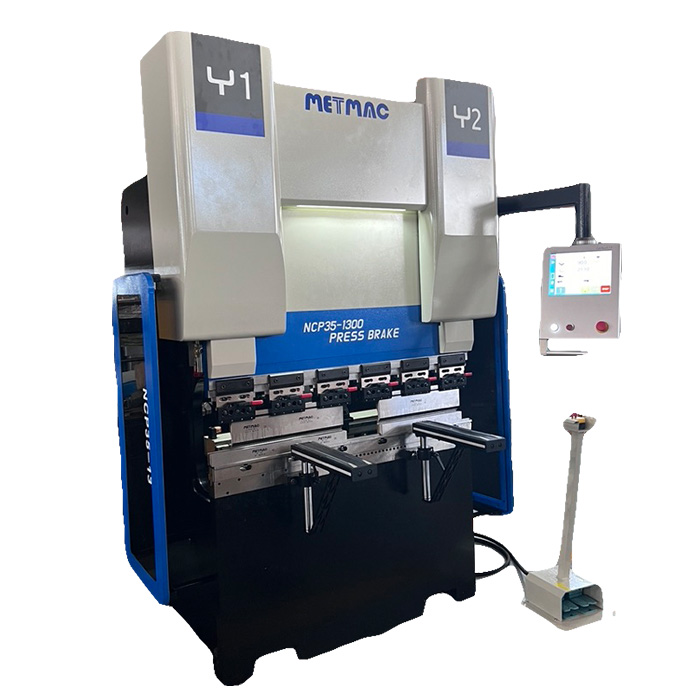
Sheet Metal Press Brake: Ultimate Guide to Precision Bending Technology in 2024
2026/03/13 -
Metal Punching Machine: Ultimate Guide to Precision Manufacturing in 2024
2026/03/11 -
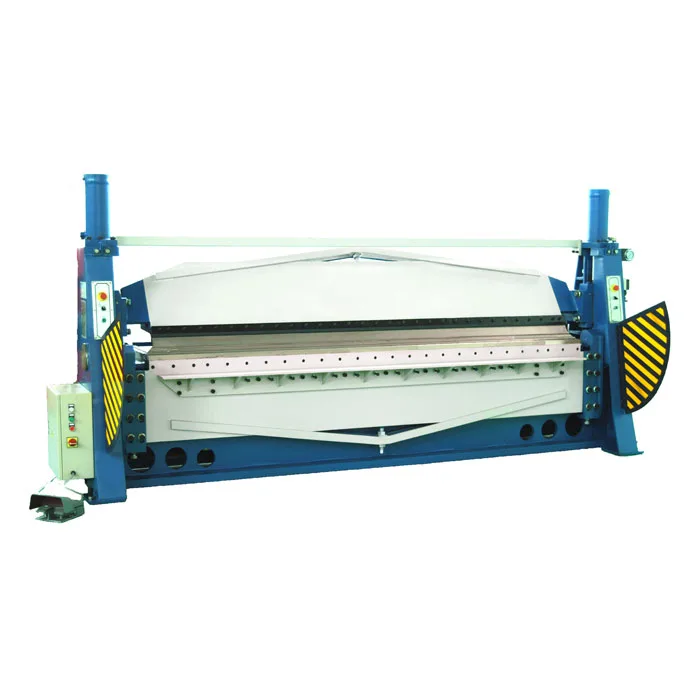
Metal Folding Machine: Comprehensive Guide to Precision Bending in 2024
2026/03/09 -
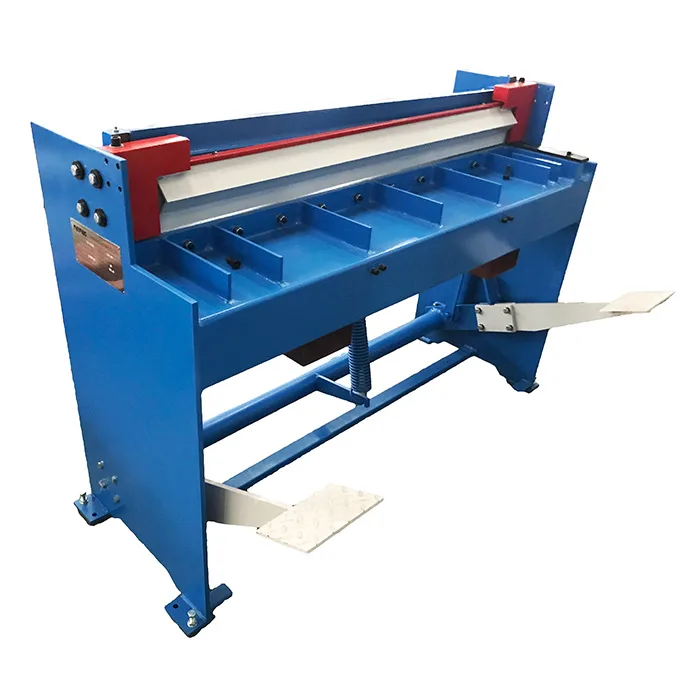
Sheet Metal Equipment: Ultimate Guide to Industrial Fabrication Solutions in 2026
2026/03/06
-
Latest Technological Advancements in Rectangular Duct Machines
2024/05/11 -
Integrating Automation with Rectangular Duct Machines for Enhanced Productivity
2024/05/11 -
Metal Shear Machines- Essential Tools for Precision Metal Cutting
2024/05/11 -
Understanding the Role and Function of Steel Strip Slitting Machines
2024/05/11
-
A Guide to the Latest Innovations in Sheet Metal Folding Machines
2024/11/29 -
Key Features to Consider When Investing in a Sheet Metal Folding Machine
2024/11/28 -
Enhancing Precision with Advanced Sheet Metal Folding Machines
2024/11/27 -
How to Choose the Right Sheet Metal Folding Machine for Your Workshop
2024/11/26
