

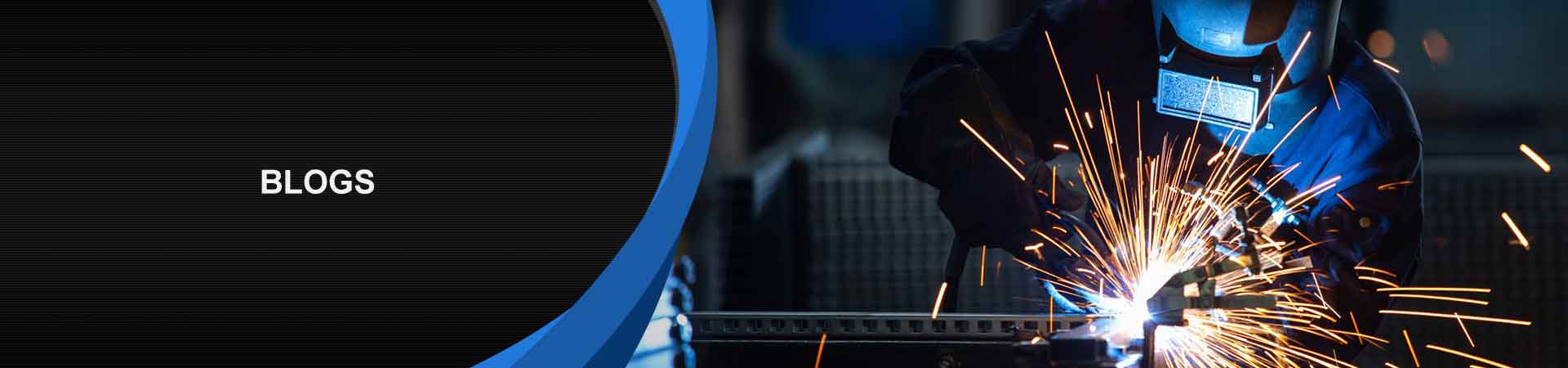
Matching Metal Punching Machines with Different Material Thicknesses
Matching Metal Punching Machines with Different Material Thicknesses: A Precision Encounter
In the realm of metalworking, precision reigns supreme. When it comes to metal punching, the right machine for the job is paramount, especially when dealing with varying material thicknesses. Matching metal punching machines with the appropriate thickness capabilities ensures optimal performance and flawless end products.
Understanding Material Thickness
Metal thickness, measured in millimeters or inches, plays a pivotal role in selecting the appropriate punching machine. Thin materials, such as aluminum or mild steel below 1mm, require machines with delicate punches and precise alignment. Conversely, thicker materials like stainless steel or carbon steel over 5mm demand robust machines with high tonnage capacity.
Types of Punching Machines
The market offers a spectrum of metal punching machines to cater to different thickness ranges.
Turret Punching Machines: Capable of punching multiple holes with various shapes and sizes, turret punchers are versatile for thin to medium materials (up to 3mm).
Hydraulic Punching Machines: Delivering immense force, hydraulic punchers excel in punching thick materials (over 5mm).
Laser Punching Machines: Utilizing lasers for intricate and precise cuts, laser punchers handle a wide range of thicknesses effectively.
CNC Punching Machines: Driven by computer numerical control, CNC punchers offer high accuracy and speed for complex punching patterns.
Factors to Consider
When matching punching machines with material thicknesses, several factors come into play:
Material hardness: Harder materials require more force, necessitating higher tonnage capacity.
Punch size and shape: The punch diameter and shape impact the required machine specifications.
Throughput: The machine’s punching speed and capacity determine production efficiency.
Budget and space constraints: Finding the right balance between machine capabilities and available resources is crucial.
Conclusion
Matching metal punching machines with different material thicknesses is a critical aspect of metalworking. By understanding the material thickness requirements, the available machine types, and the key factors to consider, manufacturers can ensure optimal performance, precision, and efficiency in their punching operations. Precision punching leads to flawless products, reduced waste, and enhanced productivity, ultimately empowering businesses to stay competitive in the demanding metalworking industry.
-
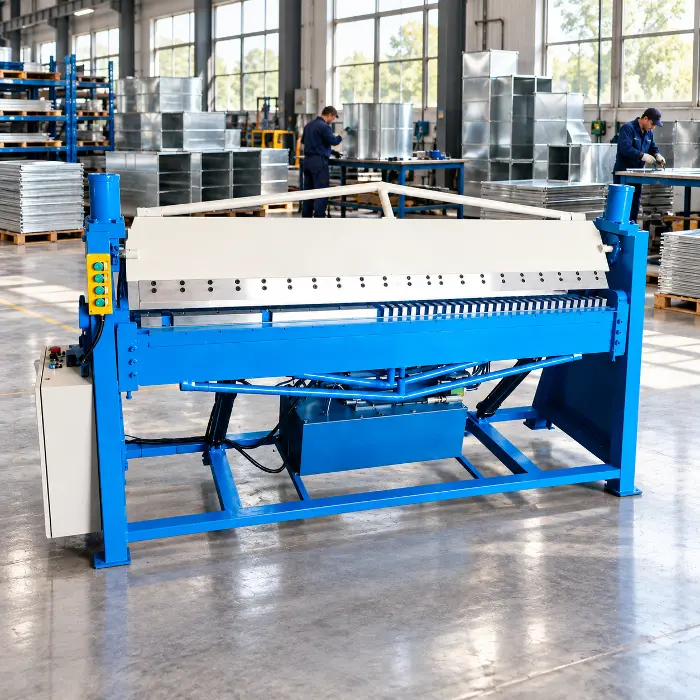
Choosing HVAC Duct Folding Machines for Flange-Safe Bending
2026/10/13 -
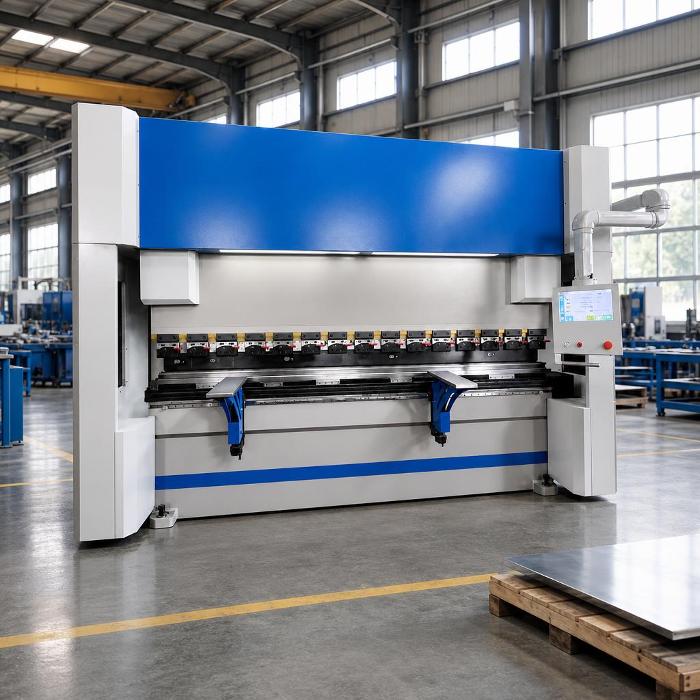
Precision Metal Forming Machines: What Separates Accurate Bends From Scrapped Sheet
2026/10/12 -
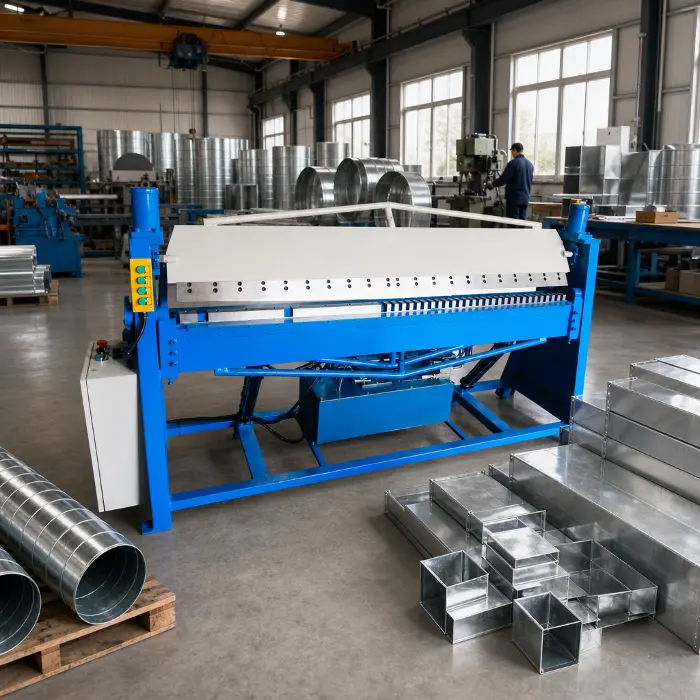
What to Look for in an HVAC Folding Machine Manufacturer
2026/10/11 -
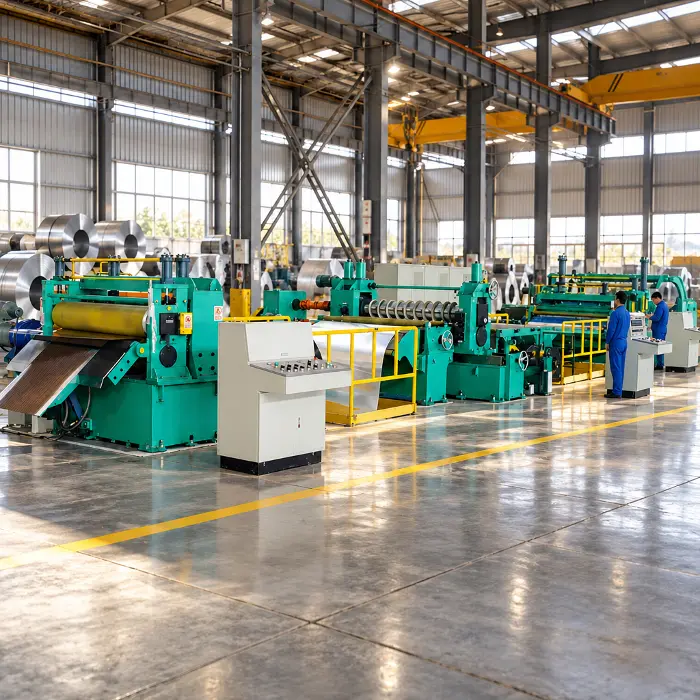
Steel Strip Cutting Machine: Engineering Precision in Modern Metal Processing
2026/10/10
-
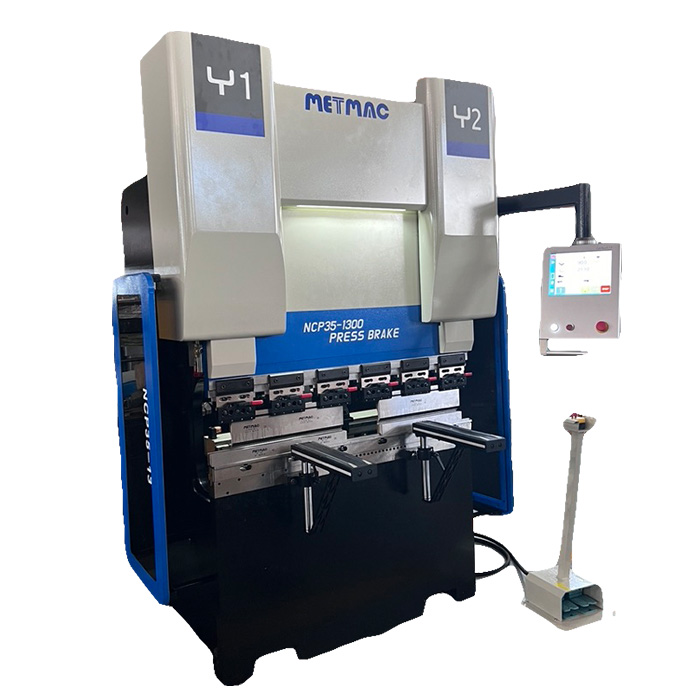
Sheet Metal Press Brake: Ultimate Guide to Precision Bending Technology in 2024
2026/03/13 -
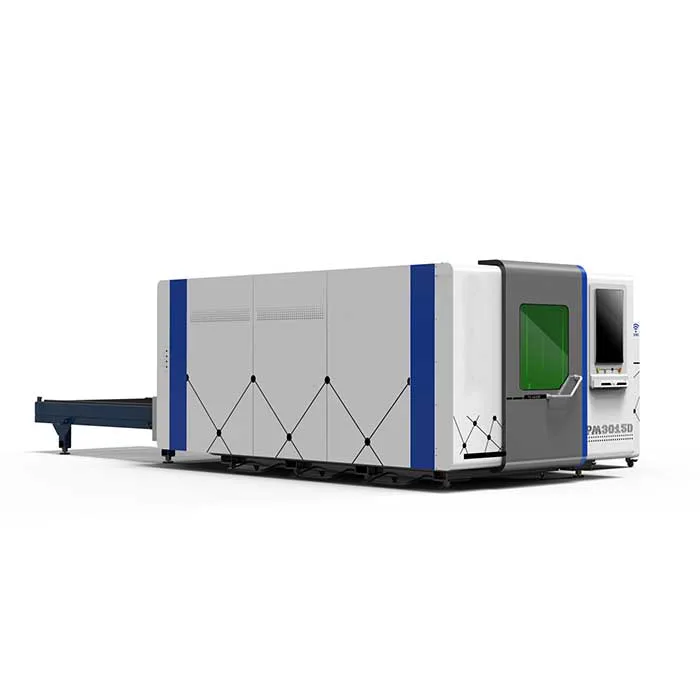
Metal Punching Machine: Ultimate Guide to Precision Manufacturing in 2024
2026/03/11 -
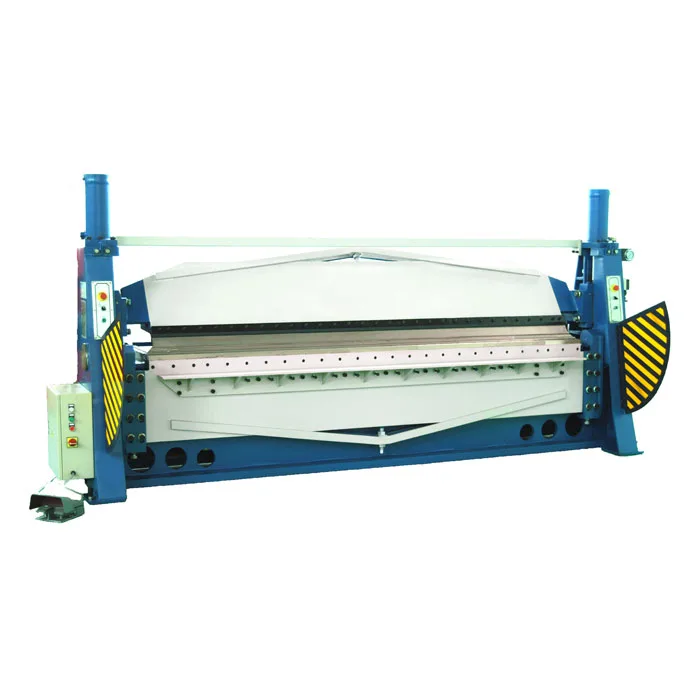
Metal Folding Machine: Comprehensive Guide to Precision Bending in 2024
2026/03/09 -
Sheet Metal Equipment: Ultimate Guide to Industrial Fabrication Solutions in 2026
2026/03/06
-
A Guide to the Latest Innovations in Sheet Metal Folding Machines
2024/11/29 -
Key Features to Consider When Investing in a Sheet Metal Folding Machine
2024/11/28 -
Enhancing Precision with Advanced Sheet Metal Folding Machines
2024/11/27 -
How to Choose the Right Sheet Metal Folding Machine for Your Workshop
2024/11/26
