

Legal and Regulatory Considerations in Operating Steel Folding Equipment
In the realm of metalworking, steel folding equipment wields immense power, capable of transforming raw sheets of metal into intricate structures. However, operating these formidable machines is not a whimsical endeavor; it demands a profound understanding of the legal and regulatory landscape.
Safety First: The Imperative of Compliance
Foremost among the legal considerations is ensuring the safety of workers and the environment. Comprehensive regulations dictate every aspect of equipment operation, from proper guarding and protective wear to ventilation and environmental protection. Failing to comply not only jeopardizes lives and the environment but also exposes companies to severe penalties.
OSHA’s Mandate: Protecting Employees
The Occupational Safety and Health Administration (OSHA) plays a pivotal role in safeguarding workers operating steel folding equipment. Its regulations establish rigorous standards for machine guarding, training, inspections, and work practices. Compliance with OSHA mandates is not simply a legal obligation but an ethical imperative.
Environmental Regulations: Minimizing Impact
In addition to protecting workers, regulations also focus on minimizing the environmental impact of steel folding operations. These guidelines address issues such as noise pollution, dust control, and waste management. Companies must implement effective measures to comply with environmental standards and demonstrate responsible stewardship.
Legal Liability: Mitigating Risks
Understanding legal and regulatory considerations is essential for mitigating potential liability. Proper operation, maintenance, and training reduce the risk of accidents, injuries, or environmental incidents. By adhering to the law, companies can protect themselves from costly lawsuits and the consequences of non-compliance.
Insurance Implications: Enhancing Coverage
Insurance companies carefully assess a company’s safety record and compliance with regulations when determining coverage. A strong safety culture, coupled with regulatory compliance, can lead to lower insurance premiums and broader coverage, reducing financial burdens in the event of an incident.
Conclusion
Operating steel folding equipment is a demanding task that requires a deep understanding of legal and regulatory considerations. By adhering to safety regulations, protecting the environment, and mitigating liability, companies can create a safe and compliant workplace. Such an approach not only enhances worker safety and minimizes environmental impact but also safeguards corporate reputation and financial stability.
-
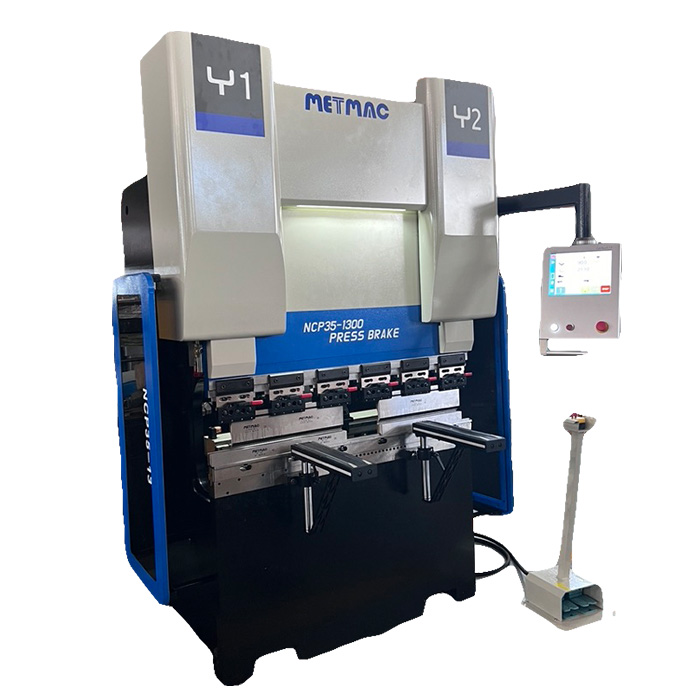
Press Metal Machine: The Definitive Guide to Precision Metal Forming
2026/03/12 -
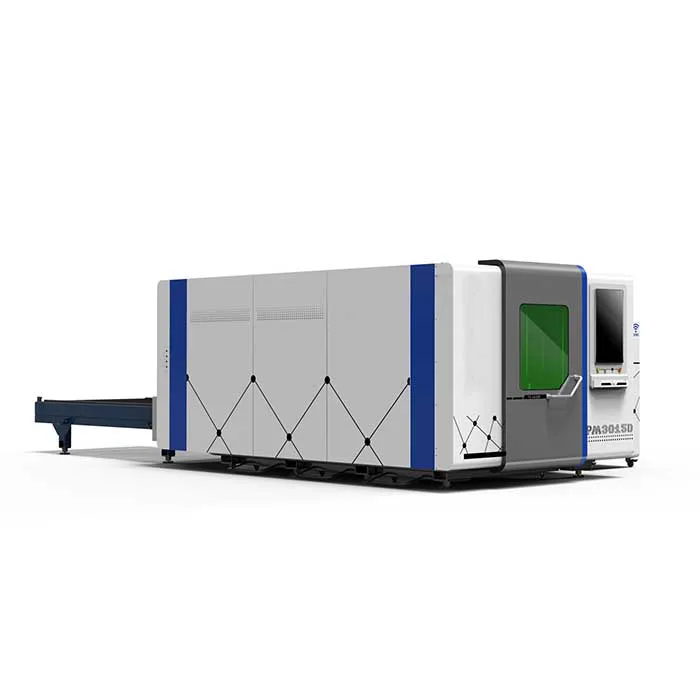
Metal Punching Machine: The Ultimate Guide to Precision Hole Punching
2026/03/10 -
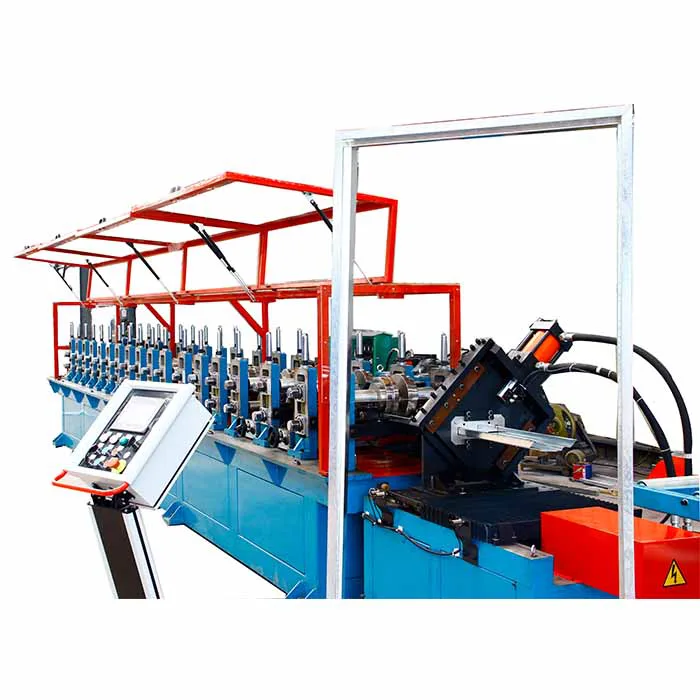
Sheet Metal Machinery: The Ultimate Guide to Industrial Fabrication Excellence
2026/03/04 -
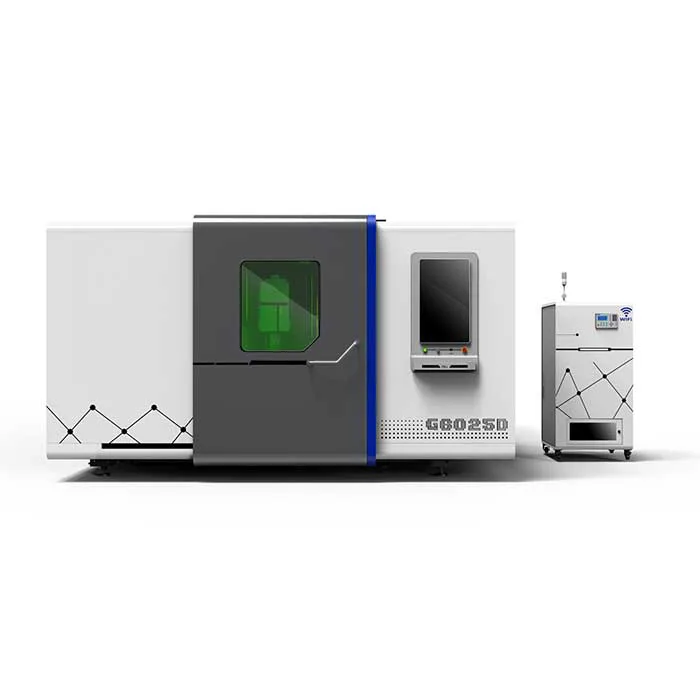
Iron Sheet Laser Cutting Machine: Unmatched Precision for Demanding Fabrication with METMAC
2026/01/06
-
Sheet Metal Press Brake: Ultimate Guide to Precision Bending Technology in 2024
2026/03/13 -
Metal Punching Machine: Ultimate Guide to Precision Manufacturing in 2024
2026/03/11 -
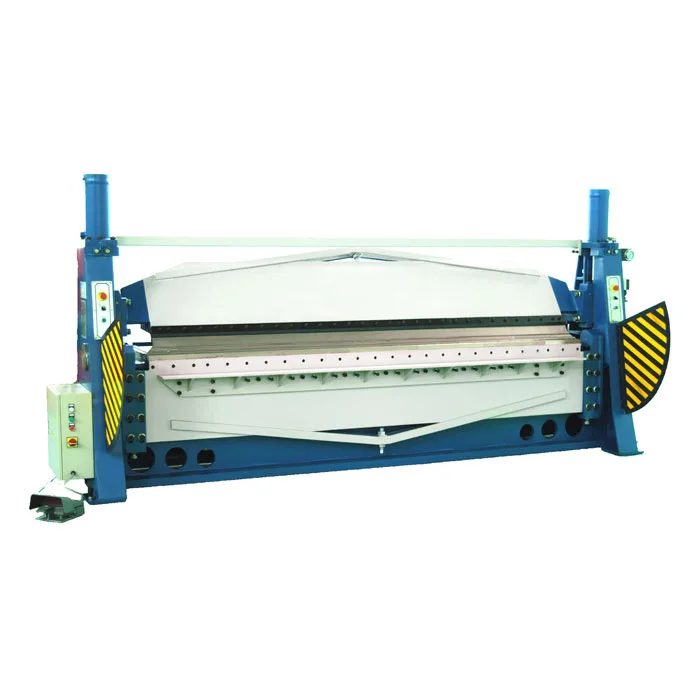
Metal Folding Machine: Comprehensive Guide to Precision Bending in 2024
2026/03/09 -
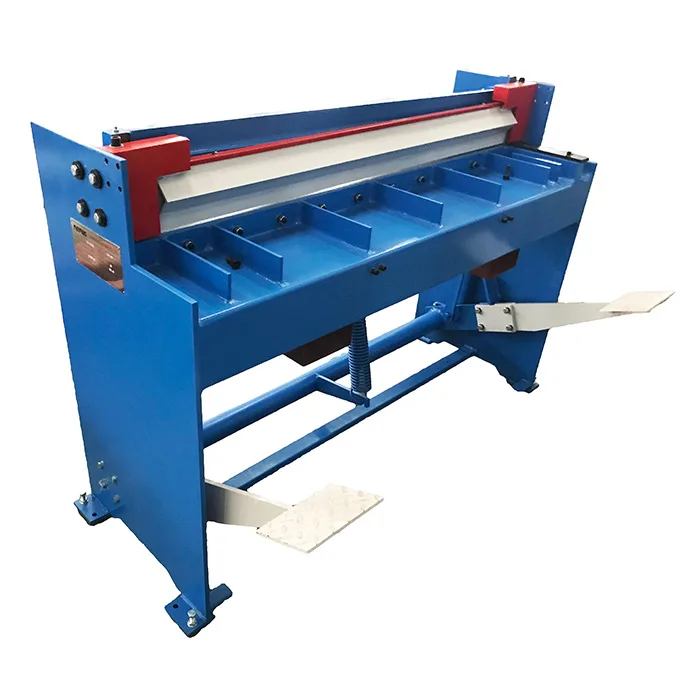
Sheet Metal Equipment: Ultimate Guide to Industrial Fabrication Solutions in 2026
2026/03/06
-
A Guide to the Latest Innovations in Sheet Metal Folding Machines
2024/11/29 -
Key Features to Consider When Investing in a Sheet Metal Folding Machine
2024/11/28 -
Enhancing Precision with Advanced Sheet Metal Folding Machines
2024/11/27 -
How to Choose the Right Sheet Metal Folding Machine for Your Workshop
2024/11/26
