


Key Differences Between Press Brakes and Roll Bending Machines
In sheet metal fabrication, press brakes and roll bending machines are two essential tools used for bending metal into desired shapes. While both machines serve the same purpose, they utilize different principles and offer distinct advantages and limitations. This article highlights the key differences between press brakes and roll bending machines to help professionals make informed decisions when selecting the most suitable machine for their specific applications.
Principle of Operation
Press Brake: A press brake operates on the principle of forming under pressure. It consists of a punch and die set, where the upper punch moves vertically downward to bend the sheet metal against the fixed lower die. The force applied by the punch creates a sharp and precise bend.
Roll Bending Machine: In contrast, a roll bending machine operates on the principle of bending through gradual deformation. It comprises two or more rollers arranged horizontally. The sheet metal is passed through the gap between the rollers, and as it encounters increasing pressure, it gradually bends into the desired shape.
Bending Capacity
Press Brake: Press brakes are generally used for creating sharp and precise bends in sheet metal. They offer high bending force and can bend thicker materials compared to roll bending machines. However, the bend radius is limited by the radii of the punch and die, which must be specifically designed for each material thickness and bend angle.
Roll Bending Machine: Roll bending machines are ideal for bending sheet metal into cylindrical or curved shapes. They can handle wider and longer sheets compared to press brakes and provide a continuous bending process without interruptions. However, the bend radius is influenced by the diameter of the rollers and the sheet thickness, resulting in a gradual curvature rather than a sharp bend.
Accuracy and Consistency
Press Brake: Press brakes offer high accuracy and repeatability, as the punch and die sets are precisely aligned. The bending angle and bend radius can be precisely controlled, making press brakes suitable for applications requiring consistent and accurate bends.
Roll Bending Machine: While roll bending machines can provide accurate bends with proper setup and calibration, they generally have less accuracy compared to press brakes. The deformation process introduces some variation in the bend radius, especially for long and thin sheets.
Flexibility and Versatility
Press Brake: Press brakes allow for a wide range of bending operations, including straight bends, radius bends, v-bends, and more. They can also accommodate a variety of materials, including sheet metal, plastic, and composite panels. However, they require specific tooling for each bend configuration and material type.
Roll Bending Machine: Roll bending machines offer greater flexibility for bending complex shapes, such as cylinders, cones, and parabolic curves. They can handle a wider range of sheet thicknesses and can be easily adjusted to change the bend radius or angle. However, they are less suitable for sharp bends or intricate shapes that require specialized tooling.
Conclusion
The choice between press brakes and roll bending machines depends on the specific requirements of the application. Press brakes provide high accuracy, precision, and bending force, making them suitable for applications where sharp and precise bends are critical. Roll bending machines offer greater flexibility, versatility, and the ability to handle complex shapes, making them ideal for applications requiring cylindrical or curved bends. By understanding the key differences between these two machines, professionals can select the most appropriate tool for their fabrication needs.
-
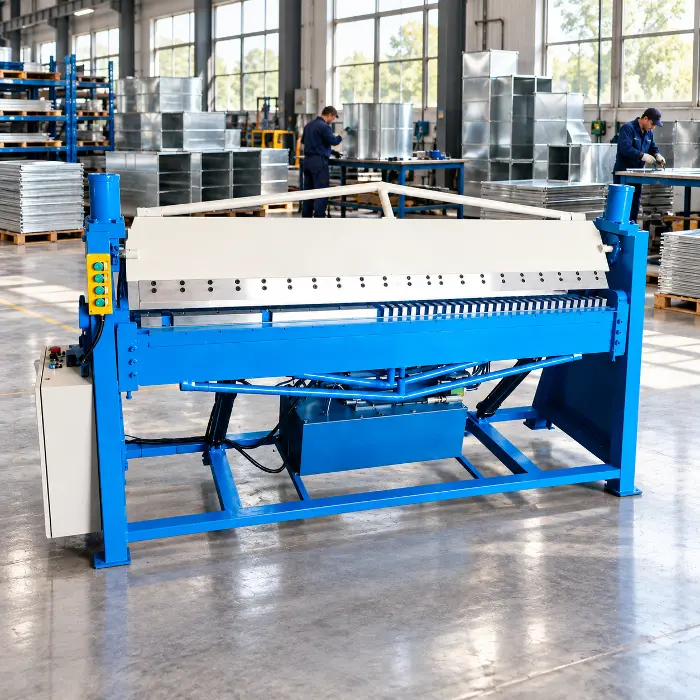
Choosing HVAC Duct Folding Machines for Flange-Safe Bending
2026/10/13 -
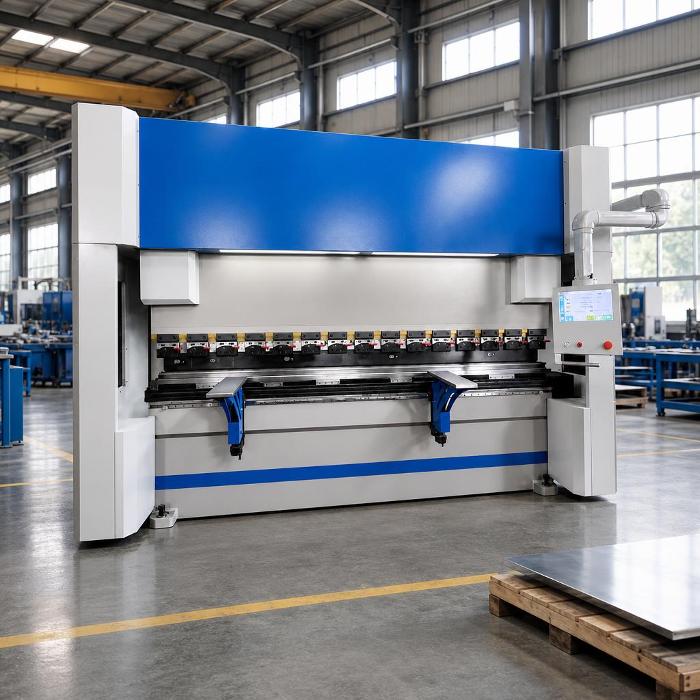
Precision Metal Forming Machines: What Separates Accurate Bends From Scrapped Sheet
2026/10/12 -
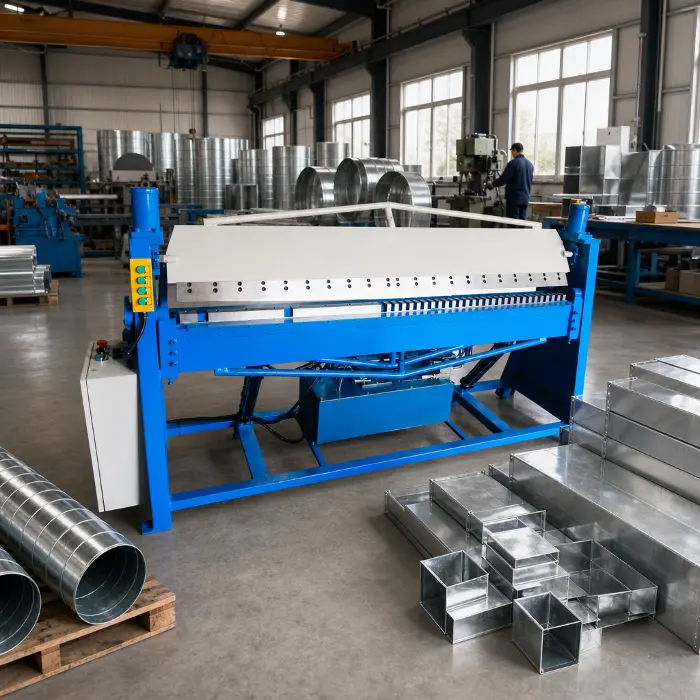
What to Look for in an HVAC Folding Machine Manufacturer
2026/10/11 -
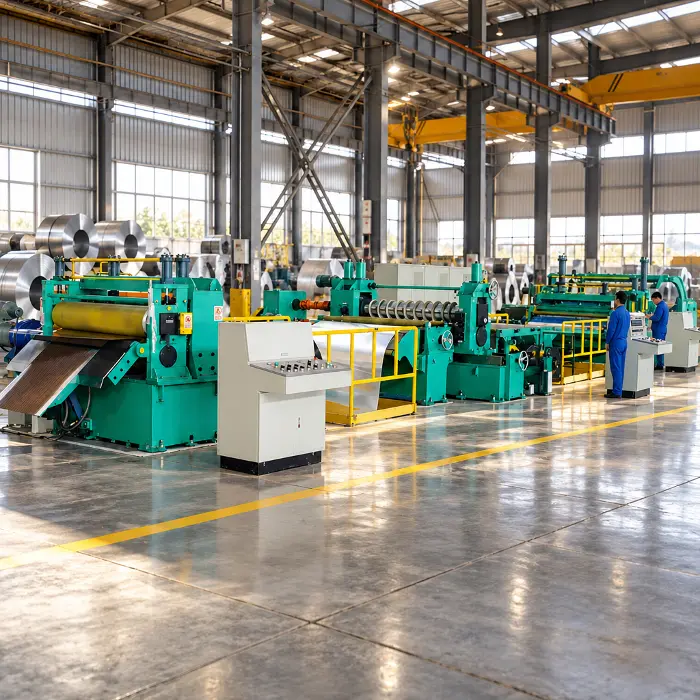
Steel Strip Cutting Machine: Engineering Precision in Modern Metal Processing
2026/10/10
-
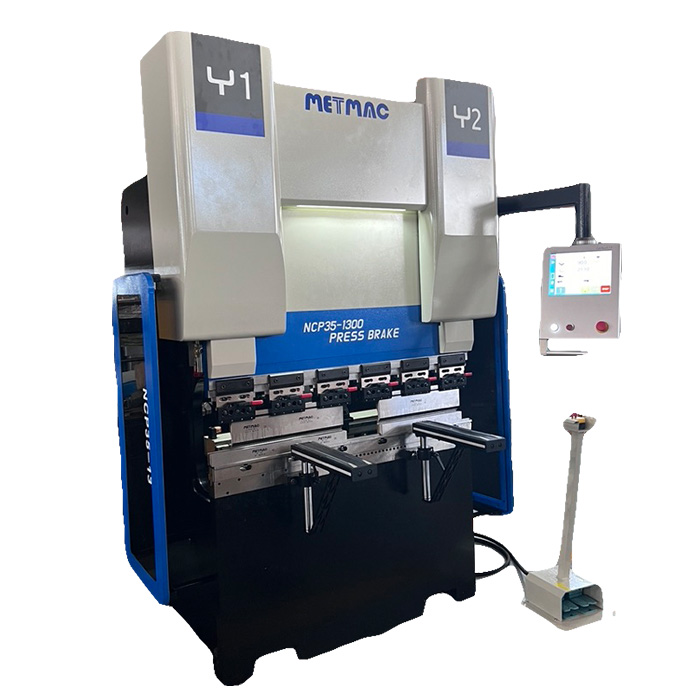
Sheet Metal Press Brake: Ultimate Guide to Precision Bending Technology in 2024
2026/03/13 -
Metal Punching Machine: Ultimate Guide to Precision Manufacturing in 2024
2026/03/11 -
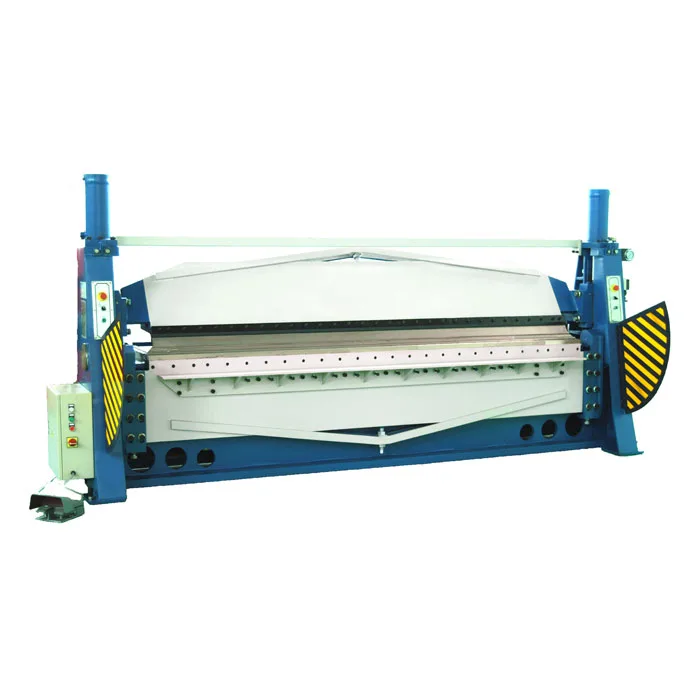
Metal Folding Machine: Comprehensive Guide to Precision Bending in 2024
2026/03/09 -
Sheet Metal Equipment: Ultimate Guide to Industrial Fabrication Solutions in 2026
2026/03/06
-
A Guide to the Latest Innovations in Sheet Metal Folding Machines
2024/11/29 -
Key Features to Consider When Investing in a Sheet Metal Folding Machine
2024/11/28 -
Enhancing Precision with Advanced Sheet Metal Folding Machines
2024/11/27 -
How to Choose the Right Sheet Metal Folding Machine for Your Workshop
2024/11/26
