


Keeping Your Pan Brake in Top Shape- Essential Maintenance Tips
Essential Maintenance Tips for Keeping Your Pan Brake in Top Shape
Maintaining your pan brake in top condition is crucial for ensuring its longevity, accuracy, and overall productivity. Here’s an in-depth guide to essential maintenance tips for your pan brake:
Lubrication
Regular lubrication is vital to minimize friction and wear on moving parts.
– Apply a light coating of high-temperature grease to all sliding surfaces: This includes the ram, die holder, and beam guides.
– Lubricate the hydraulic cylinders: Use a hydraulic oil specifically designed for the system.
– Check lubrication levels regularly: Inspect oil reservoirs and replenish as needed.
Cleaning
Regular cleaning prevents dirt and debris from accumulating and interfering with performance.
– Wipe down the pan brake periodically: Remove any loose dirt or metal shavings with a clean cloth.
– Clean the dies and punches: Use a brush or compressed air to remove any debris from the cutting edges.
– Inspect the hydraulic components: Check for any leaks or contamination.
Adjustment
Proper adjustment ensures accurate bending and minimizes part deformation.
– Calibrate the beam: Ensure that the beam is level and perpendicular to the die holder.
– Adjust the ram pressure: Set the pressure to the manufacturer’s specifications based on the material being bent.
– Inspect the dies and punches: Check for any signs of wear or damage, and replace them if necessary.
Inspection
Regular inspections detect potential problems early on, preventing costly repairs.
– Check for leaks: Inspect hydraulic hoses, cylinders, and fittings for any signs of fluid leakage.
– Monitor hydraulic pressure: Ensure that the system pressure is within the specified range.
– Inspect electrical components: Check for any loose connections or damage to wires.
Troubleshooting
Prompt troubleshooting can prevent minor issues from escalating into major problems.
– Hydraulic leaks: Inspect the system for any loose fittings or damaged hoses.
– Low hydraulic pressure: Check the oil level and inspect for any leaks or contamination.
– Inaccurate bending: Adjust the beam, ram pressure, or dies as necessary.
Storage
Proper storage protects the pan brake from damage and corrosion.
– Cover the pan brake: Use a tarp or other protective cover to keep out dust and moisture.
– Store in a dry environment: Choose a storage location with low humidity levels.
– Inspect before use: Check for any signs of damage or corrosion before operating the pan brake after storage.
Conclusion
By following these essential maintenance tips, you can ensure that your pan brake remains in top shape, providing years of reliable and accurate bending performance. Regular maintenance not only extends the life of your equipment but also improves safety and maximizes productivity.
-
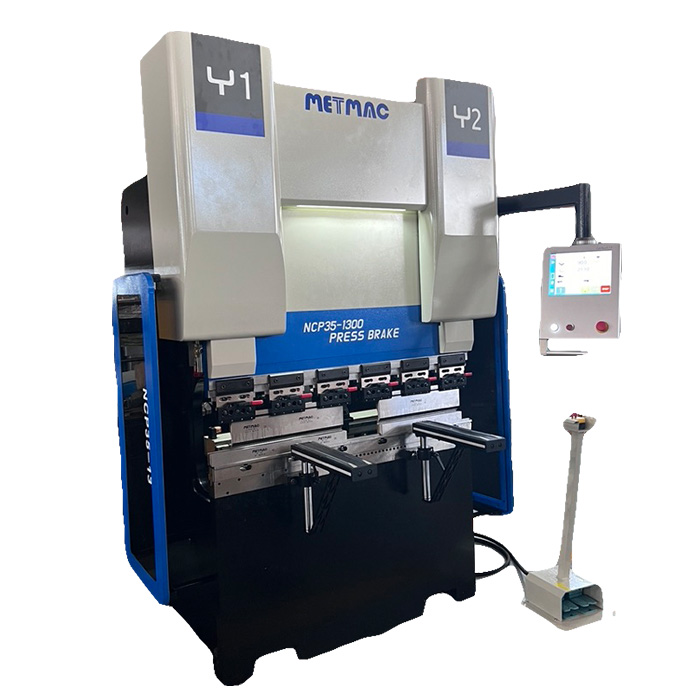
Press Metal Machine: The Definitive Guide to Precision Metal Forming
2026/03/12 -

Metal Punching Machine: The Ultimate Guide to Precision Hole Punching
2026/03/10 -
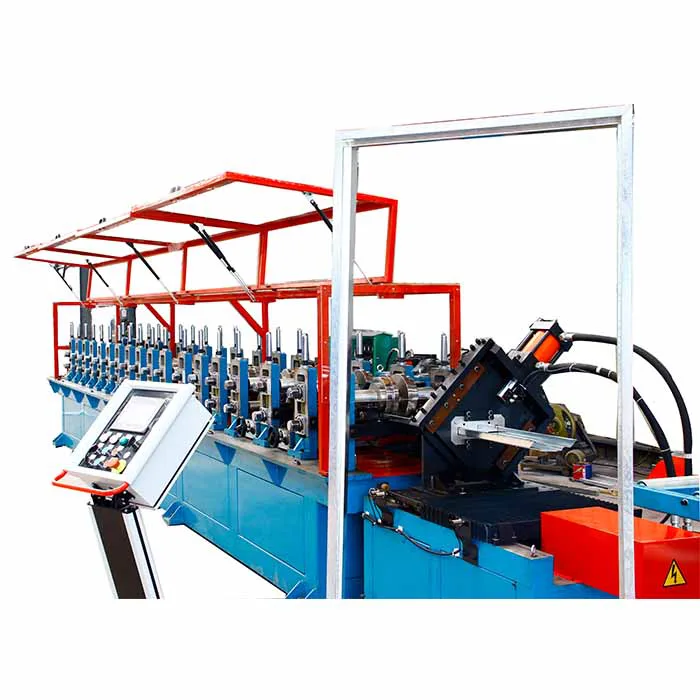
Sheet Metal Machinery: The Ultimate Guide to Industrial Fabrication Excellence
2026/03/04 -

Iron Sheet Laser Cutting Machine: Unmatched Precision for Demanding Fabrication with METMAC
2026/01/06
-
Sheet Metal Press Brake: Ultimate Guide to Precision Bending Technology in 2024
2026/03/13 -
Metal Punching Machine: Ultimate Guide to Precision Manufacturing in 2024
2026/03/11 -
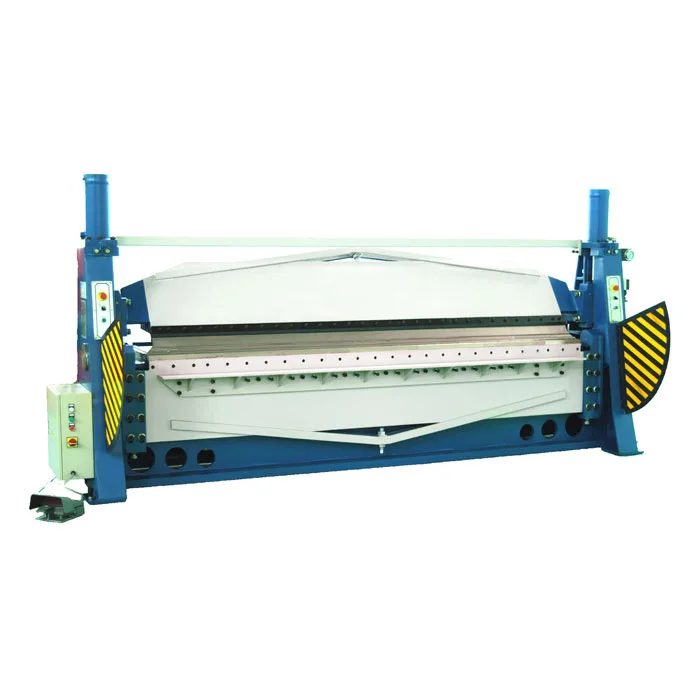
Metal Folding Machine: Comprehensive Guide to Precision Bending in 2024
2026/03/09 -
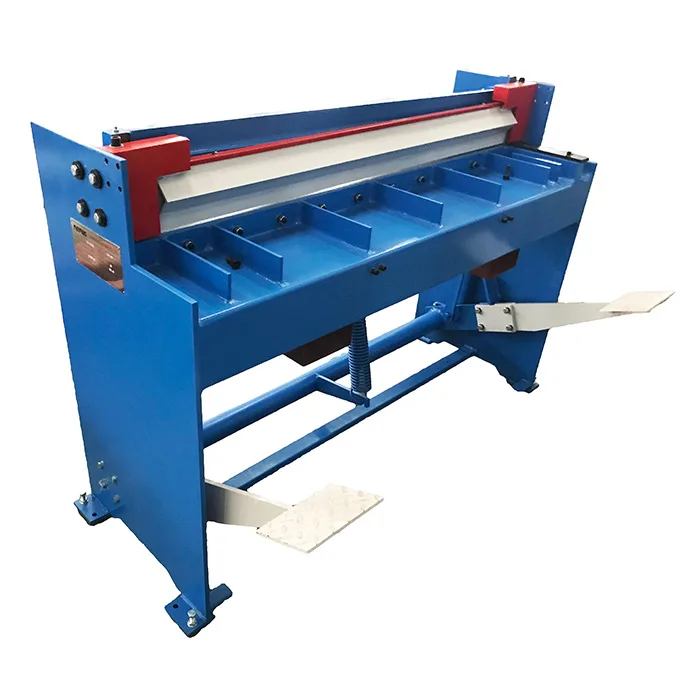
Sheet Metal Equipment: Ultimate Guide to Industrial Fabrication Solutions in 2026
2026/03/06
-
A Guide to the Latest Innovations in Sheet Metal Folding Machines
2024/11/29 -
Key Features to Consider When Investing in a Sheet Metal Folding Machine
2024/11/28 -
Enhancing Precision with Advanced Sheet Metal Folding Machines
2024/11/27 -
How to Choose the Right Sheet Metal Folding Machine for Your Workshop
2024/11/26
